Stella And Dot Amelia Necklace: Troubleshooting Guide
Is your Stella and Dot Amelia necklace tarnished or broken? Discover expert troubleshooting, repair hacks, and cleaning tips to restore your jewelry.

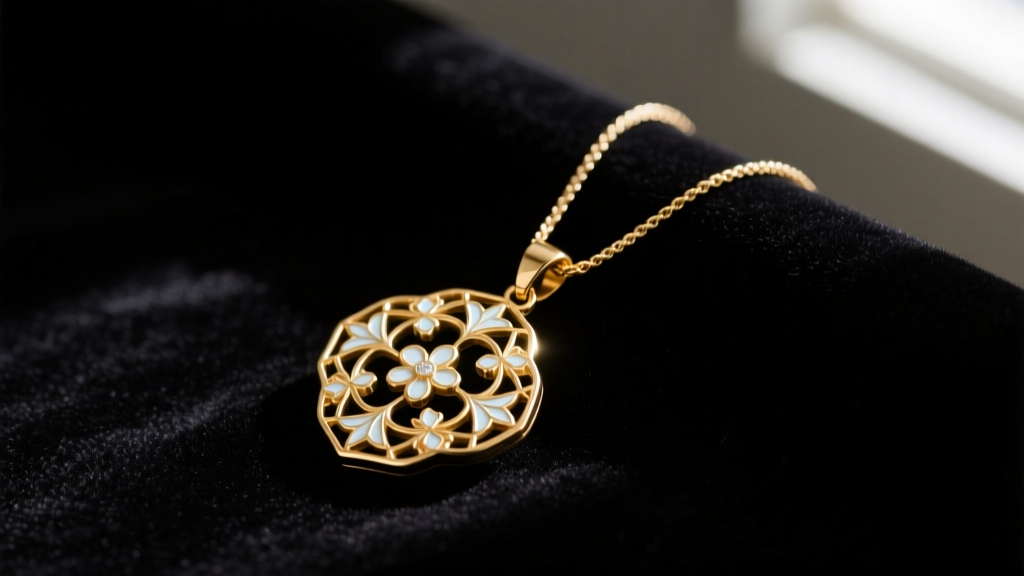
Understanding the Anatomy of Your Amelia Necklace
The Stella and Dot Amelia necklace is a beloved staple in many jewelry collections, recognized for its versatile pendant design and delicate chain. However, like most high-end fashion jewelry, it requires specific care to maintain its luster and structural integrity. To effectively troubleshoot common issues, we first need to understand the metallurgy at play. Stella & Dot typically utilizes a solid brass or bronze base metal, electroplated with a micro-layer of gold, silver, or rhodium.
While this plating provides a beautiful finish, it is usually only 0.5 to 1.5 microns thick. Over time, friction, skin acidity, and environmental exposure can wear through this layer, exposing the reactive brass beneath. According to the Gemological Institute of America (GIA), understanding the base metal is crucial before applying any cleaning or repair methods, as harsh chemicals can strip the remaining plating or damage integrated enamel and glass stones.
Troubleshooting Chain Tangles and Micro-Knots
The Amelia necklace often features a fine cable or box chain, typically measuring between 0.8mm and 1.2mm in thickness. While elegant, these delicate gauges are highly susceptible to micro-knots, especially when stored loosely in a jewelry box.
The Baby Powder and Needle Technique
Never pull on a tangled chain; this will tighten the knot and potentially snap the delicate links. Instead, use this professional jeweler's method:
- Lubricate the Knot: Lay the necklace flat on a hard, well-lit surface. Sprinkle a small amount of talcum baby powder or cornstarch directly onto the knot. This reduces friction between the metal links.
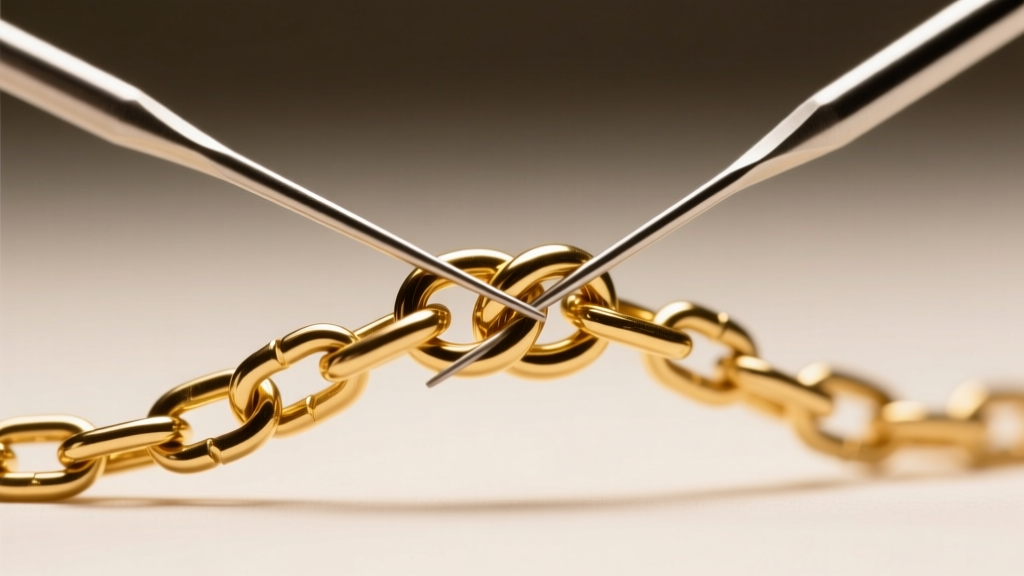
- Deploy the Needles: Take two fine sewing needles or straight pins. Insert the tips into the center of the knot and gently wiggle them in opposite directions to create slack.
- Work Outward: Once the center loosens, use the needles to push the outer links through the gap. Wipe away the powder with a dry microfiber cloth once finished.
Addressing Plating Wear and Tarnish
When the brass base metal of your Stella and Dot Amelia necklace is exposed to moisture and sulfur in the air, it oxidizes, resulting in dark tarnish or a greenish hue on your skin. It is vital to use the correct cleaning agents to avoid stripping the remaining plating or clouding any enamel details on the pendant.
Safe Cleaning Agents Matrix
| Cleaning Agent | Safe for Plating? | Safe for Enamel/Stones? | Expert Notes |
|---|---|---|---|
| Mild Dish Soap & Warm Water | Yes | Yes | Use a soft baby toothbrush. Do not soak for more than 3 minutes. |
| Baking Soda Paste | No | No | Highly abrasive; will scratch gold plating and dull enamel finishes. |
| Commercial Silver Dip | No | No | Contains thiourea, which will instantly strip fashion jewelry plating. |
| Ultrasonic Cleaners | Yes (with caution) | No | Vibrations can shatter glass stones and crack epoxy-set enamel. |
Pro Tip: If your Amelia necklace has developed a green patina on the clasp or chain links, a quick swipe with a cotton swab dipped in pure isopropyl alcohol can remove the surface oxidation without harming the underlying metal, provided you dry it immediately.
Fixing Clasp and Jump Ring Failures
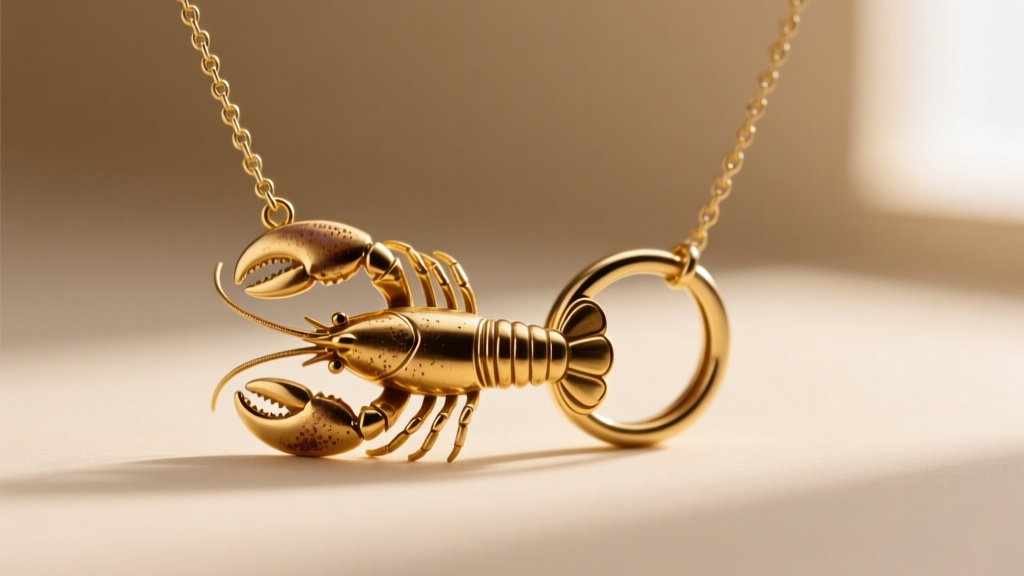
A common failure point in the Stella and Dot Amelia necklace is the lobster claw clasp or the jump rings connecting the clasp to the chain. If your necklace keeps slipping off or the clasp feels "mushy," the internal spring mechanism has likely failed due to metal fatigue.
Replacing a Damaged Jump Ring
Fashion jewelry typically uses 18-gauge or 20-gauge wire for jump rings, with a diameter of 4mm or 5mm. If a jump ring has pulled apart:
- Do not pull it apart laterally. Use two pairs of flat-nose jewelry pliers to twist the ring open horizontally (forward and backward). This maintains the perfect circle shape.
- Thread the chain or clasp back onto the ring.
- Twist it closed until you hear a faint "click" or feel the ends meet flush. If the gap remains visible, the chain will eventually slip through and you will lose the pendant.
For complex clasp replacements or if the chain itself has snapped at a soldered link, the Jewelers of America recommends taking the piece to a professional bench jeweler. They can use a laser welder to repair the brass base without generating the high heat of a traditional torch, which would melt the enamel on your Amelia pendant.
Preventative Storage Framework
Troubleshooting is only half the battle; preventing damage to your Stella and Dot Amelia necklace ensures its longevity. Implement this storage framework to protect the plating and chain:
- The Ziplock Method: Store the necklace in an airtight, anti-tarnish ziplock bag. Squeeze out all excess air before sealing to starve the brass base of oxygen and moisture.
- Chalk or Silica Gel: Drop a small piece of white chalk or a silica gel packet into your jewelry box to absorb ambient humidity.
- The Straw Trick for Chains: To prevent tangles during travel, thread one end of the chain through a plastic drinking straw and fasten the clasp. This keeps the chain rigid and entirely knot-proof.
By understanding the specific materials and construction of your jewelry, you can effectively troubleshoot and resolve almost any issue that arises, keeping your favorite pieces in rotation for years to come.


