Giant Pearl Necklace Troubleshooting: Fix Weight, Clasp, and Fit
Fix common giant pearl necklace issues. Learn how to prevent stretched thread, upgrade heavy-duty clasps, and balance the drape of oversized 14mm+ pearls.

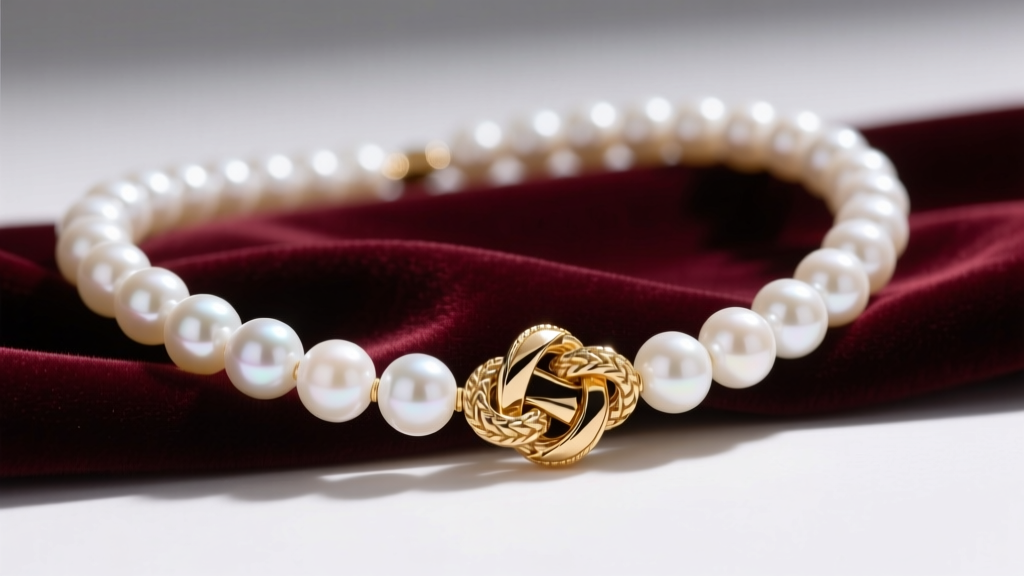
Owning a giant pearl necklace—typically defined as strands featuring pearls 13mm to 20mm in diameter—is a masterclass in luxury. Whether you are wearing South Sea, Edison, or high-grade freshwater baroques, the visual impact is undeniable. However, the sheer mass of oversized nacre introduces a unique set of structural and styling problems. Standard jewelry stringing techniques simply cannot handle the physics of giant pearls, leading to stretched threads, catastrophic clasp failures, and awkward neckline drag.
If your prized strand is sagging, breaking, or sitting poorly against your collarbone, this comprehensive troubleshooting guide will help you diagnose the failure points and implement professional-grade solutions.
The Physics of Oversized Nacre: Why Standard Stringing Fails
To understand why your giant pearl necklace is failing, you must look at the math. Nacre has a density of approximately 2.7 g/cm³. Because volume increases cubically with diameter, a seemingly small jump in millimeter size results in a massive weight increase.
- 10mm pearl: ~1.4 grams
- 12mm pearl: ~2.4 grams
- 14mm pearl: ~3.9 grams
- 16mm pearl: ~5.8 grams
A standard 18-inch necklace holds roughly 32 pearls. If you are stringing 14mm Edison pearls, the pearls alone weigh over 125 grams (4.4 ounces)—and that excludes the heavy metal clasp. Traditional Size F or G silk thread (0.35mm to 0.40mm), which is perfectly adequate for 8mm Akoya pearls, will stretch, degrade, and eventually snap under this continuous 125g+ load. As of 2026, master stringers have largely abandoned pure silk for giant pearls, shifting toward modern synthetic alternatives that mimic the drape of silk but offer superior tensile strength.
Diagnosing and Fixing Thread and Knot Failures
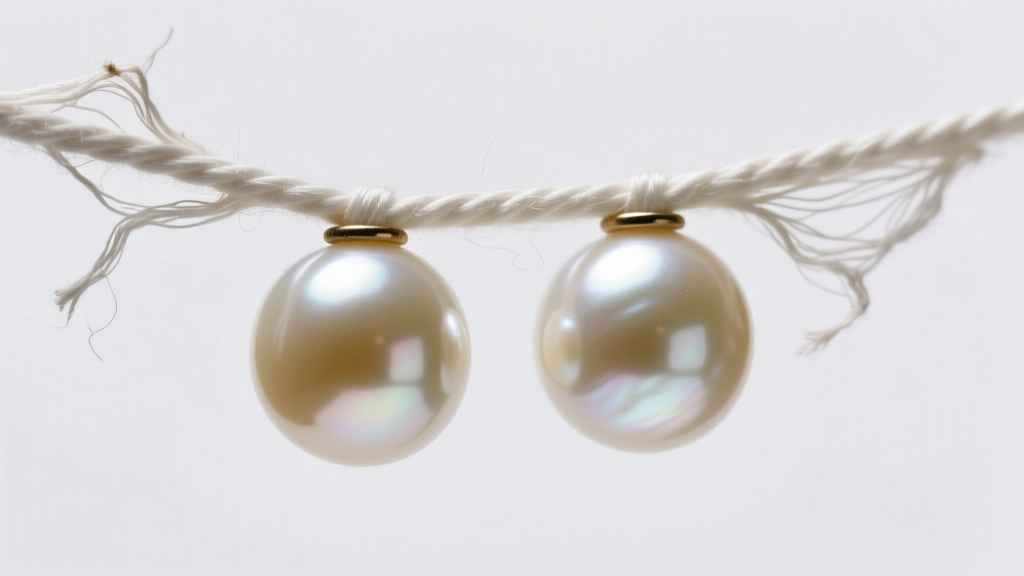
If you notice gaps forming between the pearls, or if the thread appears fuzzy and frayed near the drill holes, your necklace is in immediate danger of breaking.
The Drill Hole Friction Problem
Giant pearls require larger drill holes, typically 1.5mm to 2.0mm, to accommodate thicker stringing materials. If a jeweler attempts to string a 16mm pearl using standard 0.40mm silk, the knot will simply pull right through the oversized drill hole, causing the strand to collapse.
The Solution: UHMWPE Cords and French Wire
To properly restring a giant pearl necklace, you must upgrade the core material and protect the termination points.
- Switch to UHMWPE: Use micro-braided Ultra-High-Molecular-Weight Polyethylene (often sold under brand names like Dyneema or Griffin Powercord in 0.8mm to 1.0mm thicknesses). These cords offer the soft drape of silk but possess a tensile strength capable of holding over 50 lbs of dead weight.
- Oversized Knots: If the drill holes are exceptionally wide (2.0mm+), stringers must use a "knot-over-knot" technique or insert tiny silicone micro-beads inside the knot to prevent it from slipping through the nacre.
- Mandatory French Wire: Also known as gimp, this microscopic coiled wire must be used at the clasp termination. The metal clasp rubbing against the cord during wear acts like a saw; French wire takes the abrasion, protecting your heavy-duty cord from snapping at the weakest point.
Clasp Failure Points and Heavy-Duty Upgrades
The clasp is the most frequent point of catastrophic failure on a giant pearl necklace. Standard lobster clasps and spring-rings are designed for lightweight chains, not 130-gram pearl strands. The tension will warp the metal, bend the jump rings, or cause the internal spring mechanism to fatigue and pop open.
When upgrading your clasp, you must match the hardware to the exact weight of your strand. According to structural guidelines referenced by experts at Pearl Paradise, heavy strands require multi-point locking mechanisms.
| Clasp Type | Max Weight Capacity | Verdict for Giant Pearls (14mm+) |
|---|---|---|
| Lobster / Spring Ring | ~40 grams | Avoid. High risk of bending and accidental unclasping. |
| Neodymium Magnetic | ~80 grams | Risky. Strong pull, but lateral sliding can cause detachment on heavy strands. |
| Screw Ball Clasp | ~100 grams | Fair. Good for 12mm pearls, but threads can strip under 14mm+ tension. |
| Box Clasp w/ Safety Catch | 150+ grams | Excellent. The tongue-and-groove mechanism bears the load, not the latch. |
| Double Safety Filigree | 200+ grams | Best. Essential for 16mm+ South Sea or heavy baroque strands. |
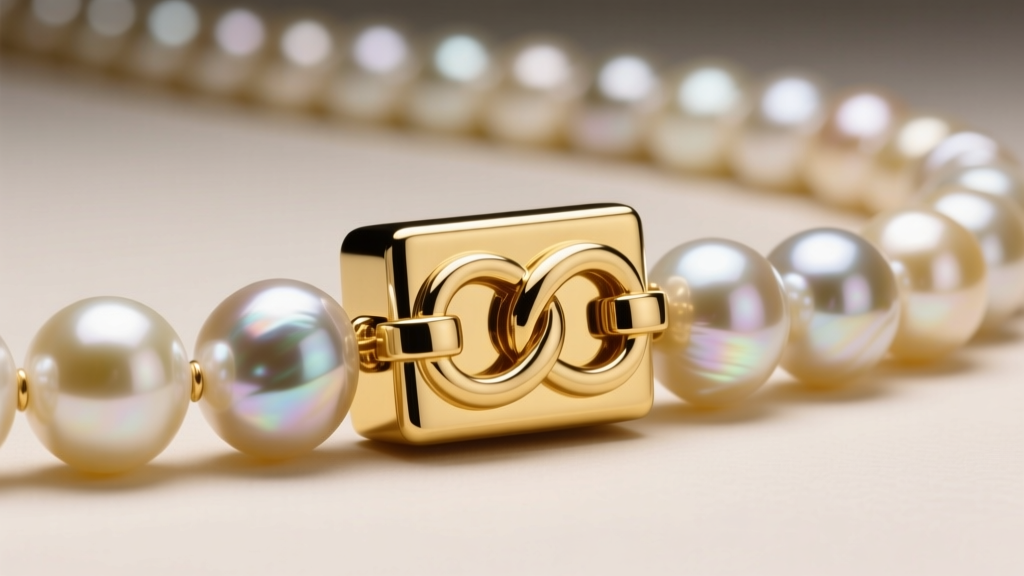
Pro Tip: Always ensure your jump rings are soldered closed. An open jump ring, no matter how thick the gauge, will slowly pull apart under the pendulum-like swinging motion of a heavy pearl necklace.
Solving Neckline Drag and Fit Imbalances
Beyond structural integrity, giant pearls present a distinct styling problem: "neckline drag." Because the front of the necklace is incredibly heavy, it pulls the back of the necklace tight against the nape of your neck, choking the wearer and causing the pearls to sit awkwardly high on the collarbone rather than draping elegantly.
The Counterweight Framework
To solve this, master jewelers employ a counterweight technique. By adding a decorative, weighted element to the back of the necklace (near the clasp), you balance the center of gravity.
- The Heavy Clasp: Using a solid 18k gold box clasp that weighs 8-10 grams acts as a natural counterweight.
- The Back Pendant: Adding a diamond-accented gold charm or a secondary smaller pearl drop to the clasp ring pulls the strand backward, allowing the giant front pearls to settle perfectly into the clavicle hollow.
Adjusting for Diameter
Never buy or string a giant pearl necklace in a 16-inch choker length unless it is custom-fitted. The 15mm diameter of the beads means the inner circumference of the necklace is significantly smaller than the outer circumference. A strand that measures 18 inches on the outside may fit like a 16.5-inch choker on the inside. For giant pearls, always opt for a 19-inch or 20-inch "matinee" length to ensure the drape is not compromised by the bead thickness.
Maintenance and Nacre Preservation
Giant pearls, particularly Edison and South Sea varieties, possess incredibly thick nacre layers. While this makes them durable against chipping, the large drill holes create a trap for acidic sweat, lotions, and dead skin cells. Over time, this buildup degrades the stringing material from the inside out and can cause a foul odor.
"Pearls are organic gemstones that require specific care to maintain their luster and structural integrity. Always avoid ultrasonic cleaners, which can fracture the nacre of large pearls, and never submerge a knotted pearl strand in water, as the wet silk or synthetic cord will stretch and trap moisture against the drill holes." — Gemological Institute of America (GIA)
Your Maintenance Routine:
- After every wear, wipe the pearls with a damp, lint-free microfiber cloth to remove body oils.
- Use a soft, dry interdental brush (the kind used for braces) to gently sweep out the drill holes where grime accumulates.
- Store the necklace flat in a soft pouch. Never hang a giant pearl necklace on a jewelry stand; the constant downward pull of gravity will permanently stretch the cord over time.
- Schedule a professional restringing every 18 to 24 months if worn weekly, regardless of whether the cord looks frayed. Preventative maintenance is vastly cheaper than replacing a lost 16mm South Sea pearl.
By respecting the unique physics of oversized nacre and upgrading your stringing materials, clasps, and balancing techniques, your giant pearl necklace will remain a secure, breathtaking staple in your collection for decades.


