Dainty Heart Necklace Gold: 2026 Budget & Value Guide
Discover how to evaluate a dainty heart necklace gold piece in 2026. Compare 14k vs 18k, vermeil, and plated options with our expert budget and value guide.

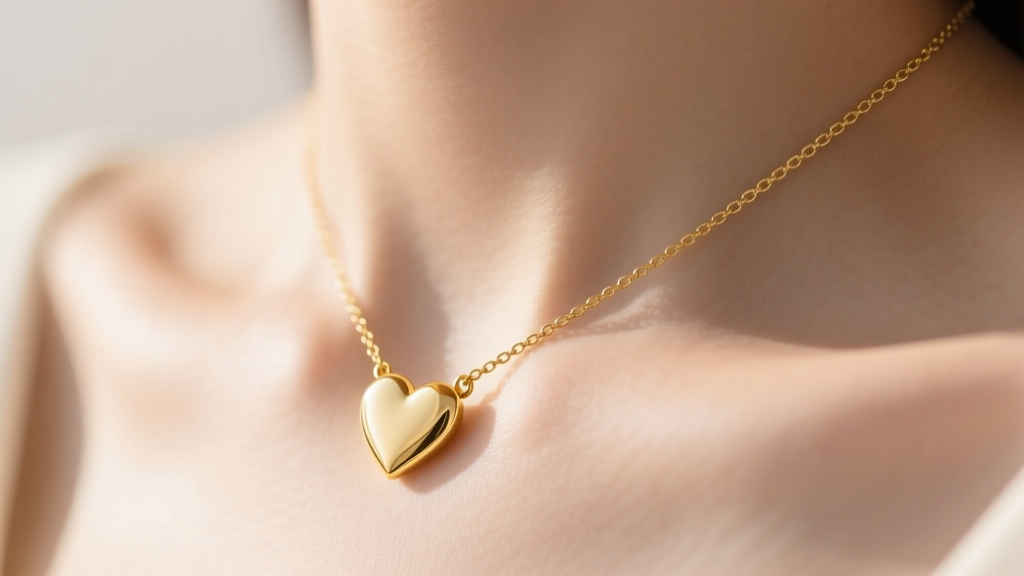
The True Cost of a Dainty Heart Necklace Gold Piece in 2026
The appeal of a minimalist, romantic pendant has cemented the dainty heart necklace as a staple in modern jewelry wardrobes. However, as gold prices continue to fluctuate and direct-to-consumer brands flood the market, evaluating the true value of these delicate pieces has become increasingly complex. In 2026, consumers are moving away from disposable fast-fashion jewelry and leaning heavily into investment-minded purchasing. But how do you determine if a delicate gold heart pendant is a genuine heirloom-in-the-making or an overpriced piece of plated brass?
When assessing a dainty heart necklace, gold purity, chain gauge, and clasp mechanics are the primary drivers of both price and longevity. This comprehensive budget and value guide will dissect the metallurgical realities, pricing tiers, and cost-per-wear metrics you need to know before making your next purchase.
Material Breakdown: Solid Gold vs. Plated vs. Vermeil
The most critical factor in your budget assessment is the base material. The terminology used by jewelry brands can be intentionally misleading, making it vital to understand the exact standards set by the Federal Trade Commission (FTC) Jewelry Guides. Here is how the most common materials stack up when applied to delicate heart pendants.
Solid 14k vs. 18k Gold
According to the Gemological Institute of America (GIA), pure 24k gold is far too soft for everyday jewelry. For a dainty chain—often measuring less than 1.2 millimeters in thickness—tensile strength is paramount. 18k gold (75% pure gold) offers a richer, deeper yellow hue but is inherently softer. An 18k gold cable chain at 0.9mm thickness is highly susceptible to stretching, kinking, and eventual snapping under minor torque. Conversely, 14k gold (58.3% pure gold) is alloyed with higher percentages of copper, silver, and zinc. This specific alloy composition significantly increases the metal's work hardening and tensile strength, making 14k the superior, more durable choice for ultra-dainty chains that endure daily wear.
Gold Vermeil vs. Standard Gold Plated
If solid gold is outside your current budget, vermeil is the next best alternative. By FTC definition, gold vermeil must consist of a sterling silver base that is plated with a minimum of 2.5 microns of 10k, 14k, or 18k gold. Standard "gold plated" jewelry, however, often utilizes a brass or copper base with a flash plating of less than 0.5 microns. Flash-plated heart necklaces will inevitably tarnish, turn the skin green, and lose their luster within months of daily wear, rendering them a poor long-term value.
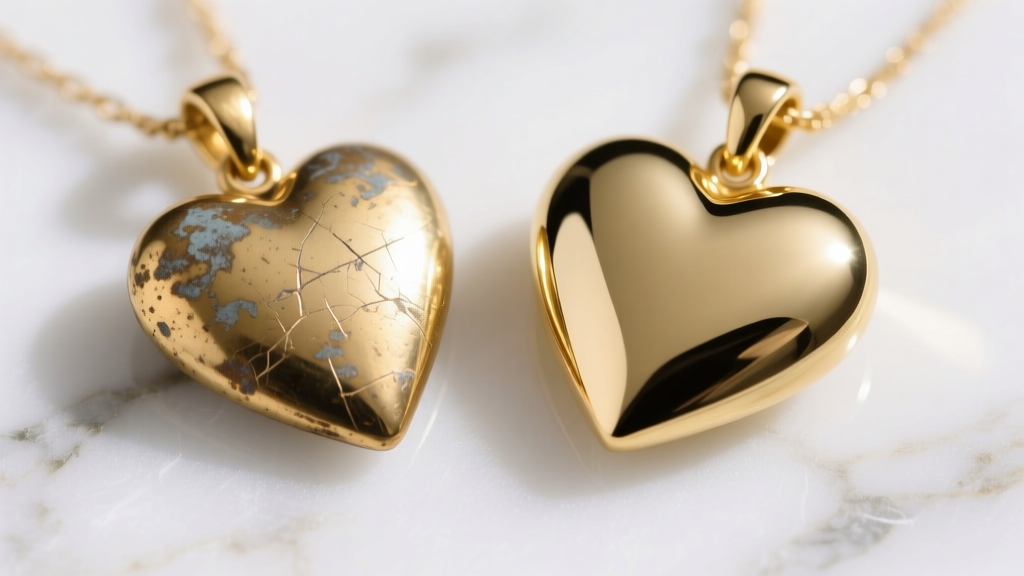
Material Value & Lifespan Matrix
| Material Type | Base Metal | Gold Thickness / Purity | Expected Lifespan (Daily Wear) | 2026 Avg. Price Range |
|---|---|---|---|---|
| Flash Plated | Brass / Copper | < 0.5 microns | 3 - 6 Months | $25 - $55 |
| Gold Vermeil | Sterling Silver (925) | 2.5+ microns (usually 14k/18k) | 1 - 3 Years | $75 - $140 |
| Solid 10k Gold | Gold Alloy | 41.7% Pure Gold | Lifetime (Prone to dullness) | $120 - $180 |
| Solid 14k Gold | Gold Alloy | 58.3% Pure Gold | Lifetime (Heirloom Quality) | $190 - $350 |
| Solid 18k Gold | Gold Alloy | 75.0% Pure Gold | Lifetime (Requires careful handling) | $400 - $750+ |
Chain Gauge and Clasp Mechanics: Where Dainty Necklaces Fail
A common mistake buyers make when evaluating a dainty heart necklace is focusing entirely on the pendant while ignoring the chain and clasp. The mechanical failure points of delicate jewelry almost always occur at the connections.
Understanding Chain Gauges
Chain thickness is measured in millimeters. A truly "dainty" chain usually falls between 0.8mm and 1.2mm. At 0.8mm, a standard cable chain is highly vulnerable to catching on hair or clothing, which can pull the links apart. For maximum durability in a dainty profile, opt for a box chain or a rope chain in the 1.0mm to 1.2mm range. Box chains feature interlocking square links that lay flat and resist kinking, offering vastly superior structural integrity compared to oval-link cable chains of the exact same weight and thickness.
The Clasp Conundrum
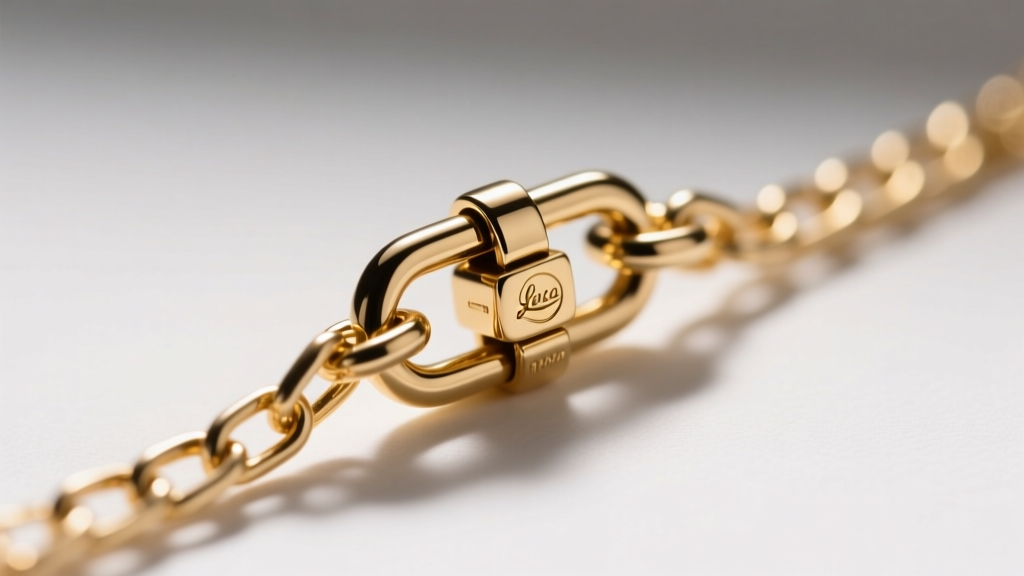
Many mass-market brands equip delicate necklaces with spring ring clasps to cut costs. Spring rings rely on a tiny internal steel spring that frequently loses tension or breaks over time. Furthermore, they are notoriously difficult to fasten without a third hand. When investing in a solid gold piece, always verify that the necklace features a lobster clasp. A small 10mm or 12mm solid gold lobster clasp provides a secure, self-closing lock mechanism that drastically reduces the risk of losing your pendant to an accidental unhooking.
Pricing Tiers: What Should You Actually Pay?
In 2026, the jewelry market is distinctly segmented. Understanding these tiers prevents you from overpaying for branded plated jewelry or underestimating the fair market value of solid gold.
- The Fast-Fashion Tier ($25 - $60): Typically brass or copper bases with flash plating. The heart pendant may be hollowed out or cast with high porosity. Value assessment: Poor. You are paying for a temporary accessory that will likely end up in a landfill within a year.
- The Direct-to-Consumer Vermeil Tier ($75 - $140): Brands in this space offer heavy gold vermeil over sterling silver. This is an excellent budget-friendly entry point for trend-driven styles. Value assessment: Moderate. Good for a few years of careful wear, but eventually requires replating.
- The Accessible Fine Jewelry Tier ($190 - $350): This is the sweet spot for solid 14k gold. At this price point, you are paying for the intrinsic melt value of the gold, plus a fair markup for labor, casting, and secure lobster clasps. Value assessment: Excellent. This tier offers the best cost-per-wear ratio.
- The Heritage / Luxury Tier ($500+): Solid 18k gold, often featuring hand-set diamond accents or intricate enamel work on the heart pendant. Value assessment: High intrinsic value, but you are paying a premium for brand prestige and artisanal craftsmanship.
Cost-Per-Wear Analysis: The Ultimate Value Metric
To truly assess the budget viability of a dainty gold heart necklace, financial experts and stylists recommend using the Cost-Per-Wear (CPW) formula. The equation is simple: Total Cost ÷ Estimated Number of Wears = CPW.
Consider a $45 gold-plated brass heart necklace. If the plating degrades after 6 months of daily wear (approx. 180 wears), your CPW is $0.25 per wear. Now, consider a $280 solid 14k gold heart necklace. Because it is impervious to water, sweat, and tarnish, you can wear it every single day for 10 years (3,650 wears). Your CPW drops to $0.07 per wear. Furthermore, the solid gold piece retains a residual scrap and resale value that the plated piece entirely lacks. When viewed through the lens of CPW, allocating a higher upfront budget to solid 14k gold is mathematically the most frugal choice.
Final Verdict: Maximizing Your Budget in 2026
If your budget is strictly under $100, seek out reputable brands that explicitly guarantee a minimum of 2.5 microns of gold over a sterling silver base, and commit to removing the necklace before showering or swimming to preserve the plating. However, if you can stretch your budget to the $200–$300 range, prioritize a solid 14k gold heart pendant on a 1.0mm box chain with a secure lobster clasp. By focusing on metallurgical durability and structural mechanics rather than brand hype, you will secure a timeless, resilient piece that offers unmatched long-term value.


