White Gold Necklace 14k: True Value & Cost Breakdown
Is a white gold necklace 14k worth your budget? We break down current pricing, rhodium maintenance costs, and alloy durability for smart jewelry buyers.

The Metallurgy of Value: What You Are Actually Buying
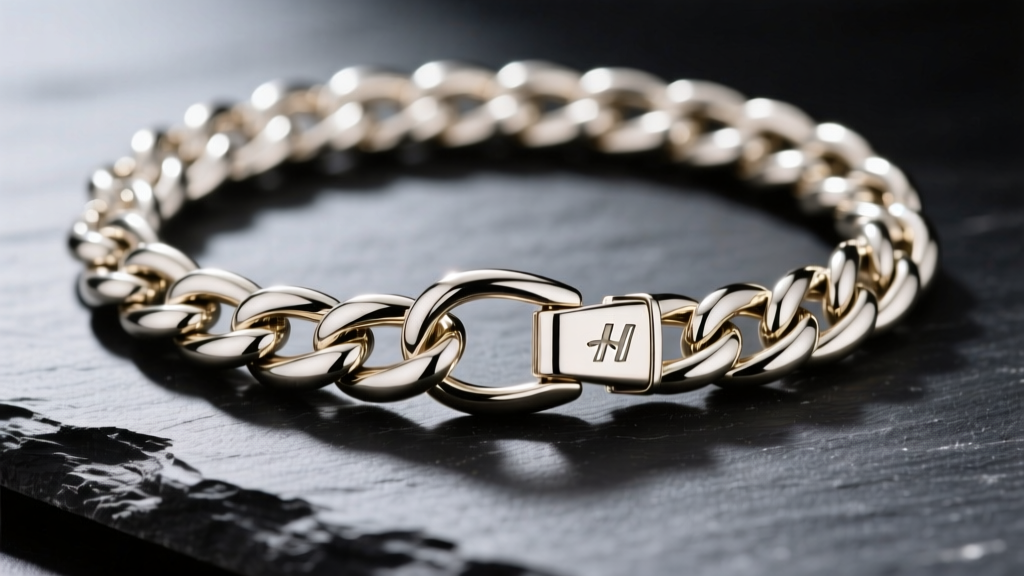
When evaluating a white gold necklace 14k, the first step in any serious budget assessment is understanding the metallurgy. Pure 24k gold is too soft for daily wear, which is why it is alloyed with other metals. A 14k designation means the piece contains exactly 58.3% pure gold, with the remaining 41.7% comprised of strengthening alloys. In the case of white gold, these alloys typically include nickel, manganese, silver, or palladium. According to the Gemological Institute of America (GIA), the specific alloy mix dictates not only the color but the structural integrity and hypoallergenic properties of the chain.
From a value perspective, 14k white gold is the undisputed sweet spot for everyday necklaces. It offers significantly higher scratch resistance than 18k white gold (which is 75% pure gold and therefore softer) while costing roughly 30% to 40% less than a comparable platinum chain. However, budget-conscious buyers must understand that the natural color of 14k white gold is not a brilliant, mirror-like white. Left unplated, it exhibits a faint, warm grayish-yellow hue due to the underlying gold content. This brings us to the most critical hidden cost in white gold ownership.
2026 Market Pricing: What Should a 14k White Gold Necklace Cost?
To determine if you are getting a fair deal on a white gold necklace 14k, you must separate the intrinsic melt value from the retail manufacturing markup. With gold spot prices fluctuating, smart buyers in 2026 use a simple formula: calculate the gram weight, multiply by the current 14k scrap price (roughly 58.3% of the pure gold spot price, which you can track via Kitco Gold Charts), and then add a reasonable manufacturing premium. Machine-made chains like cables carry a lower premium (often 1.5x to 2x melt value), while intricate, hand-finished rope chains command higher markups (2.5x to 4x melt value).
| Chain Style | Average Weight (18-inch) | Estimated Melt Value | Fair Retail Range (2026) |
|---|---|---|---|
| Cable Chain | 4.5 - 6.0 grams | $195 - $260 | $350 - $550 |
| Curb Chain | 7.0 - 10.0 grams | $305 - $435 | $550 - $850 |
| Figaro Chain | 6.5 - 9.0 grams | $280 - $390 | $500 - $750 |
| Rope Chain | 10.0 - 15.0 grams | $435 - $650 | $850 - $1,400 |
Note: Melt values are estimates based on a pure gold spot price of roughly $75/gram. Retail ranges reflect fair market prices from reputable online jewelers, excluding luxury brand premiums.
The Hidden Maintenance Tax: Rhodium Plating
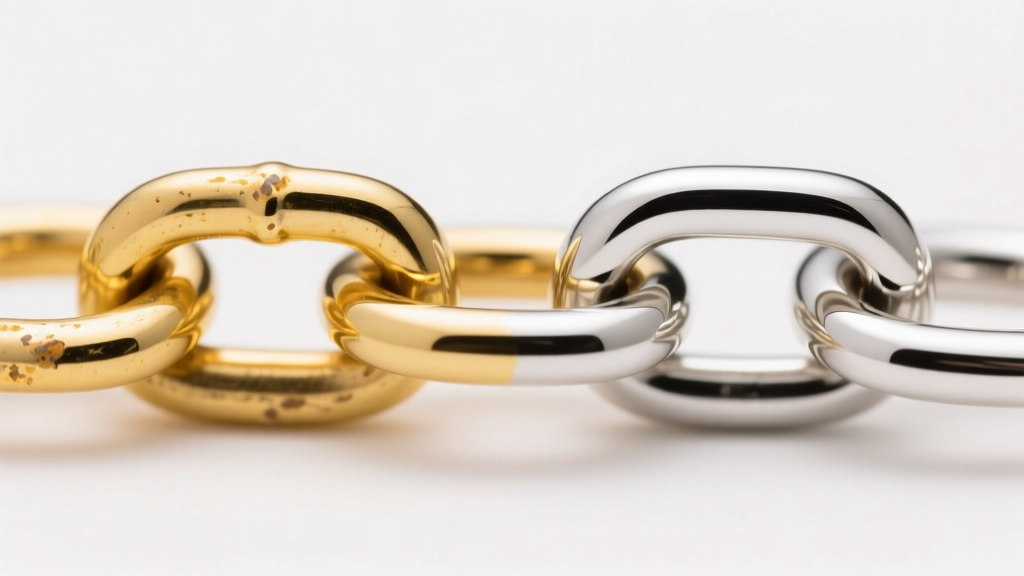
Many first-time buyers are caught off guard by the maintenance required to keep a white gold necklace looking pristine. Because the natural alloy is slightly yellowish, the jewelry industry relies on rhodium plating—a rare, incredibly hard, and brilliant white metal from the platinum family—to give 14k white gold its signature icy finish.
Replating Frequency and Cost
Rhodium is not permanent. On a necklace, friction from clothing, skin pH levels, and cosmetic products will eventually wear the plating away, revealing the faint yellow undertone of the 14k alloy beneath. For a necklace (which experiences less friction than a ring), you can expect to need replating every 2 to 4 years. The cost for a professional jeweler to polish and replate a standard 18-inch chain typically ranges from $60 to $120. When calculating the long-term value of your purchase, you must factor in this recurring maintenance tax. If you want a white metal that requires zero plating maintenance, you must either upgrade your budget to platinum or switch to sterling silver, though the latter lacks the prestige and durability of gold.
Solid vs. Hollow: The Weight Deception
When shopping for a white gold necklace 14k, especially in thicker widths (4mm and above), you will inevitably encounter "hollow" or "semi-solid" chains. These are manufactured using a thin tube of 14k gold over a resin or base metal core, or by using extremely thin gold walls.
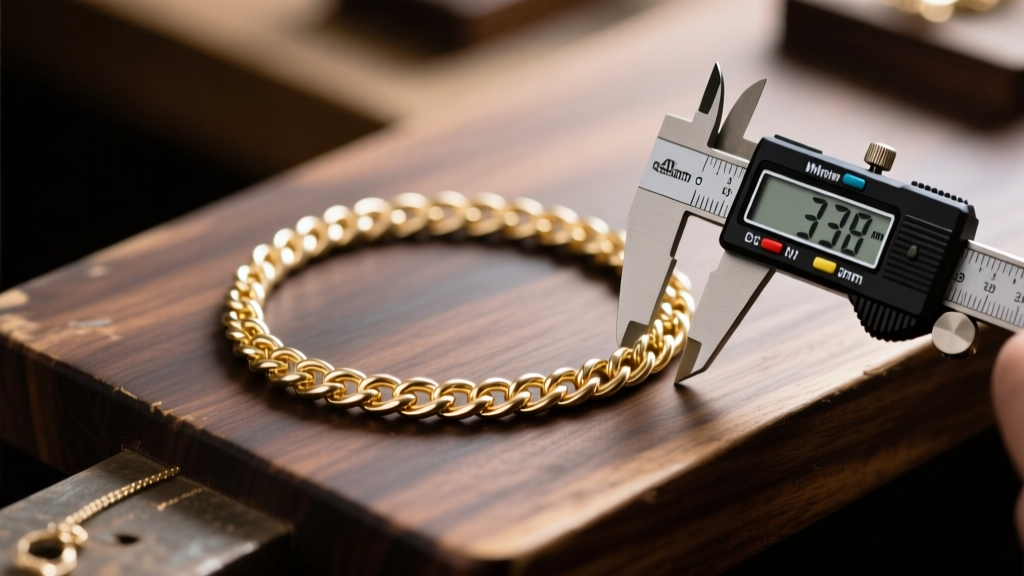
From a strict budget perspective, hollow chains are alluring. They offer the visual footprint of a $2,000 solid chain for a mere $400. However, as the Federal Trade Commission (FTC) Jewelry Guides warn regarding deceptive weight practices, hollow chains represent a massive long-term value trap. They are highly susceptible to denting, kinking, and crushing. Worse, if a hollow chain snaps, it is virtually impossible for a jeweler to solder it back together without leaving a weak, visible seam. For a piece of jewelry meant to hold a valuable diamond pendant, a hollow chain is a catastrophic failure point waiting to happen. Always verify the gram weight; if a 5mm curb chain weighs only 8 grams, it is hollow. A solid 5mm curb chain should weigh closer to 25 grams.
Furthermore, when evaluating the hardware, always insist on a solid 14k lobster clasp rather than a spring ring clasp. Spring rings are prone to internal spring failure and can easily snap under the weight of a pendant, leading to devastating losses.
14k White Gold vs. Platinum: The Ultimate Budget Showdown
To truly assess the value of a 14k white gold necklace, we must compare it to its closest premium alternative: platinum. Platinum is typically 95% pure, naturally white (requiring no rhodium), and significantly denser. However, platinum is notoriously difficult to cast and polish, driving up manufacturing costs.
- Upfront Cost: A solid 14k white gold chain will cost roughly 35% to 50% less than the exact same design in platinum.
- Maintenance: Platinum develops a "patina" (a satin, scratched finish) over time and requires occasional polishing, but never needs rhodium replating. 14k white gold requires replating but holds a higher polish longer due to rhodium's extreme hardness.
- Durability: Platinum is malleable; it bends and displaces rather than chipping. 14k white gold is harder and more rigid, making it excellent for holding heavy pendants securely without stretching.
Additionally, platinum's density means a chain of the exact same dimensions will weigh about 60% more than its 14k gold counterpart, which some wearers find uncomfortable for everyday, all-day use.
Final Verdict: Is It Worth the Investment?
A white gold necklace 14k remains one of the most intelligent purchases in the fine jewelry market for buyers balancing luxury, durability, and budget. It provides the structural rigidity needed to safely suspend heavy diamond or gemstone pendants, and its 58.3% gold content ensures it retains intrinsic scrap value that gold-plated or vermeil alternatives simply cannot match.
To maximize your budget, prioritize solid construction over hollow weight-savers, opt for classic machine-made styles like the cable or curb to minimize manufacturing markups, and establish a relationship with a local bench jeweler who offers competitive rates for rhodium replating. By understanding the metallurgy and the true cost of ownership, you can confidently invest in a 14k white gold chain that will serve as a versatile, high-value staple in your wardrobe for decades.


