Material Guide: Choosing The Best You Are Loved Necklace
Discover the best metals for a you are loved necklace. We compare sterling silver, gold vermeil, and surgical steel for durability and sensitive skin.

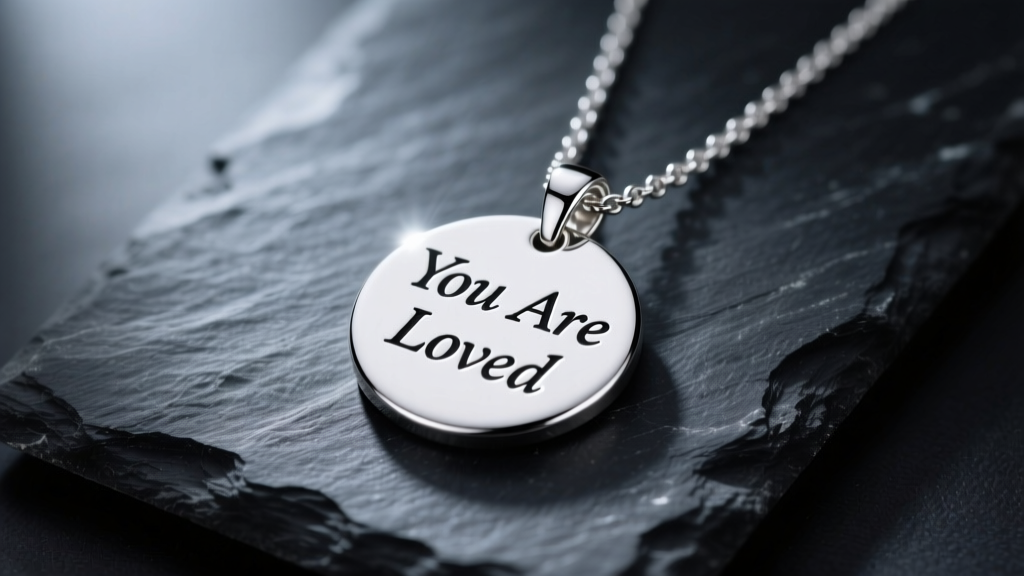
The Anatomy of a "You Are Loved" Necklace
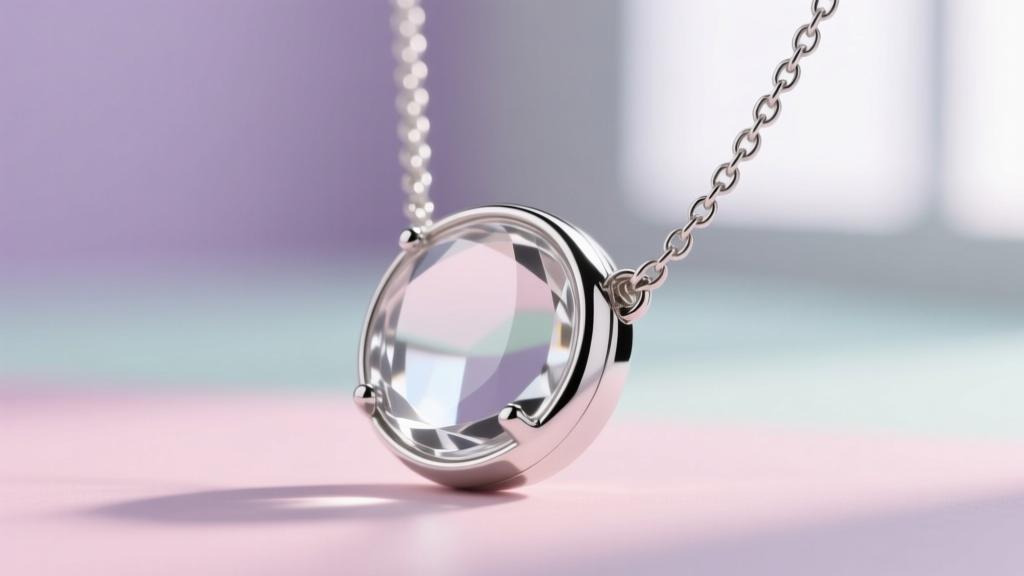
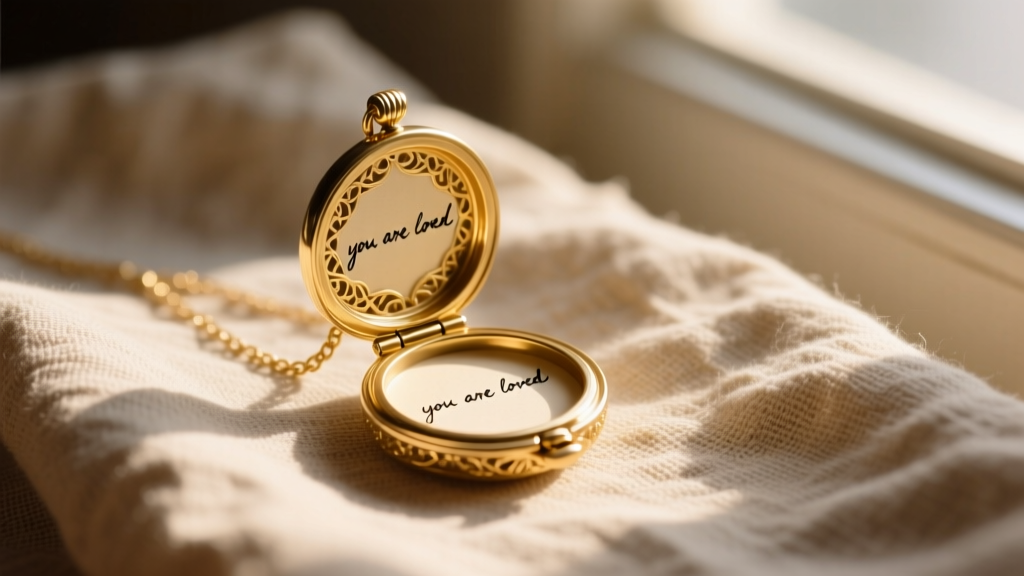
The "you are loved necklace" has become a defining staple in sentimental jewelry, spanning several distinct structural designs. Whether you are looking at a projection necklace (where a micro-engraved stone reveals the message when light passes through), a hidden-message locket, or a direct laser-engraved pendant, the emotional weight of the piece is only as enduring as its metallurgy. In 2026, the market is flooded with visually identical pendants that vary wildly in material integrity. Understanding the base metals, plating thicknesses, and hardware mechanics is critical to ensuring your sentimental piece survives daily wear without tarnishing, snapping, or causing contact dermatitis.
Base Metals vs. Plated: What You Are Actually Wearing
The longevity of any pendant necklace is dictated by its core material and surface treatment. Here is a deep dive into the three most common metals used in these specific sentimental designs.
Sterling Silver (925)
Genuine sterling silver is an alloy consisting of 92.5% pure silver and 7.5% copper. According to the Gemological Institute of America (GIA), the addition of copper is necessary for structural hardness, as pure silver is too malleable to hold the intricate laser engravings or bezel settings required for projection stones. However, that same copper reacts with atmospheric sulfur to create silver sulfide—the black tarnish that plagues unworn jewelry. High-quality sterling silver you are loved necklaces are often flash-plated with 0.05 to 0.1 microns of rhodium (a platinum-group metal) to create an inert, highly reflective barrier against tarnish.
Gold Vermeil vs. Flash Plated Brass
If you are purchasing a gold-toned pendant, the terminology matters immensely. The Federal Trade Commission (FTC) strictly defines "gold vermeil" as a sterling silver base coated with a minimum of 2.5 microns of 10k, 14k, or 18k gold. This thickness ensures the plating can withstand years of friction against the skin. Conversely, inexpensive "gold plated" necklaces often use a brass core with a flash plating of just 0.175 to 0.5 microns. Once this microscopically thin layer wears away, the brass core is exposed to skin acids, resulting in rapid copper oxidation that leaves a green residue on the chest and ruins the pendant's structural integrity.
Surgical Stainless Steel (316L)
For those with severe metal sensitivities, 316L surgical steel is the premier choice. The "L" stands for low carbon, and the alloy includes molybdenum, which drastically increases resistance to chloride corrosion (sweat and perfumes). While 316L steel does contain trace amounts of nickel, the chromium oxide layer on its surface effectively traps the nickel. Studies published by the National Center for Biotechnology Information (NCBI) confirm that high-grade 316L steel releases nickel well below the 0.5 µg/cm²/week threshold mandated by the EU Nickel Directive, making it exceptionally safe for prolonged dermal contact.
Material Comparison Chart: Longevity & Skin Reactivity
Use this framework to evaluate the true value of the necklace you are considering. Pricing reflects average market rates for authentic, high-quality pieces in 2026.
| Material Grade | Base Core | Surface / Plating | Tarnish Risk | Hypoallergenic? | Avg. Price Range |
|---|---|---|---|---|---|
| Sterling Silver (925) | 92.5% Ag, 7.5% Cu | Unplated or Rhodium | Moderate (High if unplated) | Mostly (Nickel-free) | $45 - $95 |
| Gold Vermeil | Sterling Silver | 2.5+ µm Gold | Very Low | Yes | $65 - $140 |
| Gold Plated (Standard) | Brass or Copper | <0.5 µm Gold | High (Base metal exposure) | No (Copper/Nickel risk) | $15 - $35 |
| Surgical Steel (316L) | Iron, Chromium, Mo | Solid Alloy / PVD | None | Yes (Meets EU Directive) | $25 - $60 |
The Projection Stone Factor: Glass vs. Resin Bezels
Many "you are loved" necklaces utilize a central projection stone—a nano-etched bead that reveals the hidden message when a phone flashlight is shone through it. The material housing this stone is critical. The bezel must exert precise, continuous pressure to keep the stone seated without cracking it. 316L steel and solid sterling silver are ideal because they possess high tensile strength and can be prong-set or bezel-rolled tightly. Avoid pot metal (zinc alloys) commonly found in cheap novelty necklaces; zinc alloys are brittle, prone to micro-fractures, and will eventually snap, losing the projection stone entirely. Furthermore, ensure the stone itself is optical glass rather than poured resin, as resin yellows and clouds within months when exposed to UV light and skin oils, rendering the hidden message invisible.
Chain Mechanics: Matching the Hardware to the Pendant
The pendant is only half the equation. A heavy glass projection stone or a solid silver locket requires a chain that can handle dynamic tensile stress.
- Box Chains (1.2mm - 1.5mm): The optimal choice for heavy sentimental pendants. The interlocking square links distribute weight evenly, preventing the kinking and structural fatigue seen in other styles.
- Cable Chains (0.9mm - 1.1mm): Suitable only for lightweight, flat laser-engraved discs. They are prone to snapping if subjected to sudden lateral force.
- Snake Chains: Visually sleek but structurally vulnerable. The tightly wound rings easily trap hair and oils, and once bent, a snake chain cannot be repaired and will eventually fracture at the stress point.
Always verify the clasp hardware. A solid lobster clasp with a steel internal spring is mandatory for pendants over 5 grams. Spring-ring clasps frequently fail due to their weak, thin-gauge tension wires.
Care Protocols by Material Grade
Proper maintenance varies drastically by metallurgy. Using the wrong cleaning method can strip plating or cloud projection stones.
- For Sterling Silver: Avoid harsh liquid dips containing thiourea, which strip rhodium plating. Instead, use the aluminum foil and baking soda electrolytic method to reverse silver sulfide tarnish without abrasion.
- For Gold Vermeil: Clean only with a microfiber cloth and mild dish soap. Never use ultrasonic cleaners, as the high-frequency cavitation can delaminate the gold layer from the silver core and shatter internal projection stones.
- For 316L Steel: Highly resilient. Can be safely cleaned with isopropyl alcohol (70% or higher) to dissolve sebum and lotion buildup trapped in the chain links and pendant bail.
Final Verdict: Which Metal Should You Choose?
If you are buying a "you are loved necklace" as a permanent daily-wear piece, 18k Gold Vermeil over a 925 Sterling Silver base offers the best balance of luxury, skin safety, and longevity. For a budget-friendly, indestructible option—especially for younger recipients or those with active lifestyles—316L Surgical Steel provides unmatched corrosion resistance and hypoallergenic security. Avoid flash-plated brass entirely; the sentimental value of the hidden message is quickly overshadowed by the frustration of a deteriorating, skin-irritating metal.


