Alex and Ani Expandable Necklace: A Technical Mechanics Guide
Discover the technical mechanics behind the Alex and Ani expandable necklace, from silicone friction clasps to snake chain metallurgy and repair.

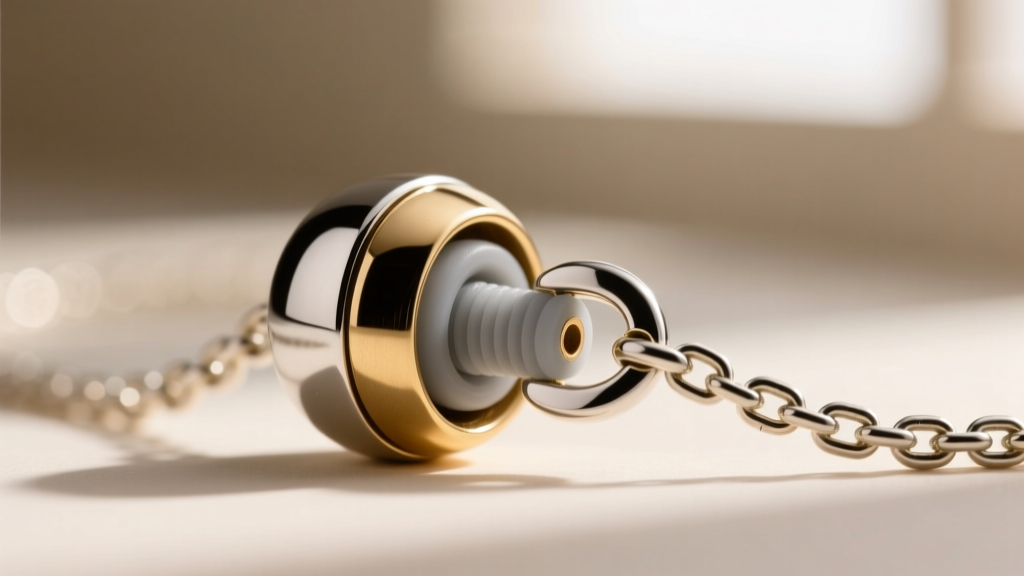
The Engineering Behind the Alex and Ani Expandable Necklace
When evaluating the modern jewelry market, the Alex and Ani expandable necklace stands out not just for its aesthetic versatility, but for its underlying mechanical ingenuity. Unlike traditional necklaces that rely on fixed-length chains and lobster claw clasps, the expandable model utilizes a dynamic friction-slide mechanism. This allows the wearer to adjust the drop length seamlessly from a tight choker (approx. 16 inches) to a long lariat style (up to 28 inches) without the need for jump rings or extender chains.
At the core of this design is a specialized hollow metal bead housing a vulcanized silicone insert. As the chain passes through this bead, the silicone creates a variable static friction grip against the metal links. This tribological interaction is what holds the pendant or decorative element in place against the downward force of gravity. While it appears simple to the consumer, the engineering requires precise tolerances to ensure the chain slides smoothly when manually adjusted, yet locks firmly when released.
Material Science: Chain Metallurgy and Silicone Grips
To understand the longevity of an Alex and Ani expandable necklace, we must examine the metallurgical composition of the chain and the durometer rating of the silicone grip. According to manufacturing standards outlined by Stuller's jewelry manufacturing resources, friction-based findings require a delicate balance between surface hardness and elastic deformation.
The Base Metal and Plating Architecture
Alex and Ani is well-known for its commitment to recycled metals. The base chain is typically forged from C26000 cartridge brass, chosen for its high tensile strength and excellent ductility. However, brass is prone to oxidation and can cause skin discoloration. To mitigate this, the chain undergoes a multi-stage plating process:
- Underplating: A layer of white bronze (a copper-tin-zinc alloy) is applied. This acts as a hypoallergenic barrier and prevents brass migration.
- Top Plating: A final flash of sterling silver or 14k gold provides the desired aesthetic finish.
The Silicone Friction Insert
The internal grip is not standard rubber; it is a vulcanized silicone elastomer. In jewelry manufacturing, these inserts are typically rated at a 70A to 80A Shore A durometer. This specific hardness ensures the silicone is soft enough to compress around the intricate links of a snake or box chain, yet rigid enough to resist tearing under repeated tensile stress.
| Component | Material Specification | Function & Wear Profile |
|---|---|---|
| Base Chain | Recycled Brass (C26000) | High tensile strength, flexible but prone to work-hardening if kinked. |
| Underplate | White Bronze (Cu/Sn/Zn) | Hypoallergenic barrier, prevents brass oxidation from bleeding through. |
| Finish | Sterling Silver or 14k Gold | Aesthetic appeal, subject to friction wear at the slide bead entry point. |
| Friction Insert | Vulcanized Silicone (70A Shore) | Provides variable static friction against the chain links. |
Common Failure Modes and Structural Weaknesses
Despite their clever design, expandable necklaces are subject to specific mechanical and chemical failure modes. Understanding these weaknesses is crucial for both collectors and jewelry repair technicians.
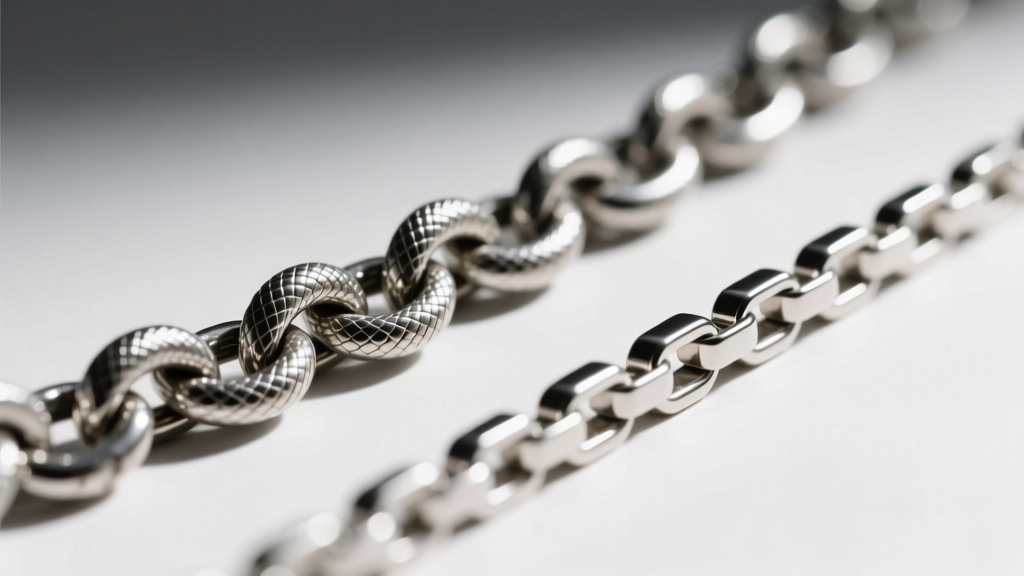
1. Snake Chain Kinking and Plastic Deformation
Many expandable necklaces utilize a snake chain due to its smooth, continuous surface, which glides easily through the silicone grip. However, snake chains are notoriously susceptible to plastic deformation. If the chain is bent sharply past its yield strength, the interlocking links crush together, resulting in a permanent kink. Once kinked, the chain will catch on the silicone insert, causing the slide mechanism to jam or tear the internal O-ring.
2. Silicone Degradation via Chemical Exposure
Silicone is highly durable, but it is not impervious to all chemicals. Prolonged exposure to specific compounds causes the elastomer to swell, soften, and lose its friction coefficient. When this happens, the heavy pendant end of the necklace will slowly slip down the chain, failing to hold the desired length. The primary culprits include:
- Squalane and Sebum: Natural skin oils that build up over months of daily wear.
- Alcohol-based Fragrances: Direct spraying of perfume on the neckline degrades the silicone matrix.
- DEET and Solvents: Bug sprays and harsh makeup removers cause immediate swelling of the 70A Shore insert.
3. Plating Wear at the Friction Point
Every time the necklace is adjusted, the silver or gold plating on the chain rubs against the silicone insert. Over thousands of adjustment cycles, this micro-abrasion strips the top plating away at the exact center of the chain, eventually exposing the white bronze or brass underplate. While not a structural failure, it is a common cosmetic complaint.
Maintenance, Repair, and Longevity Protocols
Proper maintenance of an Alex and Ani expandable necklace requires abandoning traditional jewelry cleaning methods. Rio Grande's technical guides on jewelry findings explicitly warn against using ultrasonic cleaners or harsh chemical dips on pieces containing elastomeric components.
'Ultrasonic cavitation will rapidly accelerate the breakdown of vulcanized silicone inserts, causing them to turn brittle and shatter inside the metal housing. Always use mechanical cleaning methods for friction-slide findings.' — Master Jeweler Bench Manual

Safe Cleaning Protocol
- Preparation: Mix a few drops of pH-neutral dish soap (free of citrus degreasers) with lukewarm water.
- Application: Dip a soft micro-brush or a clean makeup brush into the solution. Gently scrub the chain, avoiding aggressive brushing directly into the slide bead opening.
- Rinsing: Run the chain under a gentle stream of distilled water to remove soap residue, which can otherwise act as a lubricant and reduce the silicone's grip.
- Drying: Pat dry with a microfiber cloth. Allow the chain to air dry completely in a low-humidity environment before wearing, as trapped moisture inside the bead can lead to localized galvanic corrosion.
Restoring a Slipping Clasp
If the necklace no longer holds its length and slips under the weight of the pendant, the silicone insert has likely swollen or worn smooth. In a professional bench setting, a jeweler can use a micro-pick to extract the degraded silicone O-ring and replace it with a fresh, properly sized silicone gasket. This is a highly specialized repair that restores the original factory tension.
Expert Verdict: Is the Expandable Mechanism Worth It?
From a purely technical standpoint, the Alex and Ani expandable necklace represents a triumph of accessible, user-centric engineering. By eliminating the fiddly nature of traditional lobster clasps and tiny jump rings, it solves a genuine functional problem for the end-user. The integration of a white bronze underplate demonstrates a commitment to mitigating the inherent flaws of brass-based fashion jewelry.
However, the reliance on a silicone friction grip introduces a definitive lifespan to the finding. Unlike a solid gold lobster clasp that can last generations, the elastomer insert is a consumable component that will eventually require replacement or succumb to chemical degradation. For buyers who prioritize daily versatility and modern convenience over multi-generational heirloom durability, the expandable mechanism remains an outstanding, well-engineered choice in the contemporary jewelry market.


