The Ultimate Greek Key Necklace Buying Guide (2026)
Discover how to choose the perfect Greek key necklace. Our 2026 buying guide covers metal grades, motif craftsmanship, chain types, and pricing tiers.

The Enduring Appeal of the Meander Motif
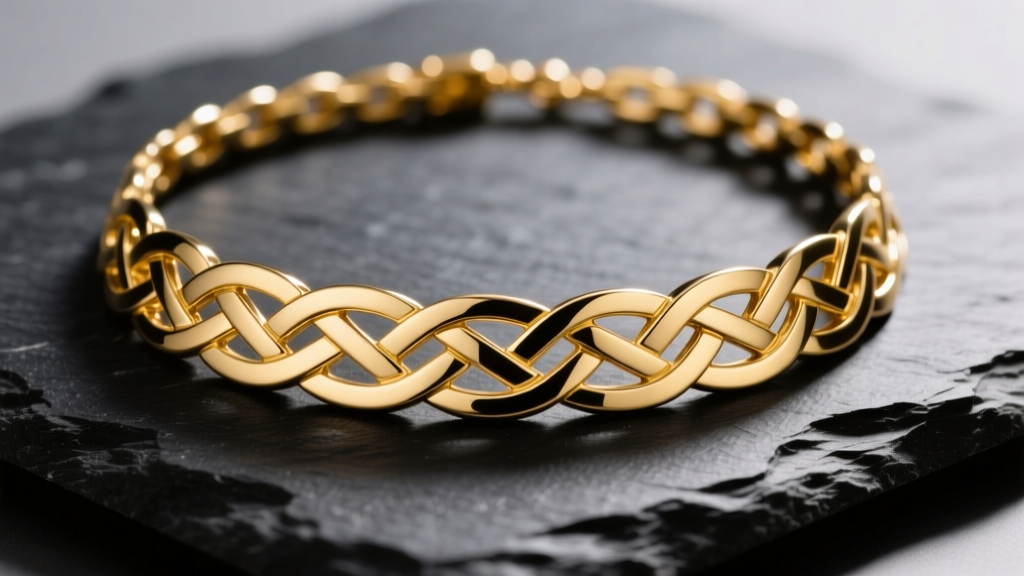
The Greek key, historically known as the Meander motif, is one of the most significant and enduring symbols in jewelry design. Characterized by a continuous, interlocking geometric line that folds back on itself at precise 90-degree angles, it represents infinity, unity, and the eternal flow of life. According to The Metropolitan Museum of Art, the motif draws its name from the Maeander River in present-day Turkey, noted in antiquity for its twisting, labyrinthine path. When shopping for a Greek key necklace in 2026, you are not just buying a piece of metal; you are investing in a millennia-old architectural and artistic tradition. However, because the design relies heavily on sharp geometry and continuous lines, the manufacturing quality can vary drastically from one jeweler to the next.
Decoding Craftsmanship: How the Motif is Made
The defining feature of a high-quality Greek key necklace is the crispness of its corners. The meander pattern requires sharp, exact right angles to maintain its optical illusion of an endless, weaving path. How the metal is formed dictates the longevity and aesthetic of the piece.
- Lost-Wax Casting: Common in mid-tier jewelry. Molten metal is poured into a mold. While cost-effective, cast pieces often suffer from 'muddy' or rounded corners, and the deep grooves can trap polishing compounds. Look out for microscopic porosity (tiny surface pits) along the flat bands.
- Die-Striking: A high-pressure process that compresses metal into a steel die. This results in incredibly sharp, crisp 90-degree angles and a denser, more durable piece of metal. Die-struck Greek key pendants are highly recommended for heirloom quality.
- CNC Machining: Computer Numerical Control milling cuts the pattern directly from a solid block of metal. This is the gold standard for modern, architectural Greek key chains, ensuring every single link is mathematically identical with razor-sharp edges.
Metal Purity and Tarnish Management
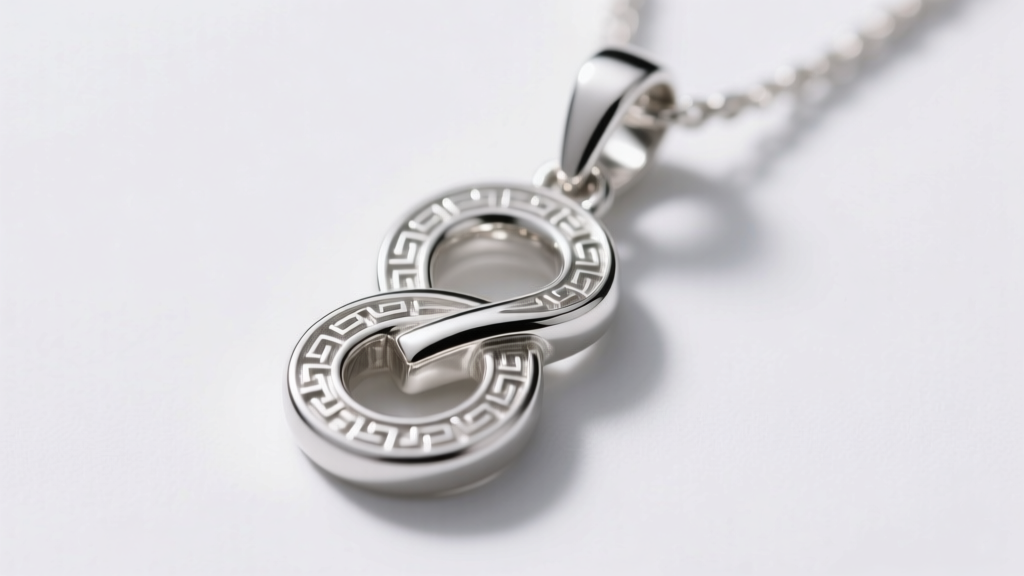
The deep, recessed grooves of the Greek key pattern present a unique metallurgical challenge: they are prime real estate for tarnish, oxidation, and dirt accumulation. According to the Gemological Institute of America (GIA), the alloy mix in your gold or silver will determine how the piece reacts to skin oils and environmental sulfur over time.
Sterling Silver (925) and the Oxidation Factor
Sterling silver will naturally oxidize, and this tarnish will aggressively build up in the tight corners of the meander pattern. Some designers lean into this by applying a deliberate 'black rhodium' or oxidized patina to the recessed areas, creating a striking two-tone contrast that makes the geometric lines pop. If you prefer bright silver, ensure the piece has a heavy 'rhodium flash' (a platinum-family plating) to delay tarnishing. Be aware that polishing a bright silver Greek key necklace requires a specialized brush to reach the inner corners without rounding the edges.
Gold Alloys: 14k vs. 18k
For continuous Greek key chains that are worn daily, 14k gold (58.5% pure gold) is the superior choice. The higher concentration of alloy metals like copper and zinc provides the tensile strength needed to prevent the interlocking links from stretching or warping. Conversely, 18k gold (75% pure gold) offers a richer, warmer yellow hue that beautifully mimics ancient Hellenic artifacts, but it is softer. Reserve 18k gold for solid pendants or station necklaces where the links are not under constant mechanical stress.
Material Comparison Chart
| Metal Grade | Durability | Tarnish Risk | Price Range (2026) | Best Application |
|---|---|---|---|---|
| 925 Sterling Silver | Medium | High (in grooves) | $80 - $450 | Oxidized pendants, occasional wear |
| 14k Yellow/White Gold | High | Very Low | $600 - $2,800 | Everyday continuous link chains |
| 18k Yellow Gold | Medium-High | None | $1,200 - $5,500+ | Luxury pendants, rich historical color |
| Platinum (950) | Very High | None (Develops Patina) | $3,000 - $9,000+ | Heirloom pieces, ultra-crisp edges |
Design Variations: Chain Integration vs. Pendants
When browsing the market, you will encounter three primary structural formats for Greek key necklaces. Your choice should depend on your wardrobe and lifestyle.
1. The Continuous Meander Chain
In this design, every single link in the chain is forged into a Greek key rectangle. This is a masterpiece of jewelry engineering. Because the links are rigid and geometric, they do not drape like a traditional cable or curb chain. Instead, they form a semi-rigid, collar-like structure that sits beautifully against the collarbone. Buying Tip: Check the solder joints on the links. They should be laser-welded to avoid heat damage to the adjacent intricate geometry.
2. The Station Necklace
Station necklaces feature Greek key motifs interspersed along a delicate cable or box chain. This offers a more subtle, modern interpretation of the ancient motif. It is lightweight, highly versatile, and perfect for layering with simpler chains.
3. The Focal Pendant
A single, wide meander band or a circular medallion featuring the motif suspended from a chain. Wide band pendants (often 10mm to 15mm in height) make a bold, architectural statement and are ideal for wearing over solid-colored turtlenecks or crisp button-down shirts.

Enamel and Gemstone Inlays
To elevate the contrast of the geometric lines, high-end jewelers often incorporate inlays. Vitreous enamel (glass fused to metal at high temperatures) is the traditional choice, offering a deep, glossy black or lapis-lazuli blue background that makes the gold or silver 'key' stand out in sharp relief. Avoid 'cold enamel' (essentially colored epoxy resin), which is common in mass-produced pieces; it will scratch, dull, and eventually chip out of the recessed grooves within a few years of daily wear. For gemstone inlays, custom-cut black onyx or lapis lazuli provides a permanent, luxurious contrast.
Clasp Mechanics and Hardware
The clasp on a Greek key necklace is not an afterthought; it is a critical structural component. Because continuous meander chains are heavy and semi-rigid, a standard spring-ring clasp is insufficient and prone to failure.
Expert Rule of Thumb: Any Greek key chain weighing over 15 grams must be secured with a box clasp featuring a double figure-eight safety latch. The box clasp maintains the rigid, geometric line of the necklace without the visual interruption of a bulky lobster claw.
Pricing Tiers: What to Expect in 2026
Understanding the pricing landscape will help you identify true value versus inflated brand markups.
- Entry-Level ($50 - $250): Mass-produced 925 sterling silver, usually cast with slightly rounded edges. Often features cold enamel. Suitable for trendy, seasonal wear.
- Fine Jewelry ($600 - $2,500): Solid 14k gold, die-struck or CNC-milled for sharp edges. Includes secure box clasps and high-quality laser welding. This is the sweet spot for longevity and daily wear.
- Luxury & Designer ($3,000 - $15,000+): 18k gold or platinum, featuring hand-chased details, vitreous enamel, or diamond pavé accents. Brands like Bulgari and specialized Hellenic revivalists dominate this tier, offering museum-quality craftsmanship.
Care and Maintenance of the Grooves
The very nature of the Meander motif means it will trap lotions, perfumes, and skin cells. To clean a Greek key necklace, avoid harsh chemical dips, which can strip rhodium plating or damage enamel. Instead, use a soft-bristled baby toothbrush with a drop of mild dish soap and warm water. Gently agitate the brush into the 90-degree corners. For ultrasonic cleaners, proceed with caution: while safe for plain gold or platinum, the high-frequency vibrations can shatter vitreous enamel or loosen gemstone inlays.
Final Verdict
A Greek key necklace is a powerful intersection of history, geometry, and personal style. By prioritizing sharp manufacturing techniques like die-striking or CNC milling, selecting the appropriate gold alloy for your wear habits, and ensuring the hardware matches the weight of the piece, you will secure a timeless artifact that transcends fleeting jewelry trends. Whether you choose a subtle 14k station chain or a bold, oxidized silver choker, the eternal flow of the meander will remain a staple in your collection for decades to come.
For further historical context on ancient Greek jewelry and motifs, The British Museum offers extensive digital archives detailing the evolution of Hellenic metalwork, providing a deeper appreciation for the pieces we wear today.


