How to Authenticate and Restore a Vintage Opal Pendant Necklace
Learn how to authenticate, clean, and restore a vintage opal pendant necklace with our expert step-by-step guide on identifying doublets and crazing.

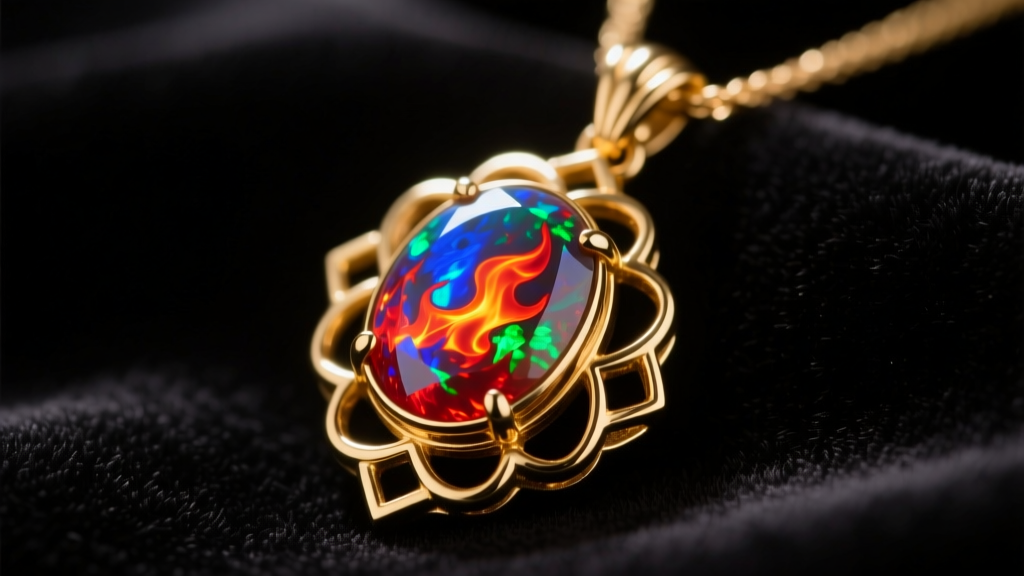
The Allure and Fragility of Vintage Opals
Owning a vintage opal pendant necklace is like possessing a captured piece of history that dances with light. Unlike modern, mass-produced jewelry, vintage opal pendants—particularly those from the Art Deco (1920s-1930s) and Retro (1940s-1950s) eras—feature unique hand-fabricated settings and stones that have aged over decades. However, opals are notoriously delicate. With a Mohs hardness of just 5.5 to 6.5 and a water content ranging from 3% to 21%, they require specialized knowledge to authenticate, clean, and wear safely.
Whether you have inherited a family heirloom or are hunting for antique treasures at estate sales, this step-by-step guide will teach you how to evaluate the structural integrity of the stone, identify the metal setting, and safely restore your pendant to its original glory without causing irreversible damage.
Step 1: Authenticating the Opal (Solid vs. Composite)
The most critical step in evaluating any vintage opal pendant necklace is determining whether the stone is a solid natural opal or a composite (doublet/triplet). During the mid-20th century, composite opals became incredibly popular because they allowed jewelers to use thin slices of precious opal, making them more affordable.
The 10x Loupe Side-Profile Test
To perform this test, you will need a 10x jeweler's loupe. Remove the pendant from its chain and examine the side profile of the stone where it meets the metal setting.
- Solid Opal: The color and texture will be consistent throughout the side profile. You may see natural potch (colorless opal) on the back, but there will be no perfectly straight, unnatural dividing lines.
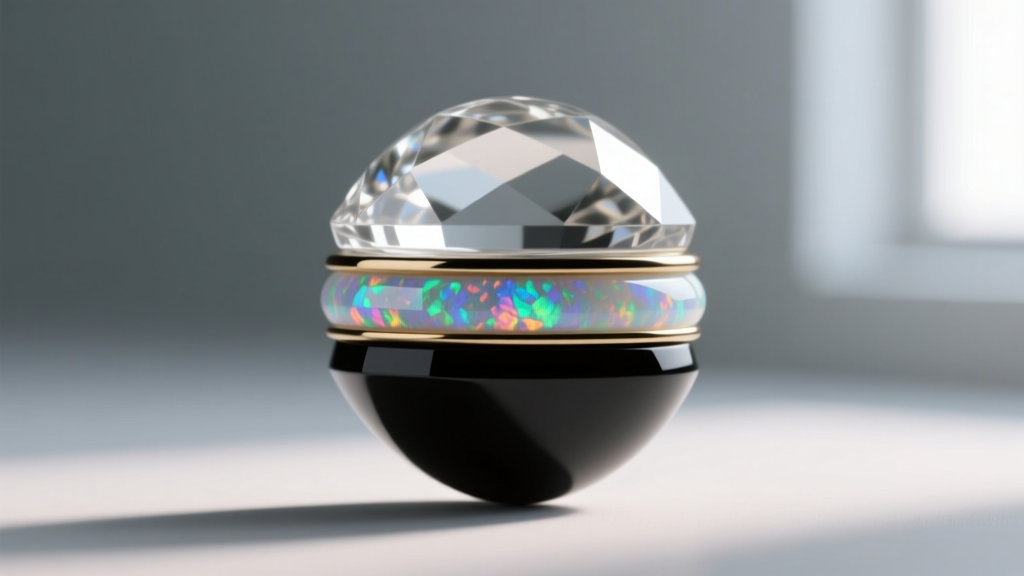
- Doublet: You will see a distinct, perfectly straight glue line separating the thin slice of precious opal from a dark backing (usually black potch, ironstone, or black glass). The dark backing enhances the stone's color play.
- Triplet: You will see two parallel lines. The top layer is a clear, domed cap of quartz or glass, the middle is a paper-thin slice of opal, and the bottom is a dark backing.
| Opal Type | Composition | Vintage Era Popularity | Value Impact |
|---|---|---|---|
| Solid Natural | 100% natural opal (precious + potch) | High (Edwardian, Art Deco) | Highest; highly collectible |
| Doublet | Opal slice + dark backing | High (Mid-Century, Retro) | Moderate; durable but less valuable |
| Triplet | Quartz dome + opal slice + backing | High (1960s-1980s tourist trade) | Lowest; prone to delamination |
| Synthetic (Gilson) | Lab-created silica spheres | Low (Introduced in 1974) | Low; identifiable by 'lizard skin' pattern |
Step 2: Inspecting the Vintage Setting and Bail
Once the stone is authenticated, turn your attention to the metalwork. Vintage settings were often hand-carved or cast using techniques that differ from modern CAD/CAM manufacturing.
Checking Prong Tension and Wear
Opals are highly sensitive to pressure. If a previous owner or an inexperienced jeweler tightened the prongs too much, the stone may have internal stress fractures. Gently run a wooden toothpick around the prongs. If the stone shifts or clicks, the prongs are worn and need professional re-tipping. Never attempt to bend vintage prongs yourself, as older gold alloys (especially 9ct and 14ct) can become brittle over time and snap.
Deciphering Vintage Hallmarks
Look inside the bail (the loop that holds the chain) or on the back of the pendant for hallmarks. According to the Gemological Institute of America (GIA), understanding regional hallmarks is vital for dating the piece. Look for:
- 14K or 585: Standard 14-karat gold, common in American vintage pieces.
- 9ct or 375: 9-karat gold, heavily used in British and Australian vintage jewelry.
- Sterling or 925: Silver, which often develops a desirable dark patina over time.
Step 3: Safe Cleaning and Rehydration Techniques
Cleaning a vintage opal pendant necklace requires abandoning modern jewelry cleaning habits. Ultrasonic cleaners, steamers, and harsh chemical dips will destroy an opal. The high-frequency vibrations of an ultrasonic cleaner can shatter the stone or cause a doublet to delaminate by breaking the adhesive bond.
The Microfiber and Distilled Water Method
- Dust Removal: Use a clean, dry, ultra-soft makeup brush to gently sweep away dust from under the prongs and the bail.
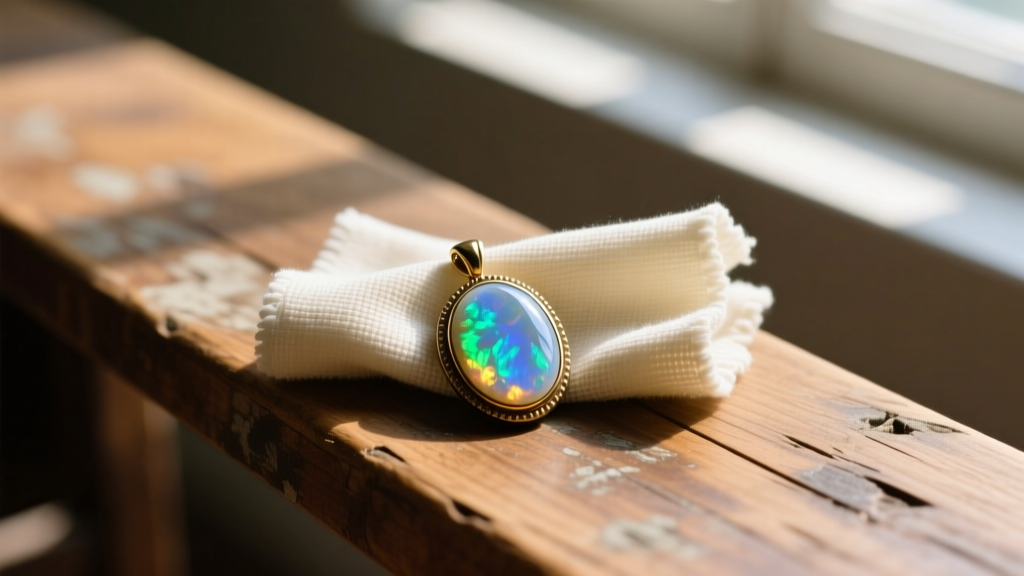
- Surface Cleaning: Dampen a microfiber cloth with distilled water (tap water contains chlorine and minerals that can dull the stone). Wring the cloth out until it is barely damp.
- Gentle Wiping: Wipe the opal gently. Do not soak the stone. As noted by mineralogists at Mindat.org, opals contain structural water; sudden temperature changes or prolonged soaking can lead to 'crazing' (a network of fine cracks).
- Metal Polishing: Use a separate, dry silver or gold polishing cloth for the metal setting. Keep the polishing chemicals away from the opal, as they can strip the stone's natural polish.
Step 4: Choosing the Right Chain for Your Pendant
A common mistake collectors make is pairing a delicate vintage pendant with a modern, heavy chain. Vintage bails typically have a much smaller inner diameter (often between 3mm and 4.5mm) compared to modern pendants.
Chain Gauge and Style Recommendations
To preserve the integrity of the vintage bail and ensure the necklace hangs correctly, match the chain to the pendant's weight and bail size:
- For Art Deco Pendants (Lightweight, small bails): Use a 1.0mm to 1.2mm solid cable chain or a delicate 1.2mm box chain. These slide easily through 3mm bails and won't overpower the geometric design of the pendant.
- For Retro/Mid-Century Pendants (Heavier, larger bails): A 1.5mm to 2.0mm rope chain is ideal. The twisted texture of a rope chain mimics vintage manufacturing styles and provides the tensile strength needed to support a heavier, solid gold setting.
Pro Tip: Always use a spring ring or a small lobster clasp that is proportionate to the chain. A massive modern lobster clasp on a 1.2mm vintage-style chain will pull the necklace backward, causing the pendant to flip upside down constantly.
Expert Troubleshooting: Dealing with 'Crazing'
If you notice a web of fine, spider-like cracks on the surface of your vintage opal, the stone has experienced 'crazing.' This occurs when the opal loses its internal water content too quickly, usually due to being stored in a dry environment (like a safety deposit box or near a heating vent) for decades.
Conservation Warning: Do not attempt the internet 'hack' of submerging a crazed opal in glycerin or oil. While oil might temporarily mask the cracks by filling them with a refractive liquid, it will eventually turn rancid, attract dust, and permanently ruin the stone's optical properties.
If your vintage opal pendant necklace has crazed, the best course of action is stabilization. A professional lapidary can sometimes inject a clear, stable epoxy resin into the cracks to prevent further degradation, though this will classify the stone as 'treated' and lower its monetary value. For minor crazing, simply store the pendant in a sealed velvet pouch with a slightly damp (not wet) cotton ball to maintain a stable humidity level of around 40-50%.
Final Thoughts on Vintage Opal Care
Restoring a vintage opal pendant necklace is an exercise in patience and historical appreciation. By taking the time to authenticate the stone's structure, respecting the fragility of the vintage prongs, and utilizing safe, non-invasive cleaning methods, you ensure that the pendant's fiery play-of-color will survive for another century. Treat your opal not just as a piece of jewelry, but as a living mineral that requires a stable, gentle environment to thrive.


