Bear Claw Necklace Trends 2026: Ethical Luxury & Styling
Discover the 2026 bear claw necklace trend. Explore ethical materials, high-fashion styling tips, and how to layer this bold statement piece.


The Evolution of the Bear Claw Necklace in High Fashion
The bear claw necklace has completely transcended its rustic, souvenir-shop origins to become a focal point of avant-garde and neo-tribal luxury in 2026. No longer confined to braided leather cords and tourist traps, today's iterations are masterclasses in metallurgy, bio-materials, and high-fashion styling. As the fashion industry leans heavily into 'wilderness core' and neo-tribal aesthetics, the bear claw pendant has emerged as the definitive statement piece for designers and style enthusiasts alike. However, this surge in popularity brings critical questions regarding ethical sourcing, material longevity, and proportionate styling. This guide breaks down the anatomy of the modern bear claw necklace, offering actionable insights for collectors and stylists.
Material Alchemy: From Restricted Bone to Bio-Resin and Bronze
Historically, authentic bear claw necklaces were carved from actual Ursidae bone and keratin. Today, strict international wildlife trade regulations, notably outlined by the CITES species database, heavily restrict the commercial trade of real bear parts. This legal and ethical boundary has catalyzed a renaissance in alternative materials that mimic the organic beauty of bone while offering superior durability and ethical peace of mind.
Lost-Wax Cast Recycled Bronze: The premier choice for luxury iterations. Artisans use 3D-scanned molds of naturally shed claws to create wax positives, which are then cast in recycled bronze. The result is a heavy, cold-to-the-touch pendant that develops a rich, personalized patina over time. To prevent the 'green skin' oxidation effect common with raw copper alloys, high-end 2026 releases utilize PVD (Physical Vapor Deposition) titanium nitride coatings, ensuring the bronze remains inert against the skin.
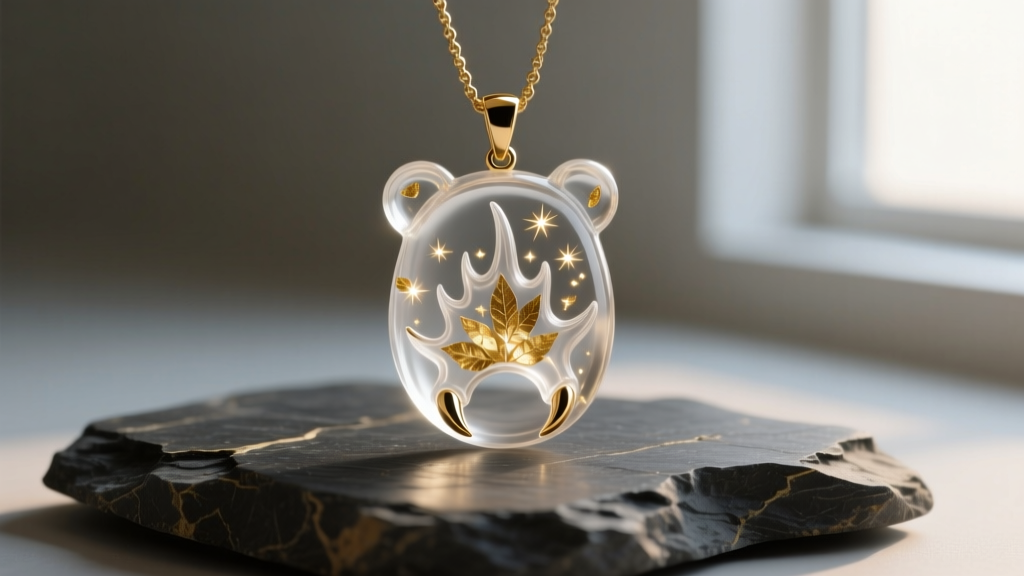
UV-Stable Bio-Resins: For a lighter, more translucent aesthetic, jewelers are turning to plant-based epoxy resins. Unlike cheap polyurethanes that yellow within months, premium bio-resins are infused with UV inhibitors and suspended inclusions like 24k gold leaf or crushed turquoise. These pieces capture the organic, semi-translucent look of polished bone while remaining entirely cruelty-free and aligned with the metrics tracked by the Fashion Revolution Transparency Index.
Hardware and Failure Modes: Engineering the Perfect Bail
A common failure point in heavy pendant necklaces is the hardware connecting the claw to the chain. A standard 50mm bronze bear claw can weigh upwards of 45 grams. Suspending this weight from a delicate jump ring is a recipe for loss.
- The Wrap Bail: The most secure method for thick, organic shapes. A heavy-gauge wire (typically 18-gauge or 1.0mm 925 sterling silver) is tightly wrapped around the base of the claw, distributing the weight evenly and preventing stress fractures in resin or bone alternatives.
- Soldered Jump Rings: If a traditional loop is used, it must be a soldered or welded jump ring. Standard split rings will eventually pull apart under the pendulum motion of a heavy claw pendant.
- Chain Gauge Pairing: Never pair a 40+ gram pendant with a chain thinner than 2.5mm. The tensile strength of a 1.5mm box chain is insufficient for a heavy bronze claw, leading to inevitable link warping.
Proportion and Scale: Choosing the Right Claw Size
The visual impact of a bear claw necklace relies entirely on the relationship between the pendant's scale, the chain's gauge, and the wearer's neckline. Below is a structural framework for selecting the right proportions in 2026.
| Claw Category | Length (mm) | Ideal Chain Gauge | Best Necklines | Styling Vibe |
|---|---|---|---|---|
| Miniature | 15mm - 22mm | 1.0mm - 1.5mm (Cable/Box) | Crew necks, Button-downs | Subtle, Corporate Edge, Layering |
| Standard | 30mm - 45mm | 2.5mm - 3.5mm (Rope/Figaro) | Scoop necks, V-necks | Everyday Statement, Neo-Tribal |
| Oversized | 50mm - 75mm+ | 4.5mm+ (Cuban Link/Leather) | Deep plunge, Asymmetric, Bare | Avant-Garde, Editorial, Runway |
2026 Styling Frameworks: How to Wear the Bear Claw
Styling a bold, organic shape requires a deliberate approach to balance and texture. The modern approach moves away from wearing the claw as a solitary talisman and instead integrates it into a curated stack.
The High-Low Layering Technique
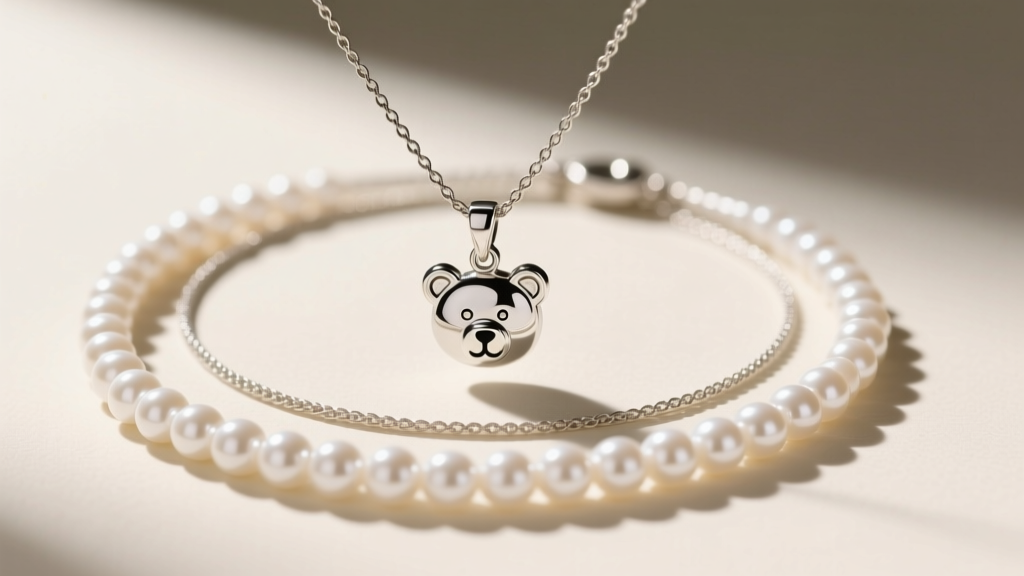
The most prominent trend this year is juxtaposing the rugged, primal energy of the bear claw with refined, traditional luxury elements. To achieve this, utilize the 'rule of thirds' in necklace stacking. Start with a 14-inch pearl or diamond-tennis choker at the collarbone. Follow this with your bear claw necklace on a 20-inch, 2.5mm oxidized silver rope chain, allowing the claw to rest precisely at the sternum. The visual friction between the luminous pearls and the matte, textured metal of the claw creates a sophisticated, high-low dynamic that reads as intentional rather than chaotic.
Evening and Avant-Garde Pairings
For evening wear, the oversized bear claw pendant serves as an alternative to traditional gemstone pendants. Pair a highly polished, 18k gold-plated brass claw with a stark, black silk turtleneck or an asymmetric one-shoulder gown. The key here is negative space; the claw demands the chest area to remain uncluttered by lapels, ruffles, or competing patterns. Let the architectural curve of the claw act as the sole focal point of the silhouette.
Authentication: Spotting Fakes vs. Ethical Alternatives
As the market floods with mass-produced imitations, knowing how to identify the material composition of your bear claw necklace is essential for assessing its value and longevity.
- Weight and Temperature: Real bone and high-quality bronze are dense and cold to the touch. Cheap hollow plastics and low-grade resins will feel lightweight and quickly adapt to room temperature.
- UV Light Reaction: Authentic, ethically sourced bone will fluoresce slightly under UV (blacklight) due to its organic calcium phosphate structure. Synthetic bio-resins will remain inert or glow only if specific optical brighteners were added by the manufacturer.
- Surface Porosity: Under a jeweler's loupe, carved bone exhibits tiny, irregular pores (Haversian canals). Cast metal will show microscopic flow lines or a perfectly smooth, pore-free surface, while cheap resin may reveal trapped micro-bubbles near the mold seams.
The Future of the Talisman
The bear claw necklace in 2026 is a triumph of ethical design meeting high-fashion sensibilities. By embracing advanced casting techniques, sustainable bio-resins, and thoughtful proportional styling, this ancient motif has been successfully re-engineered for the modern luxury wardrobe. Whether you opt for a miniature 925 silver claw for daily wear or an oversized bronze statement piece for editorial styling, understanding the material integrity and hardware engineering ensures your talisman remains a lasting fixture in your collection.


