Bellatrix Lestrange Necklace: Repair & Styling Guide
Troubleshoot common issues with your Bellatrix Lestrange necklace replica. Learn how to fix broken chains, upgrade clasps, and style it flawlessly.

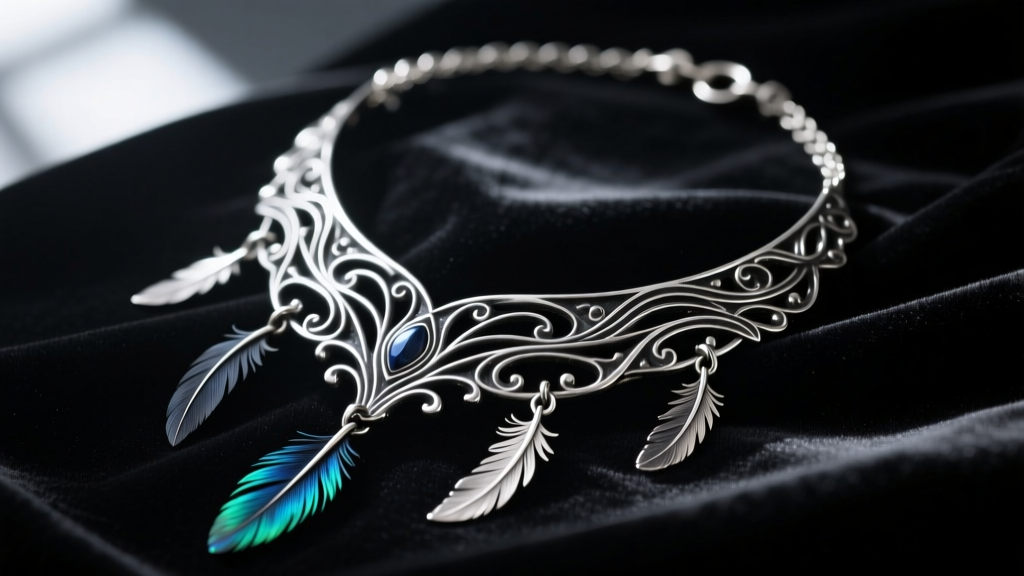
When cosplayers and gothic fashion enthusiasts search for the ultimate bellatrix lestrange necklace, they are usually met with a flood of cheap, mass-produced replicas that fail to capture the chaotic, dark elegance of the character's screen-used wardrobe. The costume department for the Harry Potter films utilized custom-fabricated mixed media—combining oxidized brass, leather cord, and intricate metalwork—to reflect her unhinged, aristocratic backstory. Fast forward to 2026, and the market is still saturated with flimsy zinc-alloy knockoffs that tarnish, snap, and turn your skin green within a week of wear.
As a jewelry specialist, I see the same complaints repeatedly: broken chain links, severe contact dermatitis, and pendants that look more like plastic toys than heirloom dark artifacts. This troubleshooting guide will help you diagnose the structural flaws of your current replica, upgrade its hardware using professional jeweler techniques, and style it for both accurate cosplay and everyday dark-academia wear.
The Anatomy of a Screen-Accurate Replica
To fix your necklace, you first need to understand what you are trying to replicate. Bellatrix’s jewelry is characterized by asymmetry, layered chains, and dark, corrupted motifs. The most iconic pieces feature corset-inspired metalwork, raven feathers, and heavy, oxidized pendants. According to official Wizarding World lore and costume archives, her accessories were meant to look like once-beautiful Black family heirlooms that have been neglected and corrupted.
Most commercial replicas fail in three specific areas:
- Base Metal Choice: Using Zamak (zinc alloy) instead of brass or bronze.
- Chain Gauge: Utilizing 24-gauge or 22-gauge hollow cable chains that snap under the weight of the pendant.
- Patina Application: Using surface-level black paint instead of chemical oxidation to create an antiqued look.
Troubleshooting Common Replica Failures
1. The Base Metal Tarnish and Allergy Problem
The most frequent issue with a budget bellatrix lestrange necklace is the dreaded 'green skin' effect, accompanied by itching or rashes. This is not an allergic reaction to silver; it is a chemical reaction. Cheap replicas are cast from Zamak, which contains copper and nickel. When copper reacts with the salts and acids in your sweat, it creates copper chloride, which stains the skin green. Nickel, meanwhile, is a common contact allergen.
The Fix: If you are locked into a Zamak pendant, you must create a moisture barrier. Clean the piece thoroughly with isopropyl alcohol, then apply two thin coats of a jewelry-specific sealant like Everbrite ProtectaClear. This polyurethane coating is invisible, prevents galvanic corrosion, and stops nickel leaching. Reapply every six months if worn directly against the skin. For a permanent solution, commission a custom caster to mold your pendant in solid bronze or lead-free pewter.
2. Chain Snapping and Jump Ring Failures
Mass-market replicas typically use lightweight, machine-made cable chains in 24-gauge or 22-gauge thicknesses. When paired with a heavy, solid-metal pendant, the stress on the central jump rings causes them to pull apart. Furthermore, the standard lobster clasps on these chains often feature weak internal springs that fail under tension.
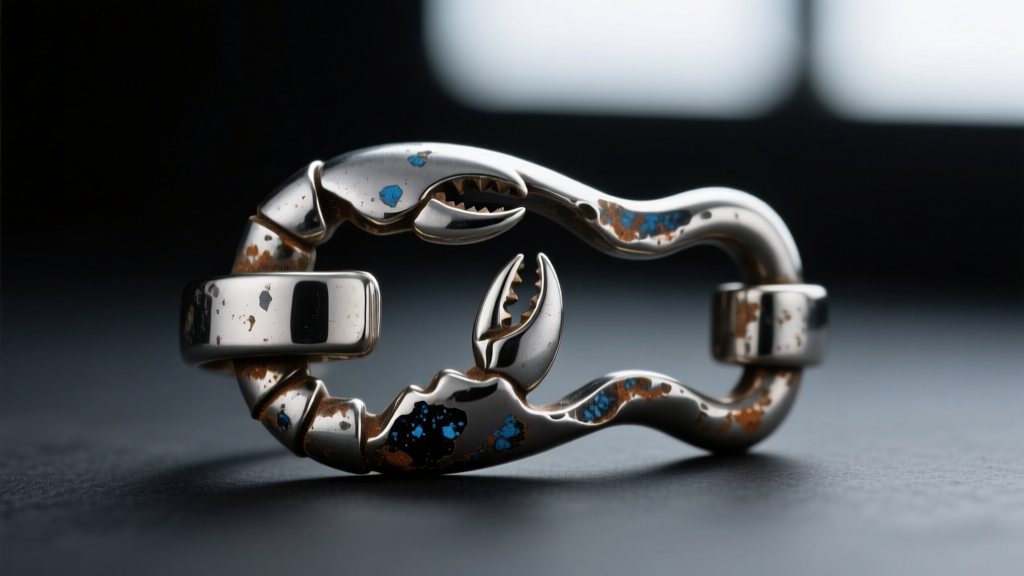
The Fix: Ditch the factory chain. Visit a professional supplier like Rio Grande and purchase an 18-gauge or 20-gauge oxidized stainless steel (316L) rope chain or Figaro chain. Stainless steel will not tarnish, and the thicker gauge can easily support a heavy gothic pendant.
To attach the new chain to your existing pendant, discard the flimsy factory jump rings. Use a pair of split-ring pliers to open and close heavy-duty, 16-gauge stainless steel split rings. Unlike standard jump rings which can be pulled apart laterally, split rings require the wire to be unscrewed, making them virtually impossible to snap open under normal wearing conditions.
3. Identifying and Fixing 3D-Printed Resin Fakes
In recent years, the market has been flooded with 3D-printed resin replicas painted with metallic spray paint. These are exceptionally lightweight and prone to chipping.
The Diagnosis: Tap the pendant against a glass surface. If it produces a dull, plastic 'clack' rather than a sharp metallic 'clink,' it is resin. Look closely at the bail (the loop the chain goes through); resin pieces often have visible layer lines or a seam from the silicone mold.
The Fix: Resin cannot be soldered. If the bail breaks, you must carefully drill a new hole using a 1.5mm micro-drill bit and insert a glued-in metal eye pin using a two-part epoxy like JB Weld. To improve the metallic illusion, lightly dry-brush the high points with real silver leaf wax over the base spray paint to give it a realistic metallic luster that catches the light like true oxidized silver.
Material Upgrade Framework: What to Look For
If you are shopping for a premium replacement or commissioning a custom piece in 2026, use this decision matrix to evaluate the base metals offered by artisans.
| Base Material | Cost Range | Durability | Patina Potential | Best Use Case |
|---|---|---|---|---|
| Zinc Alloy (Zamak) | $15 - $30 | Low (Brittle) | Poor (Paint only) | Budget cosplay |
| Cast Brass | $60 - $120 | High | Excellent (Chemical) | Screen-accurate replicas |
| Oxidized 925 Silver | $150 - $350 | Very High | Superior | Everyday dark academia |
| 3D Printed Resin | $20 - $45 | Very Low | None (Surface paint) | Lightweight convention wear |
Styling the Bellatrix Lestrange Necklace
Once your hardware is structurally sound and skin-safe, the next challenge is styling. The chaotic layering seen in the films can easily look messy in real life if not balanced correctly with your wardrobe.
Neckline Pairings and Layering
- The Victorian High-Neck: A black lace or velvet high-neck blouse provides a dark, textured canvas that prevents the metal from resting directly on bare skin, reducing tarnish while elevating the gothic aesthetic.
- The Deep V-Neck: If wearing a single, heavy corset-style pendant, a deep V-neck elongates the neck and allows the pendant to sit perfectly in the sternum hollow. Ensure the chain length is adjusted to exactly 24 or 26 inches for this specific drop.
- Asymmetrical Layering: To mimic Bellatrix’s unhinged aesthetic without looking cluttered, pair your main pendant necklace with a simple 16-inch oxidized silver choker and a 30-inch plain chain featuring a single, small raw obsidian bead. Stick to a strict color palette of oxidized silver, black, and deep crimson to maintain visual cohesion.

Maintenance and Patina Preservation
Screen-used costume jewelry looks best when it appears ancient and slightly corrupted. However, there is a difference between a deliberate, chemically induced patina and accidental, flaky corrosion. According to metalworking experts at Ganoksin, preserving dark oxidation requires specific care protocols.
To maintain the dark, recessed details of your pendant:
- Never use silver polish. Standard silver dip or polishing cloths will strip the dark oxidation from the crevices, leaving you with a bright, shiny pendant that looks entirely inaccurate to the character.
- Clean with mild soap only. Use a drop of Dawn dish soap and a soft-bristled baby toothbrush to remove skin oils and makeup from the crevices. Rinse with distilled water and pat dry immediately with a microfiber cloth.
- Enhance the shadows. If your replica's dark details are wearing off, you can re-antique the piece yourself using Liver of Sulfur. Dissolve a small piece in warm water, dip the pendant for 10-15 seconds until it turns black, then gently buff the high-relief areas with a 0000-grade steel wool pad to reveal the silver or bronze underneath while leaving the recesses pitch black. Seal with a micro-crystalline wax like Renaissance Wax to lock in the finish.
Expert Insight: Never store oxidized costume jewelry in standard plastic ziplock bags. The trapped humidity accelerates unwanted corrosion. Instead, wrap your Bellatrix Lestrange necklace in an anti-tarnish treated flannel pouch and store it in a climate-controlled drawer to preserve the deliberate chemical patina.


