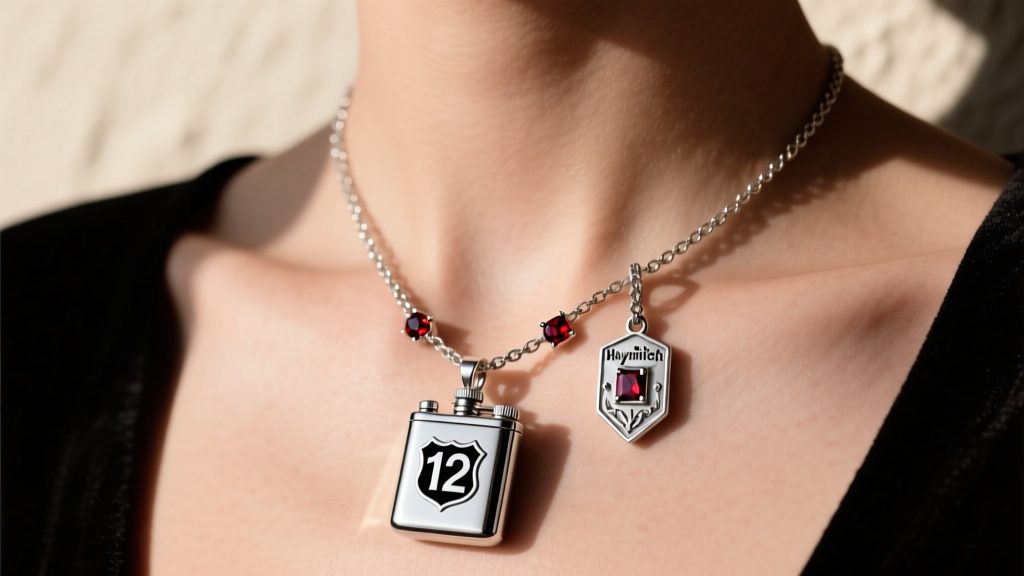
Saint Christopher Necklace Meaning & Expert Buying Guide
Discover the saint christopher necklace meaning and learn how to choose the right metal, chain gauge, and medallion size for safe travels and daily wear.

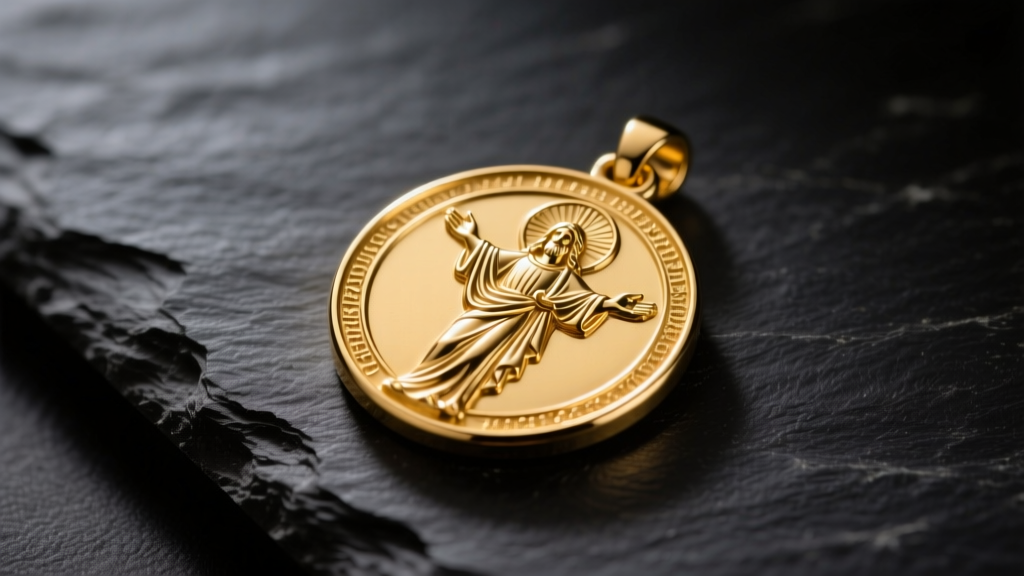
Whether you are embarking on a cross-country road trip, studying abroad, or simply navigating the daily commute, jewelry often serves as more than just an accessory. For centuries, travelers have relied on protective talismans, with the Saint Christopher medal standing out as the most iconic. Understanding the saint christopher necklace meaning is only the first step; selecting a piece that will withstand the rigors of travel requires a keen eye for metallurgy, chain mechanics, and proportional design. In this comprehensive buying guide, we break down exactly what to look for when investing in a travel pendant that is both deeply meaningful and structurally sound.
The True Saint Christopher Necklace Meaning and Origins
The legend of Saint Christopher is rooted in the story of a man of immense physical stature, originally named Reprobus, who sought to serve the greatest king in the world. According to Encyclopedia Britannica, his ultimate test came when he carried a small child across a treacherous, swollen river. Midway through the crossing, the child grew impossibly heavy, eventually revealing himself as Christ, bearing the weight of the world. Christopher’s safe delivery of the child earned him his name, which translates from Greek as "Christ-bearer," and cemented his legacy as the patron saint of travelers.
Historically, the saint christopher necklace meaning revolves around protection from sudden death, accidents, and the perils of the road. In the mid-20th century, the medal was heavily adopted by surfers, motorcyclists, and soldiers, transforming it from a strictly religious artifact into a universal symbol of wanderlust and safe passage. Wearing the medal is traditionally believed to ensure that the traveler will not die on their journey without receiving the last rites, though today it is widely embraced by secular travelers as a mindful anchor for safe adventures.
Choosing the Right Metal for Daily Wear and Travel
Travel jewelry is subjected to harsh environments: saltwater, humidity, sweat, and accidental impacts. Choosing the correct metal is critical for longevity and skin safety. Below is a structural comparison of the most common metals used for Saint Christopher medallions.
| Metal Type | Durability & Tarnish Resistance | Average Price Range | Best For |
|---|---|---|---|
| 925 Sterling Silver | Moderate. Contains 7.5% copper, which oxidizes and tarnishes when exposed to sulfur and sweat. | $40 - $150 | Budget-conscious buyers; requires rhodium plating for water resistance. |
| 14k Solid Gold | High. 58.5% pure gold alloyed with zinc/copper. Excellent tarnish resistance and structural integrity. | $250 - $650 | Daily wear, ocean swimming, and showering without removal. |
| 316L Surgical Steel | Very High. Hypoallergenic, highly resistant to corrosion, but cannot be easily soldered if broken. | $20 - $60 | Rugged outdoor travel, backpacking, and high-impact environments. |
| Platinum (950) | Exceptional. Dense, naturally white, and hypoallergenic. Develops a patina rather than losing metal. | $800 - $2,000+ | Luxury heirloom pieces meant to be passed down through generations. |
Expert Insight: If you opt for sterling silver, ensure the piece is plated with a thick layer of rhodium (at least 0.75 microns). According to the Gemological Institute of America (GIA), proper alloying and plating are essential to prevent the copper in silver from reacting with the acidic pH of your skin during hot, humid travels.
Medallion Proportions: Selecting the Right Diameter
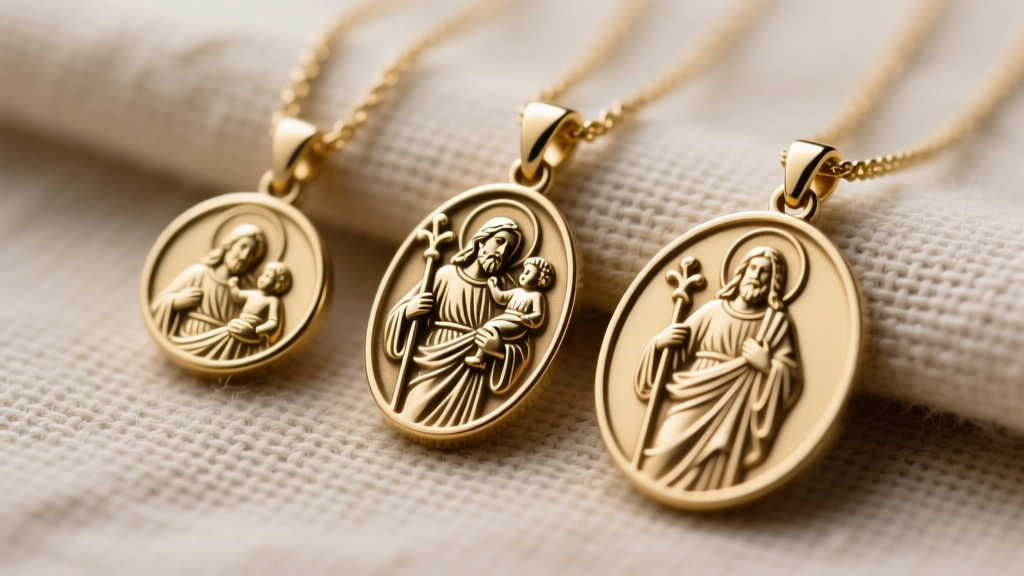
The visual weight of a Saint Christopher pendant is dictated by its diameter. Choosing the wrong size can make the piece look either lost on your chest or overwhelmingly bulky. Here is a precise breakdown of standard medallion sizes:
15mm - 17mm (The Dainty Profile)
Ideal for layering with other delicate chains or wearing as a subtle, everyday piece. This size is predominantly favored in women’s jewelry and sits elegantly on a 16-inch or 18-inch chain. The engraving detail at this size is minimal, often relying on high-relief stamping rather than intricate etching.
20mm - 22mm (The Standard Unisex)
This is the most versatile and popular size. A 20mm medallion provides enough surface area for detailed bas-relief artwork, clearly showing the saint, the staff, and the child. It works perfectly on both men and women, typically paired with a 20-inch chain to rest just below the collarbone.
25mm - 30mm+ (The Bold Statement)
Designed primarily for men or those who prefer heavy, statement-making jewelry. Medallions in this range are thick (often 2mm to 3mm in depth) and carry significant weight, sometimes exceeding 10 grams. They require a robust chain to prevent structural failure.
Chain Weaves, Gauges, and Clasp Mechanics
A common failure point in travel jewelry is the chain snapping under the weight of the pendant. When buying a Saint Christopher necklace, you must evaluate the chain's wire gauge and clasp mechanism.
Recommended Chain Weaves
- Cable Chain: The classic choice. Ensure the links are soldered closed. Unsoldered cable chains will easily pull apart if the pendant snags on clothing.
- Figaro Chain: Offers a vintage, masculine aesthetic with a pattern of three small links followed by one long link. Highly durable due to the flat link profile.
- Rope Chain: Excellent for catching the light, but prone to snagging on hair or fabrics. If choosing a rope chain, opt for a diamond-cut hollow rope for lighter weight, or a solid rope for maximum tensile strength.
The Importance of Wire Gauge and Clasps
For a standard 20mm solid medallion weighing roughly 4 to 6 grams, your chain should have a minimum wire thickness of 1.2mm to 1.5mm. Anything thinner risks stretching the links over time.
"Never trust a standard 4mm spring-ring clasp with a heavy travel pendant. The internal tension spring in small clasps degrades quickly with daily use. Always upgrade to a 6mm or 7mm lobster clasp, which features a solid internal trigger mechanism that locks securely into the jump ring."
Personalizing the Reverse Side: Engraving Limits
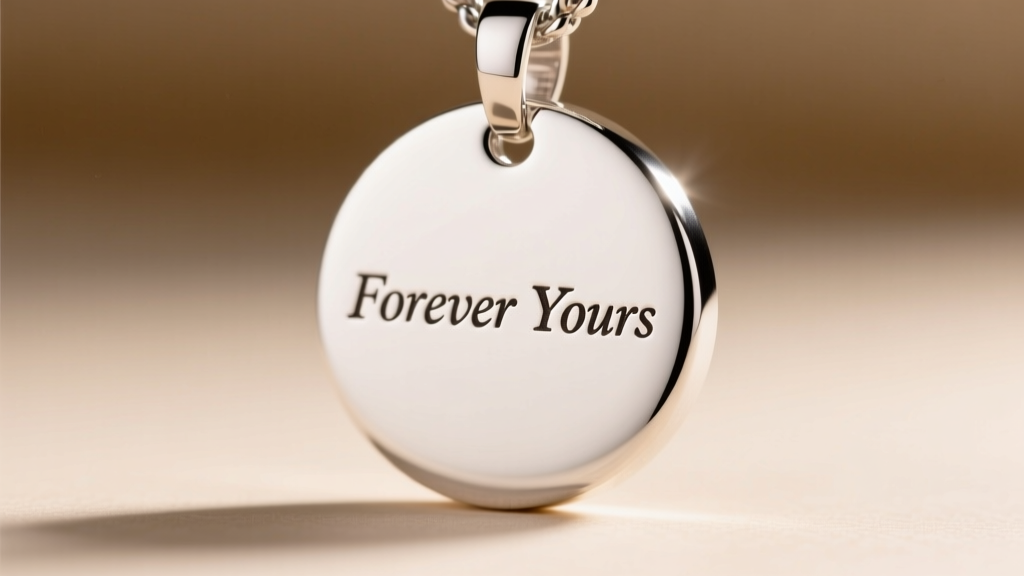
Many buyers choose to engrave the back of their Saint Christopher medal to enhance its sentimental value. Common engravings include coordinates of a hometown, a departure date, or phrases like "Protect My Journey" or "Semper Vagans" (Always Wandering).
When planning an engraving, consider the following technical limitations:
- Space Constraints: A 20mm round medal typically offers only about 14mm of usable flat space on the reverse. Limit text to 20-25 characters, including spaces.
- Font Selection: Avoid overly ornate script fonts. Laser engraving on curved or textured metal surfaces can cause script letters to bleed together. Opt for clean, sans-serif, or block serif fonts for maximum legibility.
- Depth: Ensure the jeweler uses a diamond-drag or deep laser engraving method. Surface-level etching will wear away within a year of friction against the skin.
Authenticity and Quality Hallmarks
When investing in precious metals, verifying authenticity is non-negotiable. Reputable jewelers will stamp their pieces with recognized hallmarks. According to the London Assay Office, a proper hallmark guarantees the metal's purity. Look for the following stamps, usually located on the back of the medallion or on a small tag near the clasp:
- 925: Certifies Sterling Silver (92.5% pure silver).
- 14k or 585: Certifies 14-karat gold (58.5% pure gold).
- 18k or 750: Certifies 18-karat gold (75% pure gold). Note that 18k is softer and more prone to scratching during rugged travel than 14k.
- Maker’s Mark: A unique symbol or initials identifying the manufacturing jeweler, ensuring accountability for the piece's quality.
Final Thoughts on Wearing Your Travel Talisman
The saint christopher necklace meaning transcends mere decoration; it is a historic badge of protection and a reminder of the journeys that shape our lives. By prioritizing structural integrity—selecting the right metal alloy, ensuring a robust chain gauge, and securing a reliable lobster clasp—you guarantee that your talisman will survive every mountain climbed, ocean crossed, and flight boarded. Choose a piece that reflects your personal style, respect the metallurgy required for daily wear, and let your medallion be a steadfast companion on the road ahead.