Christmas Bead Necklace Value Guide: Budget vs. Quality in 2026
Discover the true value of a christmas bead necklace. Compare materials, spot overpriced novelties, and invest in holiday jewelry that lasts.

The Holiday Jewelry Dilemma: Fast Fashion vs. Heirloom Quality
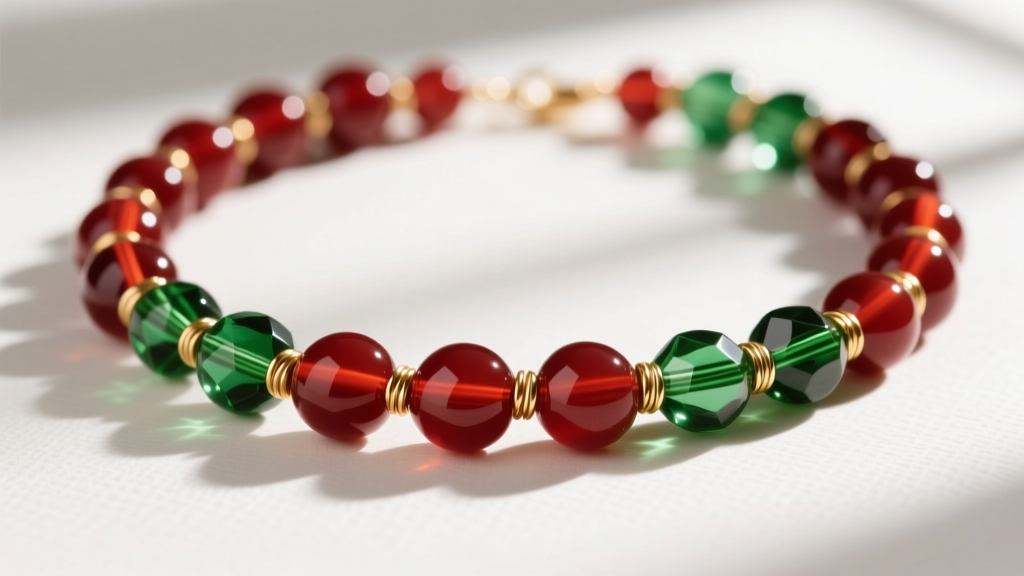
As we navigate the 2026 holiday season, the seasonal jewelry market has seen a massive shift. Inflation and supply chain adjustments have pushed the prices of fast-fashion novelty pieces up by nearly 18%, effectively narrowing the gap between cheap, mass-produced plastics and genuine semi-precious stones. For the discerning buyer, this creates a unique opportunity—and a trap. A christmas bead necklace can range from a $12 disposable acrylic strand to a $150 artisan-crafted Czech glass and carnelian piece. But how do you assess the true value? This guide breaks down the material science, construction methods, and cost-per-wear metrics you need to evaluate holiday bead jewelry like a professional appraiser.
Material Breakdown: What Are You Actually Paying For?
The term "bead" is entirely unregulated in the costume jewelry market. Retailers frequently use vague descriptors like "festive red beads" or "holiday green stones" to mask inferior materials. To accurately assess a christmas bead necklace, you must look past the color and identify the base material. According to the Gemological Institute of America (GIA), understanding the optical properties and hardness of bead materials is the first step in determining value.
| Material Type | Average Price Range | Durability & Longevity | Value Rating |
|---|---|---|---|
| Injected Acrylic | $5 - $18 | Low (scratches easily, yellows with UV exposure) | Poor |
| Dyed Howlite/Quartz | $15 - $35 | Low (color rubs off on skin/clothing) | Poor |
| Czech Glass | $30 - $75 | High (colorfast, scratch-resistant) | Excellent |
| Lampwork Glass | $80 - $220 | Medium-High (fragile if dropped, unique art) | Good (Artisan) |
| Carnelian & Aventurine | $60 - $160 | Very High (natural semi-precious stones) | Excellent |
When shopping for a holiday aesthetic, genuine carnelian provides a rich, translucent cranberry red, while green aventurine offers a festive, subtle sparkle. Both are semi-precious stones that hold intrinsic value far beyond the holiday season, unlike dyed howlite which is notoriously porous and prone to leaking toxic dyes when exposed to winter sweat or perfumes.
Construction Matters: The Hidden Cost of Stringing Materials
A common mistake when evaluating a christmas bead necklace is focusing solely on the beads while ignoring the stringing medium. The structural integrity of the necklace dictates its lifespan. According to jewelry manufacturing standards detailed by Fire Mountain Gems, the choice of stringing material separates a one-season wonder from a multi-year staple.
- Nylon Thread or Elastic: Often found in sub-$20 necklaces. Nylon degrades when exposed to humidity and skin oils, leading to sudden snapping. Elastic loses its memory within 3 to 6 months of regular wear.
- Standard 7-Strand Beading Wire: A step up, but prone to kinking. If a kinked wire is bent back, the structural integrity is compromised, leading to fraying inside the crimp beads.
- 49-Strand Stainless Steel Wire (e.g., Soft Flex): The gold standard for high-quality bead necklaces. It drapes like silk, resists kinking, and supports the heavy weight of glass or stone beads without stretching. If a retailer does not specify 49-strand wire for a heavy glass bead necklace, negotiate the price down or walk away.
Red Flags: Spotting Overpriced Holiday Novelties
Retailers often mark up cheap novelty jewelry by 400% during the holidays simply by adding a "festive" tag. Here is how to spot a bad investment:
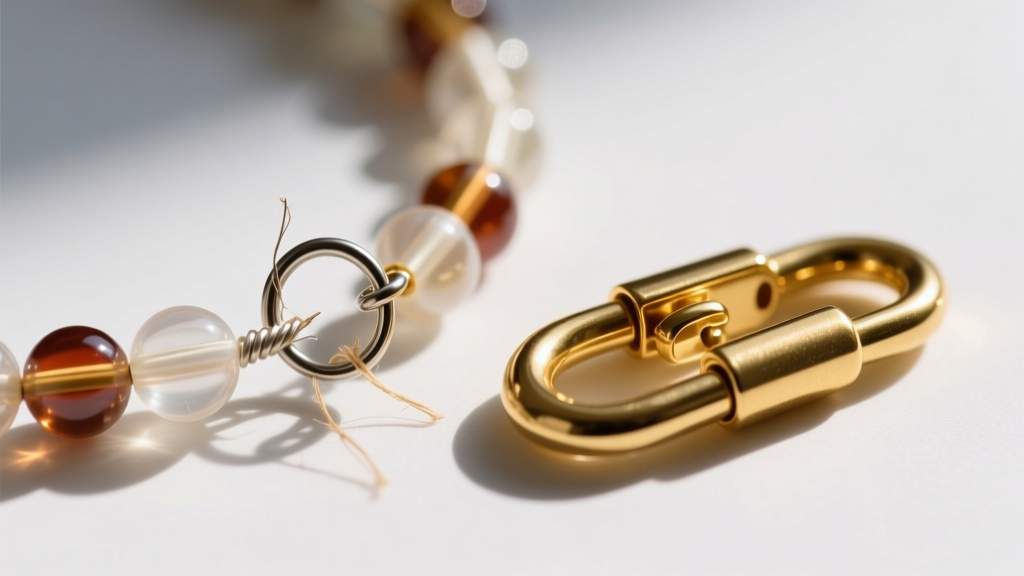
"Never pay premium prices for a holiday bead necklace if the clasp is a standard spring-ring. The tension spring in cheap base-metal spring rings fails within weeks, especially when supporting the weight of glass beads. Always look for a lobster clasp or a magnetic neodymium clasp."
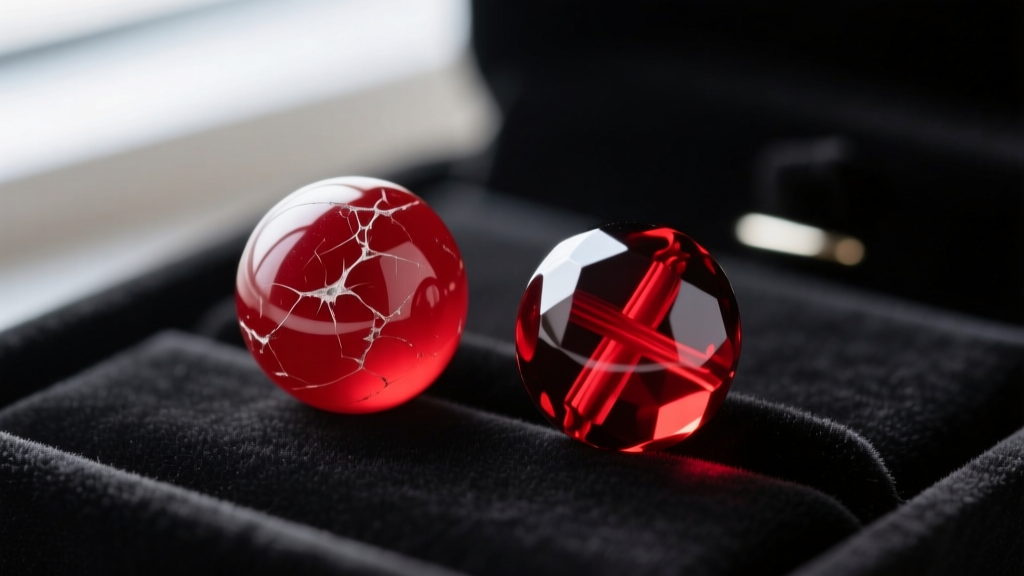
Furthermore, beware of the "painted glass" trick. Some manufacturers take cheap, clear glass beads and spray-paint them with metallic red or green coatings. You can identify these by looking at the drill holes. If the paint is chipped around the hole, or if the color is opaque and lacks internal refraction, you are looking at painted glass, which will peel after one season of wear.
The "Cost Per Wear" Metric for Seasonal Necklaces
To truly assess the budget versus value of a christmas bead necklace, jewelry stylists use the Cost Per Wear (CPW) formula. This metric helps justify spending more upfront for superior materials.
CPW = Total Price / (Estimated Wears Per Year × Expected Lifespan in Years)
Let us compare two hypothetical necklaces:
- The Fast-Fashion Acrylic Strand ($15): Worn 10 times in one December. It breaks or yellows by next year. CPW = $15 / (10 × 1) = $1.50 per wear.
- The Czech Glass & Carnelian Strand ($85): Worn 15 times during the holidays, but because the deep red and green stones are high-quality, you layer it with gold chains for autumn and winter events (30 wears a year). It lasts 10 years. CPW = $85 / (30 × 10) = $0.28 per wear.
The "expensive" necklace is actually 80% cheaper to own over its lifetime.
Extending the Season Through Strategic Layering
The secret to maximizing the value of a holiday bead necklace is removing the "costume" element. Avoid necklaces with literal charms (like Santa faces or plastic snowflakes). Instead, opt for abstract holiday colors—deep burgundy, forest green, and gold accents. A 16-inch choker-length Czech glass bead necklace can be seamlessly layered over a 20-inch matte gold paperclip chain and a 24-inch freshwater pearl strand. This transforms a strictly "Christmas" piece into a sophisticated, textured winter layering set that commands high value in your everyday wardrobe.
Care and Storage to Protect Your Investment
If you invest in genuine semi-precious stones or high-end lampwork glass for your holiday jewelry, proper off-season storage is non-negotiable. Follow these expert preservation steps:
- The Acetone Test: Before storing a new beaded necklace, wipe a single bead near the clasp with a cotton swab dipped in acetone (nail polish remover). If color transfers to the swab, the beads are dyed. Store dyed beads in a dark, climate-controlled box to prevent UV fading and color bleeding.
- Hang, Do Not Coil: Necklaces strung on 49-strand wire should be hung on padded jewelry hooks. Coiling them tightly in a small box forces the wire into a permanent curve, ruining the drape.
- Anti-Tarnish Strips: If your necklace features silver or copper wire-wrapping between the beads, place a 3M anti-tarnish strip in the storage bag. The sulfur in the air reacts with the metals, turning them black and staining adjacent porous beads like aventurine or unpolished glass.
By prioritizing material integrity, superior stringing methods, and versatile colorways, you can confidently purchase a christmas bead necklace that serves as a genuine asset to your jewelry collection, rather than a disposable holiday afterthought.


