The Princess Length Necklace: Technical Guide to 18-Inch Chains
Master the 18-inch princess length necklace. Explore technical specs, chain weights, clasp mechanics, and precise neckline pairings.

The Exact Anatomy of a Princess Length Necklace
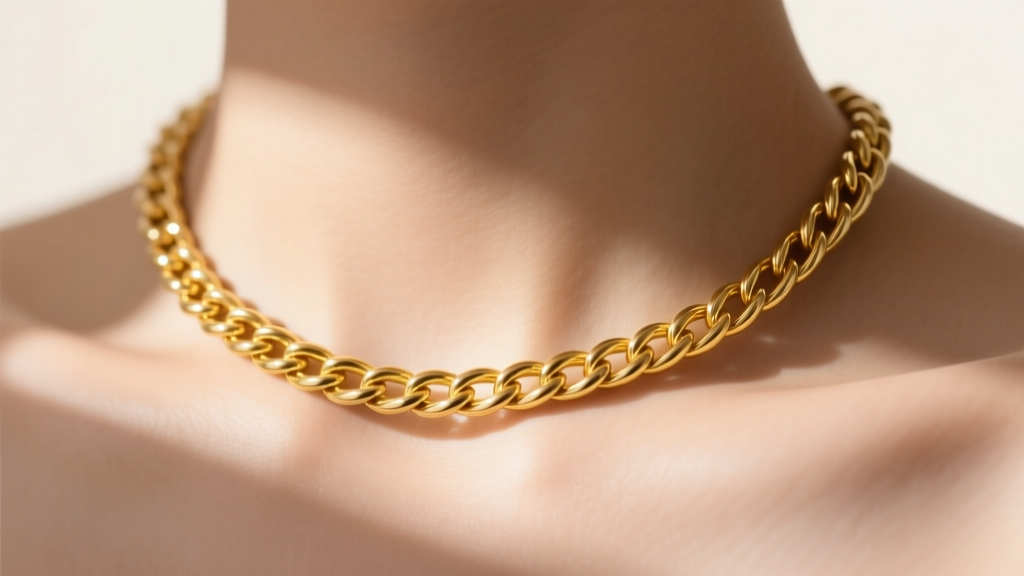
The 18-inch necklace, universally termed the princess length necklace, represents the statistical median of the jewelry industry's chain production. Translating to exactly 45.72 centimeters, this specific measurement is engineered to rest precisely on the collarbone or just below it, depending on the wearer's neck circumference. For a standard 14-inch neck, an 18-inch chain will create a catenary drape that drops approximately 2.5 to 3 inches below the suprasternal notch (the base of the throat).
Manufacturing tolerances for this length vary significantly by market tier. High-end, precision-milled chains from Italian manufacturers (such as those out of Vicenza) maintain a strict tolerance of +/- 0.15 inches. Conversely, mass-market cast or stamped chains often exhibit a +/- 0.5-inch variance. When sourcing or designing a princess length necklace, verifying the exact end-to-end measurement—including the clasp and jump rings—is critical, as missing hardware can artificially inflate the listed chain length.
The Physics of the 18-Inch Drape
The drape of a princess length necklace is governed by its gram weight and link geometry. A lightweight 1.5-gram cable chain will conform tightly to the clavicle's contours, creating a sharp, geometric V-shape. In contrast, a heavy 15-gram curb chain possesses too much structural rigidity to bend sharply, resulting in a wider, parabolic U-shape that sits slightly further from the skin. Understanding this drape physics is essential when pairing the chain with specific gemstone pendants, as the chain's stiffness dictates how the pendant will lay against the sternum.
Chain Styles and Gram Weight Specifications
Not all 18-inch chains are created equal. The structural integrity, tensile strength, and visual weight of a princess length necklace depend entirely on its link architecture. Below is a technical breakdown of the most common chain styles manufactured in the 18-inch standard, based on 14k yellow gold specifications.
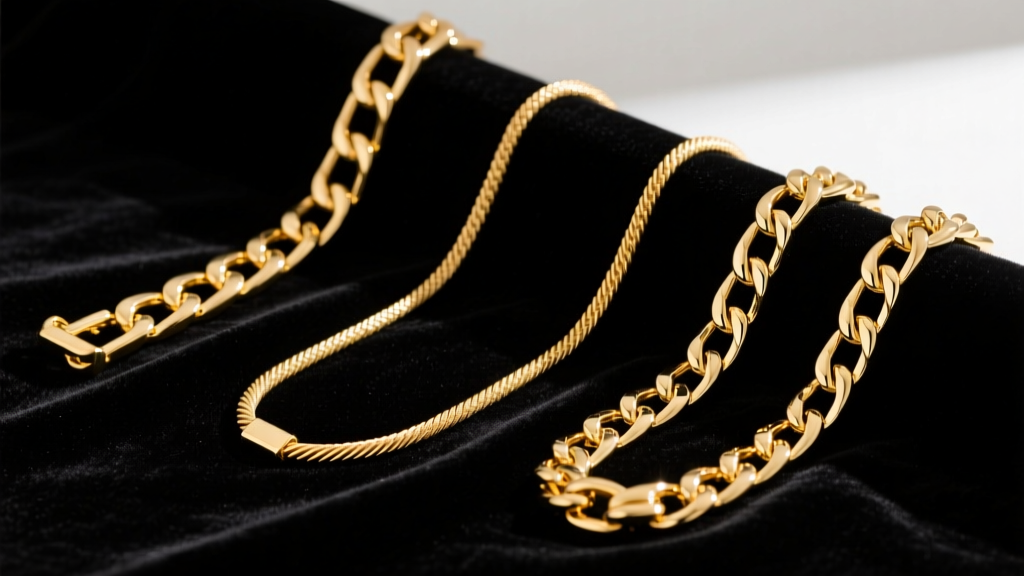
| Chain Style | Avg. Gram Weight (18") | Tensile Strength | Min. Pendant Bail Clearance | Best Use Case |
|---|---|---|---|---|
| Cable (Round) | 1.5g - 3.0g | Low (3-5 lbs) | 2.0mm x 1.5mm | Lightweight solitaire diamonds (under 0.5ct) |
| Box (Square) | 4.0g - 8.0g | Medium (8-12 lbs) | 2.5mm x 2.5mm | Medium gemstone pendants, everyday wear |
| Rope (Twisted) | 7.0g - 15.0g | High (15-25 lbs) | 4.0mm x 3.0mm | Heavy statement pieces, standalone wear |
| Curb (Flat) | 5.0g - 12.0g | High (12-20 lbs) | 3.5mm x 2.0mm | Streetwear, layered styling, heavy medallions |
| Wheat (Spiga) | 6.0g - 10.0g | Very High (20+ lbs) | 3.0mm x 3.0mm | Intricate woven pendants, high-friction environments |
Note: Tensile strength estimates assume machine-made, soldered links. Unsoldered or hollow-core chains will exhibit a 60-80% reduction in load-bearing capacity.
Clasp Mechanics and Weight Distribution
A frequent failure mode in 18-inch chains is the "flip-over," where the clasp migrates from the nape of the neck to the front of the collarbone. This occurs due to an imbalance in the chain's center of gravity. To prevent this, the clasp-to-chain weight ratio must be carefully calibrated.
Lobster vs. Spring Ring vs. Magnetic
- Lobster Clasps: The industry standard for chains over 5 grams. For an 18-inch princess length necklace, a 7mm to 9mm lobster clasp is optimal. The internal spring mechanism must be tested for at least 10,000 actuations to ensure longevity. Always verify that the jump ring connecting the lobster clasp is fully soldered; an open jump ring will pull apart under a 3-pound load.
- Spring Rings: Suitable only for chains under 4 grams. A standard 5mm spring ring lacks the structural mass to anchor an 18-inch box chain, guaranteeing the clasp will slide to the front. Furthermore, the internal tension spring in cheap spring rings is prone to fatigue and failure within 12 months of daily wear.
- Magnetic Clasps: While offering high accessibility, neodymium magnetic clasps add significant localized weight (often 3-5 grams). On an 18-inch chain, this extra weight at the nape can actually improve drape balance, but the connection point relies entirely on epoxy bonding, which degrades when exposed to lotions and perfumes.
Material Grades and Tarnish Resistance
When selecting a princess length necklace, the metallurgical composition dictates both its longevity and its interaction with human skin chemistry. According to the Federal Trade Commission (FTC) Jewelry Guides, strict naming conventions must be followed for precious metals, but understanding the alloys is crucial for the consumer.

- 14k Gold (585): Composed of 58.5% pure gold and 41.5% alloy metals (copper, silver, zinc). It offers the ideal balance of tensile strength and tarnish resistance for an 18-inch chain subjected to daily friction against the collarbone. The Gemological Institute of America (GIA) notes that 14k gold's hardness makes it superior for securing heavy pendant bails.
- 18k Gold (750): Softer and more prone to micro-scratching. An 18-inch 18k gold cable chain will stretch over time if subjected to pendant weights exceeding 5 grams due to the malleability of the higher gold content.
- Argentium Silver (935/960): A modern upgrade to traditional 925 sterling silver. By replacing a portion of the copper alloy with germanium, Argentium silver forms a transparent, self-healing oxide layer that drastically reduces sulfur-induced tarnishing. For an 18-inch chain that rests directly in the high-perspiration zone of the lower neck, Argentium is vastly superior to standard sterling.
- 316L Stainless Steel: The benchmark for hypoallergenic, budget-friendly chains. It contains 16-18% chromium and 2-3% molybdenum, making it virtually impervious to oxidation and sweat corrosion. However, its extreme hardness makes resizing or repairing an 18-inch 316L chain nearly impossible without specialized laser welding equipment.
Neckline Pairings: A Geometric Approach
The princess length necklace is celebrated for its versatility, but its 18-inch drop interacts differently with various garment geometries. To maximize visual impact, apply these structural pairing rules:
- The V-Neck (Acute Angle): An 18-inch chain perfectly mirrors the geometry of a standard V-neck. Pair it with a Y-drop pendant or a pear-shaped gemstone to elongate the visual line of the torso. Avoid wide, horizontal pendants that clash with the garment's converging lines.
- The Crew Neck (Obtuse Curve): An 18-inch chain will sit roughly 1 to 1.5 inches below a standard crew neck collar. This creates a framing effect. Use a rounded pendant (such as a cabochon or halo setting) to complement the circular neckline. Ensure the chain is at least 2mm thick; delicate chains will get visually "swallowed" by the heavy fabric of a crew neck sweater.
- The Scoop Neck (Parabolic): Because a scoop neck exposes a wide expanse of the upper chest, an 18-inch princess length necklace acts as a boundary line. Layering is highly effective here: pair the 18-inch chain with a 16-inch choker and a 20-inch matinee chain to fill the negative space without overwhelming the collarbone.
- The Boat Neck (Horizontal): Boat necklines widen the appearance of the shoulders. An 18-inch chain with a vertical drop pendant introduces a necessary vertical axis, breaking up the horizontal expanse and providing structural balance to the outfit.
Pricing Tiers and What You Are Actually Paying For
When evaluating the cost of an 18-inch princess length necklace, consumers must separate the intrinsic melt value from the fabrication and brand premiums. For a standard 14k gold chain, the pricing formula is heavily dependent on the manufacturing technique.
Machine-Made Chains (Cable, Box, Curb): Typically retail for 2.5x to 4x the intrinsic gold melt value. An 18-inch, 5-gram 14k box chain contains approximately 2.92 grams of pure gold. If the spot price of gold is $65 per gram, the melt value is roughly $190. A fair retail price for machine-made Italian chains in this category ranges from $475 to $760. Anything exceeding 6x melt value is a brand markup.
Hand-Woven and Specialty Chains (Byzantine, Hand-Faceted Rope): These require extensive artisan labor, soldering, and diamond-cutting. Retail prices legitimately range from 8x to 15x the melt value due to the high rate of material loss during the faceting process and the hours of skilled labor required to weave the links without compromising their structural integrity.
"An 18-inch chain is the workhorse of a jewelry wardrobe. Investing in a properly soldered, solid-core 14k chain with a calibrated lobster clasp will outlast a dozen hollow, mass-market alternatives, ultimately proving more economical over a decade of daily wear."
By understanding the precise tolerances, material grades, and drape physics of the princess length necklace, buyers can transition from guessing at the jewelry counter to making engineered, informed investments that perfectly suit their anatomical and stylistic requirements.


