The Ultimate Hematite Bead Necklace Buying Guide (2026)
Discover how to choose the perfect hematite bead necklace in 2026. Learn about bead sizing, magnetic vs natural stones, stringing wire, and pricing.

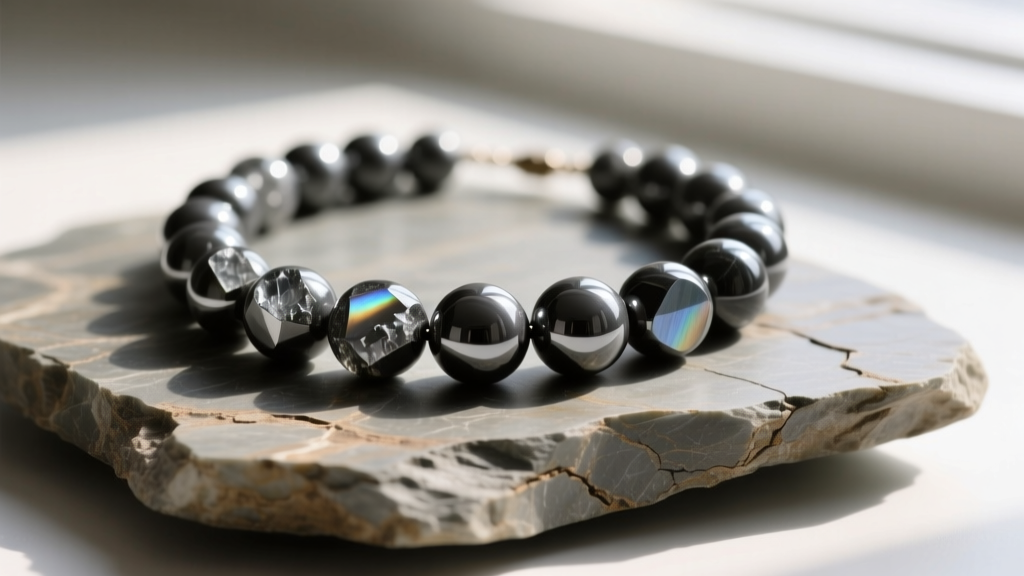
Introduction to Hematite Jewelry
Hematite has long been prized in jewelry for its striking metallic luster, grounding weight, and sophisticated dark grey hue. As we navigate the 2026 jewelry market, the hematite bead necklace remains a staple for both minimalist wardrobes and bold, layered statement pieces. However, not all hematite beads are created equal. The market is currently flooded with synthetic alternatives, improperly strung heavy beads, and misleading marketing regarding magnetic properties. This comprehensive buying guide will equip you with the gemological and structural knowledge required to invest in a high-quality hematite necklace that will last a lifetime.
Natural Hematite vs. "Magnetic" Hematite
The most common point of confusion for buyers is the concept of "magnetic hematite." According to mineralogical data from Mindat, natural hematite (iron oxide, Fe2O3) is only weakly magnetic at best. It will not firmly snap to a magnet or hold other beads together through magnetic force.
The strongly magnetic beads widely sold as "magnetic hematite" are actually synthetic ceramics composed of barium ferrite or strontium ferrite. While these synthetic beads are perfectly safe to wear and offer a fun, functional magnetic clasp-like quality, they are not genuine gemstones. Buying Tip: If a product listing guarantees strong magnetic attraction, you are purchasing synthetic ferrite, not natural hematite. Always check the product specifications for terms like "sintered," "synthetic," or "ferrite" to ensure transparency.
Bead Sizing, Weight, and Drape
Hematite is a remarkably dense mineral with a specific gravity of approximately 5.04 g/cm³. This means it is significantly heavier than quartz or glass beads of the same volume. Choosing the right bead diameter is crucial for the necklace's drape, comfort, and structural integrity.
| Bead Diameter | Approx. Weight (18" Strand) | Best Use Case & Drape |
|---|---|---|
| 4mm | ~22 grams | Delicate, subtle layering pieces; lightweight and flexible. |
| 6mm | ~45 grams | The industry standard; perfect balance of presence and comfort. |
| 8mm | ~85 grams | Bold, masculine, or statement pieces; requires heavy-duty stringing. |
| 10mm+ | ~130+ grams | Chunky, high-impact statement collars; can cause neck fatigue if worn long. |
For everyday wear, a 6mm bead offers the ideal compromise between the signature hematite weight and all-day comfort. If you are purchasing an 8mm or 10mm strand, ensure the clasp and stringing material are rated for heavy loads.
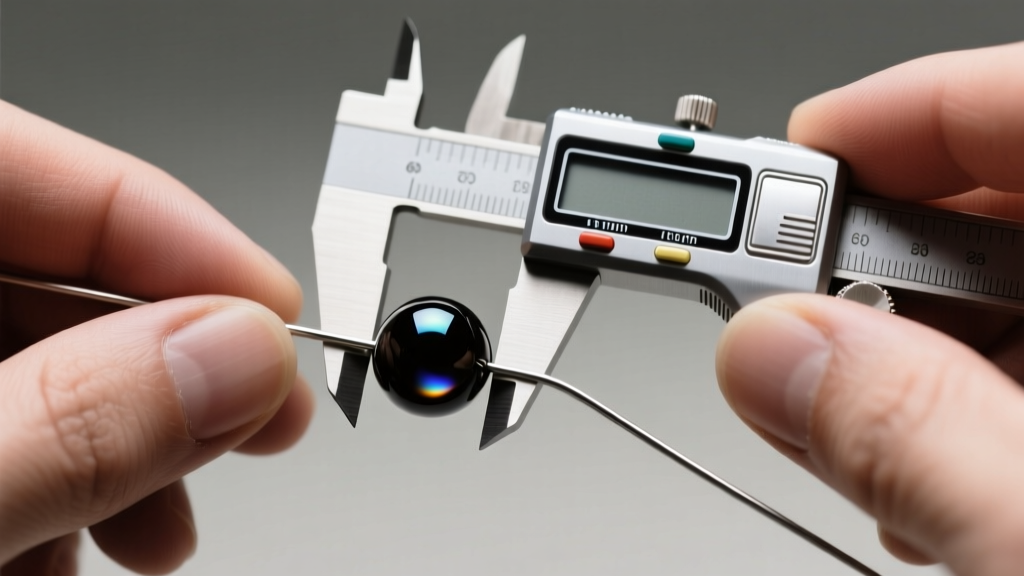
Stringing Materials: Preventing Catastrophic Breakage
Because of its high density and Mohs hardness of 5.5 to 6.5, hematite is notoriously abrasive. The edges of the drill holes can act like tiny saws against weak stringing materials. A broken hematite necklace doesn't just mean lost beads; it means heavy, sharp stones scattering across a hard floor, which can cause chipping or damage to surrounding surfaces.
What to Avoid
- Elastic Cord: Even high-quality stretch cord (like Stretch Magic) will degrade and snap under the constant friction and weight of hematite.
- Silk Thread: Traditional pearl knotting silk will fray and break rapidly when subjected to the abrasive drill holes of iron oxide.
What to Demand
Always look for necklaces strung on 49-strand micro-fused stainless steel beading wire (such as Soft Flex or Beadalon). For 6mm to 8mm beads, a wire diameter of 0.019" or 0.024" is mandatory. Additionally, the necklace should feature seamless crimp tubes (not folded crimp beads, which can crack under pressure) and wire guardians (French wire) at the clasp connection to prevent the steel wire from bending and fatiguing over time.
The Streak Test: Verifying Authenticity
If you are buying a high-end natural hematite bead necklace and want to verify its authenticity, gemologists rely on the streak test. As noted by the Encyclopedia Britannica, the defining characteristic of true hematite is its streak, not its outward color.
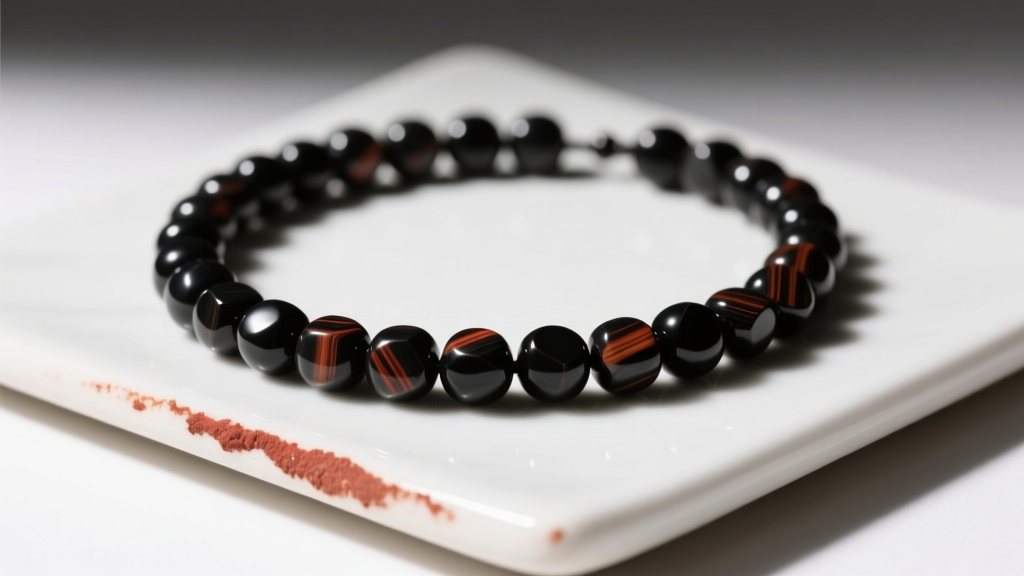
To perform this test safely without damaging your jewelry, find an inconspicuous bead near the clasp. Gently rub it against an unglazed white porcelain tile (the back of a standard ceramic floor tile works perfectly). Natural hematite will leave a distinct reddish-brown or rust-colored streak. Conversely, synthetic magnetic ferrite beads will leave a dark grey or black streak, or no streak at all. This simple, non-destructive test is the ultimate tool for separating genuine earth-mined hematite from lab-created alternatives.
Clasp Hardware: Function Meets Aesthetics
The clasp on a hematite necklace must bear significant tension. Here is a breakdown of the best hardware choices for 2026:
- Lobster Claw (Sterling Silver or Gold-Filled): The most secure option for heavy 8mm+ strands. Ensure the jump ring connecting the lobster claw is soldered shut, or use a heavy-gauge split ring.
- Toggle Clasps: Excellent for heavier necklaces because the weight of the hematite naturally pulls the T-bar securely into the ring. Ensure the T-bar is at least 1 inch long to prevent slipping.
- Magnetic Clasps: Highly convenient, but only recommended for 4mm or 6mm strands. The sheer weight of an 8mm hematite strand can easily overcome the neodymium magnets in standard jewelry clasps, leading to loss.
2026 Pricing Tiers and Market Expectations
Understanding the current market pricing will help you avoid overpaying for synthetic materials or poorly constructed pieces.
- Budget Tier ($12 - $25): Expect synthetic magnetic ferrite beads strung on elastic or basic 7-strand wire with base-metal alloy clasps. Good for temporary fashion pieces, but prone to breakage.
- Mid-Range Tier ($35 - $85): The sweet spot for quality. This tier features genuine natural hematite, 49-strand steel wire, seamless crimps, and sterling silver or 14k gold-filled hardware. Beads should be perfectly calibrated with minimal size variance.
- Designer/Luxury Tier ($100 - $250+): Features hand-selected, highly polished natural hematite mixed with precious gemstone accents (like black spinel or diamonds), custom wire-wrapping, and premium 14k or 18k solid gold clasps.
Care and Maintenance
While hematite is relatively hard, it is still an iron-based mineral. Prolonged exposure to moisture, sweat, or harsh chemicals can cause surface oxidation (rust) or dull the metallic polish. Always remove your hematite bead necklace before swimming, showering, or exercising. To clean, simply wipe the beads with a dry, clean microfiber cloth. Avoid ultrasonic cleaners and chemical jewelry dips, as these can strip the natural polish and accelerate oxidation in the microscopic fissures of the drill holes.
By prioritizing natural materials, proper steel-wire stringing, and robust hardware, your hematite bead necklace will remain a heavy, lustrous, and reliable anchor in your jewelry collection for decades to come.


