Evry Jewels Double Cross Necklace: Expert Material Analysis
An expert technical review of the Evry Jewels double cross necklace, analyzing plating thickness, chain mechanics, and long-term wear durability.

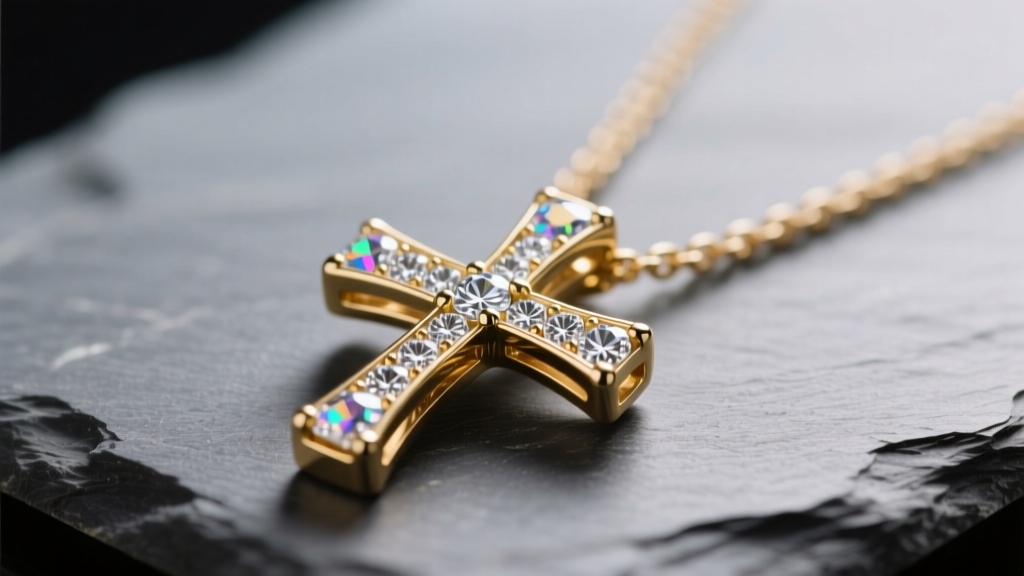
The viral appeal of the Evry Jewels double cross necklace has cemented its status as a staple in contemporary layering. However, beneath the social media hype lies a specific metallurgical and structural reality that dictates its longevity. As an expert technical review, this deep dive bypasses aesthetic commentary to analyze the exact material grades, manufacturing techniques, and failure modes of this piece in the 2026 market. Whether you are evaluating it for daily wear or occasional styling, understanding the engineering behind this necklace is crucial for setting accurate lifespan expectations.
Metallurgical Breakdown: Base Substrates and PVD Coating
To evaluate the Evry Jewels double cross necklace, we must first examine its foundational metallurgy. The brand typically utilizes a 925 sterling silver base for its premium tier and brass alloys for its budget-friendly lines. Assuming the sterling silver variant, the base substrate provides a non-reactive foundation that mitigates the risk of nickel-induced contact dermatitis, a common issue with cheaper brass alternatives.
The gold finish is achieved through Physical Vapor Deposition (PVD) rather than traditional wet electroplating. PVD involves vaporizing gold or titanium nitride in a vacuum chamber, allowing the ions to bond directly to the silver substrate at a molecular level. While PVD is vastly superior to flash plating in terms of tarnish resistance and hardness, the layer is exceptionally thin—typically ranging from 0.15 to 0.25 microns. For context, heavy gold electroplate (HGE) requires a minimum of 2.5 microns. This means that while the PVD coating on the Evry Jewels double cross necklace will resist oxidation and sweat-induced tarnishing far better than standard fashion jewelry, it remains highly susceptible to friction wear over time.
Substrate Hardness and Scratch Resistance
Sterling silver has a Mohs hardness of roughly 2.5 to 3. Because the PVD layer is so thin, any deep scratch that penetrates the 0.2-micron coating will expose the softer silver beneath, leading to localized tarnishing that cannot be polished out without stripping the surrounding gold finish entirely.
Chain Architecture and Clasp Mechanics
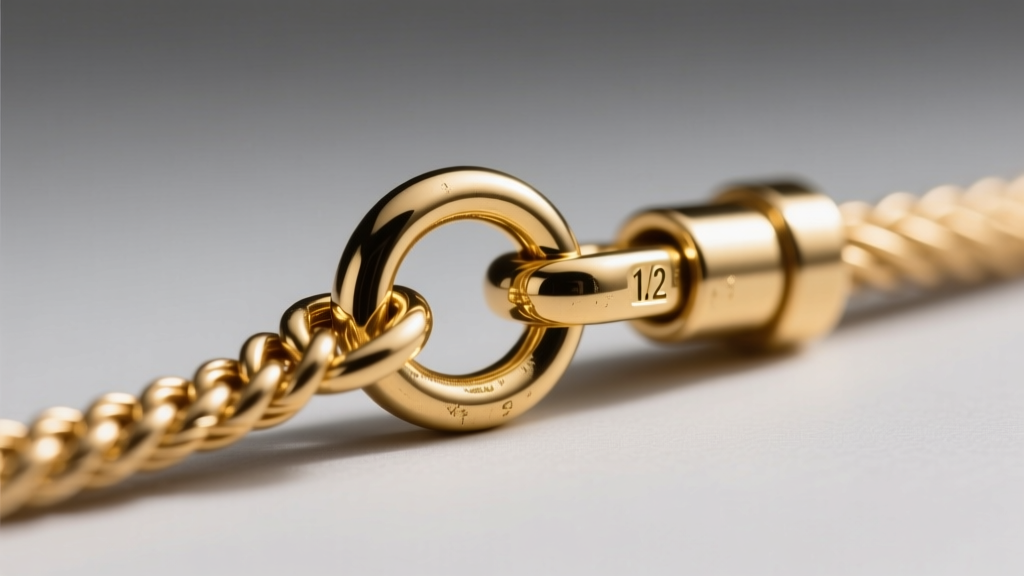
The structural integrity of any pendant necklace relies heavily on its chain architecture. The Evry Jewels double cross necklace features a standard 1.2mm to 1.5mm cable chain. Cable chains are manufactured by drawing wire through a series of progressively smaller dies, then feeding it into an automated chain machine that cuts, loops, and solders each link.
At 1.2mm, the tensile strength of this chain is relatively low. According to jewelry manufacturing standards outlined by Rio Grande, a 1.2mm sterling silver cable chain can typically withstand 2 to 4 pounds of lateral force before the links begin to deform. This is more than sufficient to support the lightweight double cross pendant, but it makes the chain vulnerable to snagging on textiles or hair.
The Lobster Clasp and Jump Ring Vulnerability
The necklace terminates in a standard cast lobster claw clasp. The primary mechanical failure point in this assembly is not the clasp's internal spring, but rather the unsoldered jump ring connecting the clasp to the chain. Unsoldered jump rings rely entirely on the tension of the metal to stay closed. Repeated stress from putting the necklace on and taking it off can cause the gap to widen, eventually leading to chain separation. We strongly recommend having a local jeweler solder this jump ring shut immediately upon purchase to eliminate this failure vector.
Pendant Construction and Stone Setting
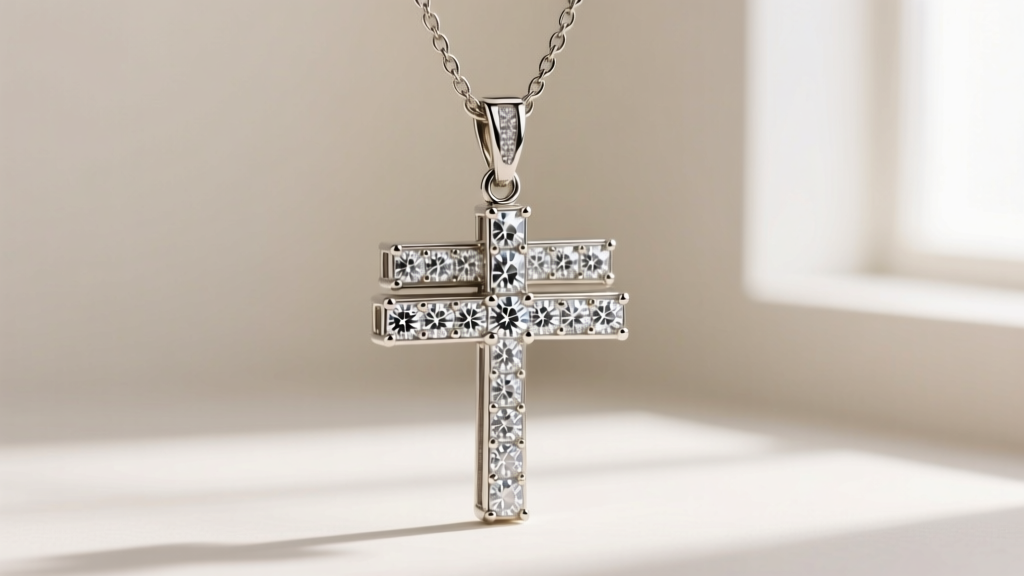
The focal point of the piece is the overlapping double cross motif. The pendant is cast using the lost-wax method, resulting in a solid but lightweight structure. The integration of the two crosses into a single bail (the loop that slides onto the chain) is a smart engineering choice, as it prevents the two pendants from constantly tangling and grinding against one another—a common issue with separately hung layered pendants.
The crosses are accented with pave-set Cubic Zirconia (CZ). As detailed by the Gemological Institute of America (GIA), CZ has a Mohs hardness of 8 to 8.5, making it highly resistant to everyday scratching. However, CZ has a higher specific gravity (5.6 to 6.0) compared to diamond (3.52). This means the stones are heavier, which slightly alters the pendulum swing of the necklace and places marginally more stress on the prongs over time.
Prong Setting Durability
The stones are held in place by micro-prongs. In mass-produced fashion jewelry, these prongs are often cast directly with the setting rather than being individually pushed over the stone by a master setter. This results in a shallower grip on the CZ girdle, increasing the risk of stone loss if the pendant suffers a direct impact.
Comparative Market Data: EVRY Jewels vs. Alternatives
| Specification | Evry Jewels Double Cross | Mid-Tier Fine Jewelry (e.g., Mejuri) | Traditional Solid 14k Gold |
|---|---|---|---|
| Base Metal | 925 Sterling Silver / Brass | Solid 14k Gold or Sterling Silver | Solid 14k or 18k Gold |
| Finish / Plating | PVD Gold (0.15 - 0.25 microns) | Heavy Electroplate (2.5+ microns) or Solid | No plating (Solid alloy) |
| Stone Material | AAA Grade Cubic Zirconia | CZ or Lab-Grown Diamond | Natural or Lab-Grown Diamond |
| Estimated Lifespan (Daily Wear) | 1 to 3 Years | 5 to 15 Years | Generational (50+ Years) |
| Typical Price Range (2026) | $40 - $80 USD | $150 - $400 USD | $600 - $1,200+ USD |
Wear Testing and Failure Mode Analysis
Based on structural analysis and common wear patterns of PVD-coated silver jewelry, we can project the specific failure modes you will encounter with the Evry Jewels double cross necklace over a 24-month period of regular use.
- Friction Wear at the Nape: The most common degradation occurs at the back of the neck. The constant friction between the chain, the skin, and clothing will wear through the 0.2-micron PVD layer within 6 to 12 months of daily wear, exposing the silver substrate.
- CZ Clouding: Cubic zirconia is oleophilic, meaning it attracts and holds onto oils. Sebum, lotions, and cosmetics will build up on the pavilion (underside) of the stones, causing them to appear cloudy and dull. Unlike diamonds, CZ does not repel oil.
- Clasp Spring Fatigue: The internal steel spring of the lobster clasp is prone to rust if exposed to moisture, and the lever mechanism can loosen over time, leading to accidental unclasping.
- Bail Loop Thinning: The interior of the bail where the chain slides through will experience micro-abrasion. Over time, this can thin the metal, though it rarely results in catastrophic failure on lightweight pendants.
"The longevity of PVD-plated fashion jewelry is inversely proportional to the wearer's chemical exposure. Perfumes, chlorinated water, and acidic sweat will degrade the molecular bond of the coating far faster than mechanical friction alone."
Maintenance Protocol for Maximum Longevity
To extend the functional lifespan of the Evry Jewels double cross necklace beyond the typical 1-to-2-year window, a strict maintenance protocol is required. Avoid ultrasonic cleaners; the high-frequency vibrations can easily shake loose the micro-prongs holding the CZ stones, and the chemical baths can strip the PVD coating.
Step-by-Step Cleaning Guide
- Dry Wipe: After every wear, wipe the chain and pendant with a clean, dry microfiber cloth to remove sebum and sweat before storing.
- Mild Wash: Once a month, use a drop of pH-neutral dish soap (like Dawn) and lukewarm water. Gently agitate the pendant with a baby-soft toothbrush to dislodge oils from beneath the CZ stones.
- Thorough Drying: Pat dry with a lint-free cloth and allow it to air dry completely in a low-humidity environment before putting it away. Trapped moisture accelerates substrate tarnishing.
- Isolated Storage: Store the necklace in an anti-tarnish ziplock bag with a silica gel packet. Never store it loosely in a jewelry box where it can be scratched by harder gemstones or metal pieces.
Final Verdict: Who is this Necklace For?
The Evry Jewels double cross necklace is an engineering compromise typical of the modern fashion jewelry sector. It trades long-term metallurgical permanence for immediate aesthetic appeal and accessible pricing. It is an excellent choice for trend-conscious consumers who view jewelry as a seasonal accessory rather than a generational investment. If you are seeking a piece for occasional wear, evening events, or short-term trend participation, the PVD coating and CZ stones will perform admirably. However, if you require a waterproof, sweat-proof piece for 24/7 daily wear, the thin micron plating and unsoldered jump rings will inevitably require maintenance or replacement within the first few years.


