The Evry Jewels Gold Necklace: Material Quality & Value Guide
We break down the Evry Jewels gold necklace materials, comparing gold plating, vermeil, and solid karats to evaluate quality and longevity.

The Rise of Social Media Jewelry: What Are You Actually Buying?
When scrolling through curated feeds, the appeal of an evry jewels gold necklace is undeniable. The brand has mastered the art of aesthetic, trend-driven designs that mimic high-end luxury at a fraction of the cost. But as we move through 2026, consumers are becoming increasingly savvy about metallurgical realities. The term 'gold' in the jewelry industry is heavily regulated, yet marketing language often blurs the lines between solid alloys, thick vermeil, and microscopic flash plating. To determine if an EVRY Jewels piece is a worthwhile investment or a fleeting accessory, we must strip away the marketing and examine the raw material properties, structural integrity, and failure modes of their core necklace offerings.
Deconstructing the Tiers: Plating vs. Vermeil vs. Solid
EVRY Jewels typically segments its necklace collections into three distinct material categories. Understanding the exact composition of each is critical for predicting how the piece will react to your skin's pH, environmental humidity, and daily friction.
Gold Plated (Brass or Copper Base)
The entry-level necklaces from EVRY usually feature a brass (an alloy of copper and zinc) or copper base metal coated with a thin layer of gold via electroplating. According to the Gemological Institute of America (GIA), standard gold plating on fashion jewelry often measures less than 0.5 microns in thickness. This 'flash plating' provides the initial brilliant luster but lacks the durability to withstand prolonged contact with the acidic oils and salts found in human sweat. Once the microscopic gold layer wears away at high-friction points (like the clasp or pendant bail), the exposed copper base will oxidize, frequently resulting in the dreaded green discoloration on the skin.
Gold Vermeil (Sterling Silver Base)
For mid-tier pricing, EVRY offers gold vermeil options. True vermeil requires a base of 925 sterling silver, plated with a minimum of 2.5 microns of gold (usually 14k or 18k). The International Gem Society (IGS) notes that the sterling silver base is vastly superior to brass because it is hypoallergenic and will not turn your skin green if the plating eventually wears through. However, silver is highly susceptible to sulfur-induced tarnishing. If the gold layer is compromised, the underlying silver will react with airborne hydrogen sulfide, creating a black silver sulfide layer that requires polishing.
Solid Gold (10K and 14K Alloys)
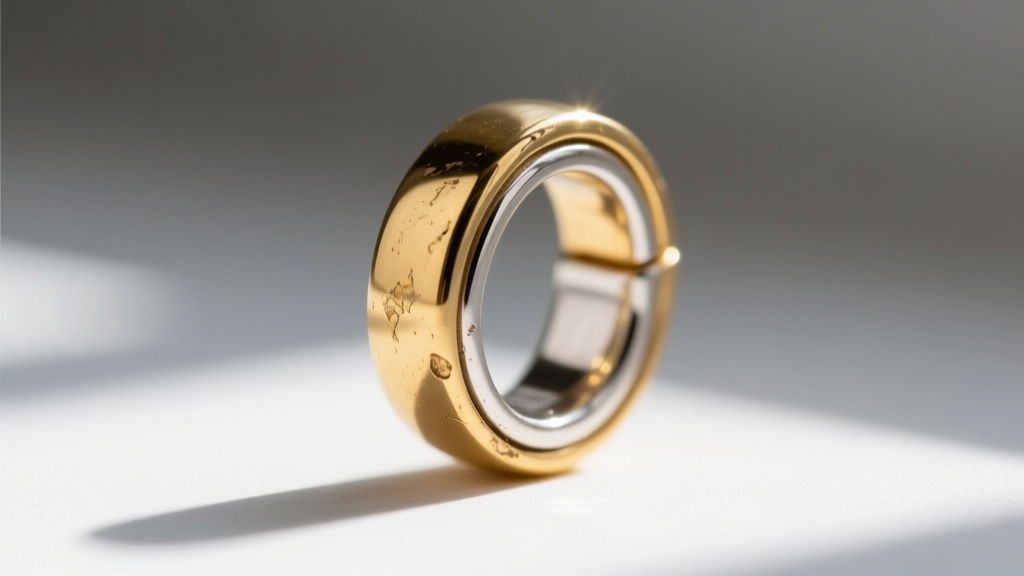
EVRY Jewels also produces solid gold necklaces, primarily in 10K and 14K. Pure 24K gold is too soft for daily-wear chains, so it is alloyed with metals like copper, silver, and zinc to increase its Vickers hardness. A 14K chain contains 58.5% pure gold, offering an excellent balance of rich color and structural resilience. A 10K chain contains 41.7% pure gold, making it harder and more scratch-resistant, but slightly paler and more prone to surface oxidation due to the higher copper content.
Material Properties & Failure Modes: The Wear Test
To evaluate the true value of an evry jewels gold necklace, we must look at the data. Below is a comparative breakdown of the brand's typical material tiers against industry longevity standards.
| Material Tier | Base Metal | Gold Thickness | Primary Failure Mode | Expected Daily Lifespan | Avg. Price Range |
|---|---|---|---|---|---|
| Gold Plated | Brass/Copper | < 0.5 microns | Galvanic corrosion, skin discoloration | 3 - 9 months | $45 - $85 |
| Gold Vermeil | 925 Sterling Silver | 2.5+ microns | Micro-abrasion, silver tarnishing | 1 - 3 years | $95 - $160 |
| Solid 10K Gold | None (Solid Alloy) | N/A (Solid) | Surface scratching, clasp fatigue | Lifetime | $250 - $400 |
| Solid 14K Gold | None (Solid Alloy) | N/A (Solid) | Clasp spring degradation | Lifetime | $450 - $800+ |
Galvanic Corrosion and the 'Green Skin' Phenomenon
One of the most common complaints with lower-tier plated necklaces is galvanic corrosion. When you wear a brass-based gold-plated necklace, sweat acts as an electrolyte. If there is a microscopic pore or scratch in the gold plating, a galvanic cell is formed between the noble gold and the base copper. The gold acts as a cathode and the copper as an anode, accelerating the corrosion of the copper. This produces copper chloride, a green salt that transfers directly to your neck. This is not a sign that the gold itself is 'fake', but rather a chemical inevitability of thin plating over a reactive base metal. If you live in a high-humidity climate or have naturally acidic skin (a pH below 5.5), an EVRY plated necklace will degrade significantly faster than the brand's marketing suggests.
Chain Styles and Structural Integrity
The longevity of any necklace is heavily dictated by its chain style and the welding techniques used during manufacturing. EVRY Jewels utilizes a variety of chains, each with distinct structural properties.
Cable and Box Chains: The Workhorses
Cable chains, featuring uniform oval links, and box chains, with square interlocking links, are the most common for delicate pendants. Box chains are inherently stronger due to their interlocking geometry, which distributes tensile stress evenly across multiple planes. However, the ultra-thin 1mm box chains often used for lightweight EVRY pendants are prone to 'kinking'. Once a box chain kinks, the structural integrity of that specific link is permanently compromised, making it a prime candidate for snapping under minor tension.
Curb and Rope Chains: Tensile Strength
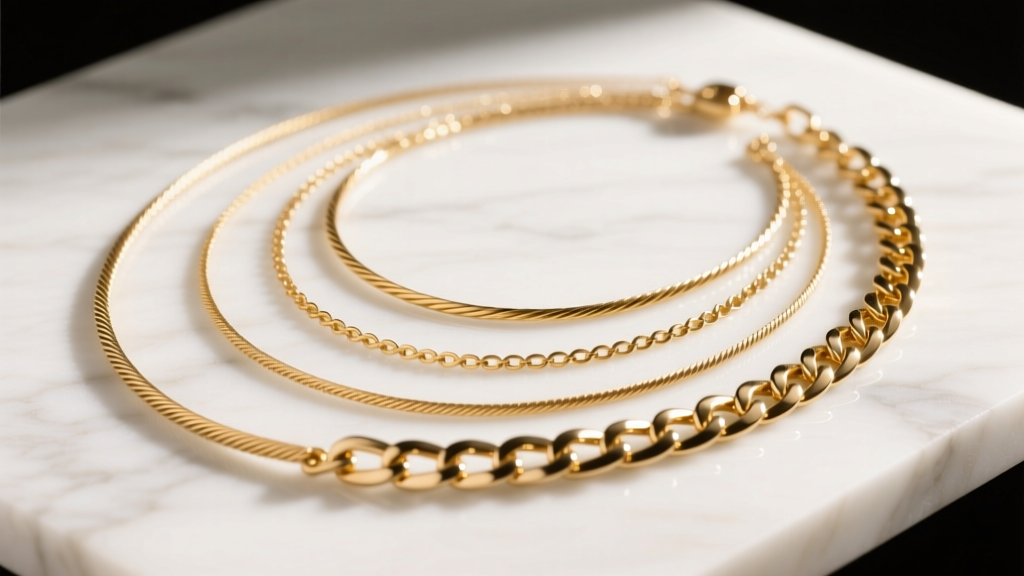
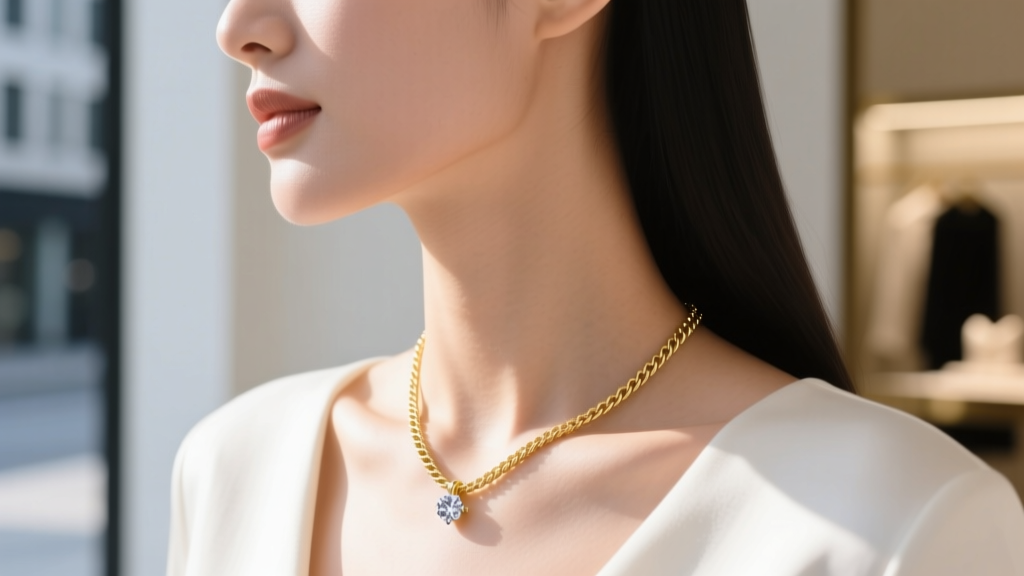
For heavier pendants or standalone statement pieces, EVRY's curb and rope chains offer superior tensile strength. Curb chains feature flattened links that interlock tightly, reducing the friction and micro-abrasion that occurs between moving links. Rope chains, while visually stunning and excellent at catching light, are notoriously difficult to repair if they snap. The twisting pattern means that laser welding a broken rope chain often leaves a visible, stiff 'dead spot' in the fluid drape of the metal.
Clasp Mechanisms: The Hidden Weak Point
A chain is only as strong as its clasp. EVRY Jewels predominantly uses standard spring-ring clasps for delicate chains and lobster clasps for heavier pieces. The failure point in a spring-ring clasp is almost always the internal steel tension spring. Over time, exposure to moisture and cosmetic chemicals causes the internal spring to rust or lose its temper, resulting in a clasp that fails to snap shut securely. When investing in a solid 14K EVRY necklace, always inspect the clasp; if the brand uses a gold-plated brass clasp on a solid gold chain (a common cost-cutting measure in the industry), demand a solid gold replacement to ensure uniform longevity.
Care Protocols to Extend Plating Lifespan
If you opt for a gold-plated or vermeil evry jewels gold necklace, you can artificially extend its lifespan through strict maintenance protocols:
- Avoid Ultrasonic Cleaners: Never use ultrasonic jewelry cleaners on plated or vermeil pieces. The high-frequency cavitation bubbles will literally blast the microscopic gold layer off the base metal.
- The Microfiber Protocol: After every wear, gently wipe the chain with a clean, dry microfiber cloth. This removes the invisible layer of sebum, lactic acid, and salt that initiates galvanic corrosion.
- Chemical Sequencing: Always apply perfumes, hairsprays, and lotions at least 10 minutes before putting on your necklace. The alcohol and volatile organic compounds (VOCs) in cosmetics can degrade the protective anti-tarnish coatings applied over the gold plating.
- Anti-Tarnish Storage: Store vermeil pieces in an airtight polyethylene bag with a 3M anti-tarnish strip. The strip absorbs airborne sulfur compounds before they can react with the exposed sterling silver at the chain's friction points.
The Final Verdict on Value
Is an evry jewels gold necklace worth your money? The answer depends entirely on your expectations and the specific material tier you select. If you are purchasing a $60 gold-plated brass chain, treat it as seasonal fashion jewelry with a built-in expiration date. However, if you invest in their solid 14K or high-micron vermeil collections, you are acquiring a piece with genuine metallurgical value and structural longevity. By understanding the science of the alloys and the chemistry of wear, you can curate a collection that transcends fleeting social media trends and becomes a lasting fixture in your jewelry wardrobe.


