Expert Care and Cleaning for a Blood Pearl Necklace
Learn how to safely clean, store, and maintain your blood pearl necklace. Expert tips on preserving the deep red luster and preventing nacre damage.

Understanding the Unique Composition of Blood Pearls
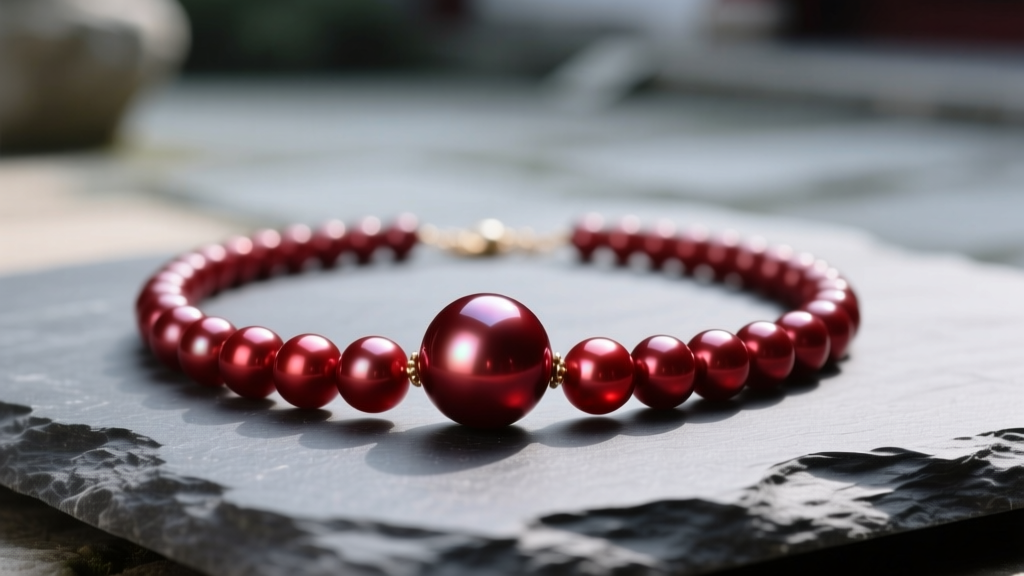
The allure of a blood pearl necklace lies in its striking, deep crimson hue and captivating luster. However, before you can properly care for this exquisite piece of jewelry, you must understand its gemological composition. In the fine jewelry trade, the term 'blood pearl' typically refers to one of two distinct categories: the extraordinarily rare, naturally occurring reddish-purple pearls produced by the Quahog clam, or, much more commonly, commercially treated and dyed freshwater pearls engineered to mimic this rare coloration.
Natural Quahog blood pearls are non-nacreous, meaning they lack the traditional iridescent layers of aragonite platelets. Instead, they possess a smooth, porcelain-like luster and are highly sensitive to heat and prolonged light exposure. Conversely, dyed freshwater blood pearls are nacreous but undergo post-harvest chemical treatments to achieve their signature red tone. This dyeing process makes the nacre exceptionally porous and vulnerable to harsh solvents, which can strip the color and leave the pearl looking dull and patchy. According to the Gemological Institute of America (GIA), understanding whether your pearl is natural or treated is the critical first step in establishing a safe, long-term maintenance regimen.
The Daily Wear Protocol: Prevention is Key
Pearls are organic gemstones, ranking a mere 2.5 to 4.5 on the Mohs hardness scale. This makes your blood pearl necklace highly susceptible to micro-scratches from everyday contact with harder materials. To preserve the structural integrity and vibrant color of your necklace, adopt the 'Last On, First Off' rule.
- Last On: Always put your blood pearl necklace on after you have applied makeup, perfume, hairspray, and skincare products. The alcohol and aerosol polymers in these cosmetics can create a microscopic film over the nacre, dulling the red luster and, in the case of dyed pearls, accelerating color fading.
- First Off: Remove the necklace immediately upon returning home, before changing clothes or doing household chores. This prevents accidental snagging on fabrics and protects the pearls from harsh household cleaning agents.
- The Sweat Factor: Human perspiration contains lactic acid, which has a pH ranging from 4.5 to 7.0. Because calcium carbonate (the primary mineral in pearls) begins to dissolve at any pH below 4.0, prolonged exposure to heavy, acidic sweat can slowly etch the surface of your pearls. Always wipe them down after wearing them in warm environments.
Step-by-Step Cleaning Method for Blood Pearls
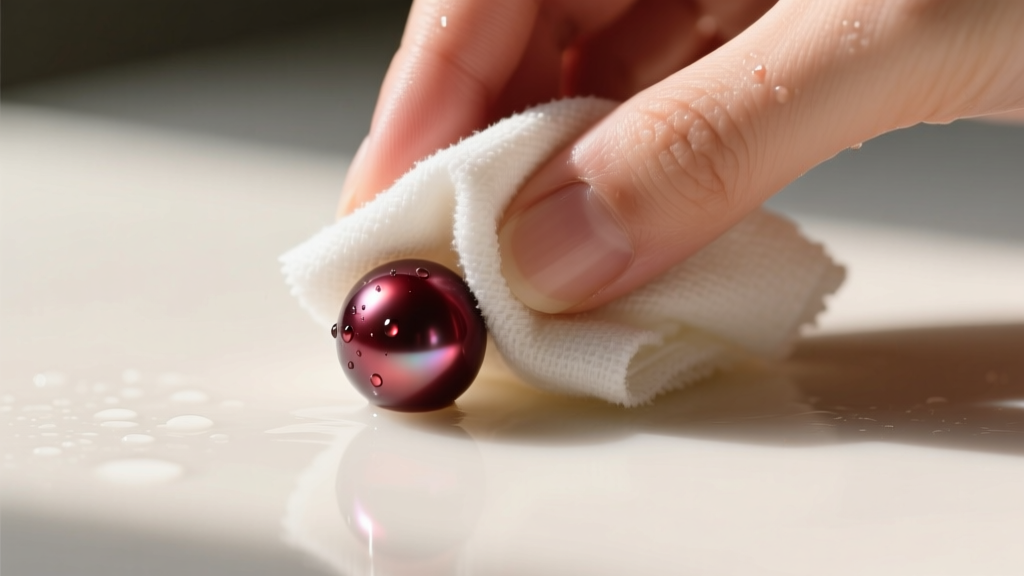
When your blood pearl necklace loses its brilliance, it requires a gentle, highly specific cleaning approach. Never use ultrasonic cleaners, steam cleaners, or commercial jewelry dips, as the high-frequency vibrations and harsh chemicals will shatter the nacre or strip the red dye entirely.
- Prepare a Safe Solution: Fill a small glass bowl with distilled water. Avoid tap water, as it often contains chlorine and fluoride, which can react negatively with the pearl's organic matrix. Add a single drop of pH-neutral, dye-free baby shampoo (pH 7.0) and gently agitate the water to create a mild lather.
- Dampen, Do Not Soak: Dip a lint-free microfiber cloth or a very soft, clean makeup brush into the solution. Wring it out until it is only slightly damp. Never submerge your blood pearl necklace in water. Soaking the necklace will cause the silk thread to swell, stretch, and eventually rot from the inside out, leading to catastrophic strand failure.
- Gently Wipe Each Pearl: Carefully wipe each individual pearl, paying special attention to the areas around the drill holes where sebum and dead skin cells tend to accumulate. Use a dry cotton swab to gently clean the crevices near the clasp.
- Air Dry Flat: Lay the necklace flat on a clean, dry towel in a well-ventilated area away from direct sunlight. Never hang a wet pearl necklace, as the weight of the water will permanently stretch the damp silk thread, causing the pearls to gap and rub against one another.
The Chemical Danger Zone: What to Avoid
To maintain the deep red saturation of a treated blood pearl necklace, you must strictly avoid common household and cosmetic chemicals. The American Gem Society (AGS) warns that organic gems require a chemical-neutral environment to prevent irreversible degradation.
| Chemical Agent | Common Source | Specific Failure Mode on Blood Pearls |
|---|---|---|
| Alcohol (Ethanol) | Perfumes, Hand Sanitizers | Dries out the conchiolin protein matrix, leading to surface crazing and stripping of artificial red dyes. |
| Chlorine / Bleach | Swimming Pools, Cleaners | Causes immediate pitting and dissolution of the calcium carbonate aragonite crystals. |
| Acetic Acid | Vinegar, Citrus Juices | Drops surface pH below 4.0, resulting in rapid chemical etching and permanent loss of luster. |
| Aerosol Polymers | Hairspray, Setting Sprays | Creates a sticky, opaque film that traps dirt and blocks light from entering the nacre layers. |
Proper Storage and Restringing Maintenance
How you store your blood pearl necklace is just as important as how you clean it. Pearls require a specific level of ambient humidity to prevent the conchiolin protein from drying out and cracking. Storing them in an airtight plastic bag or a safety deposit box for extended periods will dehydrate the gems, causing them to yellow and fracture.
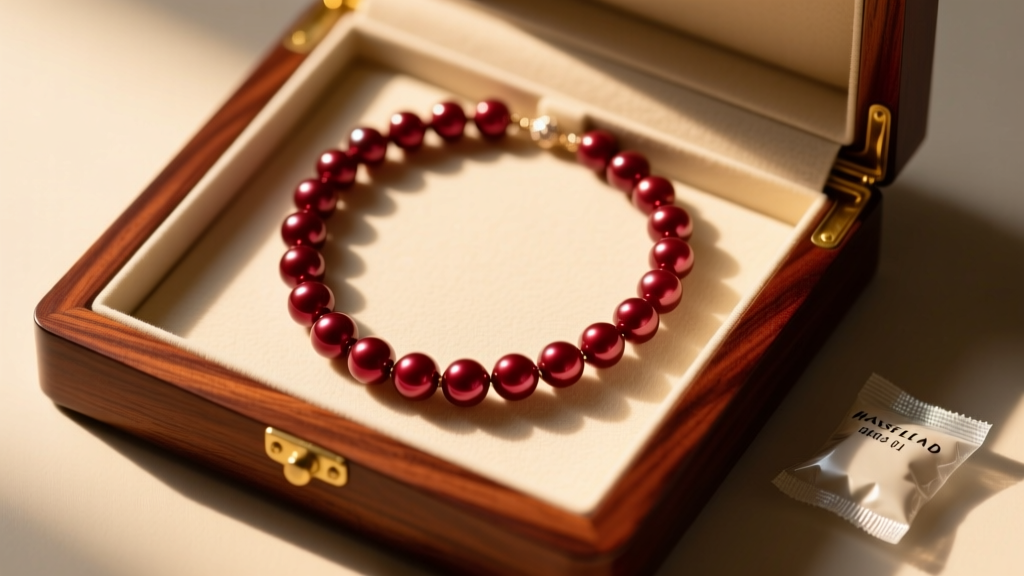
Pro Tip: Store your blood pearl necklace in a soft, untreated linen or cotton pouch inside your jewelry box. If you live in an exceptionally dry climate, place a lightly dampened (not wet) piece of cotton in a separate small compartment of the box to maintain ambient humidity without directly touching the pearls.
Furthermore, the structural integrity of the necklace relies heavily on the stringing material. High-quality blood pearl necklaces are strung on 100% silk thread with individual knots between each pearl to prevent them from rubbing together and to secure the stones in case the strand breaks. If you wear your necklace weekly, the silk will degrade due to microscopic friction and exposure to skin oils. You should have the necklace professionally restrung every 12 to 18 months. Ensure your jeweler uses Size E or F silk thread and incorporates 'French wire' (gimp) at the clasp ends to protect the silk from fraying against the metal findings.
Expert Troubleshooting: Dullness and Dye Bleeding
Even with meticulous care, issues can arise. If your blood pearl necklace begins to look chalky or dull, it is likely suffering from surface dehydration or a buildup of cosmetic residue that standard wiping cannot remove. In this scenario, you can apply a microscopic amount of pure, food-grade mineral oil to a soft cloth and gently buff the pearls. This temporarily rehydrates the surface and restores the optical depth of the red color. However, this is a temporary cosmetic fix; the pearls must still be kept away from harsh environmental factors.
If you notice the red dye bleeding onto your skin or clothing, the pearl has been exposed to a solvent or excessive moisture, causing the dye to leach from the porous nacre. Stop wearing the necklace immediately. Wipe the pearls gently with a dry, soft cloth to remove any surface moisture and take the piece to a certified gemologist. In some cases, a professional can carefully re-polish the outermost damaged layer and apply a safe, jewelry-grade color enhancer, though this is highly dependent on the original treatment method used by the manufacturer.
By respecting the organic nature of the blood pearl and adhering to these rigorous care, maintenance, and cleaning protocols, you will ensure that your necklace retains its dramatic, crimson beauty and structural elegance for generations to come.


