Decoding the Magic: What Does Colors Mean on a Mood Necklace?
Discover what does colors mean on a mood necklace. Learn the thermochromic science, decode the color chart, and find tips to protect your jewelry.

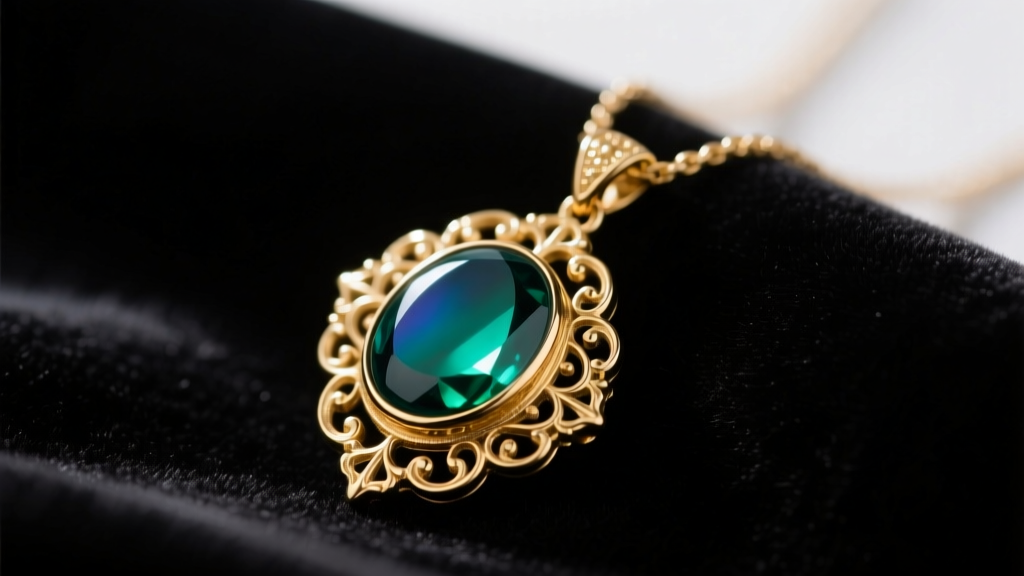
The Nostalgic Return of Mood Jewelry
If you have ever found yourself staring at a shifting pendant and wondering what does colors mean on a mood necklace, you are participating in a jewelry tradition that dates back to the mid-1970s. Originally invented in 1975 by Josh Reynolds and Maris Ambats, mood jewelry was marketed as a wearable window into your emotional state. While the trend peaked in the late 20th century, modern jewelry artisans have revived the concept, blending nostalgic charm with contemporary metallurgy and advanced thermochromic materials.
Today, mood pendants are no longer just cheap plastic novelties. High-end jewelers are encapsulating thermochromic elements within borosilicate glass and setting them in sterling silver or 14k gold bezels. But beneath the polished exterior, the core mechanism remains rooted in fascinating material science. To truly understand your jewelry, we must look past the marketing and examine the chemical reactions happening against your collarbone.
The Science: How Thermochromic Liquid Crystals Work
Before decoding the specific hues, it is vital to understand the mechanism driving the color shift. Mood necklaces do not actually read your brainwaves or emotional state. Instead, they measure your peripheral skin temperature, which is influenced by your body's physiological responses to emotions.
When you are stressed or anxious, your body directs blood flow toward your core and vital organs, leaving your extremities and skin surface cooler. Conversely, when you are relaxed, passionate, or excited, blood vessels dilate, bringing more warm blood to the skin's surface. The pendant rests against the sternum, a highly vascular area that accurately reflects these subtle thermal fluctuations.
According to chemical analyses published by Compound Interest, the "magic" inside the pendant relies on thermochromic leuco dyes or cholesteric liquid crystals. In modern pendants, micro-encapsulated leuco dyes are most common. These capsules contain three primary components:
- The Chromogen: The actual color-producing molecule (often crystal violet lactone).
- The Weak Acid: A compound that donates a proton to the chromogen, altering its molecular structure and changing the way it absorbs light.
- The Solvent: A fatty alcohol (like decanol) that melts at a very specific temperature threshold, separating the acid from the chromogen and triggering the color shift.
As your body heat warms the pendant, the solvent melts, the chemical bond shifts, and the color changes. It is a brilliant, albeit purely physical, reaction.
Decoding the Chart: What Does Colors Mean on a Mood Necklace?
When beginners ask what does colors mean on a mood necklace, the answer is usually found on a standardized color chart. While manufacturers may tweak the exact temperature thresholds, the general consensus across the jewelry industry aligns with the following thermal-emotional map.
| Pendant Color | Temperature Range | Attributed Mood | Scientific Reality |
|---|---|---|---|
| Black / Brown | Below 72°F (22°C) | Stressed, Cold, or Anxious | Poor peripheral circulation, cold environment, or the pendant is damaged/dead. |
| Deep Blue / Teal | 72°F - 80°F (22°C - 26°C) | Relaxed, Calm, Normal | Baseline resting skin temperature in a comfortable room. |
| Light Green | 80°F - 86°F (26°C - 30°C) | Slightly Active, Alert | Mild physical movement or a slightly warm ambient environment. |
| Amber / Orange | 86°F - 90°F (30°C - 32°C) | Nervous, Uneasy, Active | Elevated heart rate, physical exertion, or localized skin warming. |
| Red / Pink | Above 90°F (32°C) | Excited, Passionate, Angry | Vasodilation due to strong emotional response, exercise, or fever. |
| Violet / Purple | Peak Skin Temp | Happy, Romantic, Playful | Optimal skin warmth, often achieved after prolonged wear in a warm climate. |
"Mood jewelry is a beautiful intersection of organic chemistry and wearable art. It doesn't read your mind, but it beautifully maps your body's autonomic nervous system responses." — Historical notes from the Smithsonian Magazine archives on 1970s novelty science.
Why Your Mood Necklace Might Show "Black" or "Brown"
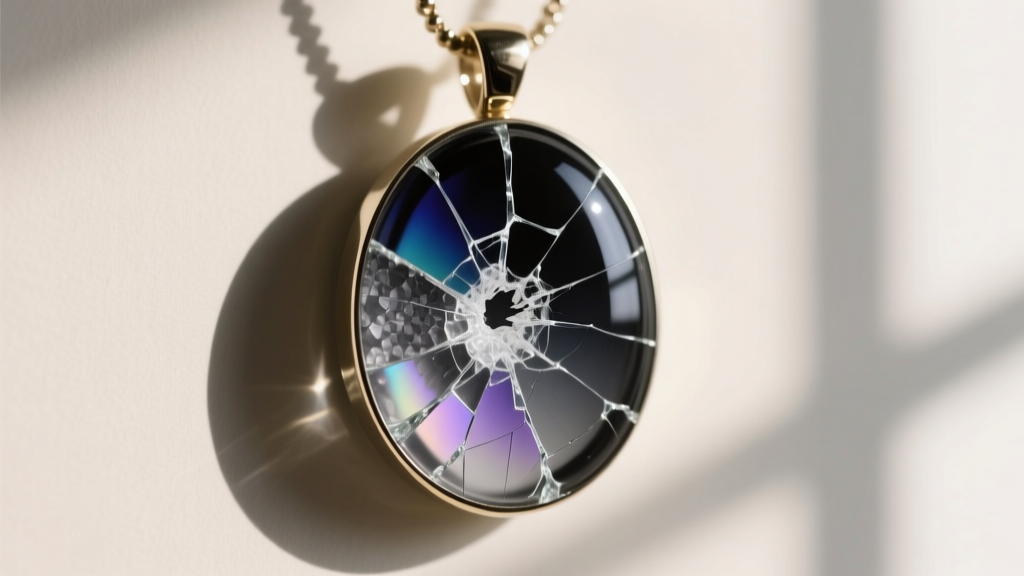
The most common complaint among new owners is a pendant that stubbornly remains black or dark brown, regardless of how long it is worn. While the chart suggests this means you are deeply stressed, the reality is usually a material failure. Thermochromic microcapsules are incredibly fragile. Here are the primary failure modes that cause a pendant to "die":
1. Water Intrusion
If the glass or acrylic cabochon seal is compromised, moisture enters the thermochromic layer. Water disrupts the delicate balance of the weak acid and solvent, permanently freezing the dye in its leuco (colorless/black) state. Never wear a mood necklace in the shower or pool.
2. UV Degradation
Prolonged exposure to direct ultraviolet sunlight breaks down the molecular bonds of the chromogen. If you leave your necklace on a sunny dashboard, the chemical reaction will permanently degrade, leaving the stone a cloudy, muddy brown.
3. Extreme Thermal Shock
Exposing the pendant to extreme heat (like leaving it near a heater) or extreme cold (freezing temperatures) can rupture the microscopic capsules holding the liquid crystals, destroying the color-shifting capability.
How to Test if Your Pendant is Still Alive
If your necklace is stuck on black, do not throw it away immediately. You can perform a simple thermal shock test to see if the microcapsules are still intact. Hold the pendant securely between your palms and rub them together vigorously for 60 seconds to generate friction heat. Alternatively, carefully hold the pendant near (but not touching) a warm mug of tea. If the stone slowly transitions from black to deep blue or green, the thermochromic layer is intact, and the issue was simply a cold room or poor circulation. If it remains pitch black under direct, safe heat, the chemical dye has degraded.
Care and Maintenance: Prolonging the Color Shift
To ensure your mood pendant continues to accurately reflect your thermal shifts for years, you must treat it as a delicate scientific instrument rather than standard fashion jewelry. Follow these strict care protocols:
- Avoid Chemicals: Perfumes, lotions, and hairsprays can degrade the adhesive sealing the cabochon to the metal bezel, leading to moisture intrusion.
- Store in the Dark: When not wearing the piece, store it in an opaque jewelry box or a velvet pouch to prevent UV degradation from ambient sunlight.
- Wipe Gently: Clean the surface only with a dry, microfiber cloth. Avoid ultrasonic jewelry cleaners and chemical silver dips, which will instantly destroy the pendant's seal.
Modern Upgrades: 2026 Thermochromic Pendant Designs
The mood jewelry of the past was notorious for using cheap pot-metal alloys and easily scratched acrylic domes. In 2026, the market has shifted toward heirloom-quality construction. Modern artisans are now using borosilicate glass cabochons, which offer superior optical clarity and resist scratching far better than acrylic. Furthermore, the thermochromic layers are being sealed with medical-grade, waterproof epoxies, vastly improving the jewelry's resistance to humidity and accidental splashes.
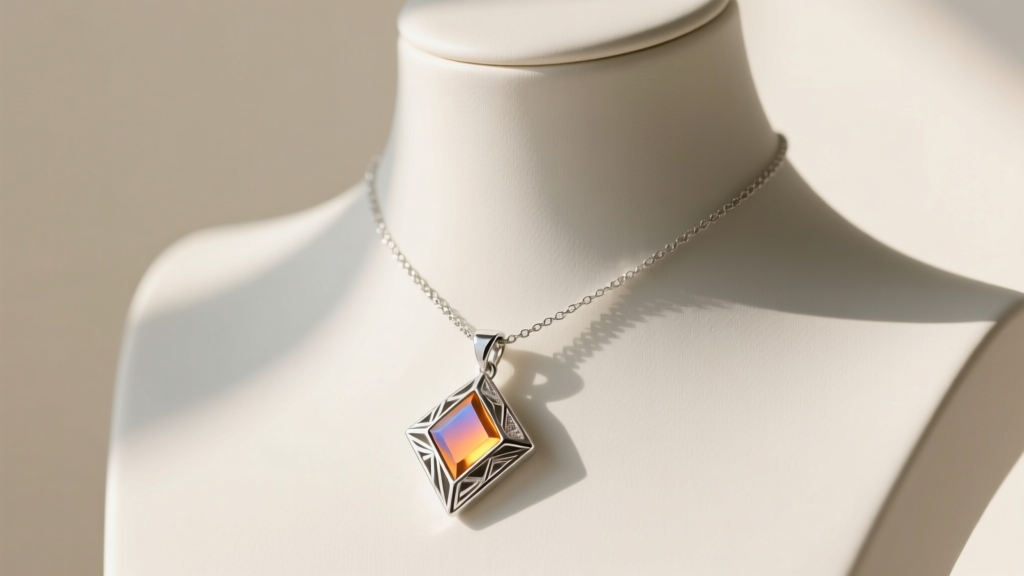
By pairing these advanced glass seals with hypoallergenic sterling silver or 14k gold-filled chains, contemporary mood necklaces have transcended their novelty roots. They are now sophisticated conversation starters that blend retro charm with genuine material science.
Final Thoughts on Wearing Your Heart on Your Neck
Understanding what does colors mean on a mood necklace transforms it from a simple toy into a fascinating biological mirror. While it may not perfectly articulate your deepest emotional complexities, it provides a beautiful, real-time visualization of your body's physical reactions to the world around you. By respecting the delicate chemistry inside the pendant and providing proper care, your thermochromic jewelry will continue to shift, glow, and surprise you for years to come.


