How to Fix a Mottled Necklace: Tarnish & Plating Troubleshooting
Is your favorite jewelry looking blotchy? Learn how to troubleshoot a mottled necklace, identify plating wear versus tarnish, and restore its finish.

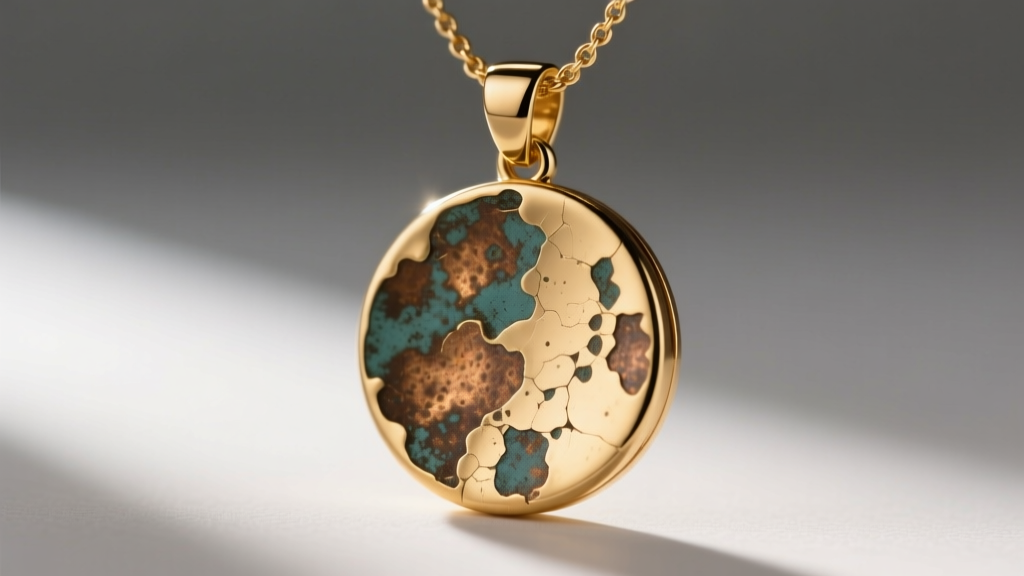
A mottled necklace is rarely just 'dirty.' When the surface of your jewelry develops a blotchy, uneven, or spotted appearance, you are witnessing a metallurgical or chemical failure. Whether it is the uneven delamination of gold plating, the localized oxidation of sterling silver, or the chemical etching of an enamel pendant, a mottled finish requires specific, targeted troubleshooting. Attempting to clean a mottled necklace with generic jewelry dips or abrasive polishing cloths can permanently destroy the piece. In this comprehensive guide, we will diagnose the exact cause of your necklace's mottled appearance and provide professional-grade restoration techniques to salvage your jewelry.
The Anatomy of a Mottled Necklace: Plating vs. Patina
To effectively troubleshoot a mottled necklace, you must first understand the difference between surface contamination, oxidation (patina), and plating failure. Mottling occurs when different areas of the metal react to environmental stressors at varying rates. For example, a sterling silver chain might develop black spots in the crevices where moisture and sulfur are trapped, while the high-friction areas remain bright. Conversely, a gold-plated brass pendant will look mottled when the microscopic layer of gold wears away in patches, revealing the yellowish base metal beneath. According to the Gemological Institute of America (GIA), understanding the base material and the surface treatment is the critical first step in gem and metal care, as using the wrong chemical agent can accelerate corrosion.
Diagnostic Chart: Identifying Your Necklace's Blotches
Before applying any cleaning solution, use this diagnostic table to identify the root cause of the mottling. Misdiagnosing plating wear as tarnish is the most common mistake consumers make, often resulting in the complete removal of the remaining gold layer.
| Visual Symptom | Base Material | Root Cause | Troubleshooting Action |
|---|---|---|---|
| Yellowish or brassy patches | Gold Vermeil / Plated Brass | Plating wear (flash plating under 0.5μm) | Stop polishing immediately; seek professional replating |
| Black, brown, or purple spots | Sterling Silver (925) | Copper oxidation (silver sulfide tarnish) | Electrochemical reduction (aluminum foil bath) |
| Chalky white or green crust | Raw Brass / Bronze / Copper | Verdigris (copper carbonate buildup) | Mechanical removal followed by a mild acid wash |
| Cloudy, uneven, or sticky resin | Epoxy or Vitreous Enamel | UV degradation or chemical etching from perfume | Unfixable; replace the pendant component entirely |

Step-by-Step Restoration for Sterling Silver
If your mottled necklace is solid sterling silver or heavy silver-plated over copper, the blotches are almost certainly silver sulfide tarnish. Silver alloys contain 7.5% copper, and it is this copper that reacts with atmospheric sulfur to create dark, mottled spots.
The Electrochemical Foil Bath Method
Do not use abrasive pastes on heavily mottled silver, as they remove microscopic layers of the metal. Instead, use an electrochemical reaction to convert the silver sulfide back into pure silver. Line a glass bowl with aluminum foil (shiny side up). Place your silver necklace in the bowl, ensuring it touches the foil. Add one tablespoon of baking soda and one tablespoon of non-iodized salt. Pour boiling water over the mixture until the necklace is submerged. You will smell a distinct 'rotten egg' odor—this is the sulfur releasing from the silver and bonding with the aluminum. After three to five minutes, remove the necklace with plastic tongs, rinse thoroughly in distilled water, and pat dry with a lint-free microfiber cloth.
Mechanical Polishing for Severe Tarnish
If the foil bath does not remove the deepest black spots in the chain links, you will need a treated jeweler's cloth. Look for cloths impregnated with jeweler's rouge (iron oxide) and a mild anti-tarnish chemical. Gently pull the chain through the cloth, applying minimal pressure to avoid stretching the links or snapping the jump rings.
Gold Vermeil and Rhodium: Handling Delicate Plating
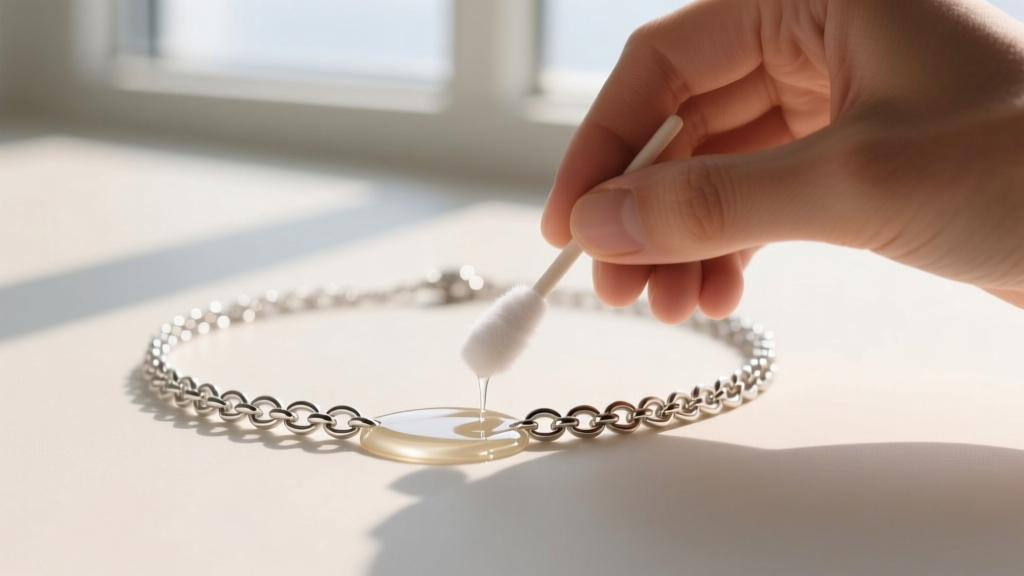
The most frustrating type of mottled necklace is one made of gold vermeil or rhodium-plated silver. If your gold necklace looks mottled, brassy, or pinkish, the gold layer has worn through. The Federal Trade Commission (FTC) mandates that true gold vermeil must have a gold layer of at least 2.5 microns over a sterling silver base. However, many fast-fashion brands use 'flash plating' at merely 0.1 to 0.3 microns. When flash plating wears off unevenly, it creates a mottled, patchy appearance.
Critical Warning: Never use silver polish, baking soda, or abrasive cloths on a mottled gold vermeil necklace. You will strip the remaining gold instantly. To clean a vermeil piece that is mottled due to surface oils and dirt (but not plating loss), use a drop of pH-neutral dish soap in lukewarm water, agitate gently with a baby-hair soft toothbrush, and air dry. If the mottling is due to plating loss, the only fix is to take the piece to a local bench jeweler for a professional micron-thick electroplating bath.
The 2026 Shift: PVD Coatings and Modern Metallurgy
As of 2026, the jewelry industry has seen a massive shift toward Physical Vapor Deposition (PVD) coatings, particularly on stainless steel and titanium pendant necklaces. Unlike traditional wet electroplating, PVD bonds gold or rose-gold titanium nitride to the base metal at a molecular level in a vacuum chamber. If you own a modern PVD-coated necklace, it is highly resistant to the mottling and flaking that plagues traditional vermeil. However, PVD can still become mottled if exposed to harsh chlorine (like in swimming pools) or highly alkaline soaps. To troubleshoot a mottled PVD necklace, simply wash it with a mild, sulfate-free cleanser and buff it with a clean microfiber cloth. The color will not rub off, but surface contamination can cause a cloudy, blotchy optical illusion.
Preventative Maintenance: The Ultimate Care Standard
Once you have restored your necklace, implementing a strict storage protocol is essential to prevent future mottling.
- Intercept Paper: Store silver and copper-alloy necklaces in ziplock bags with 3M anti-tarnish strips. These strips contain copper particles that react with sulfur gas before it can reach your jewelry.
- Silica Gel Packets: Moisture accelerates both verdigris on brass and tarnish on silver. Always include a fresh silica gel packet in your jewelry box.
- The 'Last On, First Off' Rule: Perfumes, hairsprays, and lotions contain alcohols and volatile organic compounds (VOCs) that chemically etch porous stones and degrade gold plating, leading to a mottled finish. Always put your necklace on after your beauty routine is complete.
- Avoid Sulfur Environments: Hot springs, rubber bands, and even certain types of wool or felt jewelry box linings emit sulfur. Never store your necklaces wrapped in rubber or resting on felt.
Conclusion
Troubleshooting a mottled necklace requires a precise understanding of metallurgy and surface treatments. By correctly identifying whether your piece is suffering from reversible silver tarnish, removable verdigris, or irreversible plating loss, you can choose the exact restoration method required. Treat your jewelry with the chemical respect it demands, and you will preserve its finish and structural integrity for decades to come.


