Best Extender Necklace Chain Materials Compared for Durability
Compare the best extender necklace chain materials for durability, tarnish resistance, and skin safety. Find the perfect adjustable chain match.

Why Your Extender Necklace Chain Material Matters More Than You Think
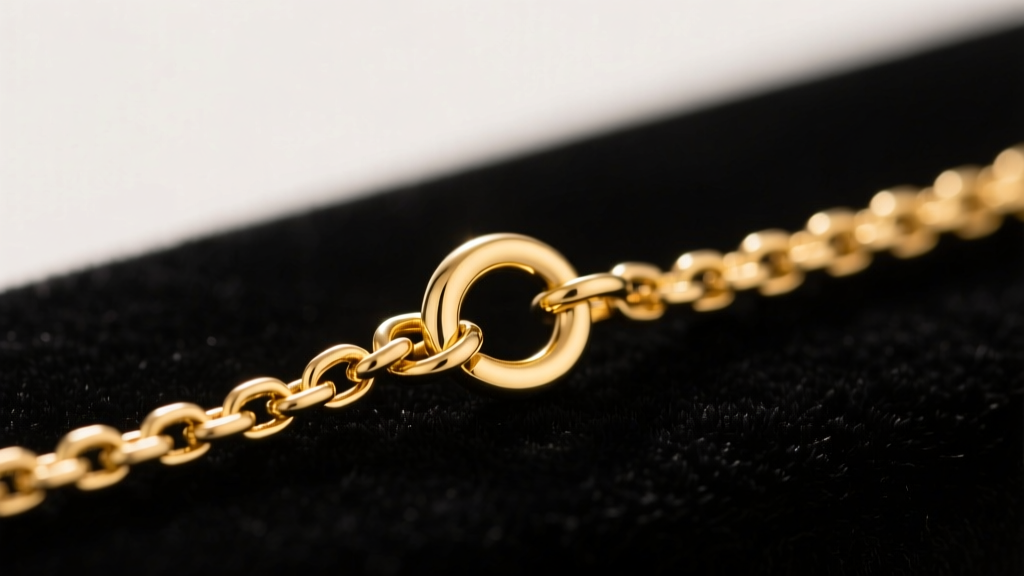
When designing, repairing, or adjusting a necklace, the extender necklace chain is frequently treated as an afterthought. Jewelers and hobbyists often focus heavily on the pendant or the primary chain, only to attach a mismatched or low-quality extender to achieve the desired length. However, the extender chain endures disproportionate mechanical stress. Every time the wearer fastens the clasp, the links of the extender bear the brunt of the pulling, twisting, and friction. Furthermore, because extenders rest directly against the nape of the neck—a zone prone to sweat, hair products, and high body heat—the material properties of the extender dictate not only the lifespan of the jewelry but also the wearer's skin health.
Choosing the correct extender necklace chain requires a deep understanding of metallurgy, gauge thickness, and environmental resistance. A poorly chosen extender will tarnish rapidly, snap under the weight of a heavy pendant, or trigger contact dermatitis. In this comprehensive guide, we break down the material properties of the most common extender chains, providing actionable data to help you match the right alloy to your specific jewelry design.
The Big Five: Extender Chain Materials Compared
Before diving into the metallurgical nuances, it is helpful to view the baseline performance of the five most prevalent materials used in extender chains. The table below outlines their core properties, ideal use cases, and relative price points per inch.
| Material | Tarnish Resistance | Hypoallergenic? | Tensile Strength | Avg. Cost (per inch) |
|---|---|---|---|---|
| Sterling Silver (925) | Low (Requires maintenance) | Mostly (Copper allergy risk) | Moderate | $0.50 - $1.20 |
| 14k Gold-Filled (14/20) | High | Yes | High | $1.50 - $3.00 |
| 316L Surgical Steel | Very High | No (Contains Nickel) | Very High | $0.10 - $0.30 |
| Titanium (Grade 2) | Extreme | Yes (100% Biocompatible) | Extreme | $0.80 - $1.50 |
| Brass (Raw/Plated) | Very Low | No | Moderate | $0.05 - $0.15 |
Metallurgical Deep Dive: Properties and Failure Modes
Sterling Silver (925) vs. Argentium Silver
Standard 925 sterling silver consists of 92.5% pure silver and 7.5% copper. While it is a classic choice for an extender necklace chain, the copper content makes it highly susceptible to oxidation when exposed to sulfur compounds in the air and human sweat. According to the Gemological Institute of America (GIA), silver sulfide forms rapidly on copper-alloyed silver, leading to the familiar black tarnish. For extenders, which are frequently handled and exposed to skin oils, this means high maintenance.
The Upgrade: Argentium Silver replaces a portion of the copper with germanium. This creates a transparent germanium oxide layer on the surface that drastically slows tarnishing. If you are designing a high-end silver piece, spending the extra 30% on an Argentium extender chain will save the wearer hours of polishing.
Gold-Filled (14k/20) vs. Gold Vermeil
Many designers mistakenly use gold vermeil for extenders to save costs. Vermeil is simply sterling silver plated with a minimum of 2.5 microns of gold. Because an extender chain experiences intense, repetitive friction from the lobster clasp or spring ring sliding over its links, vermeil will quickly wear through to the silver core, creating an unsightly two-tone effect.
The Solution: Always use 14k/20 gold-filled chain for gold-toned extenders. As detailed in GIA's gold alloy guides, gold-filled material is created by mechanically bonding a thick layer of 14k gold (comprising at least 5% of the total weight) to a brass core using heat and pressure. This layer is up to 100 times thicker than standard plating and will easily withstand years of clasp friction without wearing through.
Surgical Stainless Steel & The Nickel Myth
316L surgical stainless steel is incredibly strong and virtually impervious to tarnish. However, it is not strictly hypoallergenic. The "L" stands for low carbon, but the alloy still contains 10-14% nickel to provide corrosion resistance. According to clinical data on contact dermatitis, nickel is the most common metal allergen. If your customer base includes individuals with sensitive skin, a 316L steel extender resting on the sweaty nape of the neck will inevitably cause a reaction.
Titanium (Grade 2): The Hypoallergenic King
For absolute skin safety, commercially pure Grade 2 Titanium is unmatched. It contains zero nickel, zero lead, and zero cadmium. It is entirely biocompatible (often used in medical implants) and will never tarnish or react with sweat. The only drawback is its rigidity; titanium is difficult to cut or modify with standard jewelry flush cutters, requiring specialized carbide-tipped tools.
Gauge Thickness and Tensile Strength: The Hidden Metrics
The material alloy is only half the equation; the physical dimensions of the extender necklace chain dictate its structural integrity. Extenders are typically manufactured in 22-gauge (0.64mm), 20-gauge (0.81mm), or 18-gauge (1.02mm) wire thicknesses.
- 22-Gauge (0.64mm): Suitable only for lightweight pendants (under 15 grams) and delicate primary chains. Prone to stretching and link distortion if pulled.
- 20-Gauge (0.81mm): The industry standard for most commercial extenders. Offers an excellent balance of flexibility, drape, and tensile strength for everyday wear.
- 18-Gauge (1.02mm): Required for heavy statement pendants or chunky primary chains. While incredibly strong, it can feel stiff and may not drape elegantly on smaller neck sizes.
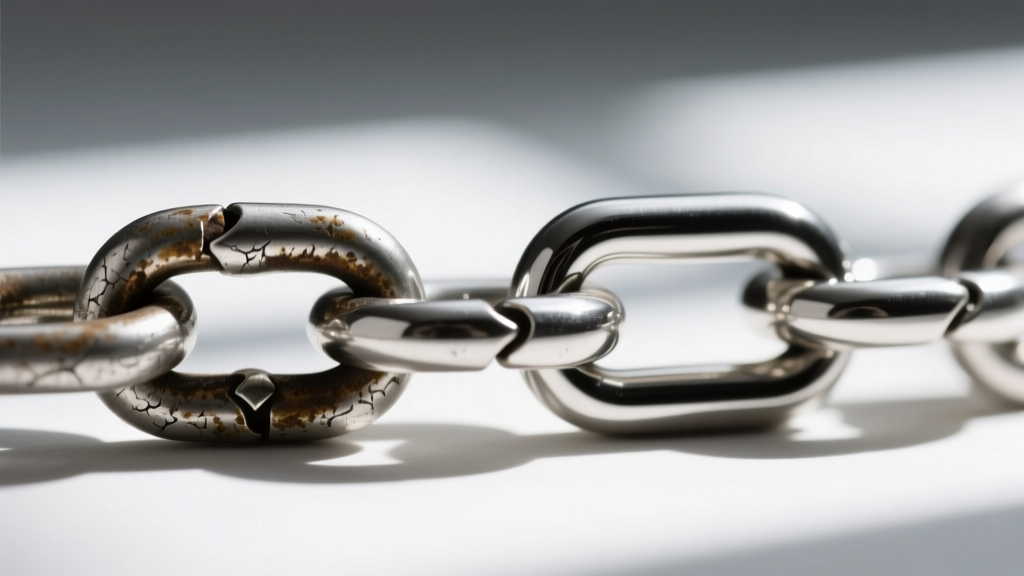
Critical Failure Mode: Always inspect the links of your extender chain. For extenders, you must use soldered links (where the seam of each individual ring is fused shut with solder). Unsoldered cable chains will easily pry open when the wearer tugs the clasp to unfasten the necklace, resulting in a lost pendant.
The Hidden Danger: Galvanic Corrosion
One of the most common mistakes in jewelry assembly is mixing incompatible metals between the primary chain, the extender necklace chain, and the clasp hardware. When two dissimilar metals (like a brass extender and a sterling silver primary chain) come into contact in the presence of an electrolyte (human sweat), it triggers galvanic corrosion.
In this electrochemical reaction, the more reactive metal (the anode) will corrode rapidly to protect the less reactive metal (the cathode). A brass extender attached to a silver chain will degrade, pit, and turn the wearer's skin green within weeks. Rule of thumb: Always match the extender chain material exactly to the primary chain and clasp hardware. If you must mix, ensure a physical barrier (like a coated jump ring) separates the metals, though this is not recommended for professional pieces.
Real-World Pricing and Sourcing Guide
When sourcing extender chains in bulk, pricing varies wildly based on material and manufacturing origin. Here is what you should expect to pay for high-quality, soldered rolo or cable chains in 2026:
- Brass (Gold-Plated): $0.05 - $0.15 per inch. (High failure rate, high tarnish. Avoid for fine jewelry).
- 316L Stainless Steel: $0.10 - $0.30 per inch. (Excellent for budget-friendly, streetwear, or men's jewelry lines).
- 925 Sterling Silver: $0.50 - $1.20 per inch. (Standard for mid-tier fine jewelry. Ensure links are soldered).
- 14k Gold-Filled: $1.50 - $3.00 per inch. (The gold standard for demi-fine jewelry brands).
- Solid 14k Gold: $8.00 - $15.00+ per inch. (Reserved strictly for high-end, luxury fine jewelry).
When ordering from wholesalers, always request a "soldered rolo" or "soldered cable" chain specifically for extender use. Standard bulk chains are often unsoldered to allow jewelers to easily cut and attach them, which is a structural liability for an adjustable extension tail.
Final Verdict: Matching Material to Your Pendant
Selecting the right extender necklace chain is an exercise in balancing budget, aesthetics, and wearer comfort. For demi-fine brands focusing on everyday durability, 14k/20 gold-filled in a 20-gauge soldered rolo link is the undisputed champion. It resists clasp friction, prevents tarnish, and maintains a luxurious appearance. For heritage or high-end silver pieces, upgrading to Argentium silver ensures the extender won't become a blackened eyesore after a month of wear. Finally, if your brand caters to sensitive skin or medical-grade hypoallergenic requirements, Grade 2 Titanium is the only material that guarantees zero allergic reactions, provided you have the specialized tooling to work with it. By respecting the metallurgy and mechanics of the humble extender, you elevate the entire quality and longevity of your jewelry designs.