Opalite Taylor Swift Necklace: A Beginner's Style Guide
Discover everything about the opalite Taylor Swift necklace trend. Learn how to spot quality glass, style it for Eras, and care for your pendant.
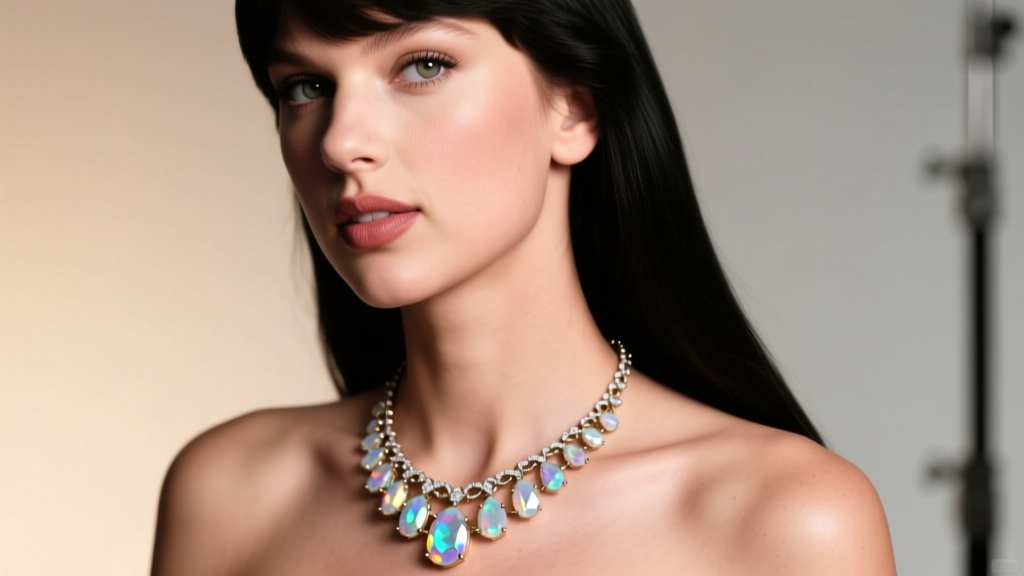
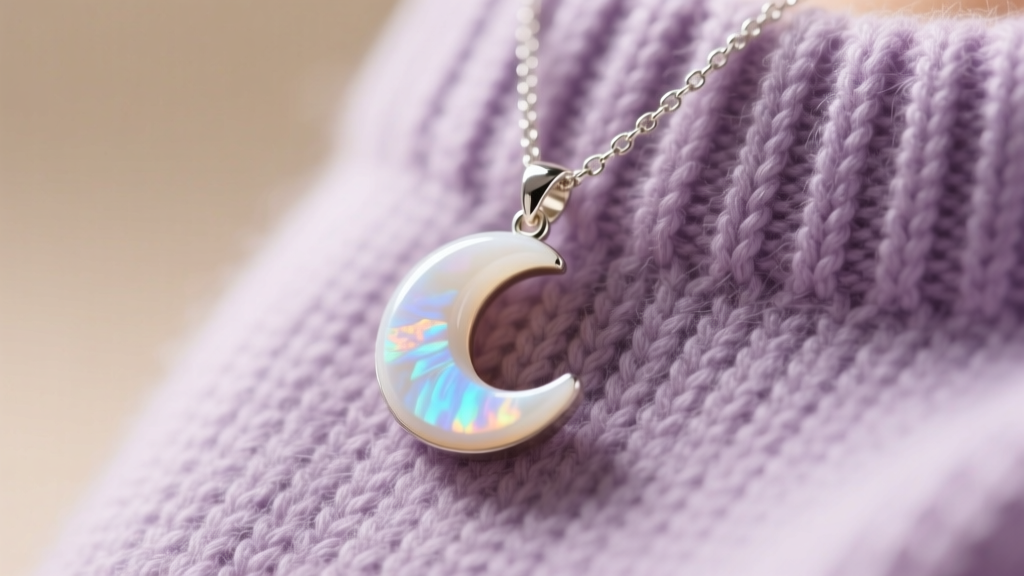
The Magic Behind the Opalite Taylor Swift Necklace
If you have spent any time on ConcertTok or browsing handmade jewelry markets recently, you have likely encountered the massive surge in demand for the opalite Taylor Swift necklace. What started as a niche aesthetic choice for fans attending the Eras Tour has evolved into a mainstream jewelry staple. But before you add this iridescent piece to your collection, it is crucial to understand what you are actually buying. This beginner-friendly explainer will break down the material science, styling frameworks, and quality checks you need to know to avoid overpaying for cheap plastic.
What Exactly is Opalite? (The Material Science)
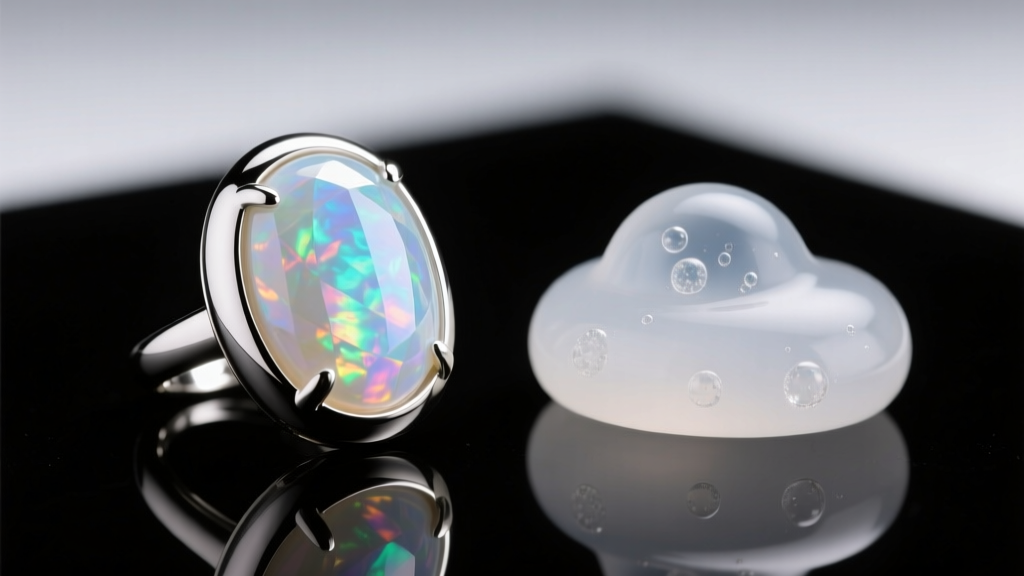
The biggest misconception among new buyers is that opalite is a natural gemstone. According to the Gemological Institute of America (GIA), natural opal is a hydrated amorphous form of silica. Opalite, on the other hand, is a man-made material. In the jewelry trade, 'opalite' almost exclusively refers to a type of dolomite glass or fused quartz that has been treated with metallic oxides to replicate the adularescence (the milky, glowing flash) of natural moonstone or precious opal.
While natural opal ranks around 5.5 to 6.5 on the Mohs hardness scale, glass opalite sits at a similar 5.5 to 6.0. However, many mass-produced 'opalite' pendants sold online are actually made from synthetic epoxy resin, which ranks a mere 2.0 to 3.0 on the Mohs scale and scratches easily. Understanding this distinction is the first step in becoming an informed buyer.
The Swiftie Connection: Why This Stone?
Taylor Swift’s visual eras have heavily influenced jewelry trends, and opalite perfectly captures the ethereal, dreamy aesthetics of several specific albums. The stone's milky translucence and internal flash make it highly photogenic, especially under the dynamic stadium lighting of a live concert. Fans gravitate toward opalite because it mimics the look of high-end precious opals—which can cost thousands of dollars—at a fraction of the price, allowing for customizable, era-specific layering without breaking the bank.
Era-by-Era Opalite Styling Framework
| Taylor Swift Era | Preferred Opalite Shape | Recommended Hardware | Styling Vibe |
|---|---|---|---|
| Midnights | Crescent Moon / Star | Sterling Silver (925) | Celestial, moody, layered with initial pendants |
| folklore / evermore | Raw Cabochon / Teardrop | Antique Brass / Gold Vermeil | Earthy, romantic, paired with pearl strands |
| The Tortured Poets Department | Heart / Oval Cameo | Oxidized Silver / Gunmetal | Gothic, vintage, worn as a standalone choker |
| Lover | Butterfly / Cloud | Rose Gold Plated | Pastel, playful, mixed with colorful enamel charms |
How to Spot High-Quality Opalite Jewelry
Because the market is flooded with dropshipped imitations, knowing how to authenticate your opalite Taylor Swift necklace is essential. Here are three expert-level tests you can perform when evaluating a piece:
- The Temperature Test: Real glass opalite feels cool to the touch and takes a moment to warm up against your skin. Resin or plastic imitations will feel room-temperature or warm immediately.
- The Flash Inspection: Hold the pendant under a direct LED light. High-quality glass opalite will exhibit a uniform, milky blue or pink glow from deep within the stone. Plastic versions often have surface-level glitter or a cloudy, uneven tint.
- The Hardware Check: Always inspect the clasp and chain stamps. Look for '925' (sterling silver) or '316L' (surgical stainless steel). Avoid unmarked zinc alloys, which will oxidize and turn your skin green within weeks of wear.

Chain Lengths and Neckline Pairings
The versatility of an opalite pendant relies heavily on the chain length and gauge. For delicate glass cabochons, a chain gauge between 0.9mm and 1.2mm is ideal. Anything thicker will overpower the stone; anything thinner risks snapping under the weight of the glass.
- 16-Inch Choker: Sits tightly at the base of the neck. Best for V-neck concert tees or off-the-shoulder folklore-inspired knitwear. Use a 1.0mm box chain for a modern look.
- 18-Inch Collarbone: The most versatile length. The pendant will rest right at the collarbone, making it perfect for crewneck sweatshirts and casual button-downs. A delicate cable chain works beautifully here.
- 20 to 22-Inch Princess/Matinee: Drops lower on the bust. Ideal for layering over dark, moody turtlenecks during the winter tour dates or pairing with a longer, 24-inch initial pendant for a staggered, asymmetrical stack.
Caring for Your Glass Opalite Pendant
While glass opalite is more durable than natural opal (which can crack if it dries out or suffers thermal shock), it still requires specific care to maintain its signature flash. According to mineralogical databases like Mindat.org, glass-based simulants are susceptible to chemical etching from harsh cosmetics.
Do: Clean your necklace using a lint-free microfiber cloth and a drop of mild dish soap diluted in lukewarm water. Always put your jewelry on after applying perfumes, hairsprays, and lotions.
Don't: Never put opalite in an ultrasonic jewelry cleaner. The high-frequency vibrations can cause internal micro-fractures in the glass, especially if the stone is glued into a bezel setting rather than prong-set. Avoid wearing it in chlorinated pools, as chlorine can permanently dull the metallic oxide coating that gives the glass its iridescent flash.
Final Verdict: Is It Worth the Investment?
The opalite Taylor Swift necklace trend is more than just a fleeting fandom fad; it is a testament to how accessible, man-made materials can capture a specific cultural aesthetic perfectly. When you invest in a piece featuring genuine glass opalite set in 925 sterling silver or 316L stainless steel, you are getting a durable, highly photogenic accessory that costs between $25 and $60. By avoiding cheap resin imitations and following proper care protocols, your celestial pendant will remain a staple in your concert wardrobe for years to come.


