Style Analysis: The Discreet Necklace Vibrator Trend of 2026
Discover the 2026 necklace vibrator trend. We analyze materials, haptic motor tech, and styling tips for discreet wellness pendants and chokers.

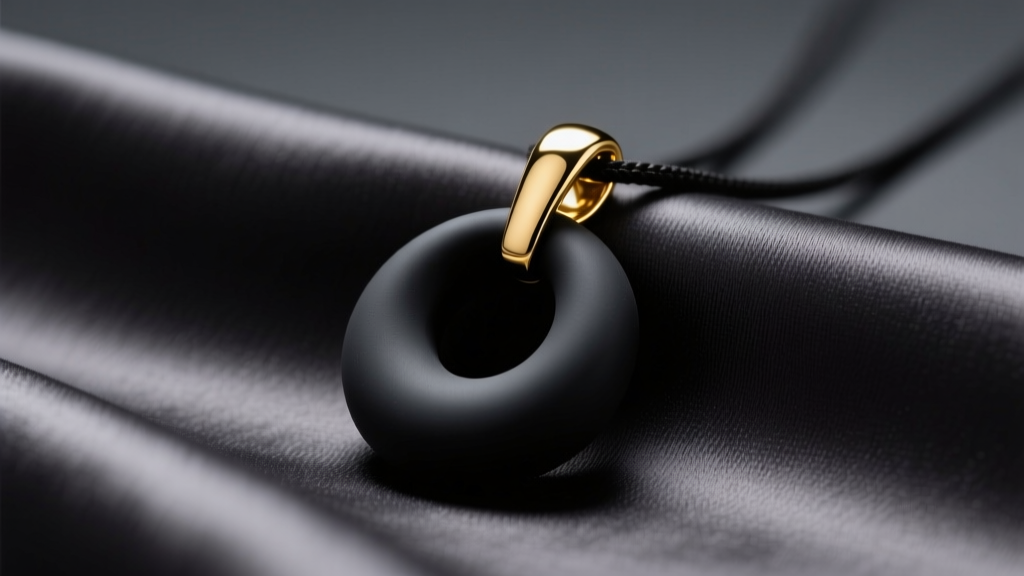
The landscape of personal adornment has undergone a radical transformation over the last decade. As the boundaries between fashion, health, and technology continue to blur, the jewelry industry is witnessing the rise of functional luxury. At the forefront of this 2026 movement is a highly specialized, often misunderstood category: the discreet wellness pendant. Frequently searched as the 'necklace vibrator,' this hybrid accessory bridges the gap between high-end aesthetic jewelry and haptic therapy, offering both tension relief and intimate wellness in a beautifully concealed package.
The Intersection of Fine Jewelry and Functional Wellness
Historically, wearable technology was defined by clunky fitness trackers and smartwatches. However, the modern consumer demands 'invisible wellness'—devices that integrate seamlessly into a curated personal style without screaming 'tech.' The contemporary necklace vibrator is not merely an intimate device; it is a sophisticated haptic tool designed for vagus nerve stimulation, anxiety grounding, and localized muscle tension relief. By encasing precision micro-motors within sculptural, body-safe pendants, designers have created a dual-purpose accessory that looks at home in a boardroom or a boutique hotel.
According to broader industry analyses on wearable technology, the integration of biometric and haptic feedback into everyday accessories is the fastest-growing sector in smart fashion. The necklace vibrator capitalizes on this by placing haptic frequencies directly against the sternum and collarbone, areas highly responsive to low-frequency vibrational therapy.
Material Breakdown: What Makes a Body-Safe Pendant?
When evaluating wellness jewelry, material integrity is non-negotiable. The outer shell of a high-quality pendant must withstand constant skin contact, body heat, and frequent cleaning. The industry standard for premium models is platinum-cured, medical-grade silicone. Unlike peroxide-cured alternatives or porous elastomers (TPE/TPR), platinum-cured silicone features a Shore A hardness of 10 to 20, providing a skin-like texture that is entirely non-porous, hypoallergenic, and resistant to bacterial buildup.
The hardware and casing accents present a different challenge. Entry-level models often use standard electroplated brass, which is prone to sweat corrosion—a common failure mode when the metal is subjected to high-frequency vibrations and skin oils. Top-tier 2026 designs utilize 316L surgical stainless steel or PVD (Physical Vapor Deposition) coated 14k gold vermeil. PVD coating bonds the gold at a molecular level, ensuring the finish will not flake or tarnish, even with daily wear and rigorous cleaning protocols.
Chain Mechanics: Supporting Motorized Weight
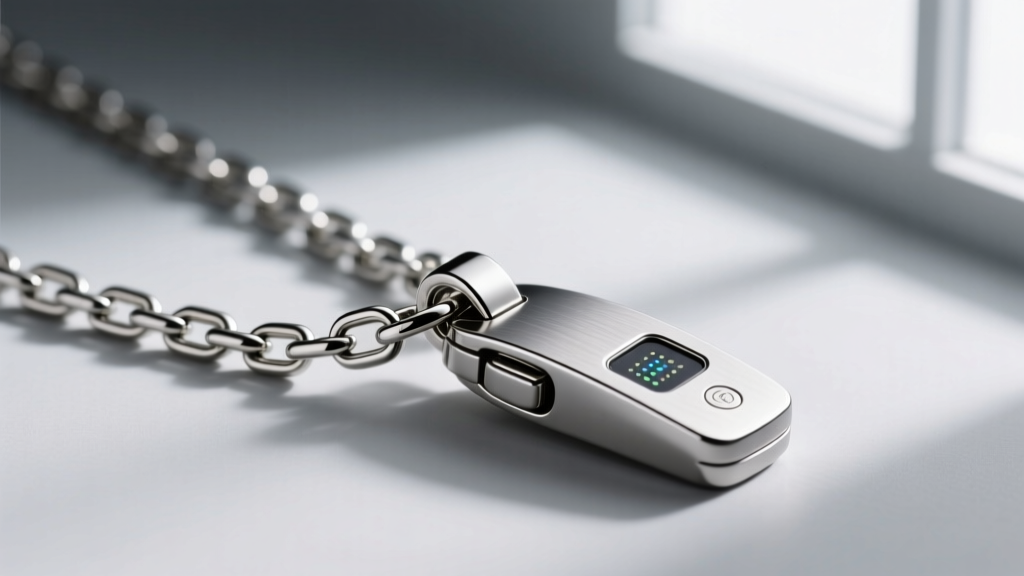
A standard gemstone or metal pendant weighs between 2 and 5 grams. A fully encased necklace vibrator, complete with a lithium-ion battery and LRA motor, typically weighs between 18 and 35 grams. This pendulum effect requires a complete rethinking of chain mechanics.
- Chain Gauge: Delicate 18-gauge (1.0mm) chains will snap or stretch under the dynamic weight of a motorized pendant. Experts recommend a minimum of 14-gauge (1.6mm) to 12-gauge (2.0mm) rolo or cable chains to provide structural integrity.
- Jump Rings: The jump ring connecting the pendant to the chain must be soldered shut. An open jump ring will inevitably pull apart under the kinetic stress of walking and the internal torque of the motor.
- Clasp Security: Lobster clasps with reinforced springs or magnetic locking clasps are essential to prevent accidental unclasping caused by the pendant's vibration.
Motor Tech and Haptics: Beyond the Buzz
The core differentiator between a novelty item and a genuine wellness tool lies in the motor architecture. Early iterations relied on ERM (Eccentric Rotating Mass) motors, which produce a superficial, 'buzzy' sensation that can cause skin numbness and mechanical rattling over time. The 2026 standard utilizes LRA (Linear Resonant Actuator) technology.
LRAs use magnetic voice coils to move a mass linearly, producing deep, rumbly frequencies that penetrate tissue rather than just vibrating the surface. High-end necklace vibrator models feature programmable haptic patterns ranging from 30Hz to 120Hz. Lower frequencies (30-50Hz) are utilized for grounding and vagus nerve stimulation, while higher frequencies are reserved for targeted muscle tension relief or intimate use.
Design Profiles & Styling Matrix
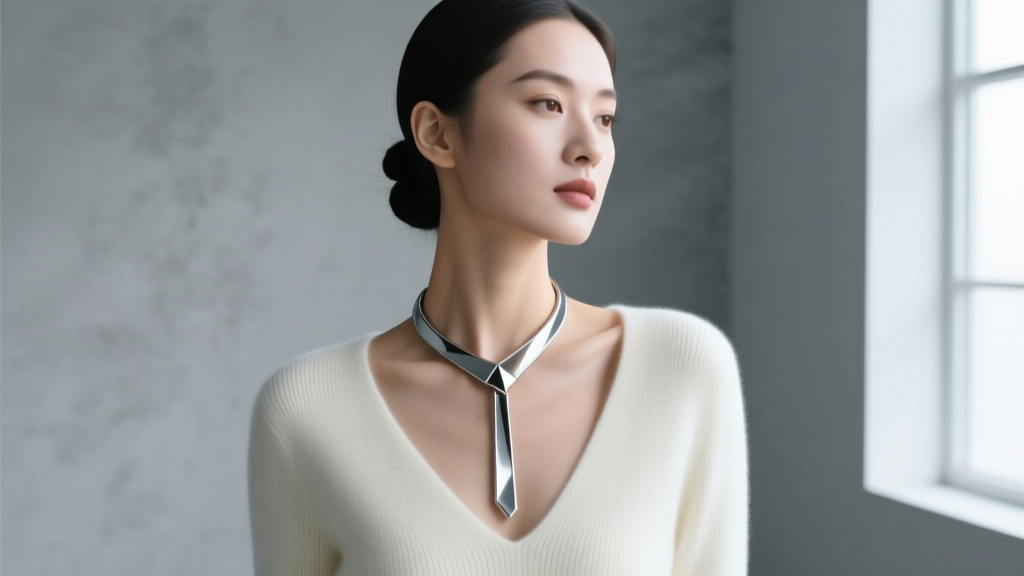
Styling a tech-infused pendant requires an understanding of how the motor's placement interacts with different necklines. The weight and focal point of the piece dictate its versatility.
| Style Profile | Chain Length | Motor Placement | Best Neckline Pairing | Primary Function |
|---|---|---|---|---|
| The Choker | 14' - 16' | Horizontal, resting on clavicle | Boatneck, Off-shoulder | Anxiety grounding, discreet daytime wear |
| The Princess | 18' | Vertical, resting on sternum | Crew neck, Scoop neck | Vagus nerve stimulation, everyday layering |
| The Lariat | 24' - 30' | Weighted drop, lower chest | Deep V-neck, Button-down | Intimate wellness, evening statement piece |
Market Tiers and Pricing Expectations
As the category matures, the market has stratified into distinct pricing tiers based on material quality, motor sophistication, and brand prestige.
- Entry-Level ($45 - $85): Typically features TPE materials, ERM motors, and standard USB-A charging ports. Prone to rapid material degradation and superficial vibrations.
- Mid-Tier ($120 - $250): The sweet spot for most consumers. Offers platinum-cured silicone, LRA motors, IP68 waterproof ratings, and magnetic charging. Brands in this tier focus on minimalist, geometric aesthetics that mimic modern art jewelry.
- Luxury ($300 - $600+): Incorporates precious metals (solid 14k or 18k gold accents), detachable tech cores, and app-controlled haptic mapping. These pieces are often sold in high-end boutiques alongside traditional fine jewelry.
Care and Maintenance for Tech-Infused Pendants
Maintaining a necklace vibrator requires a bifurcated approach, as you are caring for both delicate electronics and fine jewelry. According to metal care standards outlined by institutions like the GIA, harsh chemicals and ultrasonic cleaners are standard for gemstones but are catastrophic for internal tech components.
Never submerge your pendant in ultrasonic cleaning baths, as the high-frequency acoustic waves can shatter the internal soldering of the LRA motor. For daily cleaning, use a dedicated, alcohol-free antibacterial foam or a mild, fragrance-free soap with warm water. Ensure the magnetic charging pins are completely dry before connecting the charger to prevent galvanic corrosion. If the piece features a detachable metal casing, remove the silicone tech core before polishing the metal with a microfiber cloth.
The Buyer's Checklist: Spotting Quality
Before investing in a wellness pendant, run the piece through this rigorous quality checklist:
- IP68 Certification: Ensure the device is fully submersible, not just 'splash-proof' (IPX4).
- Seamless Buttons: Physical buttons should be flush or replaced entirely by capacitive touch sensors to prevent dirt accumulation and mechanical failure.
- Magnetic Pogo-Pin Charging: Avoid USB-C ports built directly into the silicone, as the port covers inevitably stretch and tear, compromising the waterproof seal.
- Phthalate-Free Certification: Look for explicit laboratory testing certificates ensuring the absence of phthalates and BPA in the polymer matrix.
The necklace vibrator is no longer a fringe novelty; it is a testament to the future of functional jewelry. By demanding high-grade materials, advanced haptic engineering, and sophisticated design, consumers are driving a market where wellness and luxury are inextricably linked.