Pearl Necklace Meaning Slang & Essential Care Guide
Discover the viral pearl necklace meaning slang, then dive into our expert gemologist guide on cleaning, storing, and maintaining real nacre pearls.

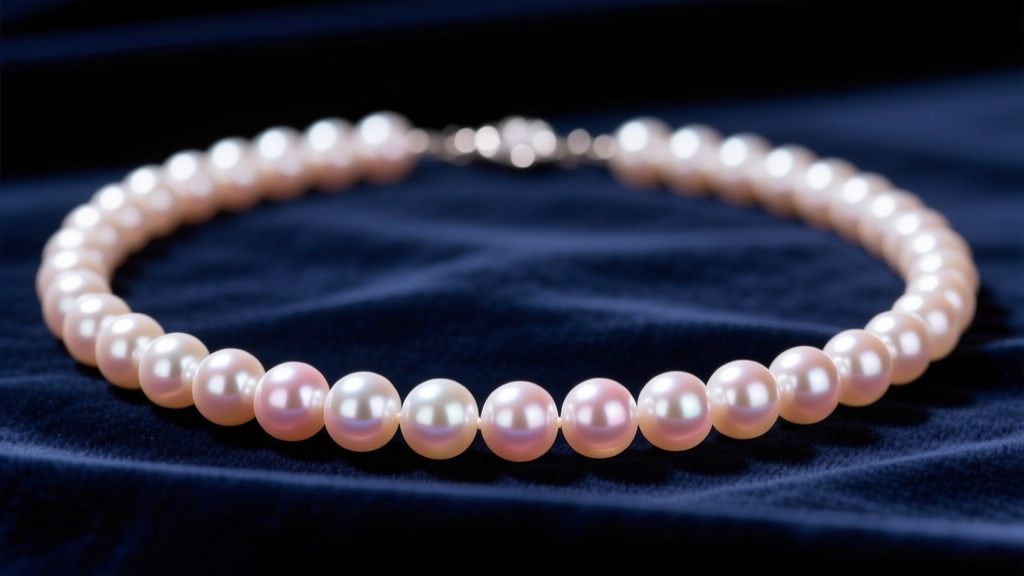
The Internet Elephant in the Room: Pearl Necklace Meaning Slang
If you have spent any time on social media, TikTok, or internet forums over the last few years, you have likely encountered the term 'pearl necklace' used in a context that has nothing to do with fine jewelry. To address the search intent directly: the pearl necklace meaning slang refers to a highly explicit, NSFW sexual act. As a professional jewelry style and trend radar platform, we acknowledge this viral internet slang so you can understand the meme culture references, but our focus remains strictly on the breathtaking, organic gemstones that have captivated royalty and collectors for centuries.
Now that we have cleared the air regarding the pearl necklace meaning slang, it is time to talk about actual pearl necklaces. In 2026, vintage estate jewelry and modern minimalist pearl strands are dominating the fashion landscape. However, unlike diamonds or sapphires, pearls are organic, porous, and incredibly delicate. Caring for a genuine strand of nacre requires a deep understanding of gemological science. Below is your masterclass in pearl maintenance, cleaning protocols, and structural preservation.
Understanding Nacre: Why Real Pearls Need Specialized Care
To properly care for a pearl necklace, you must first understand its chemical composition. Pearls are not stones; they are organic gems born from living mollusks. They are primarily composed of aragonite (a crystalline form of calcium carbonate) bound together by conchiolin (an organic protein). This combination creates nacre, the iridescent material responsible for a pearl's luster.
On the Mohs scale of mineral hardness, pearls rank between a mere 2.5 and 4.5. For context, a copper penny is about a 3.5. This means your pearls can be easily scratched by everyday dust, which often contains microscopic quartz particles (hardness 7). Furthermore, the conchiolin protein is highly susceptible to chemical degradation from acids, alkalis, and even the natural pH of human sweat. According to the Gemological Institute of America (GIA), prolonged exposure to acidic environments will slowly dissolve the calcium carbonate, leaving the pearl dull, chalky, and pitted.
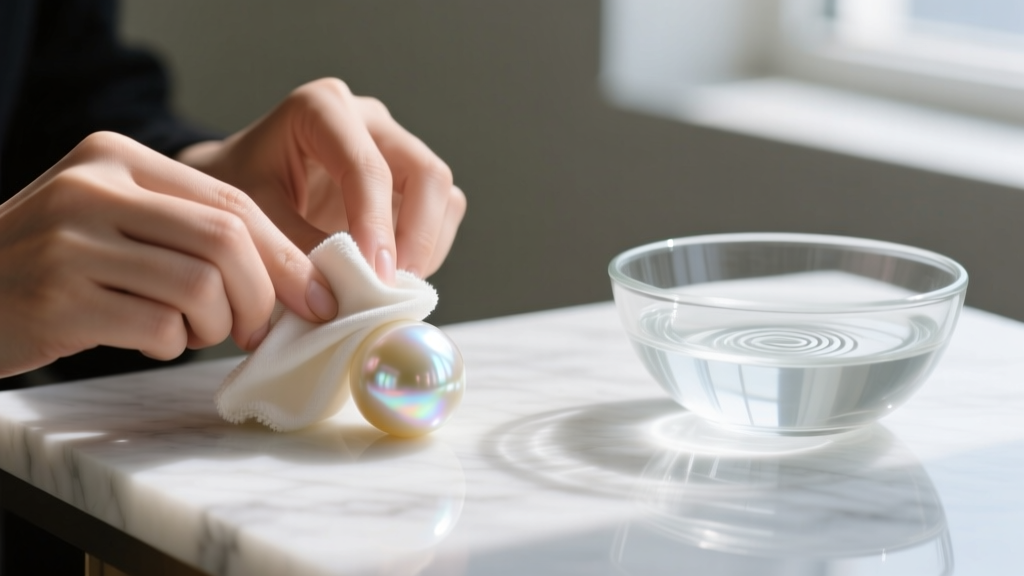
The 2026 Protocol for Cleaning Pearl Necklaces
Forget everything you know about cleaning diamond or gold jewelry. Ultrasonic cleaners, steamers, and commercial jewelry dips will destroy a pearl necklace in seconds. Here is the gemologist-approved, step-by-step cleaning protocol for maintaining your nacre.
Step 1: The Dry Wipe (After Every Wear)
The most crucial step in pearl maintenance happens the moment you take the necklace off. Use a clean, untreated, lint-free microfiber cloth to gently wipe down each pearl. This removes the invisible layer of sebum, sweat, and cosmetic residue accumulated throughout the day. Never use tissue paper or paper towels, as they are made from wood pulp and can cause micro-scratches on the soft nacre surface.
Step 2: The Deep Clean (Monthly or As Needed)
When a dry wipe is no longer enough to restore the luster, it is time for a damp clean. Never submerge a pearl necklace in water. Most high-quality pearl strands are strung on silk thread. Submerging the necklace will cause the silk to stretch, weaken, and eventually rot from the inside out, leading to catastrophic strand failure.
- The Solution: Mix a few drops of pH-neutral liquid castile soap or baby shampoo into a bowl of distilled water. Never use tap water, as the chlorine, fluoride, and hard minerals can leave microscopic deposits on the nacre.
- The Application: Dampen a soft microfiber cloth in the solution, wring it out until it is only slightly moist, and gently wipe each pearl individually.
- The Drying: Lay the necklace flat on a dry, clean towel in a well-ventilated area away from direct sunlight or heat sources. Allow the silk thread to dry completely (usually 12 to 24 hours) before wearing or storing.
The Damage Chart: What NEVER to Use
Using the wrong cleaning agent will result in irreversible chemical reactions. Refer to this failure-mode chart before reaching for household cleaners:
| Cleaning Agent | Chemical Interaction with Nacre | Resulting Damage |
|---|---|---|
| Ultrasonic Cleaners | High-frequency cavitation bubbles | Shatters aragonite layers; causes peeling and cracking |
| Ammonia / Bleach | Dissolves conchiolin protein matrix | Permanent dullness, chalky white discoloration |
| Baking Soda Paste | Abrasive physical friction | Micro-scratches that destroy the mirror-like luster |
| Vinegar / Citrus | Acidic dissolution of calcium carbonate | Pitting, etching, and structural degradation |
| Commercial Silver Dips | Harsh thiourea compounds | Strips the organic outer layers of the pearl |
Storage and Restringing: Preserving the Silk and the Sphere
How you store your pearl necklace is just as critical as how you clean it. A common and fatal mistake made by many jewelry owners is storing pearls in airtight plastic bags or safety deposit boxes for long periods. Pearls are organic and require a certain level of ambient moisture to maintain their structural integrity. Depriving them of moisture causes 'crazing'—a network of fine, irreversible cracks on the surface of the nacre.
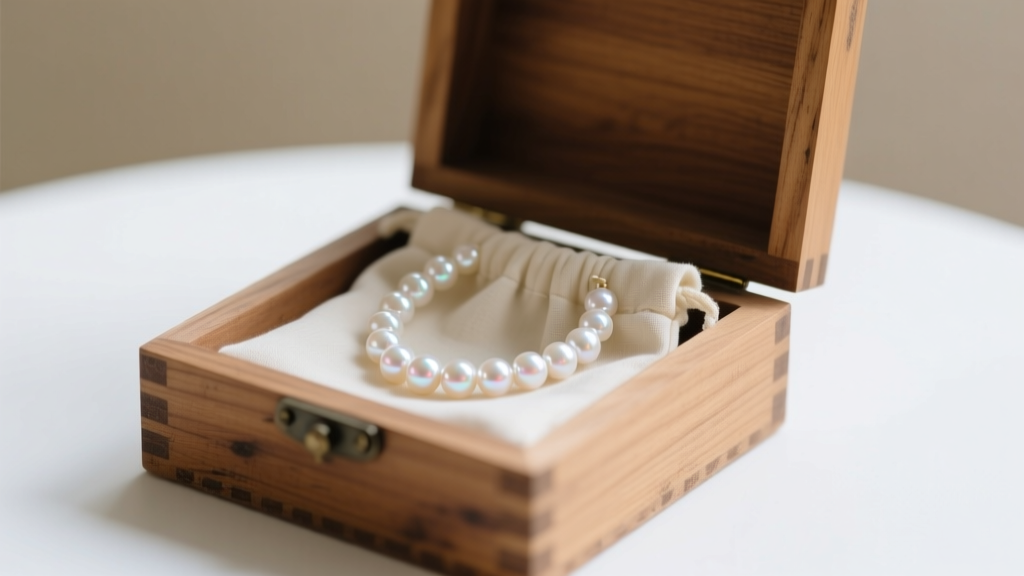
The Ideal Storage Environment
Store your pearl necklace flat in a breathable fabric pouch, such as soft linen, untreated cotton, or microfiber. Never hang a pearl necklace on a jewelry tree or hook; the weight of the pearls will cause the wet or humid silk thread to stretch permanently, resulting in unsightly gaps between the knots. Furthermore, keep pearls separated from harder gemstones and metal chains to prevent abrasive scratching.
The Science of Restringing
The American Gem Society recommends having frequently worn pearl necklaces professionally restrung every 1 to 2 years. A master jeweler will use specialized silk thread (typically Size D or E, depending on the drill hole diameter, which usually ranges from 0.5mm to 0.7mm for Akoya pearls). They will also employ 'French wire' (a delicate coiled metal spring) at the clasp ends to protect the silk from fraying against the metal jump rings. Ensure your jeweler ties individual knots between every single pearl; this not only prevents the pearls from rubbing against each other but also ensures that if the strand breaks, you only lose one pearl rather than the entire collection.
Wear and Tear: Navigating Modern Skincare and Cosmetics
The golden rule of pearl jewelry is 'Last On, First Off.' Pearls should be the very last thing you put on when getting dressed and the first thing you take off when you return home. This minimizes their exposure to the chemicals found in modern beauty routines.
In 2026, advanced skincare routines are more prevalent than ever. Ingredients like Alpha Hydroxy Acids (AHAs), Beta Hydroxy Acids (BHAs), retinoids, and vitamin C serums are highly acidic and designed to exfoliate human skin. If these serums transfer to your pearls, they will similarly 'exfoliate' and dissolve the delicate nacre layers. Hairsprays, perfumes, and sunscreens also contain alcohols and volatile organic compounds that can dehydrate the conchiolin, leading to a loss of orient and luster. Always allow your cosmetics and perfumes to dry and absorb completely into your skin before clasping your pearl necklace.
'A pearl is a living record of the ocean. Treat it with the same respect you would give to any organic artifact, and it will outlive you, passing its luster down to the next generation.' — Master Gemologist Appraiser
By understanding the true nature of these organic gems—and ignoring the internet slang—you can ensure that your pearl necklace remains a radiant, flawless heirloom for decades to come.


