How to Select and Clean a Necklace with a Stone Safely
Learn how to select, wear, and clean a necklace with a stone. Expert guide on Mohs hardness, chain gauges, settings, and safe cleaning methods.

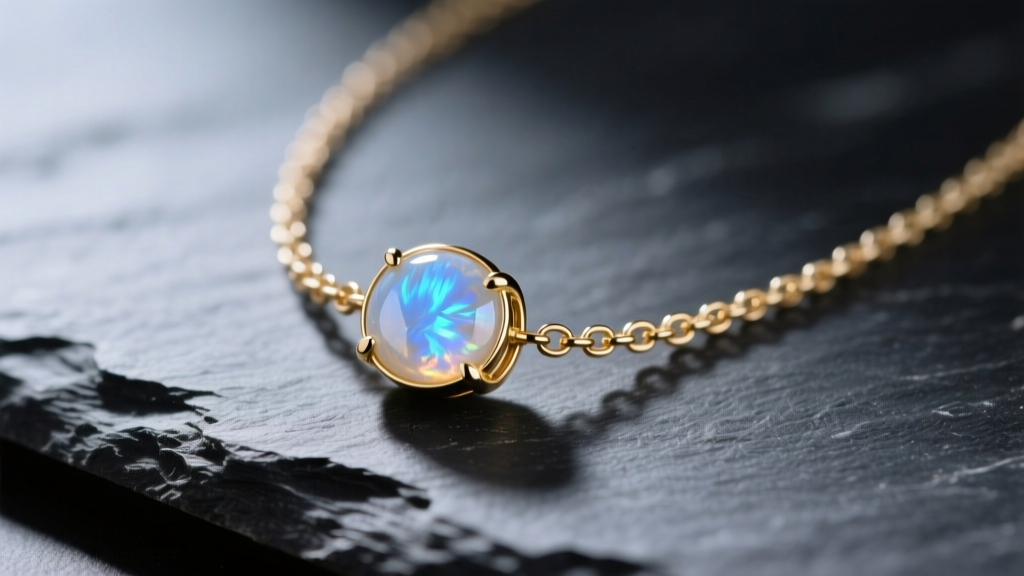
Owning a necklace with a stone elevates any wardrobe, bridging the gap between everyday elegance and high-impact statement jewelry. However, as we navigate the jewelry landscape in 2026, consumers are increasingly aware that not all gemstones are created equal. A piece that looks stunning in a display case can quickly degrade, scratch, or lose its luster if subjected to the wrong environment, cleaning agents, or chain pairings. When you invest in a necklace with a stone, you are balancing aesthetic beauty with material science.
This comprehensive, step-by-step guide will teach you how to evaluate gemstone durability, select the appropriate metal setting and chain gauge, and execute a safe, meticulous cleaning routine tailored to your specific stone's mineral properties.
Step 1: Identify Your Stone's Mohs Hardness and Vulnerabilities
The foundation of gemstone care is the Mohs scale of mineral hardness, which ranks minerals from 1 (talc) to 10 (diamond) based on their resistance to scratching. However, hardness is only one metric. You must also consider toughness (resistance to chipping or breaking) and stability (resistance to chemicals, heat, and light). According to the GIA Gem Encyclopedia, a stone like jade is relatively soft (Mohs 6.5-7) but possesses exceptional toughness due to its interlocking fibrous structure, making it highly resistant to chipping. Conversely, a diamond (Mohs 10) has distinct cleavage planes, meaning a sharp impact can split it.
| Gemstone | Mohs Hardness | Cleavage / Fracture Risk | Ultrasonic Safe? | Steam Safe? |
|---|---|---|---|---|
| Diamond | 10 | Low (but has cleavage planes) | Yes | Yes |
| Sapphire / Ruby | 9 | Low | Yes | Yes |
| Emerald | 7.5 - 8 | High (often fracture-filled) | No | No |
| Opal | 5.5 - 6.5 | High (contains 5-10% water) | No | No |
| Turquoise | 5 - 6 | Moderate (highly porous) | No | No |
| Pearl | 2.5 - 4.5 | Extreme (organic material) | No | No |
Expert Insight: Never assume a stone is safe for ultrasonic cleaning simply because it is "hard." Emeralds are frequently treated with cedar oil or synthetic resins to fill natural surface-reaching fissures. Ultrasonic vibrations and steam heat will strip these fillers, leaving the emerald cloudy and heavily fractured.
Step 2: Match the Setting to the Stone's Fragility
The way your stone is secured to the necklace bail dictates its daily survivability. The American Gem Society emphasizes that setting selection should be driven by the stone's vulnerability to edge chipping.
Bezel and Flush Settings (Maximum Protection)
For porous or brittle stones like opal, turquoise, lapis lazuli, and tanzanite, a bezel setting is mandatory. A bezel wraps a continuous rim of metal (typically 14k or 18k gold, or platinum) entirely around the gemstone's girdle. This protects the edges from lateral impacts and prevents the stone from catching on knitwear. Ensure the bezel wall is at least 0.4mm thick to prevent the metal from wearing down and releasing the stone over years of friction.
Prong Settings (Maximum Light Return)
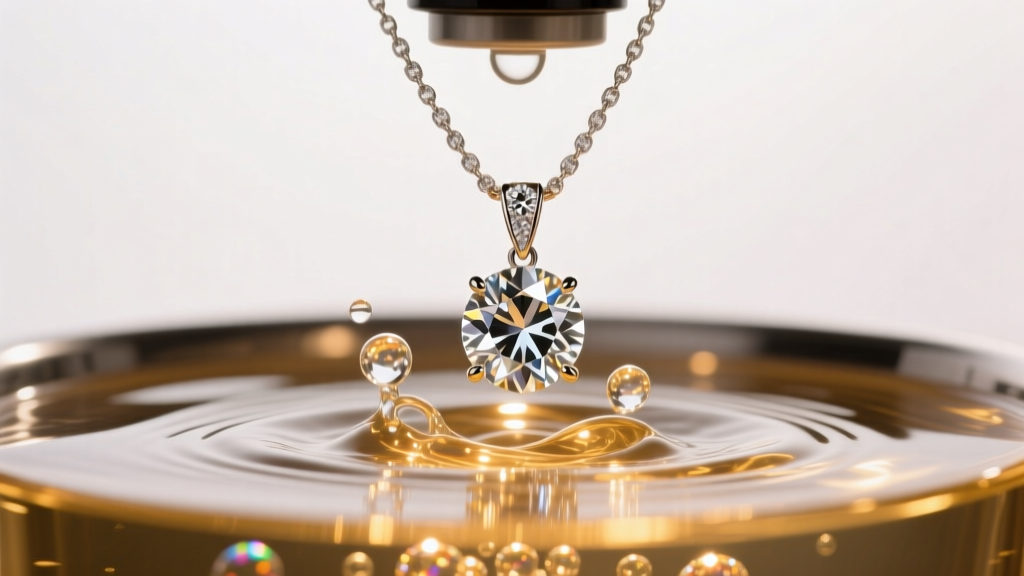
Stones with high refractive indexes and excellent toughness—such as diamonds, sapphires, and rubies—are best suited for prong settings (usually 4 or 6 prongs). This allows maximum light to enter the pavilion, enhancing brilliance. However, prongs require bi-annual inspections. If a 1mm prong tip wears down to 0.5mm, the stone is at severe risk of falling out.
Step 3: Step-by-Step Cleaning Guide by Stone Type
Proper cleaning restores a stone's optical properties by removing sebum, cosmetic residues, and environmental dust. Always use a phosphate-free, mild dish soap diluted in distilled water. Avoid tap water, as chlorine and hard water minerals can leave micro-deposits on the stone's surface.
Hard, Non-Porous Stones (Diamonds, Sapphires, Rubies)
- Soak: Submerge the necklace in a bowl of warm (not hot) distilled water with two drops of mild dish soap for 15 minutes.
- Agitate: Use an extra-soft baby toothbrush with 0.1mm nylon bristles to gently sweep the pavilion (underside) of the stone, where light-blocking grease accumulates.
- Rinse & Dry: Rinse under a gentle stream of distilled water. Pat dry with a lint-free microfiber cloth. Avoid air-drying, which causes water spots.
Medium-Hardness & Treated Stones (Emeralds, Tourmaline, Garnet)
These stones must never be subjected to thermal shock or ultrasonic vibrations. Clean them using a damp, soap-free microfiber cloth. If the stone is heavily soiled, use a barely damp cotton swab to gently lift dirt from the prong crevices, immediately drying the area with a separate dry swab.
Soft, Porous & Organic Stones (Opals, Pearls, Turquoise, Coral)
These materials act like sponges. Submerging them in water can cause them to swell, crack, or lose their natural oils. Wipe them gently with a dry, untreated chamois leather cloth after every wear to remove acidic skin oils and perfumes. Never apply any chemical cleaners, alcohol, or ammonia to these stones.
Step 4: Chain Selection and Clasp Security
A common failure mode in necklaces with heavy stones is chain warping or bail friction. The chain must be proportionate to the stone's carat weight and physical dimensions.
- Lightweight Stones (Under 3 Carats / ~0.6 grams): A delicate 0.8mm to 1.0mm cable or box chain is sufficient. Pair with a standard 5mm spring ring clasp.
- Medium Stones (3 to 10 Carats / ~0.6 to 2.0 grams): Upgrade to a 1.2mm to 1.5mm chain. A rope or Figaro chain provides excellent tensile strength. Use a 7mm lobster clasp for added security.
- Heavy Statement Stones (Over 15 Carats / ~3.0+ grams): You need a robust 2.0mm+ chain, such as a solid Cuban link or a reinforced wheat chain. Heavy stones create a pendulum effect that can snap delicate links. Secure the piece with a box clasp featuring a double safety latch.
Furthermore, ensure the bail (the loop connecting the stone to the chain) is lined with a harder metal or features a polished interior to prevent it from acting like a saw blade against the chain links over time.
Step 5: Proper Storage to Prevent Micro-Scratches and Degradation
How you store your necklace is just as critical as how you clean it. The Jewelers of America organization warns against the common habit of tossing multiple pieces into a single communal jewelry box.
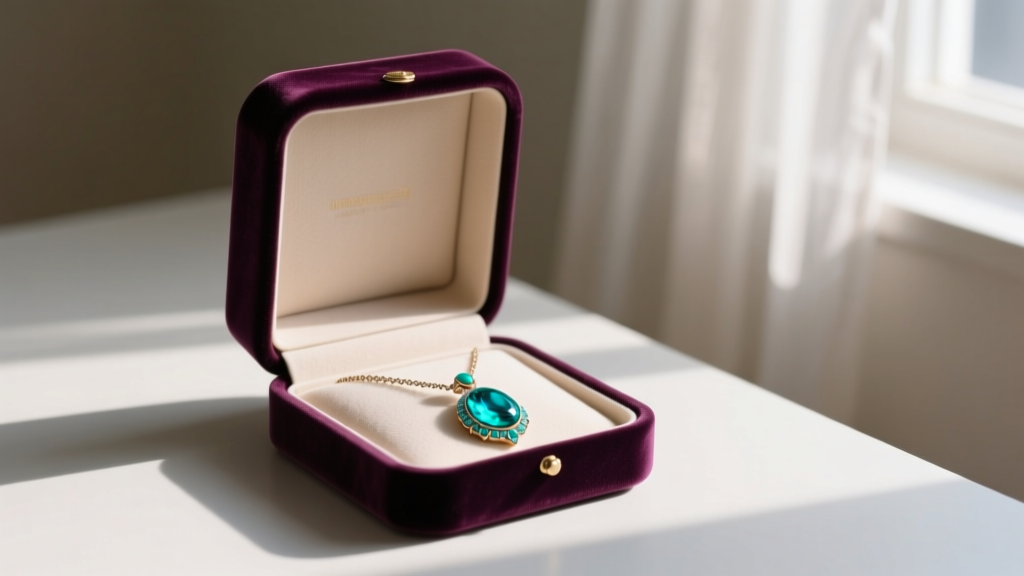
Diamonds and sapphires will easily scratch softer stones, gold chains, and even each other if stored in direct contact. Every necklace with a stone should be stored individually in a soft, anti-tarnish flannel pouch or a dedicated velvet-lined compartment.
Additionally, be mindful of light and humidity. Prolonged exposure to UV light can cause amethyst, kunzite, and topaz to fade permanently. Opals require a slightly humid environment to prevent "crazing" (a network of fine cracks caused by moisture loss); storing them in a sealed plastic bag with a damp cotton ball in a dark safe is the industry standard for long-term preservation.
Final Thoughts on Gemstone Longevity
Maintaining a necklace with a stone requires a proactive approach rooted in gemological facts rather than guesswork. By respecting the Mohs scale, matching the setting to the stone's structural integrity, and utilizing targeted cleaning protocols, you ensure that your pendant remains a brilliant, secure, and timeless fixture in your collection for decades to come.


