Extra Long Gold Necklace Value Guide: 2026 Cost Analysis
Discover the true cost of an extra long gold necklace in 2026. We analyze solid vs. hollow chains, karat weights, and pricing per gram to maximize value.

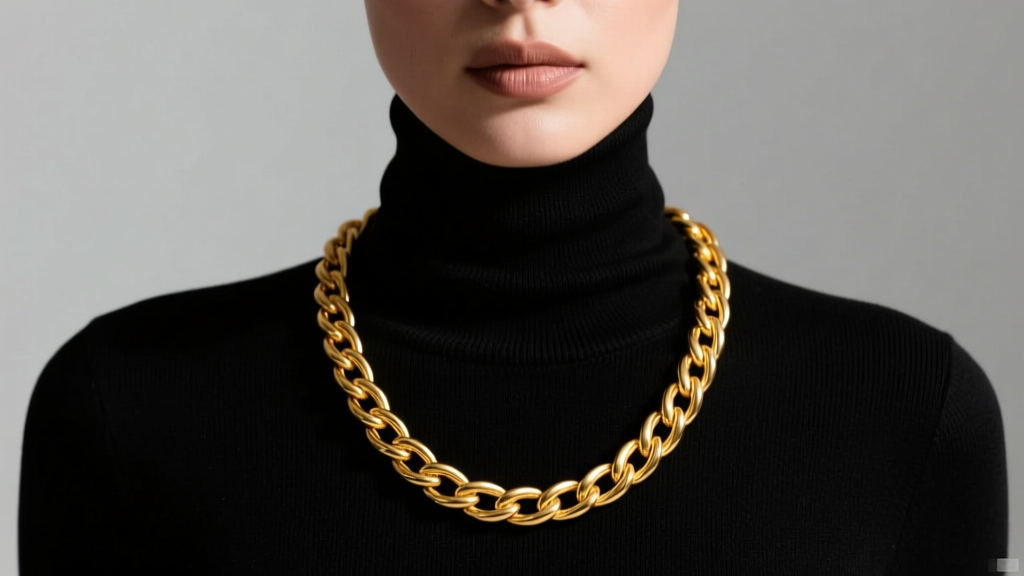
When shopping for an extra long gold necklace—typically defined as opera length (28 to 32 inches) or rope length (33 inches and beyond)—the sheer volume of precious metal required drastically shifts the pricing dynamics. In 2026, with gold spot prices remaining at historic highs, understanding the intersection of weight, manufacturing technique, and karat purity is no longer optional; it is essential for protecting your budget.
This comprehensive value assessment breaks down exactly what you should pay for extended-length gold chains, which manufacturing methods to avoid, and how to maximize your investment without sacrificing structural integrity.
The Economics of Length: Why Extra Long Chains Demand a Premium
The price of any solid gold chain is fundamentally tied to its gram weight and the daily spot price of gold. While a standard 18-inch 3mm 14k rope chain might weigh approximately 12 grams, doubling the length to 36 inches pushes the weight to roughly 24 grams. According to market data tracked by Kitco, the raw melt value of that gold alone forms the absolute floor of the retail price.
However, the 'long chain tax' isn't just about raw materials. Manufacturing a 36-inch chain requires more continuous soldering, stricter quality control to prevent twisting, and heavier-duty clasps to support the increased pendulum-like swing and tension. Consequently, the retail markup (the difference between melt value and store price) on extra long chains often sits between 40% and 100% for reputable jewelers, compared to the 20% to 50% markup on standard choker or princess lengths.
Solid vs. Hollow vs. Electroformed: A Crucial Value Breakdown

When budgets tighten, buyers often look for ways to get the look of a massive, extra long gold necklace without the massive price tag. Jewelers typically offer three manufacturing solutions, but only one makes sense for extended lengths.
1. Solid Gold Chains (The Gold Standard)
Solid chains are exactly what they sound like: links forged from solid wire or cast solid. They possess high tensile strength, resist denting, and retain intrinsic melt value. For an extra long necklace that will swing against your torso and catch on clothing, solid construction is highly recommended. The upfront cost is high, but the cost-per-wear and long-term durability make it the superior value.
2. Hollow Gold Chains (The Budget Trap)
Hollow chains are made from thin sheets of gold formed into tubular links. They offer the visual footprint of a thick chain at a fraction of the weight and cost. Expert Verdict: Never purchase a hollow chain in lengths exceeding 24 inches. The leverage created by a 30-inch hollow chain swinging around your neck will inevitably cause the links to crush, kink, or snap under their own momentum. The repair costs for crushed hollow links often exceed the original purchase price.
3. Electroformed Chains (The Statement Compromise)
Electroforming involves depositing gold over a wax or resin core, which is later melted or dissolved away. This creates incredibly voluminous, lightweight links. While the Federal Trade Commission requires these to be clearly disclosed, they are often sold as 'lightweight gold.' They are acceptable for occasional statement wear but lack the structural integrity for daily use as an extra long layering piece.
Karat Weight and Pricing: 10K, 14K, and 18K Compared
The purity of the gold alloy dramatically impacts both the price and the physical behavior of an extra long gold necklace. As detailed by the Gemological Institute of America (GIA), pure 24k gold is too soft for chain mail, necessitating alloy metals like copper, silver, and zinc.
| Karat | Gold Purity | Estimated 30-inch Retail (3mm) | Durability | Value Assessment |
|---|---|---|---|---|
| 10K | 41.7% | $650 - $850 | Excellent | Best for tight budgets; slightly paler yellow hue and highly resistant to stretching. |
| 14K | 58.3% | $950 - $1,300 | Very Good | The optimal sweet spot. Balances rich color, structural integrity, and reasonable pricing. |
| 18K | 75.0% | $1,600 - $2,200 | Good | Luxurious, deep yellow tone. Prone to scratching; heavier weight makes long chains expensive. |
For extra long chains, 14K gold remains the undisputed champion of value. The 41.7% alloy content in 10K can sometimes cause skin irritation for those with nickel sensitivities, while the 75% gold in 18K makes a 36-inch chain prohibitively expensive and slightly more prone to elongation over time due to the softness of the pure gold content.
Chain Styles That Maximize Budget for Opera and Rope Lengths
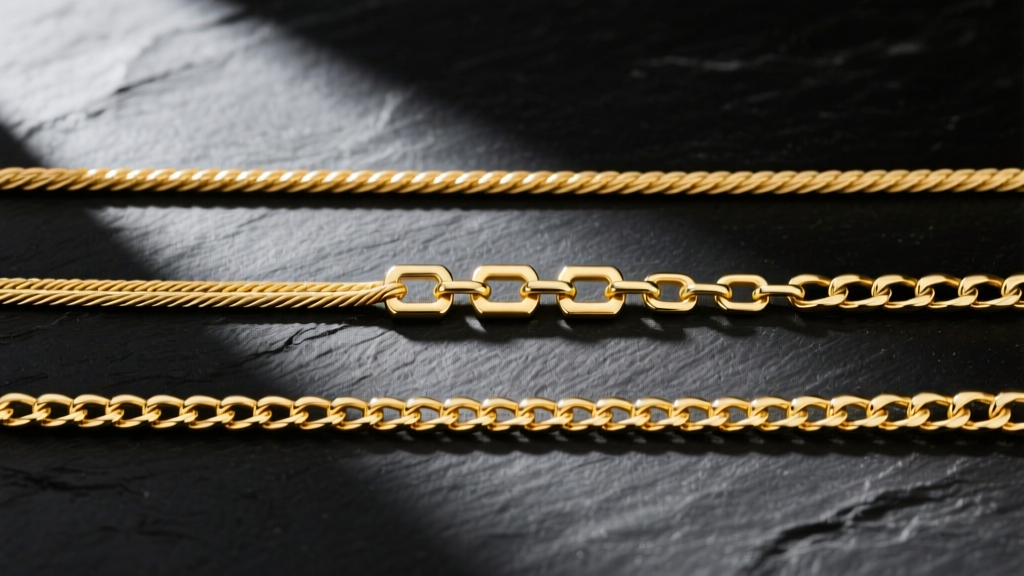
The visual thickness of a chain does not always correlate with its gold weight. If you want an extra long gold necklace that makes a visual impact without requiring 40 grams of solid gold, you must choose the right link architecture.
- The Figaro Chain: By alternating two or three small circular links with one elongated oval link, Figaro chains create a broad visual footprint on the chest while using less gold per inch than a continuous Cuban link.
- The Box Chain: Constructed from interlocking square links, box chains reflect light beautifully due to their flat, geometric surfaces. A 2mm solid box chain looks remarkably substantial at 32 inches but weighs significantly less than a 2mm rope chain.
- The Wheat (Spiga) Chain: Featuring braided, teardrop-shaped links, wheat chains offer a textured, woven appearance that catches the eye. They are incredibly resilient against kinking, making them a highly practical choice for long lengths that wrap or knot.
Avoid wide, flat chains like the classic Cuban or Curb link for extra long lengths unless you have a luxury budget. A 30-inch solid 14k 5mm Cuban link can easily exceed 65 grams, pushing the retail price well past $3,500.
The Physics of Long Chains: Tension, Swing, and Wear
An often-overlooked factor in the value assessment of an extra long gold necklace is the physics of how it wears. A 32-inch chain acts as a pendulum. Every time you bend over, walk down stairs, or take off a jacket, the chain swings, generating kinetic energy that transfers directly to the clasp and the top three links of the chain. This phenomenon, known as dynamic loading, means that long chains experience up to 30% more stress at the connection points than a standard 18-inch choker.
To mitigate this, high-value extra long chains should feature a soldered jump ring at the clasp connection rather than an open one, and the links nearest the clasp should be slightly thicker or reinforced. If a retailer cannot confirm that the end-links are reinforced or soldered, the chain's long-term value is compromised by an inevitable repair cycle.
Red Flags: How to Spot Overpriced or Poorly Constructed Chains
When evaluating an extra long gold necklace, protect your budget by watching out for these common retail traps:
- Missing Gram Weight Disclosure: If a jeweler or online retailer refuses to list the exact gram weight of the chain, walk away. You cannot assess the markup without knowing the raw material weight.
- Inadequate Clasps: A 30-inch solid gold chain generates significant kinetic energy when you move. If the chain is secured by a tiny spring-ring clasp, it is a structural failure waiting to happen. Insist on a lobster claw clasp or, for chains over 20 grams, a specialized box clasp with a figure-eight safety latch.
- 'Semi-Solid' Marketing Jargon: 'Semi-solid' is not a recognized metallurgical term. It is usually a marketing euphemism for hollow or heavily soldered, brittle links. Stick to verifiable terms like 'solid' or explicitly stated 'electroformed.'
Final Verdict: Where to Invest Your Budget
Purchasing an extra long gold necklace is a significant financial commitment. To maximize value in the current market, prioritize 14K solid gold in a Box, Wheat, or Figaro style between 28 and 32 inches. This specific combination provides the luxurious drape and visual presence required of opera and rope lengths, while keeping the gram weight—and therefore the retail price—within a rational budget.
Always verify the gram weight, calculate the approximate melt value using daily spot prices, and ensure the clasp is engineered to handle the unique physics of a long, swinging chain. By focusing on structural integrity over sheer volume, your extended-length chain will remain a durable, valuable staple in your jewelry wardrobe for decades.


