Beginner's Guide to Choosing an Amethyst Necklace Gold Pendant
Discover how to choose, style, and care for your first amethyst necklace gold pendant. Learn about gold karats, gem grading, and chain lengths.

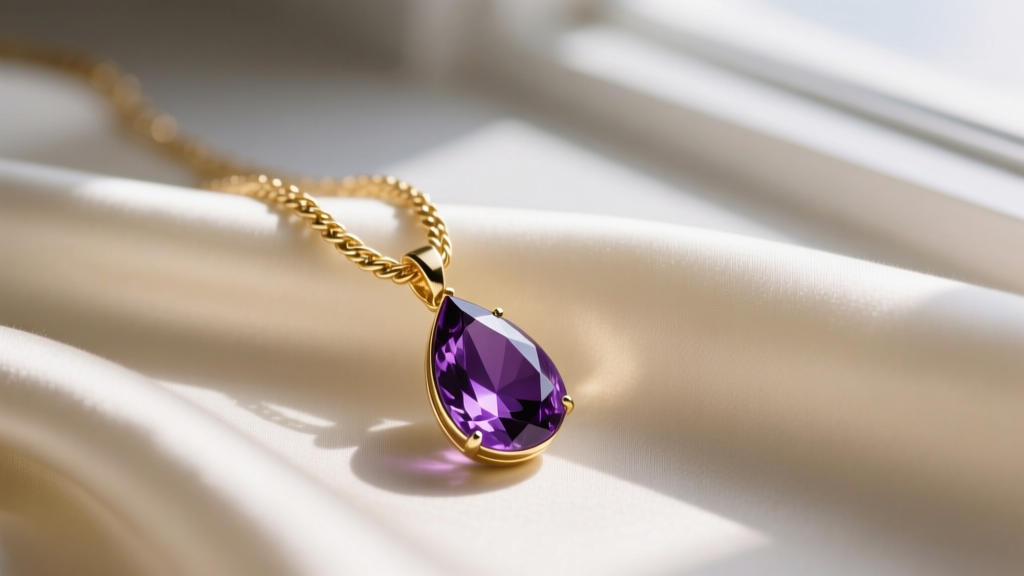
Entering the world of fine jewelry can feel overwhelming, but few combinations offer a more forgiving, timeless, and universally flattering entry point than an amethyst necklace gold setting. Whether you are purchasing your first genuine gemstone piece for yourself or searching for a meaningful February birthstone gift, the contrast between rich purple quartz and warm gold alloys creates a striking visual that works for both casual and formal occasions.
This guide strips away the confusing industry jargon, providing you with a practical, data-driven framework to evaluate gold purity, amethyst grading, chain hardware, and everyday styling. By the end, you will know exactly what to look for to ensure your investment is both beautiful and built to last.
The Color Theory: Why Gold and Amethyst Work
From a design perspective, purple and yellow sit opposite each other on the traditional color wheel, making them complementary colors. When you pair a deep violet amethyst with a warm yellow gold setting, the metal naturally amplifies the gemstone's saturation. Unlike white gold or platinum, which can sometimes make lighter amethysts look washed out or grayish, yellow and rose gold alloys reflect warm light back into the stone, enhancing the highly prized 'red flash' seen in top-tier amethysts.
Decoding Gold Purity: 10k vs. 14k vs. 18k
When shopping for your first amethyst necklace gold chain or pendant, you will immediately encounter different 'karat' options. Karat (k) measures the ratio of pure gold to alloy metals (like copper, silver, or zinc). Pure gold is 24k, but it is far too soft for everyday jewelry. Here is how the standard market options compare in 2026:
| Gold Purity | Gold Content | Durability | Color Profile | Avg. Pendant Price Range |
|---|---|---|---|---|
| 10k Gold | 41.7% | Excellent (Highly scratch-resistant) | Pale yellow, slightly muted | $80 - $180 |
| 14k Gold | 58.3% | Very Good (Industry standard) | Warm, classic yellow | $150 - $450 |
| 18k Gold | 75.0% | Good (More prone to scratching) | Rich, deep, buttery yellow | $350 - $900+ |
Expert Recommendation: For a beginner's everyday pendant, 14k gold is the undisputed sweet spot. It offers the ideal balance of rich color, structural integrity, and affordability. According to the Gemological Institute of America (GIA), 14k gold remains the most popular choice for fine jewelry in the United States due to its resilience against the rigors of daily wear.
Understanding Amethyst Quality and Grading
Amethyst is a variety of quartz, ranking at a 7 on the Mohs scale of hardness. While it is durable enough for necklaces (which suffer fewer impacts than rings), not all amethysts are created equal. The value is driven almost entirely by color depth and origin.
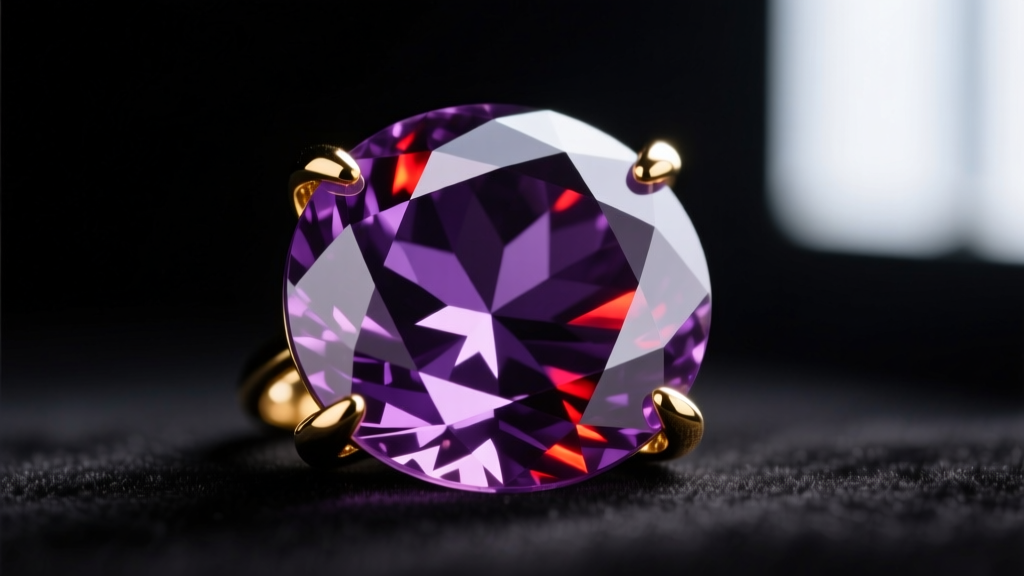
The Three Main Color Tiers
- Siberian (Top Tier): Despite the name, this is a color grade, not just a geographic origin. It features a deep, intense violet base with secondary flashes of red and blue under incandescent light. Expect to pay a premium ($100-$300+ for the stone alone).
- Uruguayan (Mid-High Tier): Known for a consistent, deep, velvety purple without the prominent red/blue flashes. It is highly saturated and looks stunning in yellow gold.
- Rose de France (Budget Tier): A pale, pastel lilac or lavender. While beautiful and currently trending in minimalist jewelry, it is abundant and significantly cheaper ($20-$60 for the stone).
Buyer Beware: The GIA Amethyst Buying Guide notes that virtually all commercial amethyst on the market is heat-treated to improve color uniformity. This is a permanent, industry-accepted practice. However, you should avoid stones with visible 'color zoning' (uneven patches of dark and light purple), as this indicates poor cutting and lowers the gem's visual appeal.
Selecting the Right Hardware: Settings and Chains
The way your amethyst is held and suspended drastically affects both its security and its light performance.
Prong vs. Bezel Settings
A prong setting (usually 4 or 6 metal claws) allows maximum light to enter the sides of the gemstone, increasing brilliance. However, prongs can snag on knit sweaters. A bezel setting wraps a thin rim of gold entirely around the gem's girdle (edge). While it slightly reduces light entry, it offers superior protection against chipping and provides a sleek, modern silhouette that is ideal for everyday wear.
Chain Styles and Thickness
For pendants weighing under 5 grams, a 1.0mm to 1.5mm cable chain or box chain in 14k gold is optimal. Box chains are incredibly strong due to their interlocking square links, while cable chains offer a traditional, delicate look. Avoid 'snake chains' for pendants, as their tight, smooth coils are prone to kinking and trapping body oils.
Neckline Matching: Where to Wear Your Pendant
An amethyst necklace gold chain is versatile, but matching the chain length to your neckline elevates the styling from accidental to intentional.
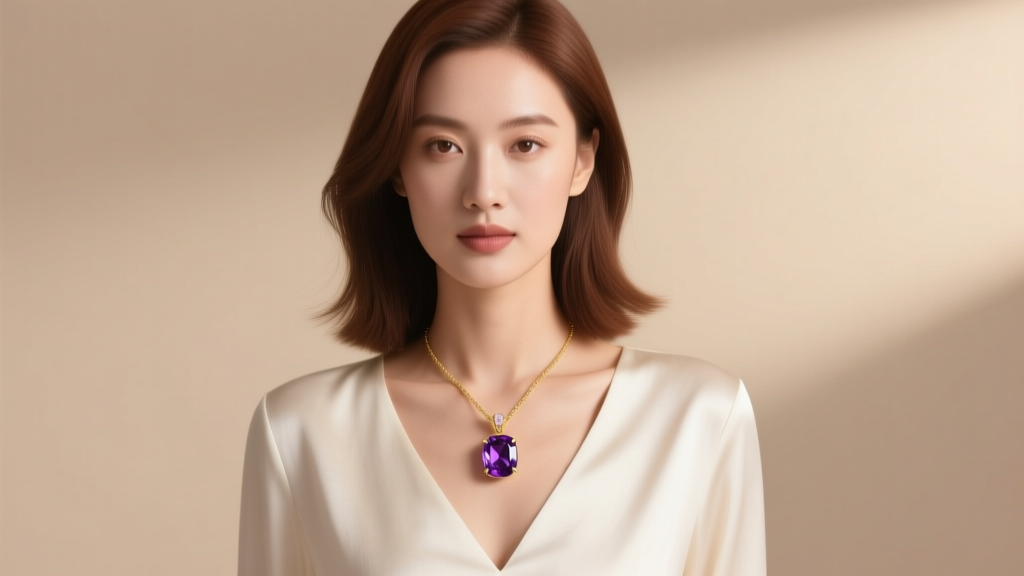
- 16-Inch (Choker/Collarbone): Best paired with V-necks, scoop necks, or off-the-shoulder tops. The pendant sits perfectly in the negative space of a V-neck, drawing the eye downward and elongating the neck.
- 18-Inch (Princess Length): The universal standard. It rests just below the collarbone and works beautifully over crew necks, turtlenecks, or button-down shirts left slightly unbuttoned.
- 20 to 24-Inch (Matinee): Ideal for layering over heavier fabrics, winter sweaters, or business-casual blazers. If your amethyst pendant is large (over 15mm), a longer chain prevents it from looking top-heavy.
Care, Maintenance, and Longevity
While amethyst is relatively hard, it has specific vulnerabilities that beginners must understand to prevent permanent damage.
The UV Warning: Prolonged exposure to direct, intense sunlight can cause the color in some amethysts to fade over time. While wearing it outdoors on a normal day is perfectly fine, do not store your necklace on a sunny windowsill or leave it on the dashboard of your car.
Safe Cleaning Protocols
According to the GIA's care guidelines, warm soapy water and a soft baby toothbrush are the safest methods for cleaning your gold and amethyst jewelry. While ultrasonic cleaners are generally safe for untreated quartz, they can fracture stones that have hidden liquid inclusions or internal stress fractures. Avoid steam cleaners entirely, as sudden temperature shifts can cause thermal shock and crack the gemstone.
Always put your amethyst necklace on after applying perfumes, lotions, and hairsprays, and take it off before swimming in chlorinated pools, as chlorine can degrade the copper alloys in your 14k gold over time, leading to discoloration and brittleness.
Final Thoughts for the First-Time Buyer
Investing in an amethyst necklace gold setting is a brilliant entry into fine jewelry. By prioritizing a 14k gold cable or box chain, seeking out a deep Uruguayan or Siberian color grade, and opting for a secure bezel or sturdy prong setting, you guarantee a piece that will remain a staple in your wardrobe for decades. Focus on the depth of color over sheer carat size, and your first fine jewelry purchase will be one you cherish forever.


