The Spanish Necklace Revival: 2026 Trend Analysis & Style Guide
Explore the 2026 Spanish necklace trend. We analyze Toledo damascene, Andalusian coral, and Majorica pearls, offering styling and authentication tips.

The Neo-Iberian Shift: Redefining the Spanish Necklace
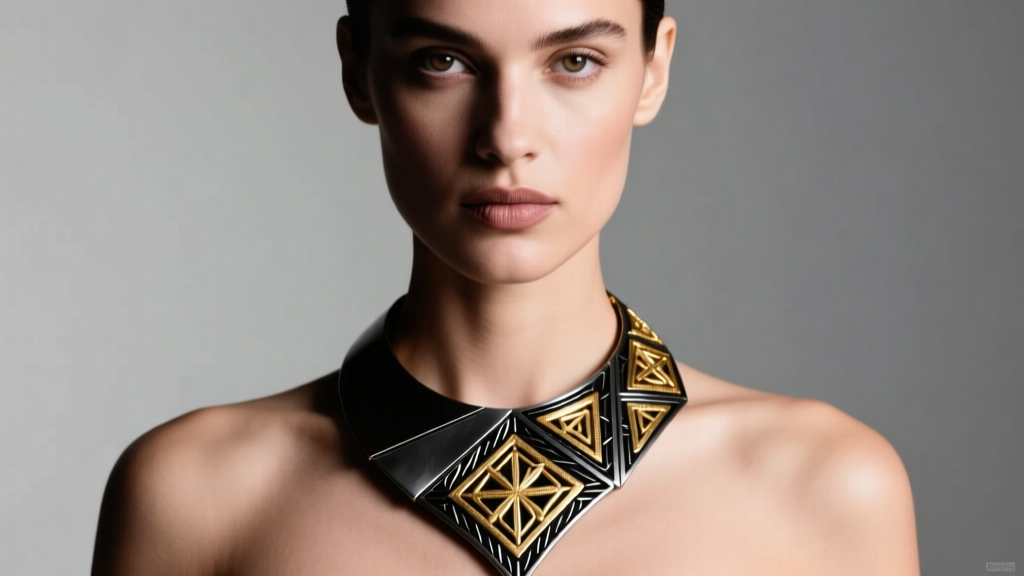
In 2026, the global jewelry market is witnessing a profound resurgence of heritage Iberian craftsmanship, rebranded by contemporary designers as the 'Neo-Iberian' aesthetic. The traditional spanish necklace is no longer confined to souvenir shops or vintage estate cases; it has been elevated to the runways of Paris and Milan. This revival merges centuries-old metalworking and organic gem-setting techniques with modern, brutalist silhouettes. For collectors and style enthusiasts, understanding the precise material grades, historical origins, and modern styling applications of these pieces is essential for navigating this sophisticated trend.
The Anatomy of Heritage Spanish Necklaces
To truly appreciate the 2026 interpretations, one must first understand the three foundational pillars of traditional Spanish jewelry design. Each relies on distinct regional resources and specialized artisanal techniques that dictate the piece's weight, drape, and intrinsic value.
Toledo Damascene (Damasquinado)
Originating from the historic city of Toledo, this technique involves inlaying precious metals into oxidized steel. Artisans etch intricate cross-hatch patterns into a darkened iron or steel base using nitric acid. Next, ultra-fine 24k gold or 925 silver wire—typically ranging from 0.2mm to 0.5mm in gauge—is hammered into the grooves. The piece is then burnished with an agate tool until the surface is completely flush. The result is a striking, high-contrast black and gold necklace that is remarkably durable but notably heavy, often exceeding 80 grams for a standard 18-inch pendant.
Andalusian Coral and Filigree
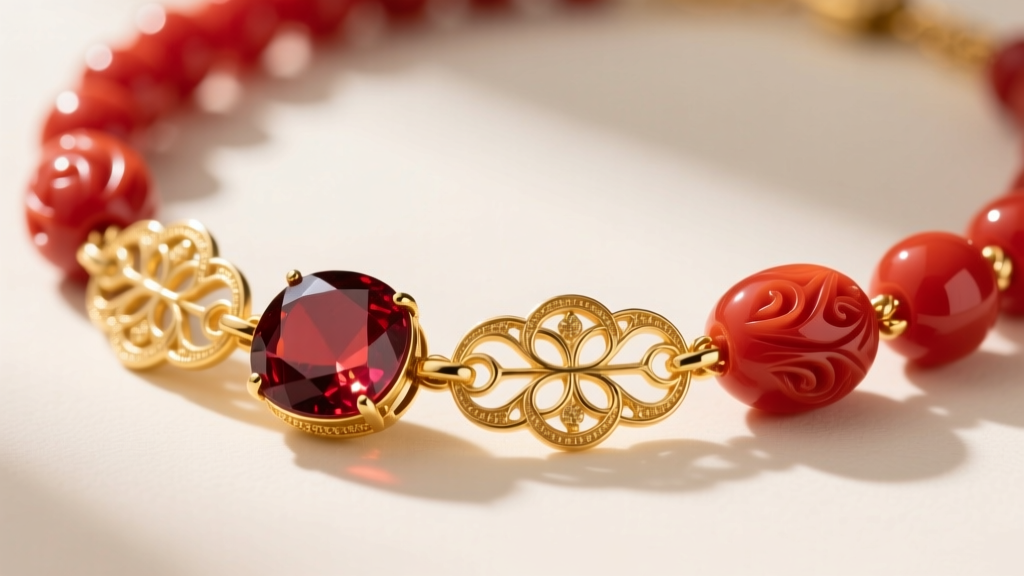
Southern Spain's proximity to the Mediterranean gave rise to the extensive use of Corallium rubrum, or Mediterranean red coral. Genuine vintage Andalusian necklaces feature 'oxblood' red coral beads, often carved into floral or barrel shapes, interspersed with intricate 18k yellow gold (750 purity) filigree links. According to the Gemological Institute of America (GIA), Mediterranean coral is heavily regulated today due to overharvesting, making pre-1980s Spanish coral necklaces highly prized investment assets.
Majorica Pearls
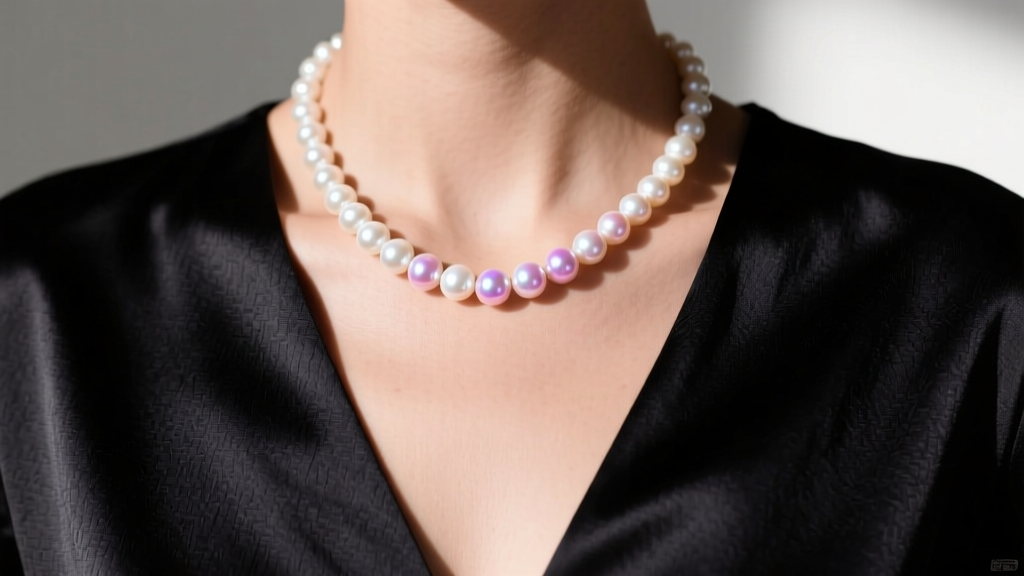
While not harvested from the sea, Majorica pearls are a cornerstone of Spanish jewelry heritage. Created in Mallorca, these are not traditional imitation pearls made of plastic or simple glass. The process involves coating a dense opaline glass core with essence d'orient—a proprietary iridescent liquid derived from guanine crystals found in fish scales. The Majorica Official Heritage archives note that this multi-layered coating process, followed by UV curing, gives these necklaces a luster and weight that closely mimics high-grade Akoya pearls.
2026 Runway Translation: Traditional vs. Neo-Iberian Specs
How has the classic spanish necklace evolved for the modern wardrobe? The 2026 trend moves away from perfectly symmetrical, overly ornate designs, favoring instead a mix of raw textures and architectural geometry. Below is a comparative breakdown of how the specifications have shifted from heritage pieces to contemporary runway adaptations.
| Feature | Heritage Traditional (Pre-2000) | 2026 Neo-Iberian Trend |
|---|---|---|
| Base Metal (Damascene) | Mild Steel / Iron | Blackened Titanium / Recycled Steel |
| Gold Inlay Purity | 24k Gold Foil / Wire | 14k or 18k Rose & Yellow Gold Mix |
| Coral Treatment | Polished Natural Oxblood | Raw, Unpolished Branches & Inclusions |
| Clasp Mechanism | Standard Spring Ring / Lobster | Magnetic Neodymium / Tension Clasps |
| Average Pendant Weight | 45g - 85g | 20g - 40g (Hollow-cast techniques) |
| Retail Price Range (USD) | $150 - $600 (Vintage) | $850 - $3,200 (Contemporary Designer) |
Neckline Pairing & Styling Framework
The bold nature of Spanish jewelry requires strategic styling to prevent the pieces from overwhelming the wearer. The heavy visual weight of Toledo steel and the vibrant saturation of Mediterranean coral demand specific neckline pairings.
- The Deep V-Neck & Toledo Pendants: An 18 to 20-inch Toledo damascene pendant sits perfectly in the negative space of a deep V-neck silk blouse or a tailored blazer. The elongated drop draws the eye downward, balancing the heavy, dark metal with exposed skin.
- The Off-Shoulder & Coral Chokers: A 14 to 16-inch Andalusian coral choker is the ultimate companion for an off-the-shoulder or boatneck top. The horizontal line of the collarbone provides a natural 'shelf' that frames the vibrant red beads without competing with fabric patterns.
- The Scoop Neck & Majorica Strands: For a classic, elegant look, a 16-inch single strand of 8mm Majorica pearls sits flush against the collarbone when paired with a wide scoop neck. This mimics the traditional flamenco dancer silhouette but adapts it for modern minimalist eveningwear.
Authentication & Material Grading
As the demand for the spanish necklace trend surges, the market has seen an influx of mass-produced imitations. Knowing how to authenticate regional hallmarks and material properties is a non-negotiable skill for serious buyers.
The Toledo Magnet Test
Counterfeit damascene jewelry is often stamped on brass or copper bases, which are non-magnetic. Because genuine Toledo craftsmanship utilizes a steel or iron base, authentic pieces will attract a magnet. Furthermore, look for the microscopic 'OrO' stamp or the 'Made in Toledo' hallmark etched into the blackened steel on the reverse side of the pendant.
Verifying Majorica Pearls
The traditional 'tooth test' used to identify real nacre pearls will fail on Majorica pieces, as both glass and plastic imitations feel smooth against the enamel. Instead, rely on weight and thermal conductivity. The dense opaline glass core of a genuine Majorica necklace will feel significantly heavier and cooler to the touch than a plastic bead necklace of the same diameter. Always inspect the clasp for the engraved 'Majorica' stamp, which is applied post-1950.
When sourcing vintage Mediterranean coral, always request CITES (Convention on International Trade in Endangered Species) documentation. Post-1980s pieces lacking this paperwork may be subject to customs seizure when crossing international borders.
Investment Value and Sourcing
For those looking to acquire a spanish necklace as both a style statement and an alternative asset, provenance is paramount. Estate sales and specialized auction houses like Sotheby's and Christie's frequently feature mid-century Andalusian gold and coral suites, which have appreciated by an estimated 15-20% over the last decade due to the scarcity of untreated Mediterranean coral.
For contemporary 2026 designs, seek out emerging Iberian designers who are transparent about their supply chains, utilizing recycled 18k gold and ethically sourced or lab-grown coral alternatives. The Metropolitan Museum of Art notes that Spanish metalwork has always been defined by its cultural synthesis; today's Neo-Iberian trend honors that legacy by blending ancient techniques with modern ethical standards and avant-garde aesthetics.


