How to Clean and Maintain a Delicate Reindeer Necklace
Learn expert tips to clean, polish, and store your reindeer necklace. Protect delicate antlers, enamel, and silver from tarnish and damage.

The Unique Challenges of Reindeer Jewelry Care
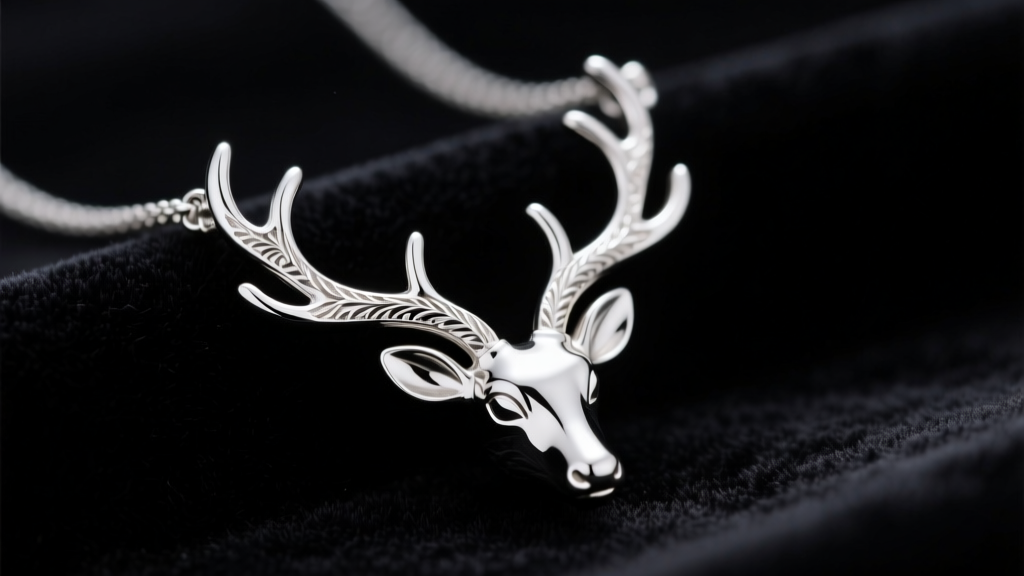
A beautifully crafted reindeer necklace is a timeless piece that captures woodland whimsy and holiday charm. However, the very details that make these pendants so captivating—intricate filigree antlers, delicate prongs, and mixed-material accents like enamel or carved bone—make them notoriously difficult to clean. Standard jewelry cleaning methods can easily bend a fragile antler tip or strip the finish from painted accents. To keep your piece looking pristine, you must adopt a tailored approach to care, maintenance, and storage.
Whether your piece is a solid 925 sterling silver heirloom or a modern gold-vermeil design with cold enamel accents, this comprehensive guide will walk you through the exact techniques used by professional jewelers to restore and protect your jewelry.
Understanding Your Reindeer Necklace Materials
Before applying any cleaning solution, you must identify the materials used in your necklace. The Gemological Institute of America (GIA) emphasizes that treating a metal or gemstone with the wrong chemical can cause irreversible damage.
- 925 Sterling Silver: The most common metal for nature-inspired pendants. It is prone to silver sulfide tarnish but responds beautifully to gentle polishing.
- Gold Vermeil: A thick layer of gold (at least 2.5 microns) over sterling silver. Harsh abrasives will strip the gold layer, exposing the silver beneath.
- Vitreous vs. Cold Enamel: Vitreous enamel is fired glass and can withstand mild heat. Cold enamel is essentially a hardened resin that will cloud, melt, or detach if exposed to hot water or ultrasonic vibrations.
- Carved Antler or Bone: Highly porous organic materials that will absorb chemicals, oils, and water, leading to warping and discoloration.
Step-by-Step Cleaning Guide for Intricate Antler Details
The elaborate branching of a reindeer's antlers creates dozens of microscopic crevices where skin oils, lotions, and environmental dust accumulate. Here is the safest method to deep-clean these hard-to-reach areas without bending the metal.
1. The Dry Dusting Phase
Before introducing moisture, use a clean, dry makeup brush or a soft-bristled artist's brush to gently sweep out loose dust from the antler crevices. This prevents creating a muddy paste when you apply liquid cleaners later.
2. The Lukewarm Soak
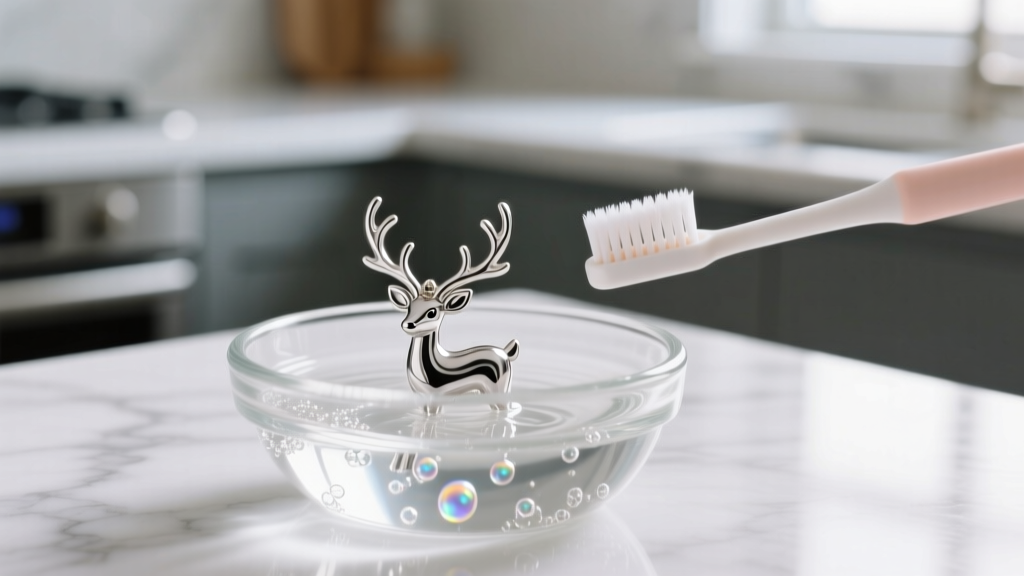
Fill a small glass bowl with lukewarm water (never hot, to protect any enamel accents) and add two drops of mild, phosphate-free dish soap. Submerge the pendant for exactly three to five minutes. This loosens sebum and cosmetic buildup.
3. Targeted Agitation
Remove the necklace from the soak and use a soft baby toothbrush to gently agitate the crevices. Brush in the direction of the metal grain, applying zero downward pressure. Let the bristles do the work of lifting the debris.
4. Rinsing and Drying
Rinse thoroughly under a gentle stream of distilled water to avoid hard water spots. Pat dry with a lint-free microfiber cloth. Do not air dry, as trapped moisture in the antler joints can accelerate localized tarnishing.
Material-Specific Cleaning Matrix
Use this quick-reference table to ensure you are using the correct chemistry for your specific necklace.
| Material | Recommended Cleaner | Tool | Critical Warning |
|---|---|---|---|
| 925 Sterling Silver | Mild dish soap & water | Baby toothbrush | Avoid thiourea-based liquid dips |
| Gold Vermeil | Soap suds only (no soaking) | Microfiber cloth | Never use silver polishing cloths |
| Cold Enamel Accents | Damp cloth wipe | Cotton swab | No hot water or ultrasonic cleaners |
| Carved Bone/Antler | Dry dusting only | Soft artist brush | Keep completely away from all liquids |
Polishing and Tarnish Prevention
Tarnish on silver is a chemical reaction between the copper alloy in sterling silver and sulfur compounds in the air. When your reindeer necklace begins to yellow or blacken, you need to polish it carefully.
Use a high-quality jeweler's cloth impregnated with micro-abrasives, such as a Sunshine cloth. Gently rub the flat surfaces of the reindeer's body. Do not force the polishing cloth into the deep crevices of the antlers. Leaving a slight, dark patina in the recessed areas of the antlers actually enhances the three-dimensional contrast of the design, making the intricate details pop. According to Tiffany & Co. Jewelry Care guidelines, over-polishing intricate designs can wear away the crisp edges of the casting over time.
Expert Warning: Never use liquid silver dips (like Tarn-X) on a reindeer necklace. These products contain thiourea, a chemical that strips away the natural patina, leaves a microscopic porous surface that tarnishes faster in the future, and will instantly ruin any oxidized detailing or enamel accents.
Protecting Enamel and Resin Accents
Many modern reindeer necklaces feature vibrant cold enamel to depict a red nose, a green winter wreath, or a forest-green base. Cold enamel is a two-part epoxy resin. While durable against everyday wear, it is highly susceptible to chemical degradation.
Keep your necklace away from perfumes, hairsprays, and hand sanitizers. The high alcohol content in sanitizers can break down the resin's molecular bonds, causing the enamel to cloud, crack, or peel away from the metal backing. If your enamel loses its shine, do not attempt to buff it with metal polish; instead, wipe it gently with a cloth dampened with a tiny amount of mineral oil to restore its luster.
Proper Storage to Prevent Bent Prongs and Tangling
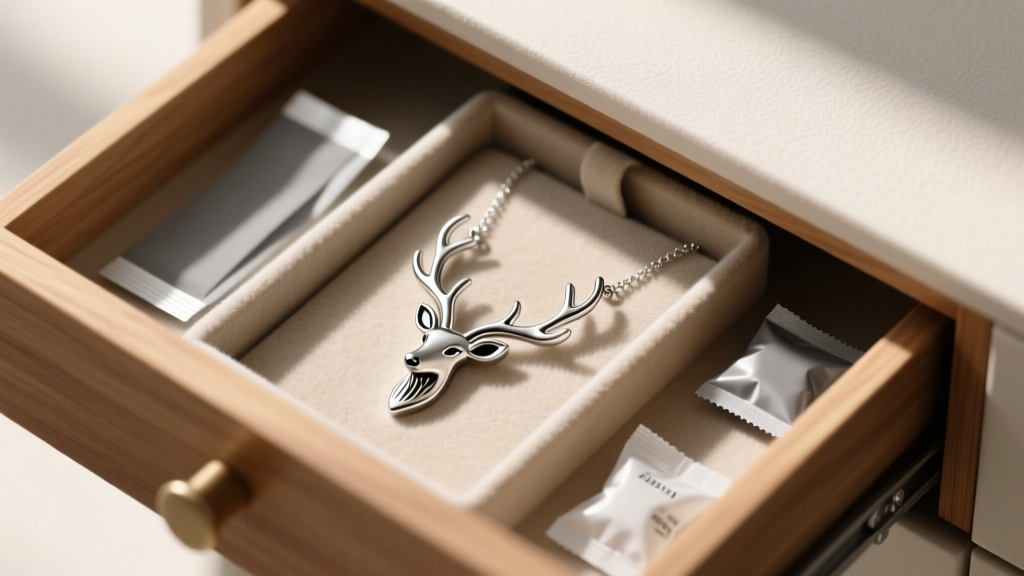
The branching geometry of reindeer antlers acts like a natural hook, making these necklaces highly prone to severe tangling and snagging on other jewelry. Furthermore, the delicate chain types usually paired with these pendants (such as 0.8mm box chains or delicate cable chains) are susceptible to micro-kinks.
The Flat Storage Method
Never toss a reindeer necklace into a communal jewelry box. Store it flat in a dedicated, fabric-lined compartment. Fasten the clasp to prevent the chain from weaving through the antlers. Place a 3M anti-tarnish strip in the compartment to absorb atmospheric sulfur, and add a small silica gel packet to keep the relative humidity below 50%, which drastically slows the oxidation process.
Troubleshooting Chain Tangles
If your chain becomes knotted around the antlers, do not pull it. Lay the necklace on a flat, well-lit surface. Apply a single drop of baby oil or mineral oil to the knot. Using two fine sewing needles, gently work the center of the knot outward until it loosens. Wipe the chain clean with a microfiber cloth afterward.
When to Seek Professional Help
While home maintenance is excellent for surface cleaning, some issues require a professional bench jeweler. If your reindeer necklace features gemstone accents (like a small diamond or garnet eye) and you notice the stone rattling or sitting crooked, stop wearing it immediately. The prongs holding the stone have likely worn thin or caught on fabric. A jeweler can re-tip the prongs in minutes. Similarly, if a delicate antler tip snaps off, a professional can laser-weld it back into place without applying the broad heat of a traditional soldering torch, which would melt surrounding enamel or damage heat-sensitive gemstones.
By respecting the unique structural and material needs of your jewelry, you ensure that your reindeer necklace remains a pristine, sparkling staple in your collection for decades to come. For more general preservation tips, the Smithsonian Institution offers excellent foundational guidelines on caring for mixed-media historical and contemporary objects.


