The Most Popular Necklaces in 2026: A Buyer's Guide
Discover the most popular necklaces in 2026. Our expert buying guide covers chain styles, metal grades, pricing, and how to choose your perfect piece.

The 2026 Necklace Landscape: Intentional Over Abundant
When evaluating the most popular necklaces this year, the market has decisively shifted away from the chaotic, multi-strand layering trends of the early 2020s. Today, the focus is on structural integrity, material transparency, and intentional proportion. As a buyer, understanding the mechanical and metallurgical realities of these trending styles is the difference between an heirloom investment and a tangled, broken disappointment. This guide dissects the anatomy of the year's most sought-after chains and pendants, providing you with the exact specifications needed to make an informed purchase.
Decoding the Most Popular Necklace Styles
The Paperclip Chain: Industrial Meets Elegant
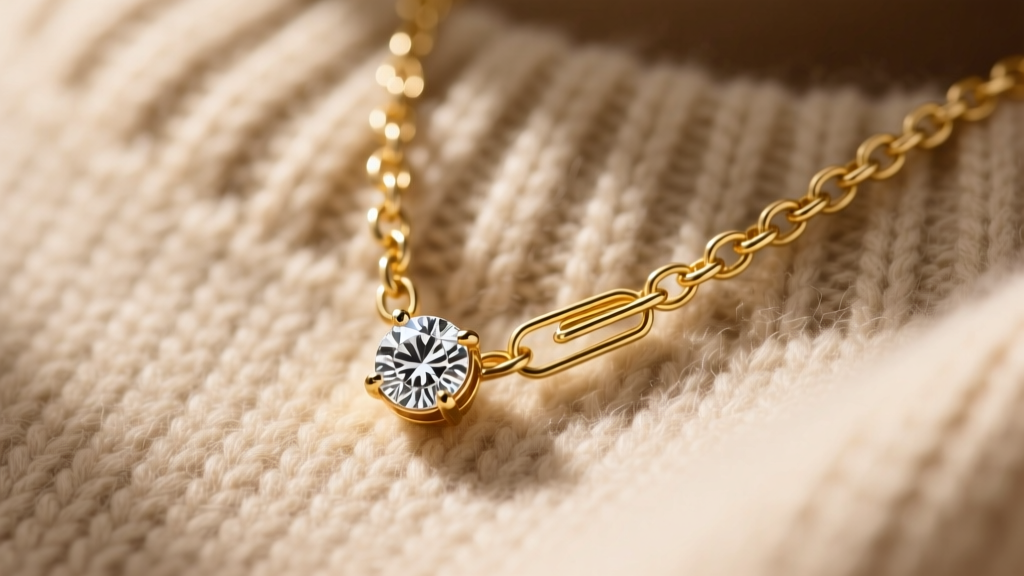
The paperclip chain remains a dominant force, but the 2026 iterations are far more refined. The secret to a high-quality paperclip chain lies in the wire gauge and link soldering. Look for a wire thickness of at least 1.8mm (approximately 14-gauge) for a 3mm wide link. Thinner wires (under 1.2mm) will warp under the weight of even a modest pendant. Furthermore, inspect the link seams: premium manufacturers laser-weld each elongated link shut, preventing the chain from catching on fine knits or hair.
The Herringbone Snake Chain: Liquid Metal
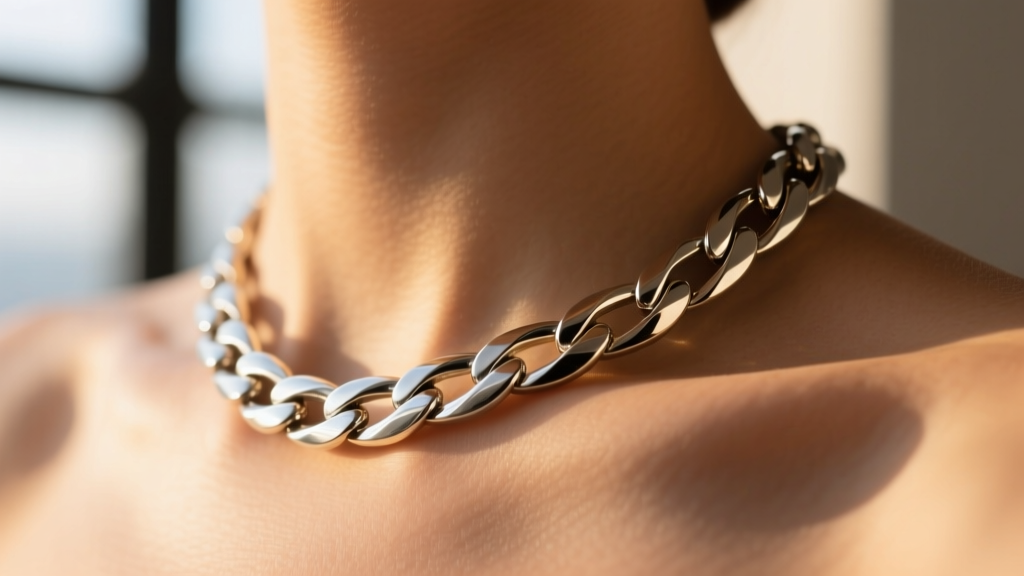
Prized for its seamless, reflective surface, the herringbone chain mimics the drape of liquid metal. However, it comes with a notorious failure mode: kinking. Because the links are flattened and tightly packed, any sharp bend permanently disrupts the structural matrix. Buying Advice: Only purchase herringbone chains in 14k gold or higher, and strictly avoid wearing them to sleep. If a kink occurs, do not attempt to bend it back with your fingers; a jeweler must use a polished steel block and a rawhide mallet to gently coax the links back into alignment.
The Bezel-Set Solitaire Pendant: Minimalist Brilliance
Prong settings catch on clothing and require annual maintenance to ensure the diamond remains secure. The bezel-set solitaire has surged in popularity because it encircles the gemstone in a continuous metal rim. When shopping for this style, verify the diamond's melee size. A 0.15-carat to 0.25-carat lab-grown diamond offers the optimal visual footprint without overwhelming a delicate 16-inch cable chain. Ensure the bezel wall is at least 0.4mm thick to protect the girdle of the stone from impact damage.
Material Grades & Durability: What to Actually Look For
The Federal Trade Commission's Jewelry Guides strictly regulate how gold content is marketed, yet misleading terminology still plagues the industry. Understanding the exact composition of your chain is critical for long-term wearability.
| Material Type | Composition & Standards | Tensile Strength | Avg. Price Range (16") |
|---|---|---|---|
| Solid 14k Gold | 58.5% pure gold, alloyed with copper/silver | High (Ideal for thin chains) | $250 - $450 |
| Solid 18k Gold | 75% pure gold, richer yellow hue | Medium (Prone to stretching) | $400 - $750 |
| Gold Vermeil | Sterling silver base, minimum 2.5 microns gold | Medium (Base can tarnish if worn) | $80 - $150 |
| PVD Stainless | 316L steel with Physical Vapor Deposition gold | Extremely High (Waterproof) | $40 - $90 |
Expert Insight: If you are buying a chain to hold a heavy pendant (over 5 grams), avoid 18k gold and vermeil. The higher pure gold content in 18k makes the metal softer, leading to permanent chain elongation over time. Stick to the superior tensile strength of solid 14k gold or heavy-gauge PVD stainless steel.
Clasp Mechanics & Failure Modes
A chain is only as secure as its weakest link, which is almost always the clasp assembly. The Gemological Institute of America (GIA) notes that clasp failure accounts for the majority of lost jewelry claims. Here is what you need to inspect:
- The Spring Ring: Common on budget chains. It relies on a microscopic internal spring. If the tiny lever feels loose or fails to snap back flush against the ring, the internal spring has fatigued. Replace it immediately.
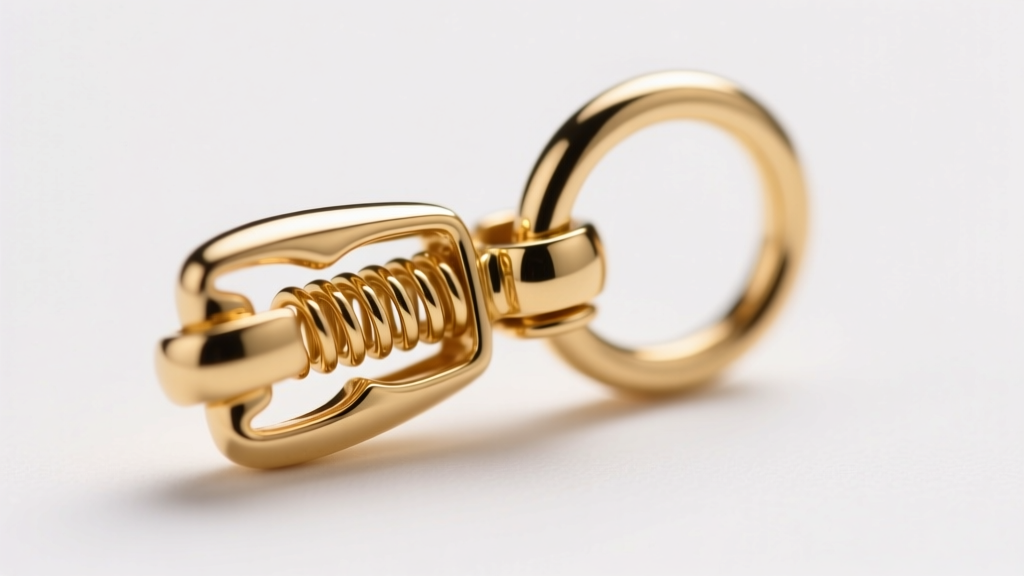
- The Lobster Clasp: The industry standard for mid-weight chains. Look for a solid cast lobster clasp rather than a hollow stamped one. Hollow clasps dent easily, jamming the lever mechanism.
- The Box Clasp with Safety: Mandatory for heavy statement necklaces. The primary box-and-tongue mechanism bears the weight, while the figure-8 safety wire acts as a redundant backup if the tongue compresses and slips out of the box.
Sizing & Proportion: The 16 vs. 18-Inch Dilemma
Choosing the correct length is not just about comfort; it dictates how the metal interacts with light and your wardrobe. A 16-inch chain sits precisely on the collarbone, acting as a choker-cum-collar that draws the eye horizontally. This is the ideal length for a 2.5mm paperclip chain or a delicate bezel pendant, as it prevents the piece from sliding under necklines.
Conversely, an 18-inch chain falls at the crew-neck line. This length is mandatory for herringbone or rope chains, as the extra two inches provide the necessary slack for the chain to drape in a U-shape rather than folding sharply. If you are between sizes, invest in a high-quality 2-inch extender chain with a silicone stopper bead at the terminus to prevent the clasp from sliding down your back.
Chain Link Soldering & Maintenance Protocols
The longevity of any chain necklace is dictated by its soldering points. In mass-produced jewelry, links are often machine-cut and left unsoldered to reduce manufacturing costs. While this is acceptable for thick, heavy-gauge cable chains, it is a catastrophic flaw in delicate designs like the figaro or paperclip chain. Unsoldered links can easily pull apart when subjected to the 3 to 5 pounds of tensile stress generated by a simple snag on a sweater.
When inspecting a piece in person or reviewing high-resolution macro photography online, look for the tiny dark line or seamless weld mark where the link closes. Premium manufacturers utilize laser welding, which fuses the metal without the need for traditional lead-based solders, resulting in a cleaner, stronger joint that resists oxidation. For maintenance, ultrasonic cleaners are highly effective for solid gold and PVD stainless steel, but they will violently strip gold vermeil and fracture the delicate links of a herringbone chain. Stick to a mild dish soap soak and a soft-bristled baby toothbrush for anything plated or intricately woven.
Final Verdict: Where to Invest Your Budget
When navigating the most popular necklaces on the market, prioritize the chain's structural engineering over the sheer carat weight of any attached pendant. A well-soldered, solid 14k gold paperclip chain with a laser-welded lobster clasp will outlast a poorly cast 18k piece every time. Demand transparency in micron thickness for plated goods, and never compromise on the mechanical integrity of the clasp. By focusing on these granular details, you secure a piece that transcends fleeting trends and becomes a permanent fixture in your daily rotation.


