Necklaces in Style: The 2026 Metal & Material Guide
Discover which necklaces in style for 2026 offer the best durability. Compare gold, platinum, titanium, and alternative metals for everyday wear.

The Metallurgical Reality of Necklaces in Style
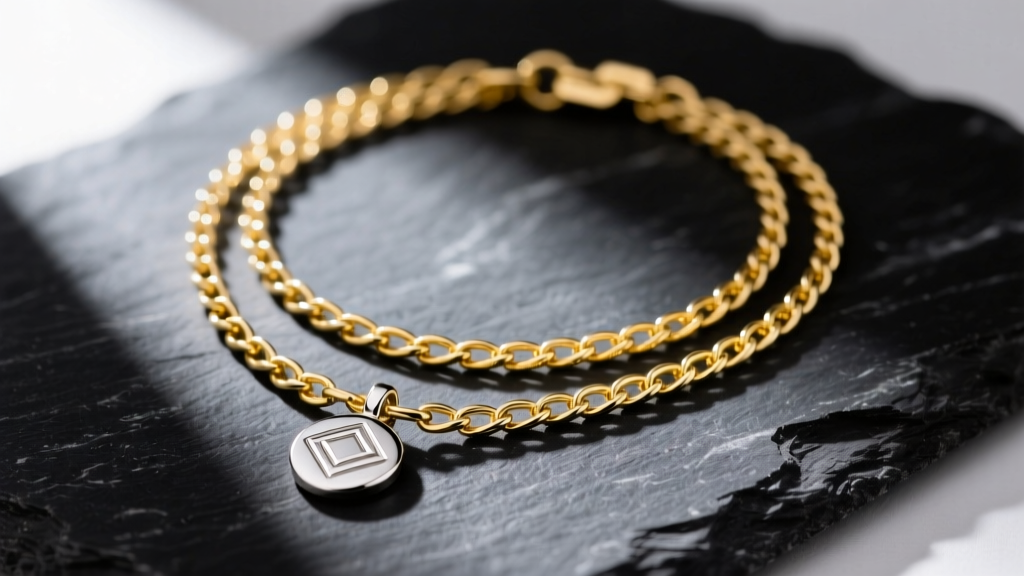
When evaluating the necklaces in style for 2026, the conversation among jewelers and collectors has shifted dramatically from mere aesthetics to metallurgical longevity. The modern consumer demands pieces that not only capture the current zeitgeist but also withstand the rigors of daily wear without constant maintenance. The trend toward mixed-metal layering and heavy, sculptural pendants means that understanding the underlying properties of your jewelry is no longer optional—it is essential. According to the Jewelers of America, warranty claims related to chain snapping, clasp failure, and alloy tarnishing have prompted a renewed focus on material education. This guide breaks down the exact properties, failure modes, and pricing structures of the metals dominating the market this year.
Precious Metals: Gold, Platinum, and Silver
14k vs. 18k Gold Alloys: The Tarnish and Scratch Trade-off
Pure 24k gold is far too soft (Mohs hardness of 2.5) for functional chains, so it must be alloyed. The necklaces in style this year heavily feature both 14k and 18k gold, but they serve different structural purposes. 18k gold (75% pure gold) offers a rich, saturated color but is more prone to micro-scratches and deformation under tension. 14k gold (58.3% pure gold) is alloyed with higher percentages of copper, zinc, or silver, yielding a significantly harder metal that resists warping. However, the higher copper content in some 14k rose and yellow gold alloys can lead to oxidation and skin discoloration in highly acidic sweat environments. For heavy pendant chains, 14k is structurally superior; for delicate, skin-adjacent chokers, 18k provides better hypoallergenic properties.
Platinum's Patina and Density
Platinum remains the apex predator of precious metals, typically alloyed as Pt950 (95% platinum, 5% ruthenium or iridium). Unlike gold, which loses microscopic particles of metal when scratched, platinum merely displaces. This creates a satin-like finish known as a patina. While some owners rush to polish this away, the Gemological Institute of America (GIA) notes that this patina is a hallmark of authenticity and protects the metal from further wear. Platinum is exceptionally dense, meaning a 20-inch platinum Cuban link chain will feel substantially heavier and more expensive (often 60-80% more than its 14k gold equivalent) but will outlast it by generations without thinning.
Argentium vs. Traditional Sterling Silver
Traditional sterling silver (92.5% silver, 7.5% copper) is notorious for tarnishing due to the copper reacting with atmospheric sulfur. In 2026, the necklaces in style increasingly utilize Argentium silver. By replacing a portion of the copper with germanium, Argentium forms a transparent, self-healing germanium oxide layer on the surface that drastically slows tarnish. It is also highly ductile, making it ideal for intricate, woven chainmaille patterns that would be too costly to produce in platinum.
Industrial & Alternative Metals
Titanium Grades and Tungsten's Brittleness
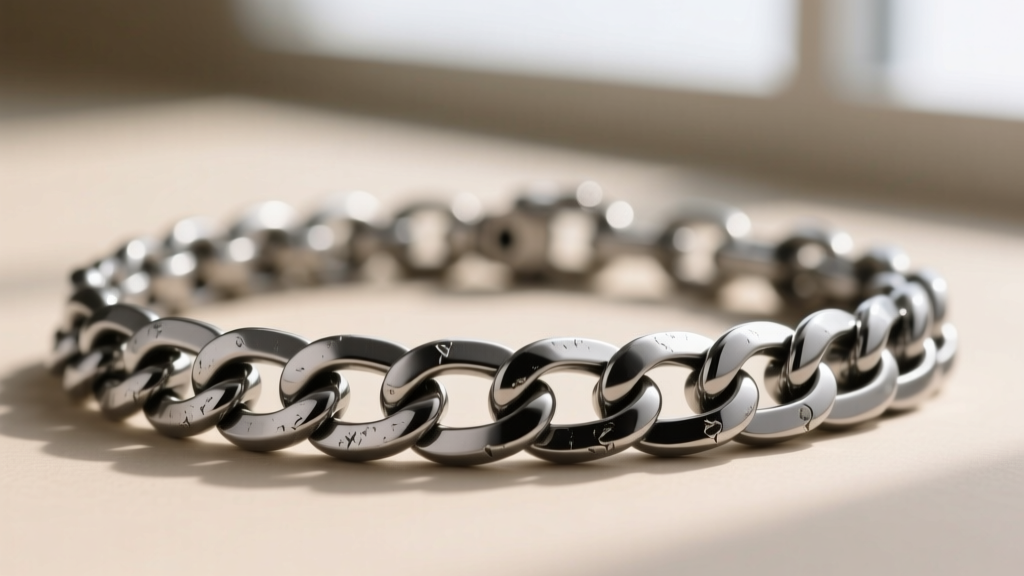
The inclusion of industrial metals in high fashion has normalized titanium and tungsten in luxury spaces. However, not all titanium is created equal. Grade 2 titanium is commercially pure, lightweight, and highly hypoallergenic, making it perfect for sensitive skin. Grade 5 titanium (Ti-6Al-4V), an aerospace alloy containing aluminum and vanadium, is significantly harder and used in heavy, architectural link chains. Tungsten carbide, boasting a Mohs hardness of 8.5 to 9, will never scratch under normal conditions. However, its fracture toughness is incredibly low. A tungsten chain dropped onto a tile floor or subjected to blunt force can shatter like glass, making it a poor choice for active lifestyles despite its scratch-proof marketing.
316L Surgical Stainless Steel
Stainless steel is a staple for affordable, durable chains, but buyers must verify the grade. While 304 stainless steel is common in hardware, 316L surgical steel contains 2-3% molybdenum, which provides critical resistance to chlorides and industrial solvents. If you wear your necklace in the ocean or a chlorinated pool, 316L will resist pitting and corrosion far better than 304, maintaining its structural integrity at the microscopic weld points of the links.
Comprehensive Material Comparison Matrix
| Material | Mohs Hardness | Allergy Risk | Maintenance Level | Approx. Cost per Gram (2026) |
|---|---|---|---|---|
| 14k Yellow Gold | 3.0 - 3.5 | Low (if nickel-free) | Medium (Polishing) | $45 - $55 |
| 18k White Gold | 2.5 - 3.0 | Medium (Nickel alloys) | High (Rhodium replating) | $60 - $75 |
| Pt950 Platinum | 4.0 - 4.5 | None | Low (Patina accepted) | $95 - $115 |
| Argentium Silver | 2.5 - 3.0 | Very Low | Low (Tarnish resistant) | $1.50 - $2.50 |
| Grade 5 Titanium | 6.0 | None | None | $0.50 - $1.00 |
| 316L Steel | 5.5 | Very Low | None | $0.10 - $0.20 |
Hardware & Failure Modes: The Hidden Weak Points
Clasp Mechanics and Chain Welding
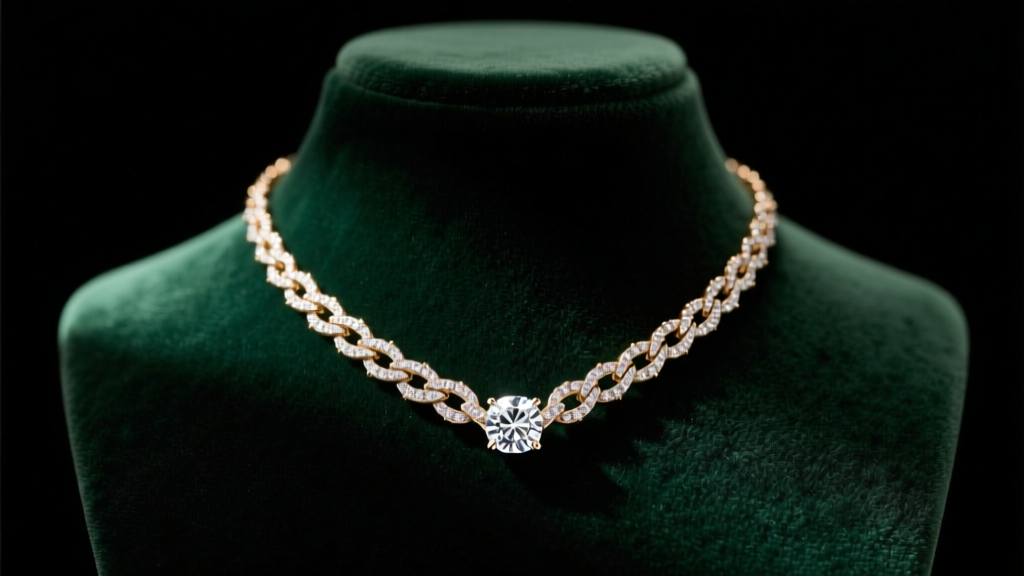
The most common failure point in any necklace is not the chain itself, but the clasp and the jump rings connecting it. According to Federal Trade Commission (FTC) guidelines on jewelry durability disclosures, consumers are often unaware of the mechanical limits of standard clasps. Spring ring clasps rely on a tiny internal steel spring that degrades and fatigues over time, especially when exposed to hairspray or lotion. Lobster claw clasps offer a stronger grip but can snap at the hinge under sudden torque. For heavy gold or platinum chains exceeding 25 grams, a box clasp with a secondary safety figure-eight wire is mandatory. Furthermore, inspect the weld points on the links; laser-welded links offer superior tensile strength compared to traditional soldered links, which can melt and weaken if exposed to high heat during resizing or repair.
Matching Materials to 2026 Silhouette Trends
Chokers and Collars
The rigid collar and the woven choker require metals with high ductility and memory retention. 18k gold and Argentium silver excel here, as they can be woven into mesh or snake chains that drape like fabric. Avoid tungsten or thick steel for these styles, as they lack the necessary flexibility and will kink permanently if bent.
Long Layering Chains
Layering remains a dominant force among the necklaces in style this year, often involving 24-inch to 36-inch rope or paperclip chains. Because these longer chains swing and generate friction against each other, abrasion resistance is key. Platinum and 14k gold are ideal, as they will slowly wear a polished patina rather than snapping. If layering mixed metals, ensure that a harder metal (like steel) is not rubbing directly against a softer one (like pure silver), or the steel will act like a file, cutting through the silver links over time.
Expert Verdict: What to Buy This Year
The necklaces in style for 2026 prove that true luxury lies in the intersection of aesthetic boldness and material science. For heirloom-quality pendants and heavy links, Pt950 platinum remains unmatched in longevity. For everyday, low-maintenance layering, 14k gold and Argentium silver offer the best balance of cost, color, and durability. By understanding the exact alloy compositions and mechanical failure points of your jewelry, you can invest in pieces that will outlast the trends that brought them into the spotlight.


