The Ultimate Guide to Choosing Your First Diamond Charm Necklace
Learn how to choose, style, and care for your first diamond charm necklace. We cover carat weights, chain types, and setting styles for beginners.

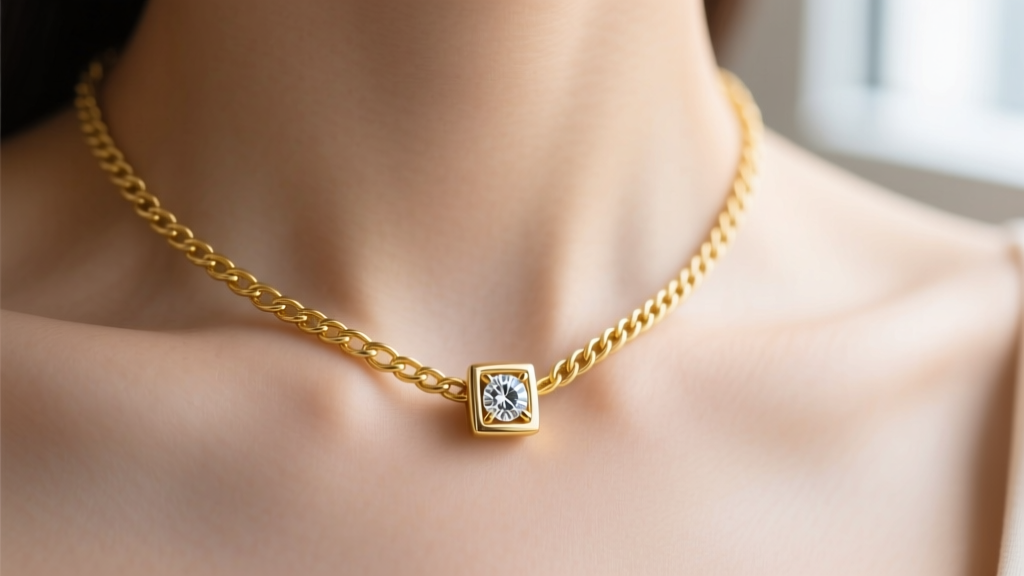
Why a Diamond Charm Necklace is the Ultimate Beginner Staple
If you are building a fine jewelry collection from scratch, a diamond charm necklace is universally considered the foundational piece. Unlike statement necklaces that demand specific necklines or seasonal trends, a solitary diamond pendant offers unmatched versatility. It transitions seamlessly from a crisp white t-shirt and jeans to an elegant evening gown. However, navigating the world of carat weights, chain gauges, and setting architectures can be overwhelming for a first-time buyer. This beginner-friendly explainer breaks down the exact specifications you need to know to make a confident, informed purchase in 2026, ensuring your necklace is both beautiful and structurally sound for daily wear.
Decoding the 4Cs for Charm Pendants (Keep it Simple)
When evaluating diamonds, gemologists rely on the 4Cs: Cut, Color, Clarity, and Carat. For a diamond charm necklace, you do not need to obsess over flawless clarity or colorless grades. Because the diamond is viewed from a distance and constantly in motion, Cut and Carat are your most critical metrics.
According to the Gemological Institute of America (GIA), the cut grade dictates how effectively light enters the stone, reflects internally, and exits back to the eye. For a small charm (typically under 0.50 carats), an 'Excellent' or 'Very Good' cut will create a 'crushed ice' sparkle that masks lower clarity grades (like SI1 or SI2) and near-colorless tints (G-H-I). You can safely prioritize cut quality over flawless clarity, saving significant money without sacrificing visual impact.
Carat Weight vs. Millimeter Size & Pricing
Carat is a measure of weight, not physical size. To visualize how a diamond will actually look on your chest, you must look at the millimeter (mm) measurements. Below is a practical pricing and size guide reflecting current market rates, highlighting the massive value proposition of lab-grown diamonds for beginners.
| Carat Weight | Millimeter Size | Natural Diamond Price (Approx.) | Lab-Grown Price (Approx.) | Visual Impact |
|---|---|---|---|---|
| 0.10 ct | 3.0 mm | $150 - $250 | $40 - $80 | Subtle, minimalist glint |
| 0.25 ct | 4.1 mm | $400 - $700 | $120 - $200 | Ideal everyday staple |
| 0.50 ct | 5.2 mm | $1,200 - $2,500 | $300 - $550 | Noticeable, elegant statement |
| 1.00 ct | 6.5 mm | $4,500 - $8,000+ | $600 - $1,100 | Bold, luxurious focal point |
Choosing the Right Chain: Gauge, Length, and Metal
The most common mistake beginners make is pairing a delicate diamond charm with an overly thick chain, or a heavy halo pendant with a fragile chain. The chain gauge (thickness) must be proportionally balanced with the weight of the charm.
- 0.9mm to 1.1mm Gauge: The sweet spot for solitaire charms ranging from 0.10ct to 0.50ct. This thickness is delicate enough to let the diamond shine but strong enough to resist snapping under normal tension.
- 1.2mm to 1.5mm Gauge: Required for heavier settings, such as a 1.00ct diamond or a charm surrounded by a pavé halo.
- Avoid Hollow Chains: Many budget-friendly box chains are hollow inside to save on gold weight. These are prone to kinking and crushing, which cannot be repaired. Always verify the chain is solid.
For length, a 16-inch chain (often called a princess length) is the industry standard for a diamond charm necklace. It rests perfectly on the collarbone. If you have a longer neck or prefer a more relaxed fit, opt for an 18-inch chain. Always look for chains with a 2-inch extender loop, which provides crucial styling flexibility.
Setting Architecture: Protecting Your Investment
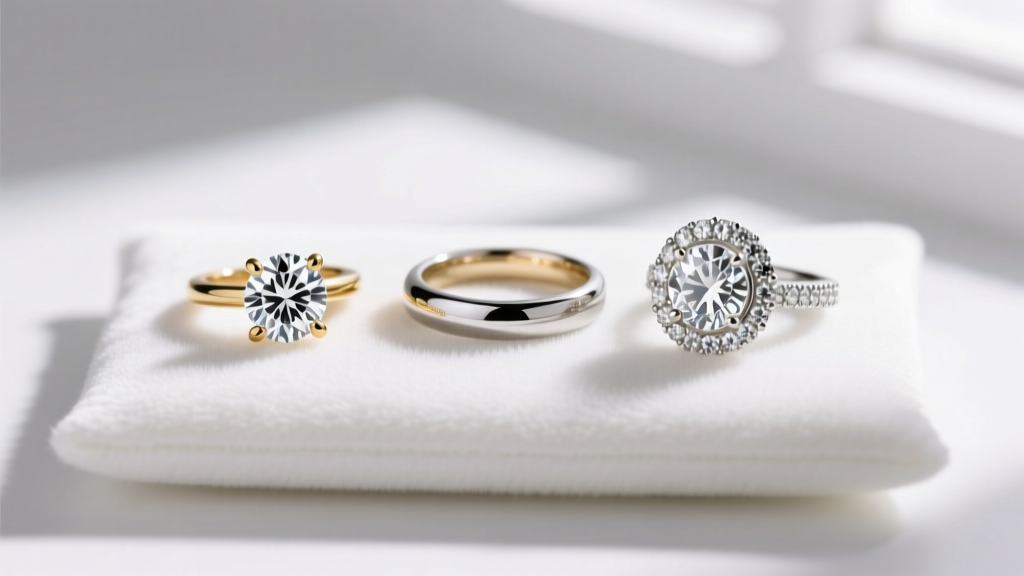
The setting is the metal framework that holds your diamond in place. As the American Gem Society (AGS) notes, the setting not only secures the stone but also influences how light interacts with it. For daily wear, you must balance aesthetics with structural integrity.
1. The Prong Setting (The Classic Solitaire)
Typically featuring four or six tiny metal claws, prong settings expose the maximum amount of the diamond's pavilion (bottom half) to light, resulting in superior brilliance. Failure Mode: Prongs can catch on cashmere sweaters, hair, or gym equipment. Over time, they can bend or lift, risking stone loss. If you choose prongs, have a jeweler inspect them every 12 months.
2. The Bezel Setting (The Active Lifestyle Choice)
A bezel setting encircles the diamond's girdle (outer edge) with a continuous rim of metal. While it covers about 10% of the diamond's surface—slightly reducing light entry—it is virtually snag-proof. For a beginner who wants a 'put it on and never take it off' necklace, a bezel-set diamond charm is the most practical and secure choice.
3. The Halo Setting (The Illusionist)
A halo features a center stone surrounded by a ring of micro-pavé diamonds. This creates the optical illusion of a much larger single diamond. However, halos are heavier, require a thicker chain to prevent the 'pendant flip' (where the heavy charm constantly turns upside down on the chain), and require more meticulous cleaning to maintain their sparkle.
Styling and Layering Your Diamond Charm
While a diamond charm necklace is stunning on its own, mastering the art of layering elevates your personal style. The key to a successful layering stack is varying the chain lengths, textures, and link sizes to prevent tangling.

The Beginner's 3-Piece Layering Formula
- The Anchor (14-15 inches): Start with a simple, non-pendant chain like a 14-inch herringbone or a delicate gold choker that sits high on the neck.
- The Focal Point (16 inches): Your diamond charm necklace sits right in the middle. The 1-inch gap between the first and second chain prevents the metal links from grinding against each other.
- The Texture (18-20 inches): Finish with a heavier, textured chain, such as an 18-inch paperclip or Franco chain. This draws the eye downward and frames the diamond charm beautifully.
Care, Maintenance, and Real-World Wear
Diamonds are the hardest natural material on earth (scoring a 10 on the Mohs scale), but the gold or platinum settings holding them are not. Furthermore, diamonds are lipophilic, meaning they attract oils. A diamond charm necklace will quickly accumulate lotions, sebum, and soap scum, creating a cloudy film that blocks light and kills the sparkle.
The Weekly Cleaning Routine: Do not rely on harsh chemical dips. Instead, fill a small bowl with warm water and a few drops of mild, ammonia-free dish soap. Let the necklace soak for 15 minutes. Use a brand-new, ultra-soft baby toothbrush to gently sweep behind the diamond (the pavilion), where debris accumulates. Rinse under lukewarm tap water and pat dry with a lint-free microfiber cloth.
A Warning on Ultrasonic Cleaners: While ultrasonic machines are excellent for cleaning solid metal, the high-frequency vibrations can loosen the tiny micro-pavé stones in a halo setting or fracture a diamond that has an internal feather inclusion. Stick to manual soaking and brushing for your charm necklace to ensure its longevity.
Final Thoughts for the First-Time Buyer
Investing in your first diamond charm necklace is a milestone. By prioritizing an excellent cut grade, selecting a structurally appropriate chain gauge, and choosing a setting that matches your daily activity level, you will secure a piece of jewelry that withstands the test of time. Whether you opt for the modern affordability of a lab-grown stone or the traditional allure of a natural diamond, the versatility of this single piece will anchor your jewelry wardrobe for decades to come.


