How to Choose Your First Pink Gold Necklace: A Beginner Guide
Learn how to choose your first pink gold necklace. We break down 14k vs 18k alloys, copper content, pricing, and styling tips for beginners.

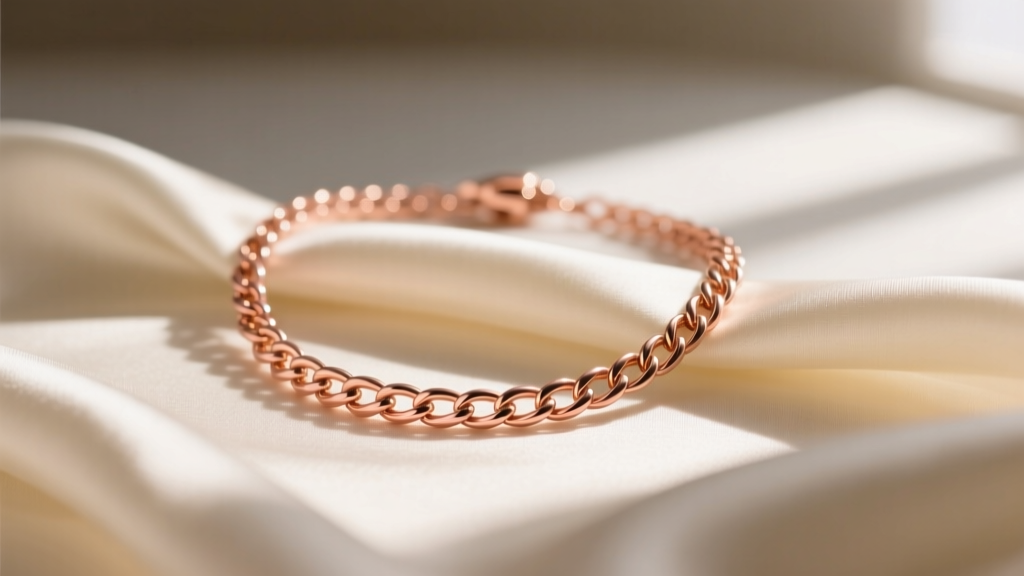
If you are stepping into the world of fine jewelry for the first time, a pink gold necklace is one of the most romantic and versatile investments you can make. Often used interchangeably with 'rose gold' in retail settings, true pink gold possesses a unique, soft pastel hue that bridges the gap between classic yellow gold and modern white metals. However, navigating karats, alloy compositions, and pricing can be overwhelming for a beginner. This guide breaks down the exact metallurgy, pricing expectations, and buying traps you need to know before purchasing your first piece.
The Metallurgy of Pink Gold: Why Copper is the Secret Ingredient
Pure gold (24k) is naturally yellow and far too soft for everyday jewelry. To create a pink gold necklace, master jewelers must alloy the pure gold with other metals—primarily copper and silver. The copper is what introduces the red/pink hue, while silver is used to dilute the redness and soften the color into a delicate pink.
According to the Gemological Institute of America (GIA), the exact ratio of these metals dictates whether the final piece is classified as red, rose, or pink gold. While many commercial brands lump these terms together, bespoke jewelers distinguish 'pink gold' as an alloy with a slightly higher silver content than rose gold, yielding a lighter, less coppery finish.
| Gold Type | Gold Content | Copper Content | Silver/Zinc Content | Visual Hue |
|---|---|---|---|---|
| 18k Pink Gold | 75.0% | 20.0% | 5.0% | Soft, pastel pink |
| 18k Rose Gold | 75.0% | 22.25% | 2.75% | Warm, balanced rose |
| 18k Red Gold | 75.0% | 25.0% | 0.0% | Deep, reddish-copper |
14k vs. 18k Pink Gold: Which Karat is Right for You?
When shopping for a pink gold necklace, you will primarily encounter 14k and 18k options. The choice between them comes down to three factors: color depth, durability, and skin sensitivity.
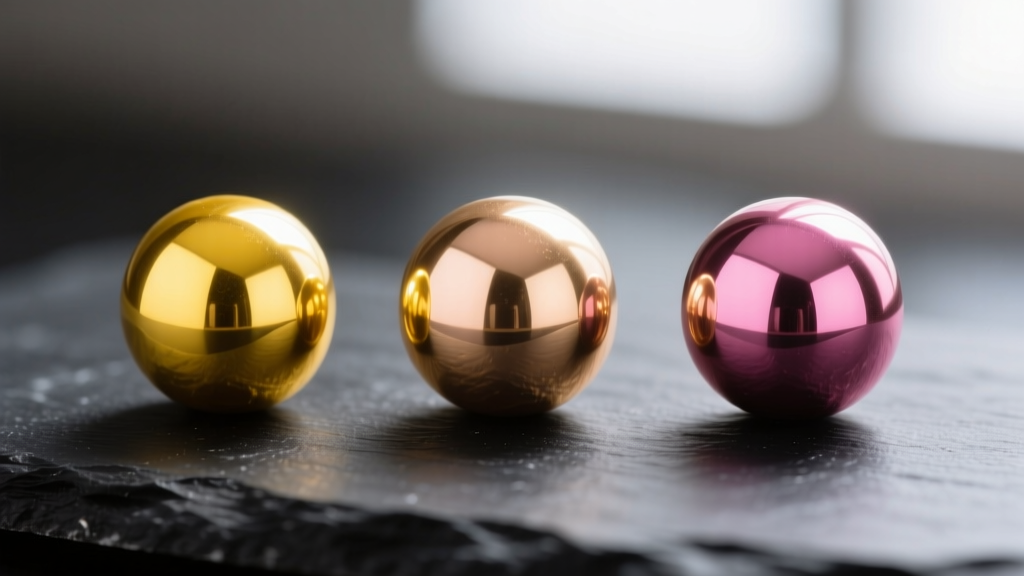
The Case for 18k Pink Gold
18k pink gold contains 75% pure gold. Because gold is naturally hypoallergenic, 18k alloys are generally safer for sensitive skin. The higher gold content also gives the metal a richer, more luxurious luster. However, it is softer than 14k, meaning delicate chain styles (like a 1.0mm cable chain) are more prone to stretching or snapping if tugged.
The Case for 14k Pink Gold
14k pink gold contains 58.3% pure gold and a significantly higher percentage of copper. This makes the chain highly durable and resistant to scratching, making it ideal for everyday wear or pendant necklaces that carry heavier charms. Warning: The elevated copper content means 14k pink gold can cause contact dermatitis or leave a greenish tint on the skin of individuals with copper allergies or highly acidic body chemistry.
- Choose 18k if: You have sensitive skin, prefer a softer pastel hue, and are buying a thicker chain or a pendant.
- Choose 14k if: You want maximum durability for a fine, everyday chain and are on a stricter budget.
Real-World Pricing: What Should a Beginner Expect to Pay?
Pricing for a solid pink gold necklace is dictated by the current spot price of gold, the weight of the chain in grams, and the manufacturing complexity. Avoid brands that do not disclose the gram weight, as this is a common tactic to overcharge beginners. Here is a realistic pricing framework for solid (not plated) necklaces in the current market:
14k Pink Gold Chains (16 to 18 inches)
- Delicate Cable Chain (1.0mm - 1.2mm, ~2.5 grams): $200 – $350
- Standard Box Chain (1.5mm - 2.0mm, ~4.5 grams): $400 – $600
- Chunky Paperclip Chain (3.5mm, ~9.0 grams): $850 – $1,200
18k Pink Gold Chains (16 to 18 inches)
Expect to pay a 40% to 60% premium over 14k equivalents due to the higher pure gold content and the specialized alloying required to maintain the pink hue without the metal turning too yellow.
How to Avoid Plated Fakes and Verify Authenticity
The market is flooded with 'pink gold' jewelry that is actually brass or sterling silver coated in a microscopic layer of pink gold alloy. To ensure you are buying a genuine solid gold necklace, you must understand the terminology and hallmarking laws.
The Federal Trade Commission (FTC) Jewelry Guides mandate that any item sold as 'gold' must be accurately stamped with its karatage (e.g., 14k, 585, 18k, 750) alongside the manufacturer's trademark. If a necklace lacks a hallmark on the clasp or jump ring, walk away.
Beginner Trap: Terms like 'Gold Vermeil', 'Gold Filled', and 'Gold Plated' are legally distinct from solid gold. Vermeil is a thick layer of gold over sterling silver, while gold-filled jewelry consists of a brass core with a bonded gold exterior. Neither holds long-term investment value or resale value compared to a solid pink gold necklace.
Styling Your Pink Gold Necklace for Your Skin Tone
One of the greatest advantages of pink gold is its universal flattery. The copper undertones naturally complement warm skin tones, enhancing the golden or olive hues in your complexion. However, the subtle silver content in true pink gold provides enough contrast to look striking against cool, porcelain skin tones as well.
For beginners, the most foolproof styling technique is layering. Pair a 16-inch 14k pink gold choker or delicate chain with an 18-inch yellow gold pendant necklace. The contrast between the warm yellow and the romantic pink creates a sophisticated, multi-dimensional look that elevates basic outfits like white linen shirts or cashmere sweaters. Always ensure your clasp hardware is proportionate to the chain weight—a heavy lobster clasp on a 1mm chain will ruin the drape and cause the necklace to constantly flip backward.


