Troubleshooting Common 10k Gold Choker Necklace Issues
Discover expert troubleshooting tips for your 10k gold choker necklace. Learn how to fix tarnishing, prevent chain snapping, and solve skin discoloration.

Why 10k Gold Chokers Present Unique Challenges
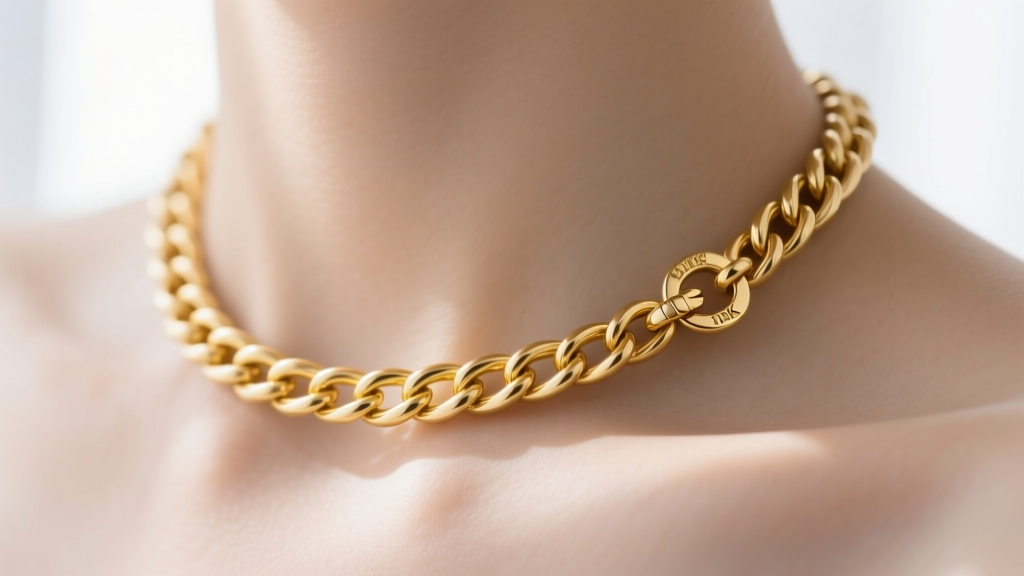
A 10k gold choker necklace is a staple of modern jewelry, prized for its affordability, distinct pale-yellow hue, and exceptional durability. However, the very metallurgical properties that make 10k gold so resilient also introduce specific maintenance and wear challenges. By definition, 10k gold consists of only 41.7% pure gold, with the remaining 58.3% composed of alloy metals like copper, silver, nickel, and zinc. According to the Gemological Institute of America (GIA), this high alloy content drastically increases the Vickers hardness of the metal, making it highly resistant to scratching but more susceptible to oxidation and galvanic reactions.
Furthermore, chokers—typically measuring between 14 and 16 inches—sit tightly against the neck. This high-tension environment means the chain is constantly subjected to pulling, friction against the skin, and exposure to sebum and sweat. If you are experiencing issues with your 10k gold choker, you are not alone. Below, we break down the most common problems and provide professional, actionable troubleshooting frameworks to restore your piece.
Problem 1: The 'Green Neck' and Skin Discoloration
The most frequent complaint regarding 10k gold jewelry is skin discoloration, often manifesting as a green or black ring around the neck. This is not an indicator of fake gold; rather, it is a predictable chemical reaction. The copper and silver alloys mixed with the pure gold react to the acids, salts, and moisture present in human sweat. When copper oxidizes in an acidic environment, it forms copper chloride, a green compound that easily transfers to the skin.
Diagnosing the Reaction
If your skin turns green, evaluate your environment and body chemistry. High-sodium diets, acidic skincare products (like AHAs or vitamin C serums), and heavy perspiration accelerate this reaction. Rose gold 10k variants, which contain an even higher percentage of copper to achieve their pink hue, are particularly prone to this issue.
Actionable Fixes & Barrier Methods
- Rhodium Plating: For a permanent solution, take the choker to a professional jeweler to be plated with rhodium. This hypoallergenic, platinum-group metal creates an impenetrable barrier between the copper alloys and your skin. Expect to pay between $35 and $60 for a high-quality dip.
- Polyurethane Jewelry Guard: For a DIY approach, apply a specialized jewelry guard spray or a micro-thin layer of clear, non-yellowing polyurethane to the inner links. This must be reapplied every 3 to 4 months as the friction of the choker wears it away.
- Daily pH Neutralization: Wipe the chain down daily with a microfiber cloth dampened with a mild, pH-neutral soap solution to remove acidic sebum buildup before it can react with the copper.
Problem 2: Chain Stretching, Link Separation, and Solder Fatigue
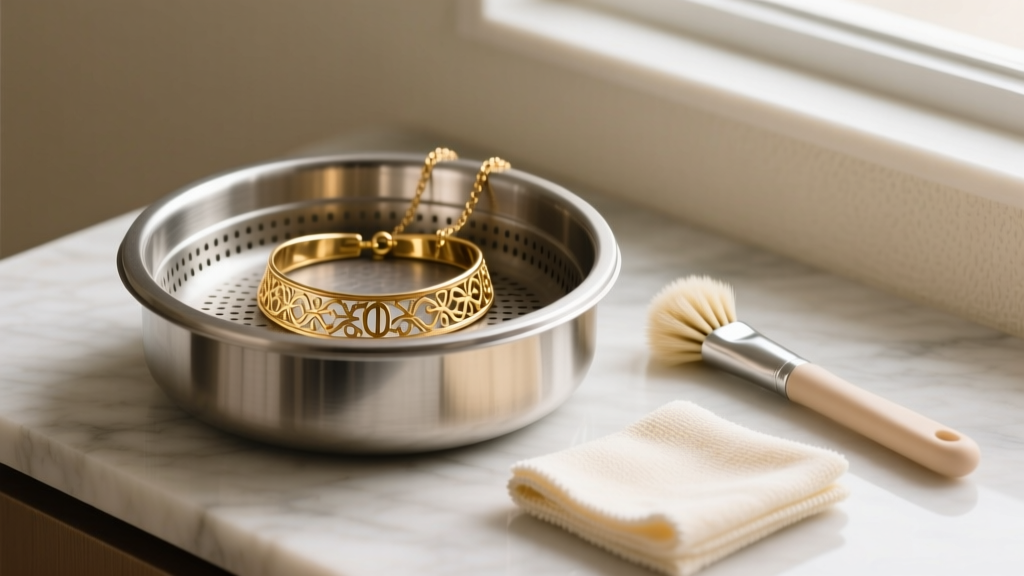
Because a 10k gold choker necklace sits snugly against the neck, it is highly vulnerable to sudden tension—such as catching on a collar, getting tangled in long hair, or being pulled accidentally. While 10k gold has a higher tensile strength than 14k or 18k gold, the chain is only as strong as its weakest solder points.
Understanding Solder Point Fatigue
Machine-made chains are constructed by weaving links and then soldering them shut. The solder used is typically a lower-karat gold alloy designed to melt at a lower temperature than the chain itself. This creates a microscopic galvanic cell. When exposed to saltwater, chlorine, or even acidic sweat, the solder can degrade faster than the surrounding 10k links, leading to sudden link separation. If your choker snaps without any visible stretching or deformation of the links, solder fatigue is the likely culprit.
Gold Alloy Hardness & Tensile Comparison
| Karat | Gold Content | Vickers Hardness (HV) | Tensile Strength | Choker Suitability |
|---|---|---|---|---|
| 10k | 41.7% | ~130-150 | High | Excellent for active, everyday wear |
| 14k | 58.3% | ~110-130 | Medium-High | Good, but requires more care |
| 18k | 75.0% | ~80-100 | Low-Medium | Poor for tight chokers; high stretch risk |
Repair vs. Replace Framework
If your 10k choker has stretched, the structural integrity of the wire is compromised. Attempting to compress stretched links back into shape will cause work-hardening, leading to immediate brittleness and snapping. If only one solder point has failed, a jeweler can repair it using a laser welder. Laser welding fuses the metal without the need for traditional flux or broad heat, preserving the temper of the surrounding 10k links. If the chain has stretched by more than 5% of its original length, replacement is the only safe option.
Problem 3: Lobster Clasp and Spring Ring Failures
The clasp on a choker endures more mechanical stress than on a longer pendant necklace. The outward pressure of the neck constantly pulls the clasp mechanism taut. Standard 5mm or 7mm spring rings are notoriously inadequate for this application. The internal steel spring inside a gold spring ring can corrode or lose tension, causing the clasp to pop open unexpectedly.
Upgrading Your Findings
To troubleshoot a failing clasp, inspect the tiny lever mechanism. If it feels spongy or fails to snap back crisply, the internal tension spring is dead. Do not attempt to bend the gold shell to fix it. Instead, upgrade the finding entirely:
- 12mm or 14mm Lobster Clasp: Offers a larger, more robust internal steel spring and a wider surface area for the jump ring to rest against, distributing tension more evenly.
- Magnetic Neodymium Clasp: Ideal for those with limited dexterity, but ensure it features a secondary mechanical locking sleeve or a safety chain to prevent accidental detachment from sudden lateral pulls.
- Box Clasp with Safety Latch: Commonly used on heavier 10k Cuban link chokers, providing a secure mechanical lock that completely eliminates tension on the closing mechanism.
Routine Maintenance Protocol for 10k Alloys
Preventing issues is always more cost-effective than repairing them. The Federal Trade Commission (FTC) provides extensive guidelines on precious metal care, emphasizing that lower-karat alloys require specific chemical avoidance. To maintain the structural and visual integrity of your 10k gold choker, adhere to the following maintenance protocol:
Chemicals to Strictly Avoid
- Chlorine: Never wear your 10k choker in a swimming pool or hot tub. Chlorine reacts violently with the copper and zinc alloys, causing 'stress corrosion cracking' which literally dissolves the metal at the microscopic level, leading to catastrophic chain failure.
- Ammonia-Based Cleaners: While pure gold tolerates ammonia, the alloys in 10k gold can oxidize and pit when exposed to harsh household glass cleaners.
- Abrasive Polishing Pastes: Avoid heavy silver polishes or baking soda pastes. The high hardness of 10k gold means that abrasive pastes will scratch the surface unevenly, creating microscopic grooves that trap dirt and sebum.
The Safe Cleaning Method
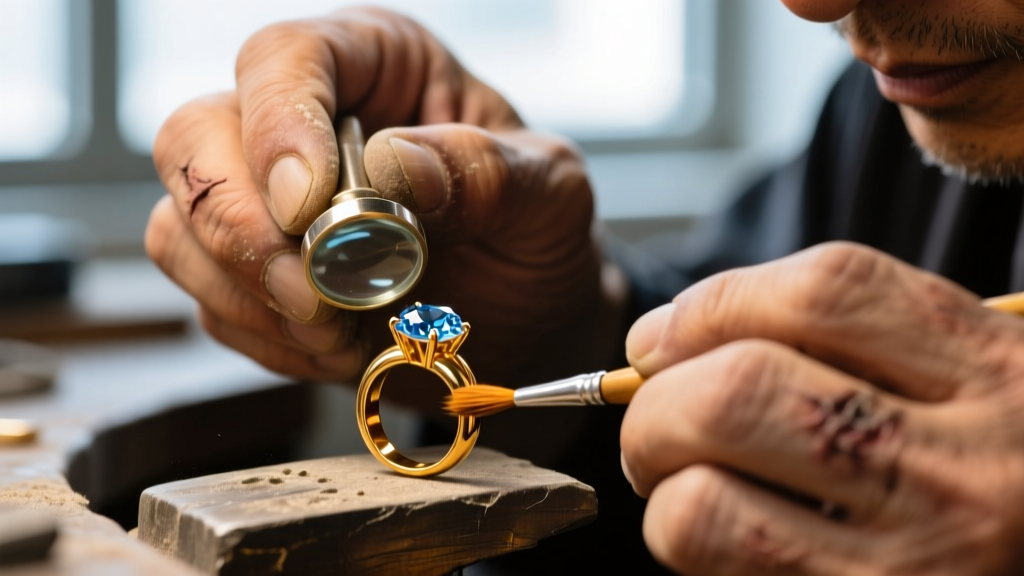
For routine cleaning, mix a few drops of phosphate-free dish soap into a bowl of lukewarm distilled water. Submerge the choker for 10 minutes to loosen sebum and dead skin cells from the tight link crevices. Gently agitate the chain using a baby-hair soft-bristle brush. Rinse thoroughly under distilled water and dry immediately with a lint-free microfiber cloth. Storing the choker flat in an anti-tarnish ziplock bag with a silica gel packet will prevent ambient humidity from triggering copper oxidation while it sits in your jewelry box.
Conclusion
A 10k gold choker necklace is a highly durable, stylish choice, provided you understand its metallurgical quirks. By managing copper oxidation through barrier methods, upgrading inadequate clasps to handle high-tension neck wear, and avoiding corrosive chemicals like chlorine, you can ensure your choker remains a staple in your wardrobe for decades. When structural failures do occur, relying on professional laser welding rather than traditional soldering will preserve the tensile strength of your 10k alloy, keeping your jewelry secure and beautiful.


