How Do You Fix a Broken Necklace Chain? Material Repair Guide
Learn how do you fix a broken necklace chain based on its metal. Compare soldering, laser welding, and DIY cold repairs for gold, silver, and steel.

The Metallurgical Reality of Chain Breaks
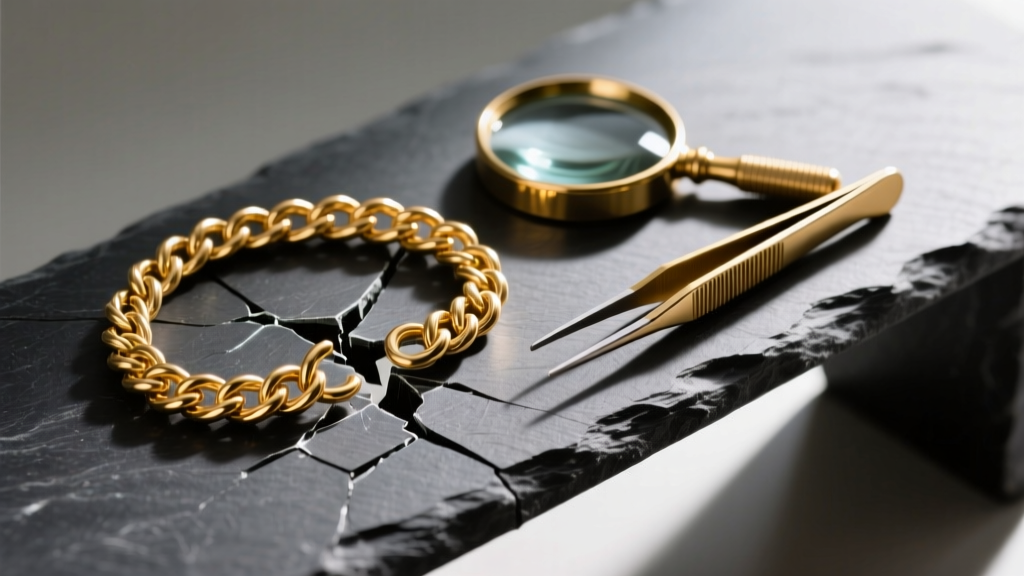
When a favorite piece of jewelry snaps, the immediate question is: how do you fix a broken necklace chain? The answer is never a one-size-fits-all solution. A chain's repairability is entirely dictated by its metallurgical composition, its alloy purity, and its specific link geometry. What works for a sterling silver cable chain will catastrophically destroy a gold-plated brass rope chain. In 2026, modern jewelers utilize a spectrum of thermal and mechanical techniques to restore broken chains, but understanding the material science behind your necklace is the first step toward a seamless repair.
Why Metal Composition Dictates Your Repair Strategy
Different metals possess vastly different melting points, thermal conductivities, and oxidation behaviors. According to the Gemological Institute of America (GIA), the thermal threshold of a metal determines whether a jeweler can use a traditional butane/oxygen torch or if they must rely on precision laser welding.
Precious Metals: The Art of Torch Soldering
Yellow and white gold (14k and 18k) and sterling silver (925) are the most commonly repaired chains. Because they are alloys mixed with copper, silver, or zinc, their melting points are lowered (14k gold melts around 850°C). This allows jewelers to use capillary soldering. By applying a borax-based flux and a lower-melting-point solder alloy (such as 'Easy' grade silver solder which flows at 690°C), the solder is drawn into the microscopic gap of the broken link without melting the surrounding chain. According to Rio Grande jewelry supply, matching the exact karat and color of the solder to the chain is critical to prevent visible seams.
Refractory Metals: The Laser Welding Necessity
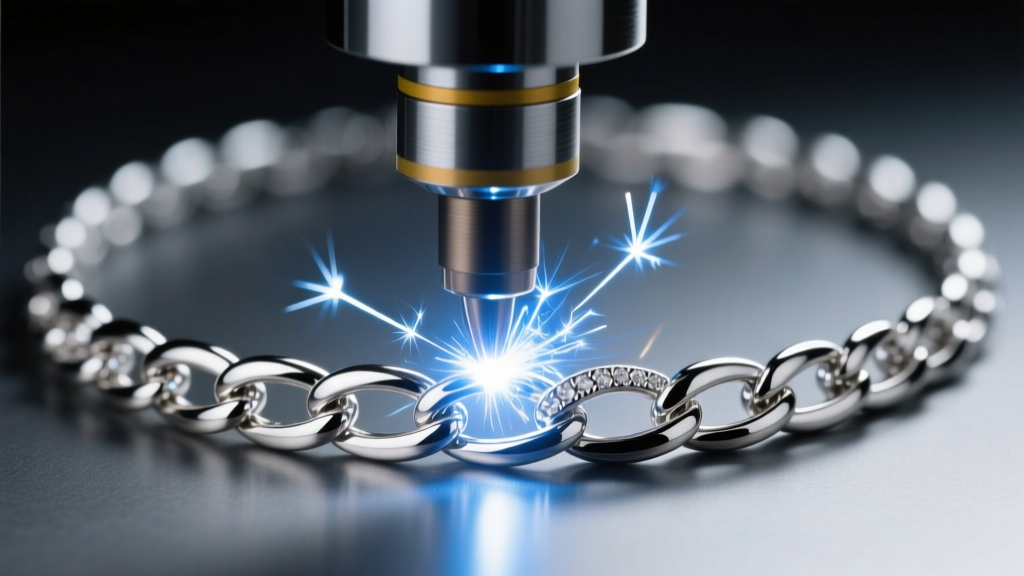
Platinum (950) has a staggering melting point of 1768°C. While an oxy-hydrogen torch can technically solder platinum, the extreme heat required often warps delicate links or damages nearby gemstone settings. Titanium (Grade 5) and Stainless Steel (316L) present an even greater challenge: they are poor thermal conductors and highly reactive to oxygen at high temperatures. If you attempt to torch-solder titanium, it will oxidize, turn brittle, and shatter. These metals require pulsed laser welding, which delivers a microscopic, high-heat pulse in milliseconds, fusing the metal instantly without transferring heat to the rest of the chain.
Chain Geometry: Why Some Breaks Cost More to Fix
Beyond the metal itself, the physical shape of the chain links heavily influences the repair method and cost. Here is how geometry impacts the repair process:
- Cable and Curb Chains: These feature simple, flat, or oval links with clear, accessible seams. They are the easiest to solder, as the jeweler has a flat surface area to apply the solder paste.
- Box Chains: Composed of folded, square links, box chains are notoriously difficult. If solder flows into the adjacent hinge, the chain loses its flexibility and becomes rigid. Jewelers must use minimal solder and extreme precision.
- Rope Chains: The twisted, multi-strand geometry of a rope chain means a break often involves frayed, intertwined wires. Untangling and realigning the twist before laser welding requires significant bench time and magnification.
Material Repair Matrix: Melting Points and Methods
To understand what your jeweler will actually do when you ask how do you fix a broken necklace chain, review this material matrix detailing standard industry practices and estimated professional costs.
| Material | Approx. Melting Point | Primary Repair Method | Avg. Pro Cost (2026) |
|---|---|---|---|
| Sterling Silver (925) | 890°C | Torch Soldering (Easy/Medium) | $25 - $45 |
| 14k Yellow/White Gold | 850°C | Torch Soldering / Laser | $65 - $120 |
| Platinum (950) | 1768°C | Laser Welding (Argon shield) | $100 - $180 |
| Stainless Steel (316L) | 1400°C | Laser Welding | $50 - $90 |
| Titanium (Grade 5) | 1650°C | Laser Welding (Argon shield) | $80 - $150 |
| Gold-Plated Brass | 900°C (Base) | Cold Connection (Jump Ring) | $15 - $30 |
Step-by-Step: How Do You Fix a Broken Necklace Chain at Home?
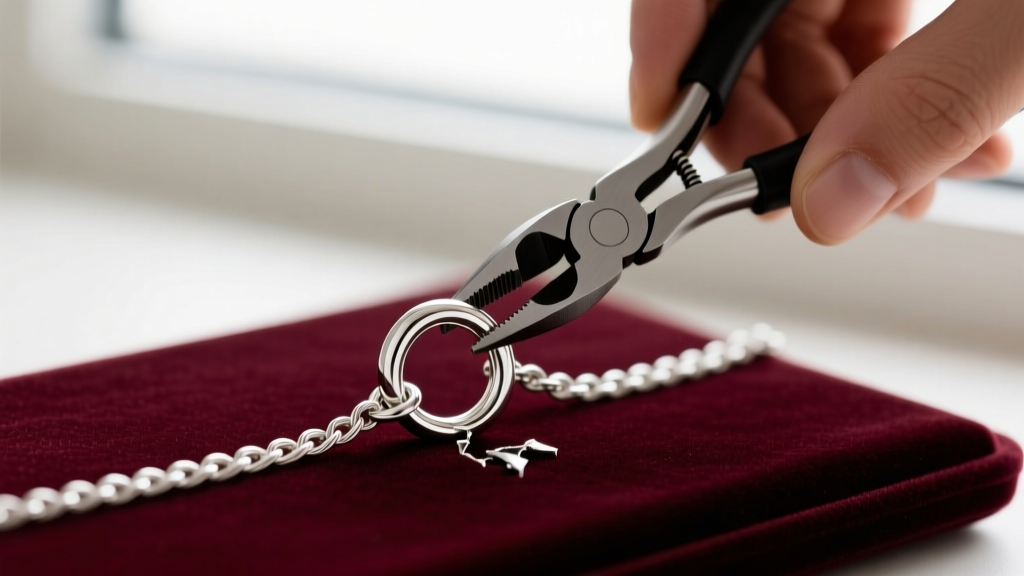
If your chain is made of a base metal, plated brass, or a delicate hollow tube that cannot withstand heat, torch soldering will melt the plating or collapse the hollow structure. In these cases, the only viable answer to how do you fix a broken necklace chain is a cold mechanical connection using a jump ring.
The Jump Ring Bypass Method
This DIY method requires two pairs of flat-nose pliers and a replacement jump ring that matches the gauge of your chain (typically 20-gauge or 22-gauge for standard 1.2mm to 1.5mm chains).
- Identify the Break: Locate the exact severed link. If the adjacent links are bent or warped from the snapping force, gently reshape them with your pliers.
- Open the Jump Ring Correctly: Never pull the ends of a jump ring apart outward; this ruins the circular tension. Instead, grip both sides of the split with your flat-nose pliers and twist one hand toward you and the other away, opening it laterally.
- Thread the Chain: Slide the two broken ends of the necklace chain onto the opened jump ring.
- Close and Secure: Twist the jump ring back into perfect alignment. For added security on base metals, apply a microscopic drop of cyanoacrylate (jewelry-grade super glue) to the seam of the jump ring to prevent it from vibrating open over time.
When to See a Professional Jeweler
While cold connections work for costume jewelry or lightweight base metals, you should always consult a Jewelers of America certified professional if your chain exhibits any of the following traits:
- High Karat Gold or Platinum: The intrinsic value of the metal warrants a seamless, structural solder joint rather than a bulky jump ring.
- Hollow Chains: Hollow gold chains (often sold for their lightweight feel and large visual footprint) are incredibly fragile. A professional must use a specialized heat sink compound to prevent the thin walls from melting inward during laser welding.
- Proximity to Gemstones: If the break occurred within two inches of a pendant setting containing heat-sensitive stones (like emeralds, opals, or tanzanite), the thermal transfer from a torch will fracture the gems. Laser welding is mandatory here.
Preventative Care by Material Type
The best repair is the one you never have to make. Material fatigue causes 90% of chain breaks. To extend the life of your necklace, tailor your maintenance to its specific metallurgy. Silver chains suffer from sulfide tarnishing, which can actually weaken the microscopic pores of the metal over decades; store them in anti-tarnish cloth pouches. Gold and platinum are highly malleable; avoid sleeping in thin cable chains (under 1.0mm), as the friction against cotton sheets creates microscopic stress fractures at the link joints. Finally, always remove stainless steel and titanium chains before exposure to chlorinated pools, as halogens can induce stress corrosion cracking in certain alloy grades.


