Diamond Chai Necklace: Fixing Tangles & Loose Stones
Learn how to troubleshoot common diamond chai necklace issues, from untangling delicate chains to fixing loose pave stones and dull metal.

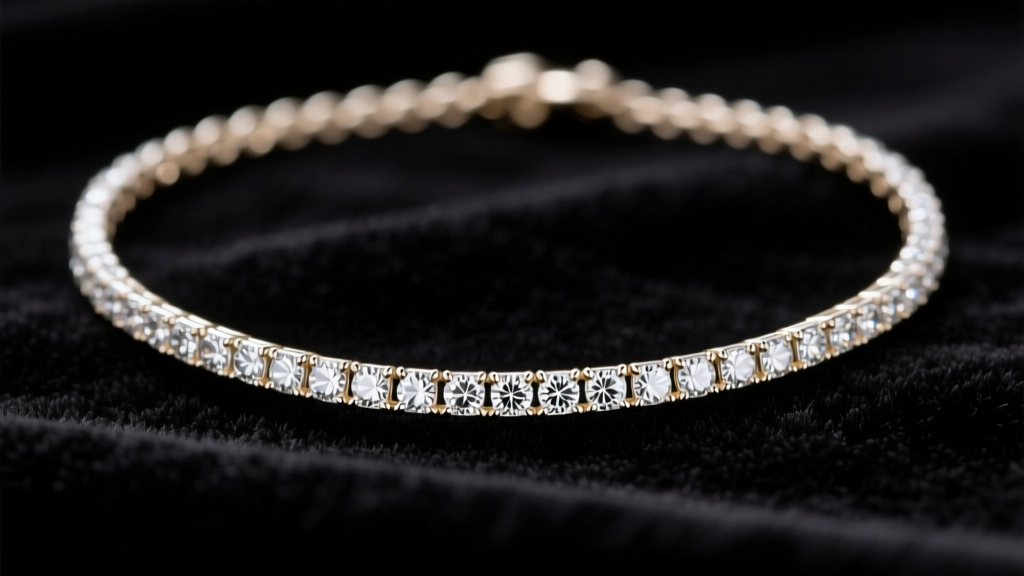
The Chai symbol, representing "life" in Hebrew, is one of the most deeply meaningful pendants in jewelry. When crafted with diamonds and suspended from a delicate chain, a diamond chai necklace becomes a cherished heirloom. However, the very features that make these necklaces elegant—micro-pave settings, lightweight chains, and hidden bails—also make them highly susceptible to everyday wear and tear. Whether you are dealing with a severely kinked box chain, a dulling white gold finish, or the terrifying suspicion that a pave diamond is about to fall out, this troubleshooting guide provides professional-grade solutions to restore your necklace.
The Anatomy of Vulnerability in Chai Pendants
Before attempting any repairs, it is crucial to understand where a diamond chai necklace typically fails. The pendant itself usually features either a solid gold cut-out with diamond accents or a full micro-pave surface. The bail—the loop connecting the pendant to the chain—is the primary friction point. Meanwhile, the chain, typically ranging from 0.8mm to 1.2mm in gauge, must support the pendant's weight while remaining flexible. Box chains and cable chains are the industry standard for these pendants, but their interlocking geometric links are notorious for kinking when folded or stored improperly.
Troubleshooting Chain Tangles and Severe Kinks
A 0.9mm box chain can easily develop a tight knot if left unclasped in a jewelry box. Pulling at the knot will permanently deform the square links, leading to structural weakness and eventual snapping. To safely untangle a delicate diamond chai necklace chain, abandon the use of tweezers, which can scratch the metal and crush the links.
The Mineral Oil and Needle Technique
- Lubricate: Lay the tangled chain on a flat, non-porous surface (like a glass tray). Apply a single drop of mineral oil or baby oil directly to the center of the knot. Avoid olive oil, as it can become sticky and rancid over time.
- Loosen: Using two size-10 beading needles or sewing pins, gently work the tips into the center of the knot. Do not pull the ends of the chain; instead, push the links inward to create slack.
- Extract: Once the central link is loosened, use the needles to guide the chain links out one by one.
- Clean: Wash the chain in a bowl of warm water with a few drops of mild, ammonia-free dish soap to remove the oil, then pat dry with a lint-free microfiber cloth.
Diagnosing Loose Diamonds in the Chai Pendant
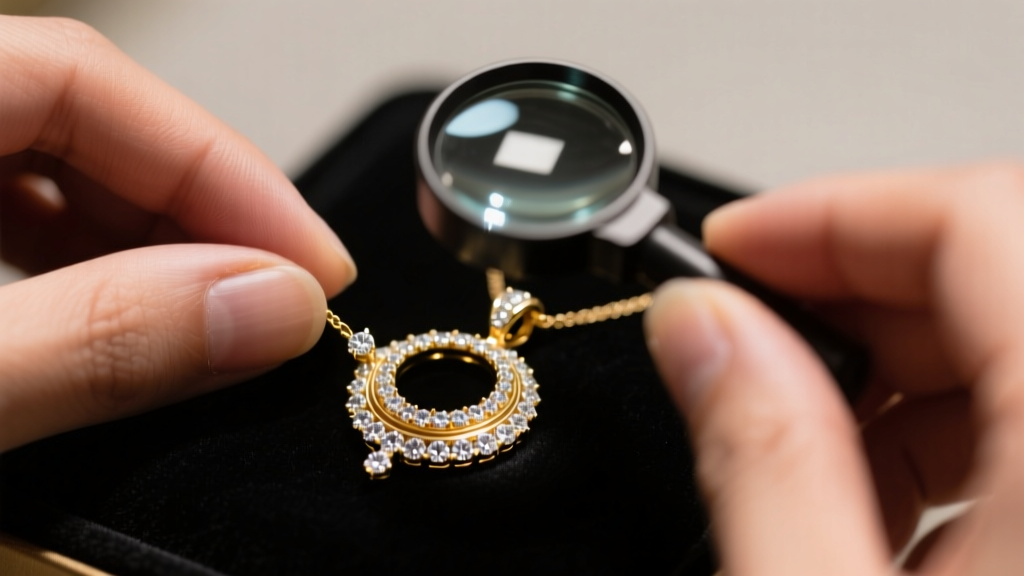
Micro-pave settings are incredibly popular for diamond chai pendants because they maximize sparkle. However, the tiny metal beads holding these diamonds (often less than 0.8mm in diameter) can wear down or catch on clothing. According to the Gemological Institute of America (GIA), regular inspection is vital to prevent catastrophic stone loss.
The Paper and Tap Test
To check for loose stones without a professional loupe, perform the "Paper and Tap Test." Place a clean sheet of white paper on a hard desk. Hold your chai pendant face-down, about two inches above the paper, and gently tap the back of the metal setting with a wooden clothespin or peg. If you hear a faint, high-pitched clicking sound, or if you spot microscopic diamond dust on the paper, a stone is loose and the pendant must be removed immediately. Store it in a soft pouch and take it to a jeweler for a prong-tightening or bead-burnishing service.
Comparing Chai Pendant Settings and Maintenance
| Setting Type | Vulnerability to Stone Loss | Recommended Cleaning Method | Maintenance Frequency |
|---|---|---|---|
| Micro-Pave | High (beads wear down quickly) | Manual brushing with soft baby toothbrush | Every 6 months |
| Shared Prong | Medium (prongs can snag on fabrics) | Mild ultrasonic (80kHz+) or manual | Annually |
| Bezel | Very Low (metal fully encircles stone) | Steam cleaner or standard ultrasonic (40kHz) | Every 1-2 years |
The Ultrasonic Cleaner Trap
Many owners of diamond chai necklaces make the fatal mistake of dropping their jewelry into a standard 40kHz ultrasonic cleaner. While 40kHz is excellent for cleaning solid diamond solitaires, the aggressive acoustic cavitation can easily vibrate the tiny micro-pave beads loose, causing diamonds to fall out into the bottom of the tank. If you must use an ultrasonic cleaner for a pave Chai pendant, ensure the machine operates at a gentler 80kHz to 120kHz frequency, which is specifically designed for delicate pavé and fracture-filled diamonds.
Restoring Metal Luster: Rhodium and Platinum Wear
If your white gold diamond chai necklace has taken on a yellowish or brassy tint, the rhodium plating has worn off. The Federal Trade Commission (FTC) Jewelry Guides dictate that white gold is an alloy of yellow gold and white metals (like nickel or palladium), which naturally possesses a faint yellow-gray hue. To achieve a bright white finish, jewelers electroplate the piece with rhodium.
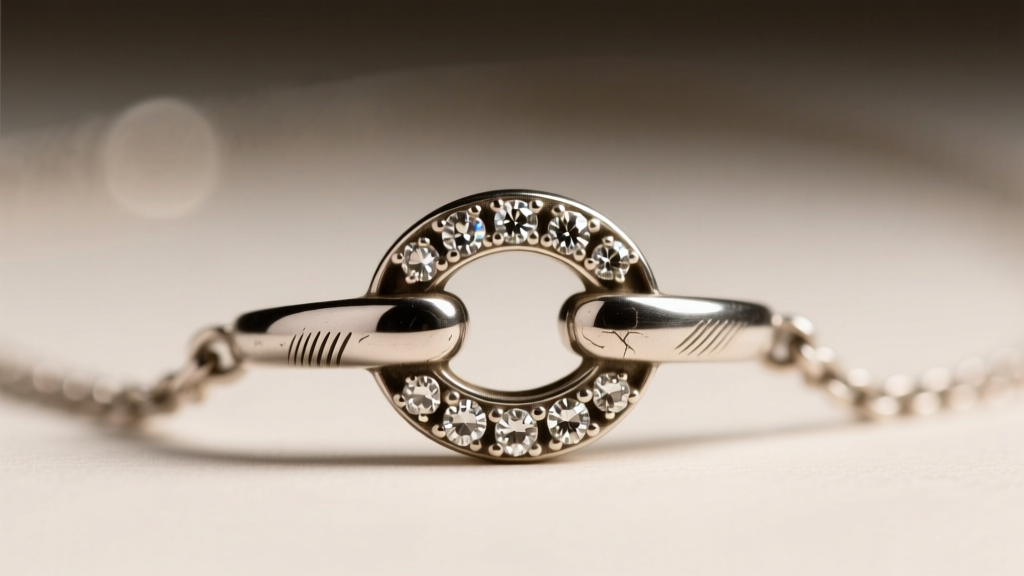
Standard rhodium plating thickness ranges from 0.75 to 1.0 microns. On a chai pendant, the high-relief edges of the Hebrew letters (ח and י) experience the most friction against the skin and clothing, causing the plating to wear thin in those specific areas. Unfortunately, you cannot polish rhodium back to life; doing so will only strip away the remaining plating. The only solution is to have a professional jeweler strip, polish, and re-plate the pendant, a service that typically costs between $45 and $85 depending on the complexity of the pave setting.
Bail Friction and Preventing Pendant Loss
The bail is the unsung hero of your necklace, but it is also a major point of failure. Hidden bails (which thread the chain directly through a hollowed-out back of the Chai pendant) offer a seamless look but create intense metal-on-metal friction. Over time, the chain acts like a microscopic saw, cutting a groove into the bail. If your chain feels "sticky" when sliding through the pendant, or if you notice dark metal dust accumulating near the bail, the structural integrity is compromised. Have a jeweler inspect the bail thickness with digital calipers; if the metal has worn down below 0.5mm, the bail must be laser-welded or replaced to prevent the sudden loss of your diamond Chai pendant.


