Queen's Necklace Weakness: Material & Structural Fixes
Discover the structural causes of the queen's necklace weakness. Compare silk, wire, and chain materials to prevent multi-strand collar failure.

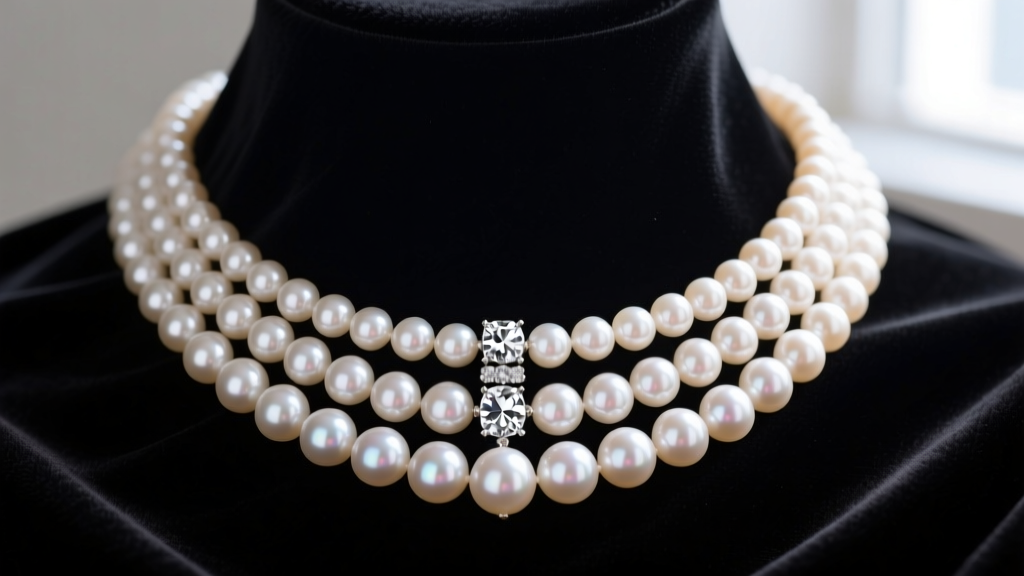
Understanding the Queen's Necklace Weakness
In high jewelry, the term "queen's necklace" refers to a lavish, multi-strand collar or choker—typically featuring three to seven strands of pearls, gemstones, or diamonds that sit high and tight against the neck. While visually stunning, these pieces suffer from a well-documented structural vulnerability known among jewelers as the queen's necklace weakness. This weakness is not a flaw in the gemstones themselves, but rather a mechanical failure point caused by the extreme lateral torque, shearing forces, and material fatigue inherent in multi-strand designs.
When a multi-strand collar is worn, the natural movement of the neck creates opposing tension vectors. The inner strands compress while the outer strands stretch, placing immense shearing force on the spacer bars and stringing mediums. Over time, this dynamic stress leads to catastrophic failures: snapped threads, bent spacer bars, and torn clasps. As of 2026, advancements in metallurgy and stringing polymers have provided new solutions, but understanding the core material properties remains essential for both collectors and bench jewelers.
Stringing Mediums: Silk vs. Wire vs. Micro-Chain
The primary culprit behind the queen's necklace weakness is often the stringing material. Multi-strand collars require a medium that offers high tensile strength without sacrificing the drape necessary for a comfortable fit. Choosing the wrong material guarantees premature failure.
Traditional Silk Thread
Silk has been the historic standard for pearl necklaces due to its soft drape and knotting capabilities. However, silk is highly susceptible to the queen's necklace weakness. Human skin oils, cosmetics, and environmental humidity cause silk fibers to degrade, stretch, and eventually rot. A standard Size F silk thread has a breaking strength of roughly 6 pounds, which is dangerously low for a heavy, five-strand pearl collar that can exert up to 15 pounds of lateral torque during normal wear.
49-Strand Beading Wire
Modern multi-strand collars often utilize 49-strand nylon-coated stainless steel beading wire (typically in 0.018" or 0.024" gauges). While offering superior tensile strength (up to 40 pounds for 0.024" wire), this material introduces a different failure mode: metal fatigue at the crimp tube. The rigid nature of the wire means that repeated bending at the clasp connection point will eventually cause the inner steel strands to snap.
Micro-Chain and Nano-Ceramic Cords
For the ultimate mitigation of the queen's necklace weakness, contemporary jewelers are turning to precious metal micro-chains (such as 14k 1.2mm cable chains) or nano-ceramic polymer cords. These materials eliminate the stretch of silk and the kink-fatigue of beading wire, providing a permanent structural foundation for heavy gemstone collars.
| Material | Tensile Strength | Flexibility | Primary Failure Mode | Best Use Case |
|---|---|---|---|---|
| Silk Thread (Size G) | ~8 lbs | Excellent | Rot, stretch, and snap | Lightweight, single-strand pearls |
| 49-Strand Wire (0.024") | ~40 lbs | Moderate | Kinking and crimp fatigue | Medium-weight gemstone strands |
| 14k Micro-Chain (1.2mm) | ~65 lbs | Good | Solder ring failure | Heavy multi-strand diamond collars |
| Nano-Ceramic Cord | ~80 lbs | Excellent | Clasp-bond degradation | Modern, high-tension pearl collars |
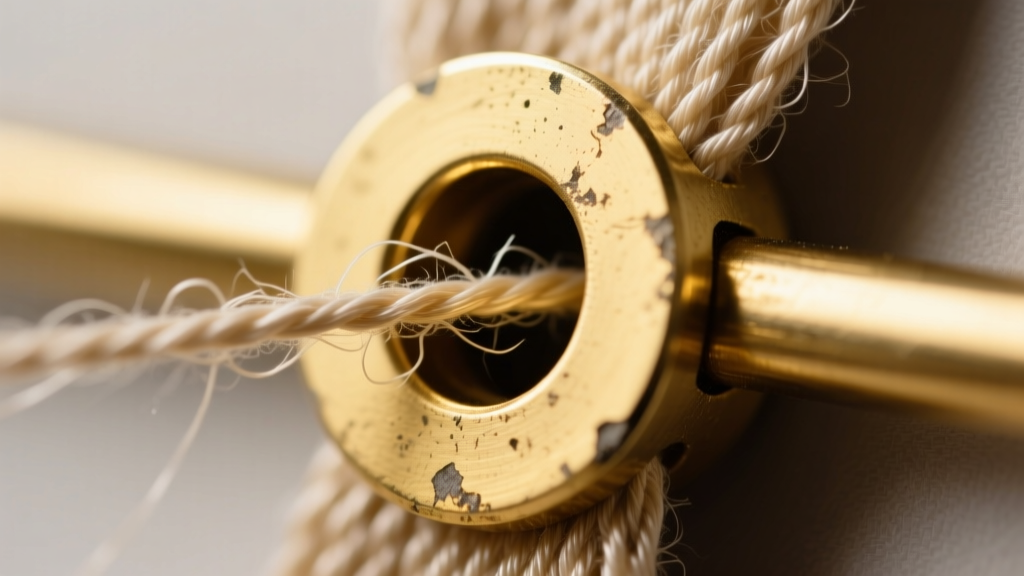
The Role of Spacer Bars in Structural Failure
If the stringing medium is the muscle of a queen's necklace, the spacer bar is the skeleton. The queen's necklace weakness is most violently expressed when a poorly engineered spacer bar bends or breaks. Spacer bars are the metal findings that align the multiple strands and keep them lying flat against the collarbone.
When a collar features five or more strands, the spacer bar must withstand significant shearing force. If the bar is milled too thin (under 2.0mm) or if the drill holes are placed too close to the edge of the metal, the structural integrity is compromised. According to manufacturing standards outlined by the Rio Grande jewelry supply network, the edge distance—the space between the drill hole and the edge of the metal—must be at least equal to the diameter of the hole itself to prevent tearing.
Precious Metal Grades and Fatigue Resistance
The choice of metal for the spacer bar directly dictates its lifespan. 18k yellow gold, while prized for its rich color, is relatively soft and prone to bending under the torque of a heavy multi-strand piece. 14k gold offers a better balance of malleability and hardness, but for ultimate resistance to the queen's necklace weakness, Platinum 950 (alloyed with ruthenium or iridium) is the superior choice. Platinum's high density and fatigue resistance mean it will bend slightly under extreme stress rather than snapping, providing a visual warning before catastrophic failure occurs.
Clasp Mechanics and Torque Distribution
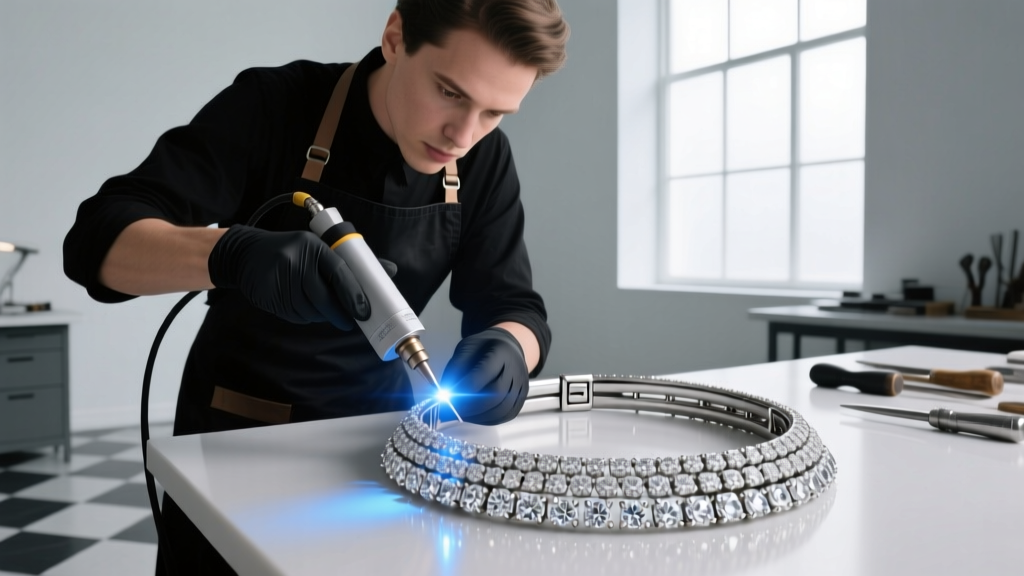
The clasp is the final bottleneck where all the tension of a multi-strand collar converges. Standard lobster clasps or spring rings are entirely inadequate for a queen's necklace; the lateral torque will easily warp the lever mechanism, causing the clasp to pop open unexpectedly. To counteract this, high-end collars must utilize a tongue-and-groove box clasp equipped with dual figure-8 safety catches. Furthermore, the transition from the multiple strands into the single clasp mechanism should be reinforced with laser welding rather than traditional torch soldering, which can anneal and weaken the surrounding metal.
Preventative Maintenance and Restringing Intervals
Even with the best materials, the queen's necklace weakness requires active management through rigorous maintenance protocols. The Gemological Institute of America (GIA) recommends specific care routines for multi-strand pearl and gemstone jewelry to prevent irreversible damage.
- Bi-Annual Inspections: Have a bench jeweler inspect the spacer bar holes for micro-abrasions that could be sawing through the stringing medium.
- Restringing Schedule: If strung on silk or nylon, multi-strand collars must be restrung every 12 to 18 months, regardless of wear frequency, due to the ambient degradation of organic fibers.
- Proper Storage: Never hang a queen's necklace. The constant gravitational pull on multiple strands will stretch the medium and warp the spacer bars. Always store the piece flat in a rigid, velvet-lined tray.
- Clasp Lubrication: The tongue mechanism of a box clasp should be cleaned with a soft brush and a microscopic drop of synthetic watch oil annually to ensure the locking tab engages with a crisp "click," indicating proper tension.
Conclusion
The queen's necklace weakness is an unavoidable reality of physics when dealing with multi-strand collar designs. However, by transitioning away from traditional silk, utilizing precision-milled platinum or 14k gold spacer bars, and employing tongue-and-groove clasps with laser-welded jump rings, jewelers can effectively neutralize these failure points. For collectors and wearers, understanding these material properties ensures that these magnificent, regal pieces remain secure and structurally sound for generations.


