Fashion Rosary Necklace: Troubleshooting and Repair Guide
Learn how to repair broken beads, fix tangled chains, and restyle your fashion rosary necklace with expert troubleshooting tips and material guides.

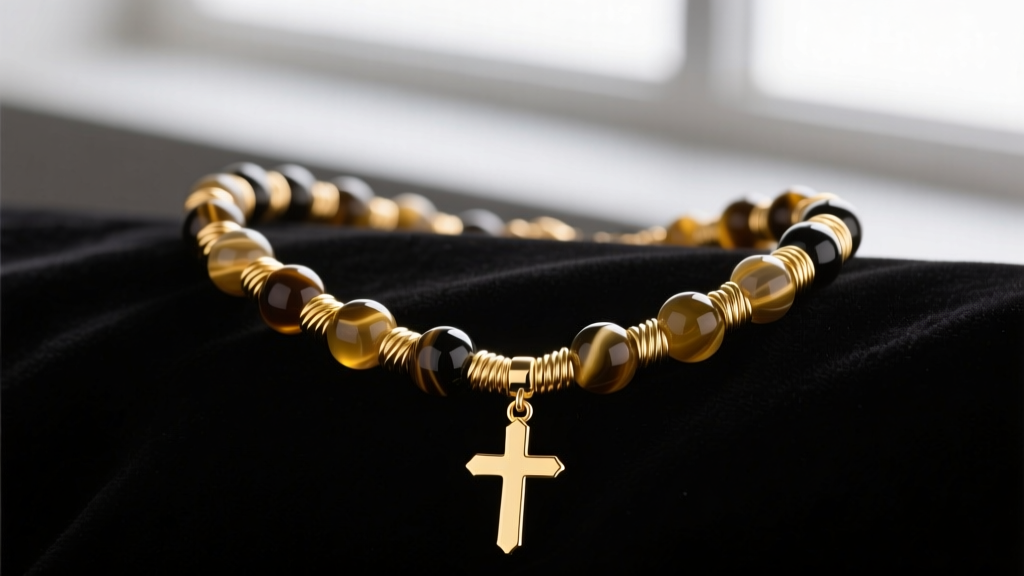
The fashion rosary necklace has evolved from a strictly traditional item into a staple of contemporary layering and streetwear. Characterized by its elongated loop and distinctive Y-shaped drop, this style offers incredible visual interest. However, the very architecture that makes a fashion rosary necklace so striking also makes it highly susceptible to mechanical failure. The Y-drop acts as a pendulum, placing disproportionate tensile stress on the lowest bead wraps and the connecting jump rings.
If your favorite piece has suffered a snapped wire, a hopelessly knotted chain, or a failing clasp, do not discard it. With a few specialized tools and an understanding of jewelry mechanics, you can troubleshoot and repair your necklace to withstand daily wear. This guide dives deep into the structural weaknesses of fashion rosaries and provides actionable, professional-grade repair solutions.
The Anatomy of a Fashion Rosary Necklace (and Why It Breaks)
Unlike a traditional knotted rosary, a fashion rosary necklace is typically constructed from a delicate metal cable chain (usually 0.9mm to 1.2mm in thickness) interspersed with wire-wrapped beads. The necklace consists of two main sections:
- The Loop: The primary circle that rests around the neck, typically measuring 28 to 32 inches in total circumference.
- The Drop (or Y-portion): The shorter chain segment (4 to 6 inches) that descends from the center of the loop, terminating in a pendant, cross, or tassel.
The most common point of failure is the junction where the drop meets the loop. This connection point endures constant friction and lateral pulling. Furthermore, mass-produced fashion rosaries often use 28-gauge or 30-gauge dead-soft copper wire to secure the beads. While this makes manufacturing faster, it lacks the tensile strength required for long-term wear, leading to frequent bead loss and wire snapping.
Troubleshooting Common Hardware Failures
1. The Bead-Wire Snap
When a bead falls off your fashion rosary necklace, you will likely notice that the wire wrapping it has either snapped or unspooled. This happens because dead-soft wire work-hardens and becomes brittle with movement, eventually fracturing.
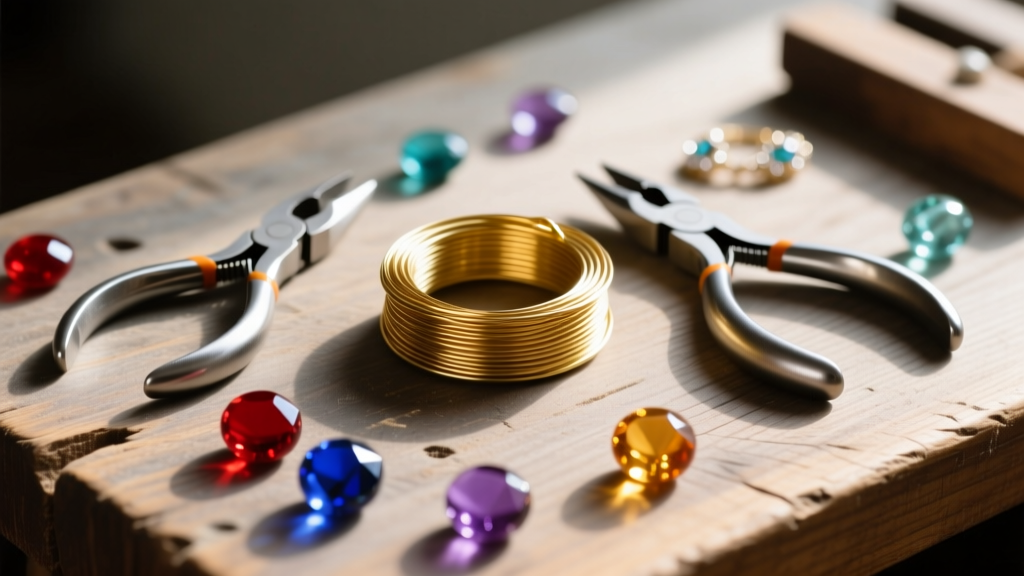
The Fix: Re-wrap the bead using 24-gauge or 26-gauge half-hard wire. Half-hard wire has been partially work-hardened during the manufacturing process, giving it the memory to hold its shape and the strength to resist snapping. If you are wrapping glass or gemstone beads, use gold-filled or sterling silver wire to prevent skin irritation and tarnishing. For a secure wrap, ensure you leave a 2mm tail on both sides of the bead hole and execute at least two tight coils around the base wire before trimming flush with micro-flush cutters.
2. Chain Tangling and Micro-Knots
The fine cable chains used in fashion rosaries are notorious for tangling, especially where the drop chain rubs against the main loop. When a 1.0mm chain knots upon itself, pulling it will only tighten the micro-knot, potentially warping the links.
The Fix: Never use brute force. Lay the necklace flat on a glass or ceramic surface. Apply a single drop of lightweight jeweler's lubricant or mineral oil directly to the knot using a fine-tipped needle. Take two sewing needles and gently work the tips into the center of the knot, wiggling them in opposite directions to loosen the links. Once loosened, wipe the chain clean with a microfiber cloth to remove the oil, which can otherwise attract dust and grime.
3. Clasp and Jump Ring Failure
Many fashion rosaries come equipped with 4mm spring ring clasps and poorly soldered jump rings. Spring rings have weak internal springs that fail over time, and thin jump rings can easily pull apart under the weight of the long chain.
The Fix: Upgrade the hardware. Replace the spring ring with a 5mm or 6mm lobster clasp, which features a much stronger internal tension spring. More importantly, ensure the jump ring connecting the clasp to the chain is either a soldered ring or a heavy-gauge split ring. If using a standard open jump ring, it must be at least 20-gauge thickness with a 4mm outer diameter (OD), and you must close it using two pairs of flat-nose pliers, twisting laterally rather than pulling the ends apart, to maintain the ring's structural integrity.
Material Comparison: Upgrading Your Replacement Parts
When sourcing replacement wire, chains, or clasps for your fashion rosary necklace, the material you choose dictates the longevity of the repair. Below is a technical comparison of common jewelry metals used in DIY repairs.
| Material | Recommended Gauge | Tensile Strength & Durability | Best Use Case | Approx. Cost (per ft) |
|---|---|---|---|---|
| Copper (Craft) | 24g - 26g | Low; oxidizes quickly, softens easily. | Practice wrapping, hidden structural cores. | $0.15 - $0.30 |
| Gold-Filled (14/20) | 24g - 26g | High; thick gold layer over brass core, highly tarnish-resistant. | Visible wire wraps, premium chain replacements. | $1.50 - $3.00 |
| Sterling Silver (.925) | 24g - 26g | Medium-High; prone to tarnish but easily polished, excellent memory. | High-end bead wrapping, clasp upgrades. | $0.80 - $1.50 |
| Stainless Steel (316L) | 22g - 24g | Very High; extremely rigid, hypoallergenic, will not tarnish. | Heavy pendants, jump rings, chain upgrades. | $0.20 - $0.50 |
For authoritative guidance on wire properties and hardness scales, professional jewelers frequently consult the technical resources provided by Rio Grande, which offers comprehensive charts on how different alloys behave under stress. Additionally, Fire Mountain Gems provides extensive tutorials on selecting the correct wire temper (dead-soft, half-hard, or full-hard) for specific wrapping techniques.
Styling Fixes: Avoiding the 'Costume' Trap
Beyond physical repairs, a common issue with the fashion rosary necklace is that it can easily look costumey or overly thematic if not styled correctly. The key to integrating this piece into a modern wardrobe is balancing its verticality with contrasting textures.

The Rule of Thirds in Layering
Because a fashion rosary typically measures 30 inches or more, wearing it alone over a plain t-shirt can look unbalanced. Instead, use the rule of thirds to create a cohesive stack:
- Base Layer (14-16 inches): A simple, textured choker or a thin snake chain to anchor the eye near the collarbone.
- Mid Layer (20-22 inches): A medium-weight chain featuring a singular, solid pendant (like a coin or geometric shape) to bridge the gap.
- The Rosary (28-32 inches): The fashion rosary necklace acts as the finishing frame, drawing the eye downward and elongating the torso.
Pro-Tip: Avoid wearing a fashion rosary over high-necked garments like turtlenecks or crew-neck sweaters. The Y-drop will get caught in the fabric folds, increasing the risk of chain kinking. Opt for V-necks, scoop necks, or open button-down shirts to allow the hardware to lay flat against the skin or fabric.
When to Repair vs. Replace
Not every fashion rosary necklace is worth the time and expense of a meticulous repair. Here is a practical decision framework to help you decide whether to fix or replace the piece:
- Repair if: The beads are genuine gemstones, high-quality glass, or have sentimental value. In this case, invest in a spool of 14/20 gold-filled wire and completely re-wrap the entire drop section to ensure uniform strength.
- Replace if: The base chain is brass-plated or zinc alloy and is leaving green or black marks on your skin. No amount of wire-wrapping will save a degrading base metal chain. Instead, salvage the beads and the pendant, and restring them onto a 1.5mm stainless steel rolo chain using heavy-duty jump rings.
By understanding the mechanical stresses placed on your jewelry and upgrading to professional-grade materials, you can transform a fragile fashion accessory into a durable, everyday staple. Proper maintenance and mindful styling will ensure your fashion rosary necklace remains a standout piece in your collection for years to come.


