Troubleshooting Your Diamond Stud Necklace: Fixes for Flipping
Is your diamond stud necklace constantly flipping upside down or tangling? Discover expert troubleshooting tips, chain fixes, and clasp solutions.

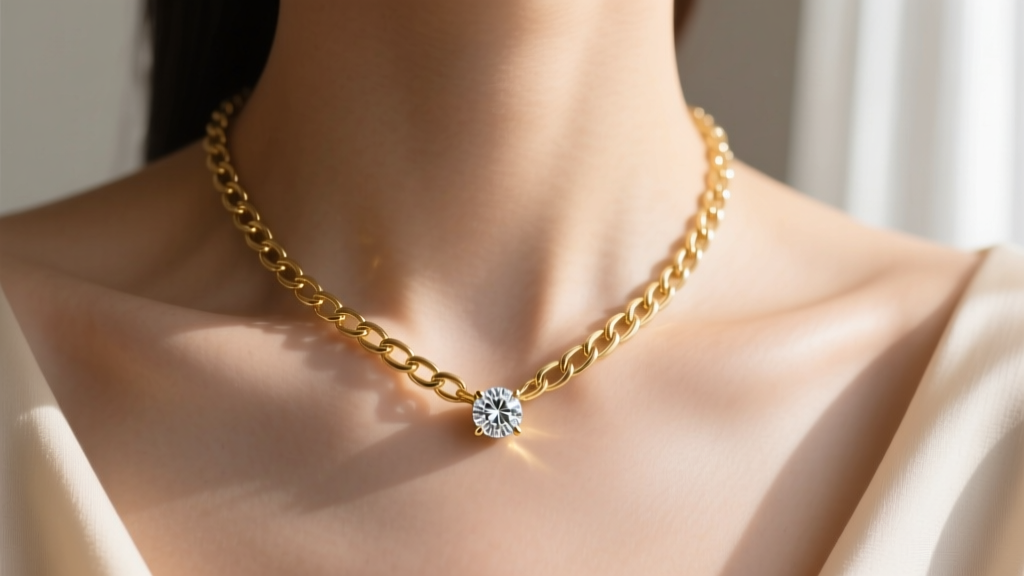
A diamond stud necklace is a cornerstone of fine jewelry, offering a minimalist yet brilliant focal point that rests elegantly on the collarbone. However, despite its simple aesthetic, this specific style of pendant is notoriously prone to mechanical annoyances. The most common complaints jewelry repair specialists see involve the pendant constantly flipping upside down, the clasp migrating to the front of the neck, or the delicate chain tangling and snapping under the weight of an unbalanced setting.
If your favorite piece spends more time facing backward than sparkling forward, the issue is rarely a defect in the diamond itself. Instead, it is a failure of physics and proportion. Below, we break down the exact troubleshooting steps to diagnose and fix the mechanical failures of a diamond stud necklace, ensuring it lays perfectly every time you wear it.
The Anatomy of the Flip: Why Diamond Pendants Spin
When a diamond stud necklace flips upside down, it is experiencing a center-of-gravity mismatch. A classic solitaire pendant, particularly one in a three-prong "martini" setting, has a high profile. The diamond sits elevated above the bail (the loop connecting the pendant to the chain). Because the diamond and its metal setting are significantly heavier than the delicate chain threading through the bail, any slight movement causes the heavy top to rotate forward and downward.
Furthermore, the shape of the bail dictates how the pendant behaves. A standard V-shaped bail creates a pendulum effect on a round cable chain. To troubleshoot this, jewelers often recommend switching the chain style or modifying the bail. A hidden bail or a horizontal tube bail forces the pendant to sit flush against the chain links, drastically reducing the rotational momentum that causes the flip.
Troubleshooting Chain and Pendant Weight Ratios
The most effective way to stop a diamond stud necklace from spinning is to balance the weight ratio between the chain and the pendant. If a 0.50-carat diamond weighing approximately 0.10 grams is strung on a gossamer 0.6mm chain weighing 1.2 grams, the chain lacks the structural rigidity to hold the pendant upright. The chain will fold, and the pendant will flip.
Upgrading to a slightly heavier, more structured chain provides the necessary counter-tension. Below is a diagnostic chart to help you match your diamond's carat weight to the correct chain gauge and style.
| Diamond Carat Weight | Approx. Pendant Weight | Ideal Chain Weight | Recommended Chain Style & Gauge |
|---|---|---|---|
| 0.10ct - 0.25ct | 0.02g - 0.05g | 1.5g - 2.5g | 0.8mm Box Chain or 0.9mm Cable |
| 0.50ct - 0.75ct | 0.10g - 0.15g | 2.5g - 4.0g | 1.0mm Box Chain or 1.1mm Rope |
| 1.00ct - 1.50ct | 0.20g - 0.30g | 4.0g - 6.0g | 1.2mm Rope Chain or 1.5mm Cable |
| 2.00ct+ | 0.40g+ | 6.0g - 8.0g+ | 1.8mm Wheat Chain or 2.0mm Box |
Box chains and wheat chains are inherently more rigid than standard cable chains. Their interlocking geometric links resist twisting, which helps anchor the bail and keeps the diamond stud facing forward.
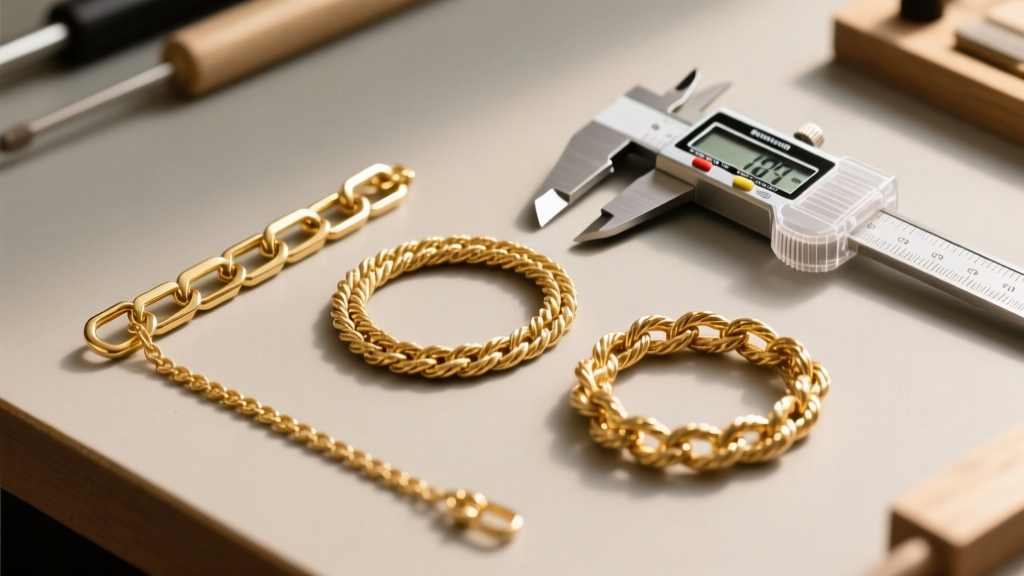
Clasp Migration: Keeping the Closure at the Nape
Another frequent issue with lightweight diamond stud necklaces is "clasp creep." Because the front pendant is heavier than the rear clasp, gravity and the natural friction of your skin and clothing slowly pull the lighter chain through the bail. Over the course of a few hours, the clasp migrates from the nape of your neck to sit directly next to the diamond pendant.
The Counterweight Solution: The industry-standard fix for this is adding a counterweight tag to the chain near the clasp. A small, solid 14k or 18k gold disc (typically 3mm to 5mm in diameter) is soldered or jump-ringed onto the chain just before the clasp. This added 0.5 to 1.0 grams of weight anchors the back of the necklace, preventing the front pendant from pulling the chain forward.
The Silicone Stopper Alternative: If you do not want to permanently alter your chain, you can use micro-silicone jewelry stoppers (similar to those used for earring posts). Slipping a tiny, skin-toned silicone disc onto the chain behind the clasp creates enough friction against the skin to halt migration without adding metal weight.
Prong Snags vs. Bezel Security: Setting Troubleshooting
The physical setting of your diamond stud necklace dictates how it interacts with your wardrobe. High-prong settings, while maximizing light return, act as microscopic grappling hooks that catch on silk blouses, knit sweaters, and even loose hair. When a prong snags, it not only damages the fabric but can bend the prong, compromising the security of the diamond.
If you lead an active lifestyle or frequently wear textured fabrics, troubleshooting the setting is vital. Transitioning from a traditional four-prong basket to a bezel setting or a rub-over setting eliminates all snag points. A bezel encircles the diamond's girdle in a smooth rim of metal. While a bezel setting can reduce the visible surface area of the diamond by roughly 5% to 8%, it lowers the profile of the pendant and ensures it glides smoothly over clothing without catching.
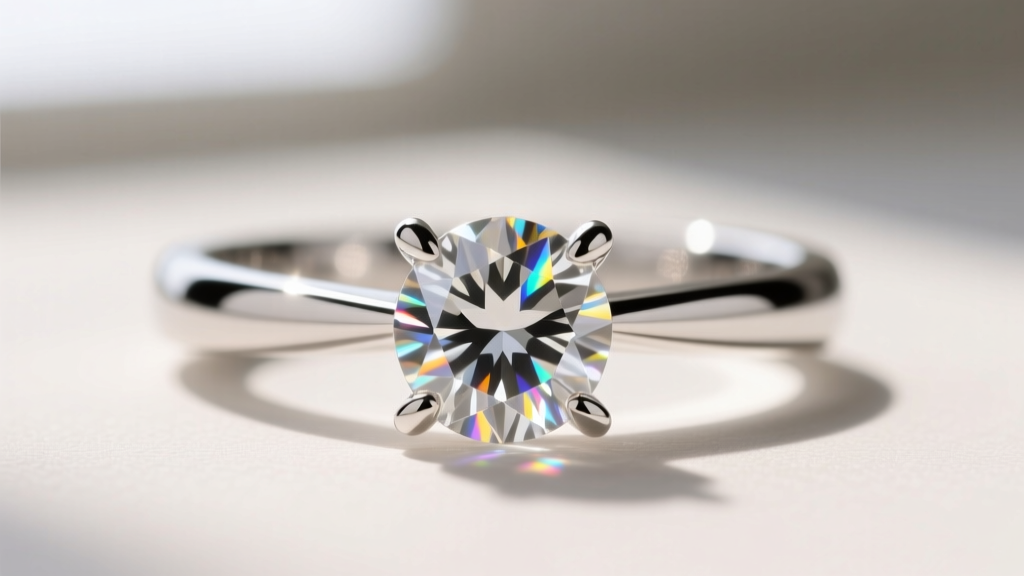
If you prefer the classic look of prongs, ensure your jeweler performs a "prong profile check." The tips of the prongs should be filed completely flat and polished to a high mirror finish. Any microscopic burrs left from the setting process will catch on threads. According to the International Gem Society, having your prongs inspected and polished every six months is critical to preventing both snags and catastrophic stone loss.
Restoring Sparkle: Deep Cleaning Micro-Pave and Solitaires
A diamond stud necklace sits directly in the "splash zone" of the décolletage, an area highly exposed to body oils, lotions, perfumes, and sweat. Diamonds are inherently lipophilic, meaning they attract and hold onto grease. When a microscopic layer of oil coats the pavilion (the bottom of the diamond), it disrupts the stone's refractive index, causing a once-brilliant stud to look cloudy, gray, and lifeless.
Many owners mistakenly believe their diamond has lost its luster or that the metal has tarnished, when in reality, the stone simply requires a targeted degreasing.
The Expert Cleaning Protocol
- Step 1: The Degreasing Soak. Mix a few drops of mild, ammonia-free dish soap (like Dawn) into a bowl of warm water. Let the necklace soak for 15 to 20 minutes to break down the lipid bonds on the diamond's surface.
- Step 2: Agitation. Using an extra-soft baby toothbrush, gently brush the back of the diamond setting. The pavilion facets collect the most oil and skin cells, yet this area is often ignored during cleaning.
- Step 3: The Rinse and Dry. Rinse thoroughly under lukewarm running water. Pat dry with a lint-free microfiber cloth. Avoid tissue paper, as the wood fibers can micro-scratch softer gold alloys.
Note of Caution: The Gemological Institute of America (GIA) strongly advises against using ultrasonic cleaners for diamonds that have been fracture-filled, clarity-enhanced, or set in fragile micro-pave halos, as the high-frequency vibrations can loosen the adhesive or shatter treated stones.
Summary Checklist for a Perfect Lay
To ensure your diamond stud necklace remains a flawless, low-maintenance staple, run through this quick troubleshooting checklist before purchasing or wearing your piece:
- Check the Bail: Is it a V-bail causing pendulum swings? Consider a tube bail for stability.
- Weigh the Chain: Ensure the chain weight is at least 10 to 15 times heavier than the pendant to prevent flipping.
- Anchor the Clasp: Add a 3mm gold counterweight tag to stop the clasp from migrating to the front.
- Audit the Prongs: Run a cotton swab over the prongs; if it snags, the prongs need professional polishing.
- Degrease Regularly: Clean the pavilion (back) of the diamond weekly to maintain optimal light refraction.
By addressing these mechanical and structural nuances, you transform your diamond stud necklace from a fussy accessory into a reliable, brilliant staple that lays perfectly against the skin from morning until night.


