Milagro Necklace Troubleshooting: Fix Tarnish, Breakage, and Allergies
Fix common milagro necklace issues like severe tarnish, chain breakage, and nickel allergies with our expert jewelry repair and maintenance guide.

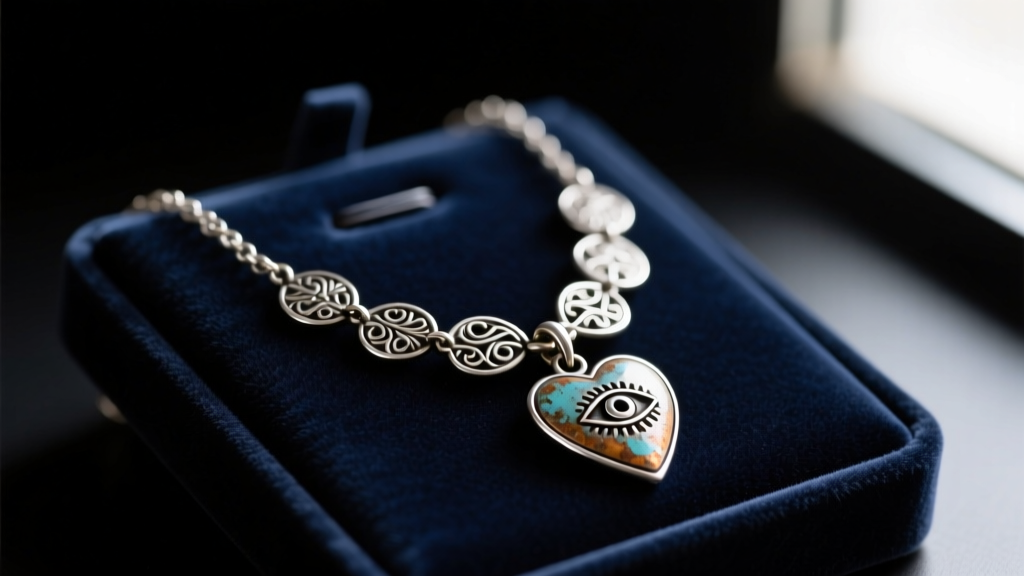
Milagro necklaces are deeply personal, culturally rich, and visually striking. Originating from Latin American folk traditions, these small metal charms—representing everything from healed body parts to protective eyes and sacred hearts—are often clustered on chains to serve as wearable talismans. However, from a jewelry-making and metallurgical perspective, milagros present a unique set of structural and chemical challenges. Because many are cast using traditional sand-casting methods or stamped from mixed-alloy sheets, they frequently suffer from rough edges, rapid oxidation, and hidden metal allergens.
If your favorite piece is causing skin irritation, snapping chains, or losing its intricate details to black tarnish, you are not alone. This comprehensive troubleshooting guide addresses the most common failure modes of milagro jewelry and provides actionable, bench-level solutions to restore and protect your collection.
Diagnosing Metal Allergies and the "Alpaca" Trap
The most frequent complaint among milagro wearers is contact dermatitis—a red, itchy rash on the chest or neck. This is rarely caused by genuine silver. Instead, it is usually the result of purchasing charms marketed as "Alpaca," "German Silver," or "Taxco Silverplate."
The Metallurgy of Cheap Charms
According to the Gemological Institute of America (GIA), true sterling silver is an alloy of 92.5% silver and 7.5% copper, which is generally hypoallergenic. However, "Alpaca" silver contains zero actual silver. It is a base-metal alloy composed primarily of copper, zinc, and nickel. Nickel is the most common contact allergen in jewelry. When an Alpaca milagro rests against the skin, sweat accelerates the leaching of nickel ions, triggering severe allergic reactions and leaving a dark green or black stain on the collarbone.
Troubleshooting Skin Reactions
- The Magnet Test: While not foolproof, a strong neodymium magnet will sometimes cling to high-nickel Alpaca charms. Genuine .925 sterling and .999 fine silver are completely non-magnetic.
- The Rhodium Plating Solution: If you have a sentimental Alpaca or low-karat charm that causes a reaction, take it to a professional jeweler for rhodium plating. This creates a microscopic, hypoallergenic barrier over the base metal. Expect to pay between $35 and $60 for this service.
- The Polymer Barrier (DIY): For a temporary fix, apply a thin coat of clear, jewelry-safe lacquer (like ProtectaClear) to the back of the charm. Avoid standard clear nail polish, as the acetone and plasticizers will yellow and peel within weeks.
The Tarnish Dilemma: Preserving Intentional Patina
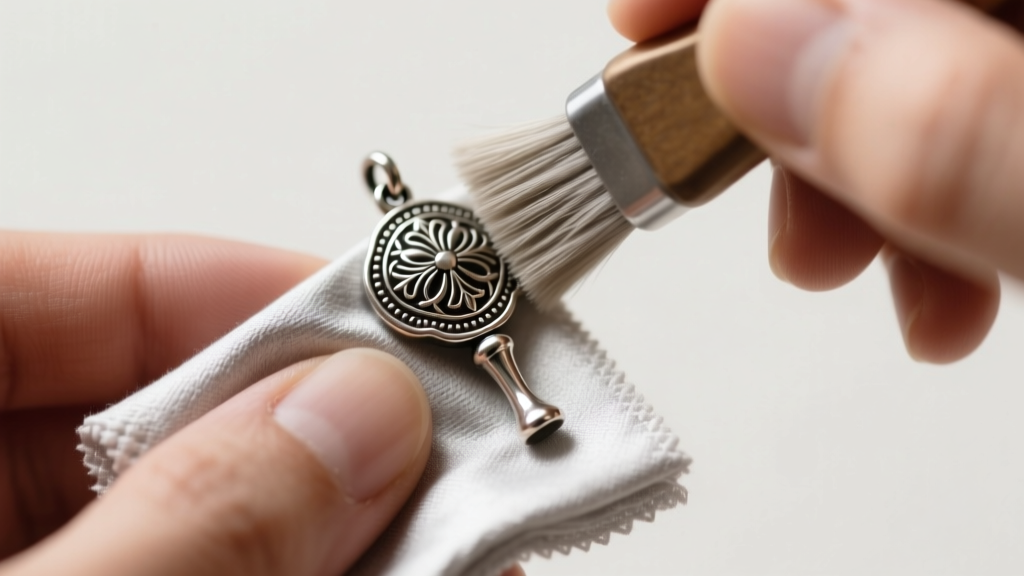
Milagros derive their visual appeal from deep, stamped, or cast crevices. Jewelers intentionally oxidize these recesses using liver of sulfur to create high contrast, making the intricate details pop against the polished high points. The problem arises when the entire charm begins to tarnish uniformly, turning dull and gray.
Why Liquid Silver Dips Are Destructive
Never submerge a milagro necklace in commercial liquid silver dips (thiourea-based cleaners). These aggressive chemical baths strip away all oxidation instantly, leaving the charm looking flat, white, and entirely devoid of its original depth and character. Furthermore, if the charm is attached to a chain via a steel or brass jump ring, the galvanic reaction in the acid bath can permanently pit the metal.
The Safe, Controlled Cleaning Method
To remove environmental tarnish while preserving the dark recesses, use a localized mechanical approach:
- Prep the Surface: Wash the necklace in warm water with a drop of phosphate-free dish soap to remove skin oils and lotions.
- Targeted Polishing: Wrap a professional-grade silver polishing cloth tightly around your index finger. Gently buff only the raised, high-friction areas of the milagro. The mild abrasives in the cloth will remove surface sulfide tarnish without digging into the intentional patina of the crevices.
- Detailing: For raised edges that the cloth cannot reach, use a standard wooden toothpick to gently scrape away tarnish buildup. Wood is softer than silver and will not scratch the metal.
"The beauty of a vintage milagro lies in its shadows. If you polish the recesses, you erase the history and the artisan's original contrast work. Always polish the peaks, never the valleys." — Master Bench Jeweler
Chain Breakage: The Hidden Friction of Rough Cast Loops
If your milagro necklace keeps snapping at the clasp or the charm loop, the culprit is likely microscopic friction. Many authentic, hand-cast milagros feature rough, unfinished loops at the top. When strung on a delicate chain, these rough loops act like tiny, blunt saws. With every movement, the unpolished interior of the milagro loop files away the metal of your chain until it shears.
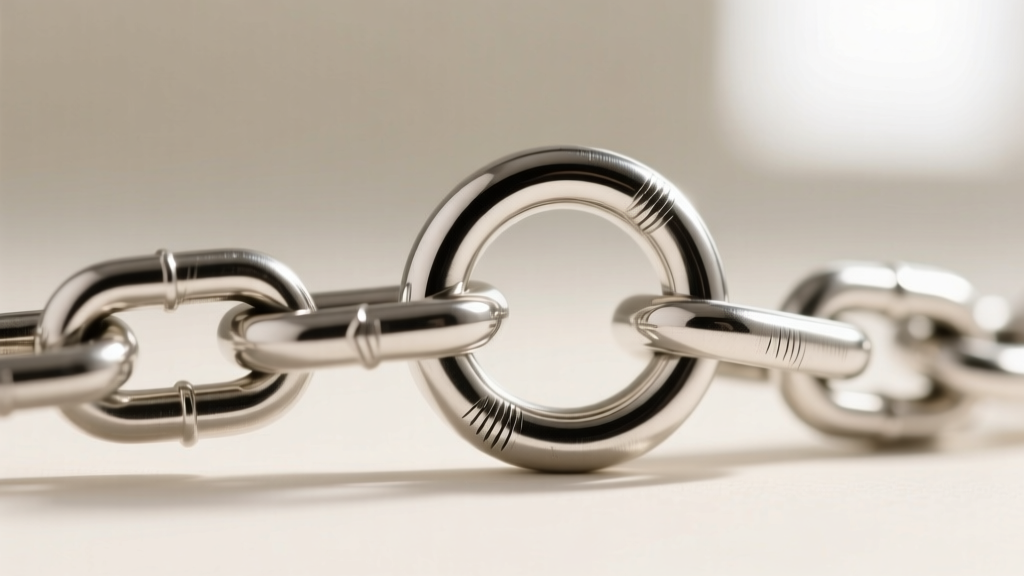
Matching Chain Gauge to Milagro Weight
To prevent catastrophic failure, you must match the tensile strength and gauge of your chain to the physical profile of the charm. Below is a structural compatibility guide for milagro necklaces:
| Milagro Size / Weight | Recommended Chain Gauge | Best Chain Weave | Hardware Requirement |
|---|---|---|---|
| Small (Under 2g) | 22g to 20g | Cable or Box | Standard 4mm 20g Jump Ring |
| Medium (2g to 5g) | 18g to 16g | Rolo or Figaro | Soldered 5mm 18g Jump Ring |
| Large / Cluster (Over 5g) | 14g to 12g | Cuban Link or Wheat | Soldered 6mm 16g Jump Ring |
The Soldered Jump Ring Fix
If you are attaching a heavy or rough-edged milagro to a chain, never use a standard split jump ring (which has a tiny gap). The rough loop of the charm will inevitably catch in the gap and pull the ring open, dropping your charm. Instead, use a soldered jump ring. A jeweler will use a laser or micro-torch to fuse the seam of the ring completely shut, creating an unbreakable loop that eliminates the gap and provides a smooth, polished interior surface that will not saw through your chain.
Tangling and Clustering: Engineering a Multi-Charm Layout
A single milagro is beautiful, but the tradition often calls for clustering multiple charms to represent different prayers, gratitudes, or protections. The immediate problem? A tangled, heavy, and noisy mess that twists the chain and damages the charms through constant metal-on-metal friction.
Strategic Spacing Techniques
To wear three or more milagros on a single chain without them constantly knotting, you must engineer the layout:
- The Bead Stop Method: String small, smooth sterling silver spacer beads (2mm to 3mm) between the charms. By crimping or soldering the chain links on either side of the bead, you lock the milagros into place, maintaining a 1-inch to 2-inch gap between each charm.
- Graduated Sizing: Arrange the charms by weight and size. Place the heaviest, largest milagro (like a sacred heart) in the dead center as the pendant focal point. Flank it with progressively smaller, lighter charms (like eyes or hands) moving up the chain. This balances the center of gravity and prevents the necklace from flipping over.
- Multi-Strand Clasps: If you are wearing more than five charms, abandon a single chain. Use a three-strand oxidized silver chain setup with a multi-strand tube clasp. Distribute the charms across the different lengths (e.g., 16-inch, 18-inch, and 20-inch strands) to create a cascading, tangle-free altar on your chest.
When to Seek Professional Bench Repair
While polishing and chain swapping can be done at home, certain milagro issues require a professional jeweler's bench. Seek professional intervention if:
- The Charm Loop is Cracked: Sand-cast silver is inherently brittle. If the loop at the top of the milagro shows a hairline fracture, do not attempt to bend it closed with pliers; it will snap. A jeweler must laser-weld the fracture using matching silver filler wire.
- Severe Pitting or Corrosion: If an Alpaca or low-grade silver charm has been exposed to pool chlorine or harsh acids, it may develop deep, structural pitting. A bench jeweler can use a magnetic tumbler and light buffing compounds to smooth the surface and apply a protective wax coating.
- Clasp Upgrades: Heavy milagro clusters put immense strain on standard spring-ring clasps. Have a jeweler upgrade your clasp to a heavy-duty lobster claw or a custom-fabricated S-hook clasp, ensuring the solder joints on the clasp rings are reinforced.
By understanding the metallurgy, mechanics, and maintenance requirements of your jewelry, you can transform a problematic, tarnished piece into a lifelong, trouble-free talisman. Treat your milagros with the structural respect they deserve, and they will continue to tell your story for decades to come.


