How to Fix a Flipping or Snagging Gold Whale Tail Necklace
Is your gold whale tail necklace constantly flipping or snagging on clothes? Discover expert troubleshooting tips, bail fixes, and chain upgrades.

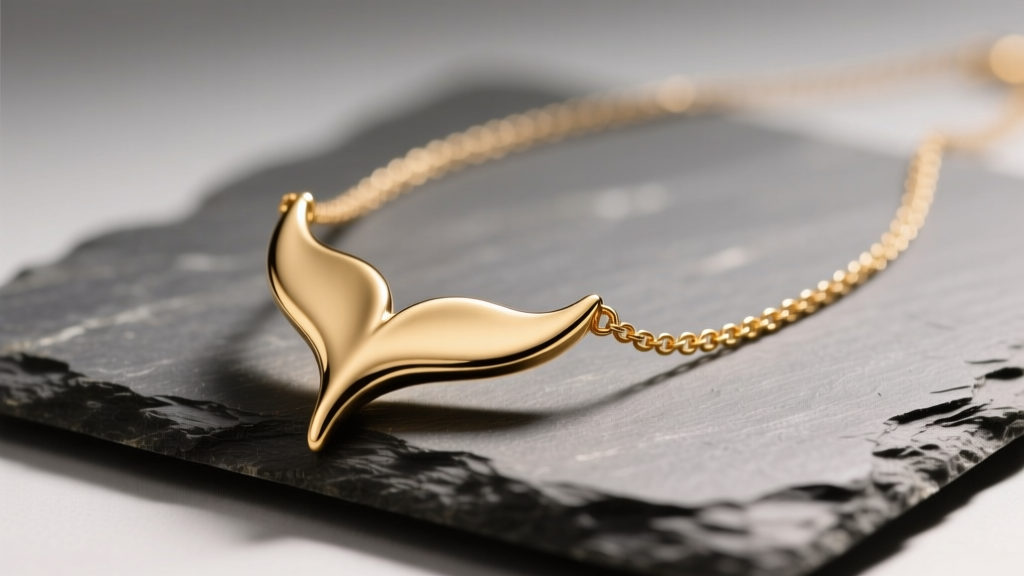
The Appeal and Agony of the Whale Tail Pendant
The maritime charm of a gold whale tail necklace has cemented its status as a staple in coastal and everyday jewelry wardrobes. However, beneath the aesthetic appeal lies a host of mechanical frustrations. Because of its asymmetrical geometry and bottom-heavy center of gravity, the whale tail pendant is notoriously prone to flipping upside down, catching on delicate fabrics, and prematurely wearing through delicate chains.
If you are constantly adjusting your pendant or dealing with snagged sweaters, you are not alone. This troubleshooting guide dives deep into the metallurgical and structural reasons behind these common failures, providing actionable, jeweler-approved solutions to optimize your necklace for daily wear.
The "Upside-Down" Pendant Problem: Why Your Whale Tail Flips
The most frequent complaint regarding whale tail jewelry is the pendant's tendency to rotate 180 degrees, hiding the design against the skin. This is not a defect in the gold itself, but a physics issue related to the bail—the loop that connects the pendant to the chain.
Diagnosing the Bail Mechanics
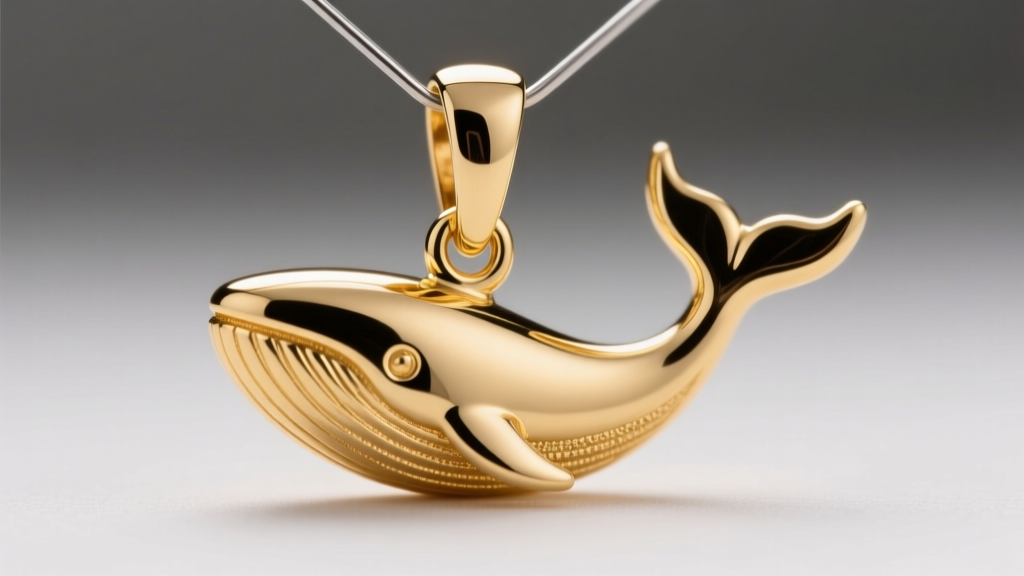
Most mass-produced whale tail necklaces utilize a "floating" or "jump ring" bail. Because the horizontal span of the whale fluke is wider than it is tall, gravity pulls the heavier bottom edge downward. When the chain shifts, the pendant rotates freely around the circular jump ring, eventually settling upside down.
The Fix: Upgrading to a Fixed or Soldered Bail
To permanently solve the flipping issue, the pendant must be restricted from rotating. There are two primary methods:
- The Soldered Fixed Bail: A jeweler can remove the standard jump ring and solder a fixed, upright bail directly to the top ridge of the whale tail. This restricts movement to a single vertical plane.
- The Silicone Stopper Trick: For a non-destructive, DIY approach, thread a tiny, 2mm clear silicone bead (often used for beaded jewelry) onto the chain directly on either side of the bail. This creates friction, preventing the pendant from sliding and rotating freely.
Snagging Hazards: Managing Sharp Fins and Flukes
Whale tails inherently feature sharp points—specifically the tips of the flukes and the dorsal ridge. When cast in gold, these points can act like micro-hooks, catching on lace, silk, and knitwear.
Identifying High-Risk Prongs and Edges
Run a piece of silk thread or a cotton ball lightly over the surface of your pendant. If the fibers catch, you have identified a snag point. In die-struck or cast gold jewelry, these sharp edges are often the result of incomplete tumbling or polishing during the manufacturing phase.
Professional vs. DIY Smoothing Techniques
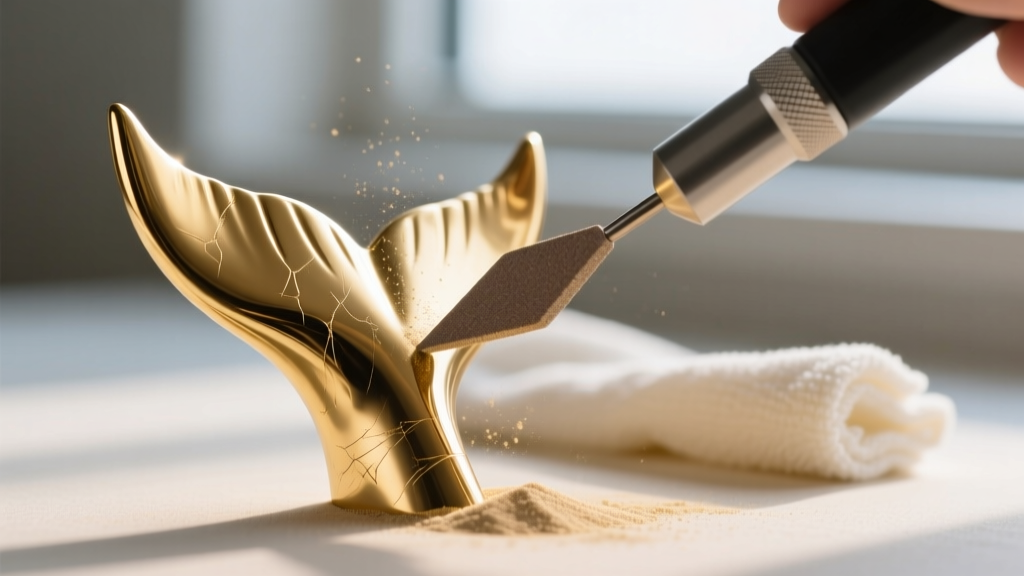
If you own a solid gold (10k, 14k, or 18k) whale tail, you can safely smooth these edges. However, if your piece is gold-plated or gold vermeil, do not sand it, as you will strip the microscopic gold layer and expose the base metal beneath.
Jeweler's Tip: For solid gold pieces, use a 600-grit wet/dry sanding sponge to gently round the sharp fluke tips, followed by a 1200-grit polish and a final buff with a treated jeweler's cloth to restore the high-shine finish.
Snag Risk by Tail Design and Material
| Tail Design Style | Snag Risk Level | Recommended Material | Maintenance Required |
|---|---|---|---|
| Deep-V Notch Fluke | High (Sharp inner angles) | Solid 14k Gold | Professional filing of the inner V-notch |
| Rounded / Scalloped Fluke | Low (Smooth perimeter) | Gold Vermeil or Solid | Routine polishing cloth wipe-down |
| Geometric / Minimalist | Medium (Sharp outer corners) | Solid 18k Gold | DIY 600-grit sanding on outer tips |
Chain Strain and Asymmetrical Weight Distribution
The horizontal weight distribution of a whale tail pendant places unique stress on the chain, particularly at the connection point. When the tail catches on clothing, the leverage applied to the chain can easily snap delicate links.
Why Delicate Chains Fail Under the Fluke
Many fashion brands pair heavy gold whale tail pendants with ultra-fine 0.5mm cable chains to reduce production costs. According to the Jewelers of America, chains under 0.8mm lack the tensile strength to support pendants weighing more than 3 grams, especially when subjected to the pendulum-like swinging motion of a wide pendant.
Recommended Chain Gauges and Styles
To prevent catastrophic chain failure, upgrade your chain based on the pendant's weight:
- Lightweight Tails (Under 3g): Opt for a 0.9mm to 1.1mm Box Chain. The square links distribute tension evenly and resist kinking.
- Medium to Heavy Tails (3g - 8g): Choose a 1.2mm to 1.5mm Rolo or Cable Chain. Ensure the jump ring connecting the pendant is soldered shut, rather than just pushed together.
- Clasp Upgrades: Replace standard spring-ring clasps with a 5mm or 6mm lobster clasp. Spring rings are notorious for failing under the lateral pull of a wide pendant.
Material Troubleshooting: Plated vs. Solid Gold Wear
Because whale tail necklaces rest against the collarbone—a high-friction, high-sweat zone—the material composition dictates the lifespan of the piece. The constant rubbing of the fluke against the skin accelerates wear on plated jewelry.
Spotting Base Metal Bleed-Through
If the edges of your whale tail are turning a dull brass or silver color, the gold layer has worn away. The Federal Trade Commission (FTC) mandates that gold vermeil must have a minimum thickness of 2.5 microns over sterling silver. However, high-friction pendants can wear through 2.5 microns in less than a year of daily use.
When to Replate vs. Replace
If your pendant is solid sterling silver with gold plating, a local jeweler can replate it for $30 to $60. However, if the base metal is brass or copper, replating is rarely cost-effective, as the base metals will continue to oxidize and push through the new gold layer. For a permanent solution, the Gemological Institute of America (GIA) recommends investing in solid 14k gold (58.5% pure gold alloyed with copper and silver) for pendants, as the alloyed metals provide the necessary hardness to resist scratching and friction wear.
Final Maintenance Checklist
To keep your gold whale tail necklace looking pristine and functioning perfectly, adopt this weekly maintenance routine:
- The Silk Test: Weekly, run a soft cloth over the fluke tips to ensure no micro-burrs have formed that could catch on clothing.
- Ultrasonic Caution: Never put a hollow-cast whale tail in an ultrasonic cleaner; the vibrations can fracture the thin gold walls. Stick to warm water, mild dish soap, and a soft baby toothbrush.
- Storage: Always store the necklace flat or hung vertically. Tossing a wide, asymmetrical pendant into a jewelry box guarantees the chain will tangle around the flukes, weakening the links over time.
By addressing the bail mechanics, smoothing high-risk edges, and pairing the pendant with a structurally sound chain, you can transform your gold whale tail necklace from a frustrating accessory into a flawless, everyday heirloom.


