Fixing a Green Cross Necklace: Tarnish, Fading & Skin Stain Solutions
Is your green cross necklace turning your skin green or losing its luster? Discover expert troubleshooting tips to fix tarnish, fading, and enamel chips.

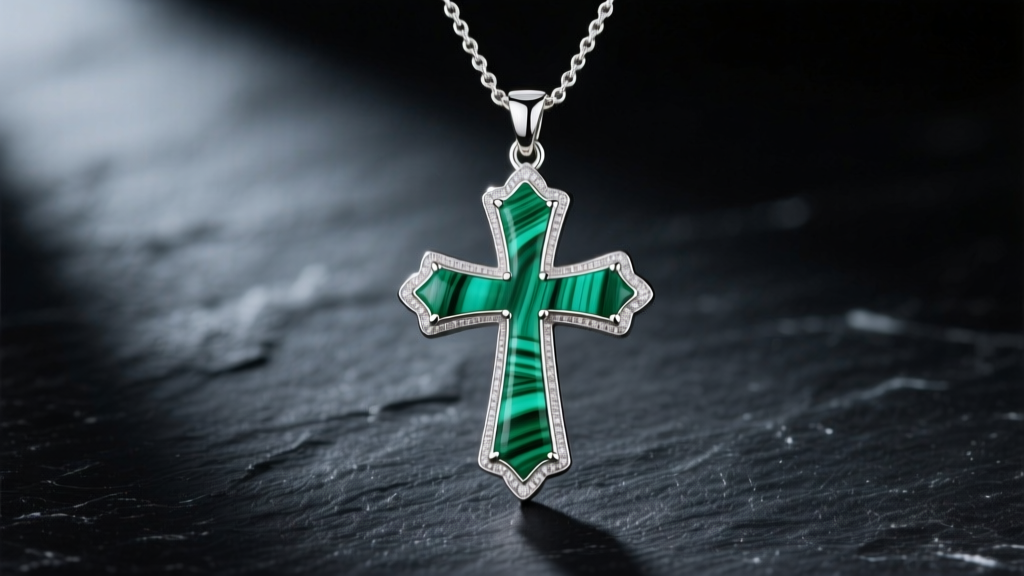
The Anatomy of a Green Cross Pendant: Where Things Go Wrong
A green cross necklace is a striking piece of jewelry, often featuring vibrant materials like malachite, jade, peridot, or vitreous enamel. However, these pieces are uniquely prone to specific failure modes that can frustrate even the most careful collectors. Whether the pendant is a family heirloom or a contemporary fashion piece, the intersection of reactive base metals and delicate green gemstones creates a perfect storm for tarnish, skin discoloration, and structural degradation.
To effectively troubleshoot your jewelry, we must first isolate the exact point of failure. The three most common complaints we see in our repair studio involve the chain and bail reacting with the skin, the green gemstone losing its polished luster, and the chipping of decorative green enamel. By understanding the metallurgical and gemological science behind these issues, you can restore your necklace and implement a long-term preservation strategy.
Troubleshooting the 'Green Skin' Reaction
The most frequent complaint regarding green cross necklaces is not actually about the jewelry itself, but the green stain left on the wearer's chest. This is rarely caused by the green gemstone; rather, it is a chemical reaction involving the metal alloy of the chain or the pendant's backing.
The Science of Copper Chloride
Many affordable green cross pendants are cast from brass (an alloy of copper and zinc) or feature copper flash-plating over a base metal. When copper is exposed to the natural acids, salts, and moisture in human sweat, it oxidizes and forms copper chloride. This compound is distinctly green and easily transfers to the skin. According to the American Academy of Dermatology, while this green stain is generally harmless and washes off with soap and water, it can sometimes be accompanied by contact dermatitis if the alloy contains nickel.
| Metal Composition | Reaction Risk | Best Troubleshooting Fix |
|---|---|---|
| Brass / Copper Alloy | High (Turns skin green quickly) | Professional Rhodium Plating |
| 925 Sterling Silver | Low (May tarnish black, rarely green) | Regular Polishing & Anti-Tarnish Strips |
| 316L Surgical Steel | None (Highly inert) | Replace chain with 316L Steel |
| 14k or 18k Solid Gold | None (Unless mixed with high copper) | Mild Soap Wash |
Actionable Fixes for Metal Reactions
If your current necklace is causing skin staining, you have three primary options:
- The Permanent Fix (Rhodium Plating): Take the pendant to a local jeweler and request a rhodium strike. This precious metal from the platinum group creates an inert, microscopic barrier over the copper. In 2026, this service typically costs between $45 and $85, depending on the pendant's surface area.
- The Chain Swap: Often, the pendant itself is solid gold or silver, but the manufacturer used a cheap brass chain. Simply unclip the pendant and thread it onto a 316L stainless steel or solid 14k gold chain.
- The Temporary Barrier: Coating the back of the pendant and the inside of the chain links with clear, fast-drying polyurethane nail polish can provide a 2-to-3 week barrier against sweat. Reapply as the polish wears away from friction.
Restoring Faded or Dull Green Gemstones
Green gemstones require vastly different care protocols. A cleaning method that will make a peridot sparkle can instantly destroy a malachite inlay.
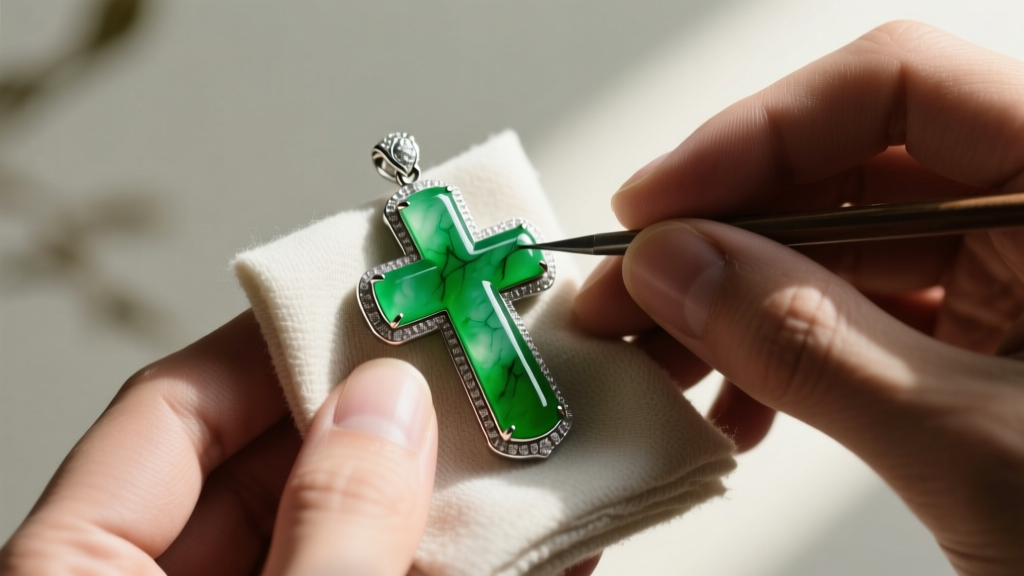
The Malachite Moisture and Acid Trap
Malachite is a stunning, banded copper carbonate hydroxide mineral. It is incredibly soft, rating only 3.5 to 4 on the Mohs hardness scale. More importantly, it is highly porous and chemically sensitive. If your malachite green cross necklace has lost its glossy finish and appears chalky or faded, it has likely been exposed to acidic cleaners, perfumes, or even prolonged contact with acidic skin oils.
What NOT to do: Never place a malachite pendant in an ultrasonic cleaner. The high-frequency cavitation will fracture the microscopic crystalline bands, causing the stone to crumble. Furthermore, the Gemological Institute of America (GIA) strictly advises against using commercial jewelry dips, as the mild acids used to dissolve silver tarnish will also dissolve the polished surface of the malachite.
The Fix: To restore minor dullness, use a dry, untreated microfiber cloth and gently buff the stone in circular motions. For deep scratches or severe chemical etching, the stone must be removed from the bezel and professionally re-polished using cerium oxide or specialized lapidary diamond pastes by a master gem cutter.
Jade and Peridot Sensitivities
If your cross features jade (jadeite or nephrite), fading is often a symptom of chemical treatment rather than natural wear. Type B and Type C jade have been acid-bleached and impregnated with polymer resins or dyed to achieve a vibrant emerald green. Over time, exposure to UV light and heat causes these polymers to yellow and the dyes to break down, resulting in a washed-out appearance. Always consult the GIA's jade care guidelines to verify if your stone is naturally colored (Type A) before attempting any restoration, as Type A jade can be safely cleaned with warm soapy water, while treated jade requires only a damp cloth.
Peridot, while harder (Mohs 6.5-7), is notoriously brittle and susceptible to thermal shock. If your peridot cross pendant has internal fractures that make the stone look cloudy or 'faded,' it has likely suffered from rapid temperature changes. This internal damage is irreversible, and the stone must be replaced.
Repairing Chipped Green Enamel on Cross Pendants
Many vintage and contemporary green cross necklaces utilize enamel to achieve a uniform, opaque green color. The troubleshooting approach depends entirely on the type of enamel used by the original artisan.
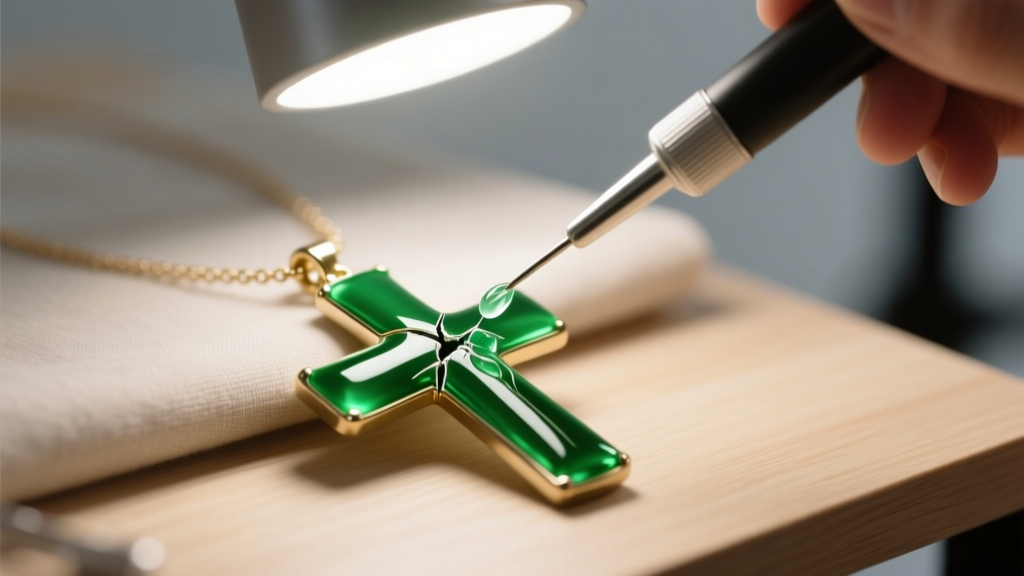
Vitreous Enamel vs. Cold Enamel
Vitreous (Hot) Enamel is essentially powdered glass fused to metal at temperatures exceeding 1,400°F (760°C). If a piece of vitreous green enamel chips off your cross pendant, you cannot simply glue it back. The repair requires a specialized enamelist to clean the metal substrate, pack the divot with matching glass frit, and re-fire the piece in a kiln. This is a highly specialized service that can cost upwards of $150.
Cold Enamel is actually a pigmented jeweler's epoxy resin. It is common in fashion jewelry and mid-tier designer pieces. If your cold enamel chips, it is a relatively simple DIY repair.
DIY Cold Enamel Restoration Framework
- Preparation: Use a wooden toothpick to gently scrape away any loose, flaking resin from the edges of the chip. Do not use metal tools, as they will scratch the surrounding metal bezel.
- Cleaning: Swab the recessed area with 99% isopropyl alcohol to remove all skin oils and debris. Allow it to evaporate completely.
- Color Matching: Purchase a two-part clear jeweler's epoxy (such as Epoxy 330). Mix a small batch and use a toothpick to incorporate dry mica powder or specialized resin pigments until you match the exact shade of the original green enamel.
- Application: Using a fine-tipped applicator, carefully drop the tinted epoxy into the chip. Surface tension will help it level out. Allow it to cure for 24 hours in a dust-free environment.
- Finishing: If the epoxy sits slightly proud of the metal, gently wet-sand it flush using 2000-grit automotive sandpaper, followed by a plastic polish to restore the gloss.
When to Seek Professional Jewelry Repair
While many issues with a green cross necklace can be managed at home, certain structural failures require professional intervention. If the bail (the loop connecting the pendant to the chain) is thinning due to friction wear, it will eventually snap, resulting in the loss of the pendant. A jeweler can easily solder a new sterling silver or gold bail onto the piece for a nominal fee.
Additionally, if your malachite or jade inlay becomes loose within its bezel, do not attempt to push it back into place with glue. Gemstone inlays are often held by precisely tensioned metal or specialized UV-cured adhesives. Forcing the stone or using the wrong cyanoacrylate (Super Glue) can cause the stone to crack or permanently ruin the metal setting. Bring the piece to a certified bench jeweler who can safely tighten the bezel walls using a burnishing tool, ensuring your green cross necklace remains secure and vibrant for decades to come.


