Damon Albarn Necklace Troubleshooting: Fixing Heavy Silver Chains
Troubleshoot common issues with heavy Damon Albarn-style silver necklaces. Learn to fix clasp failures, manage chain weight, and remove deep tarnish.

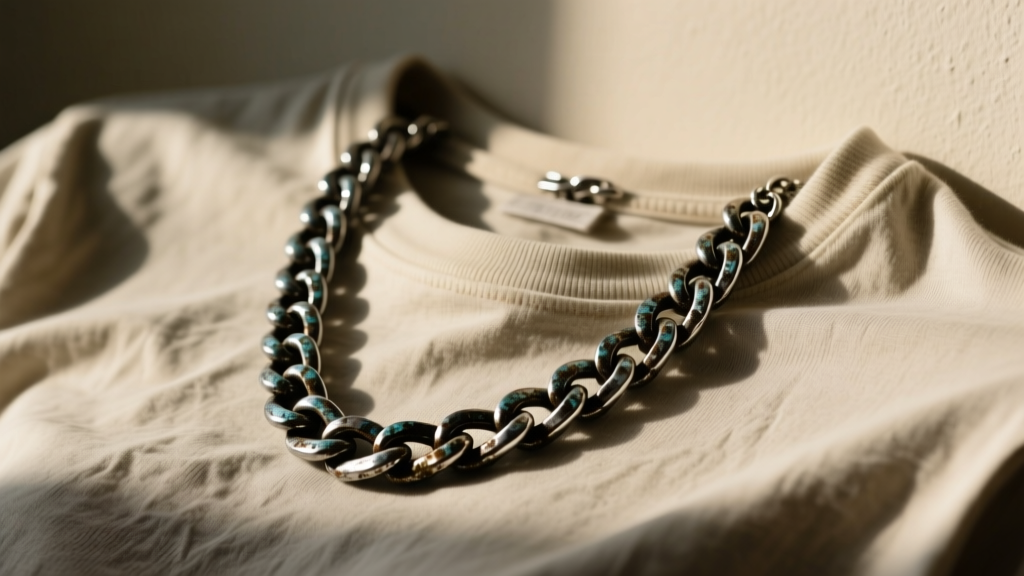
Damon Albarn’s signature aesthetic—from his early Blur days to the global Gorillaz era—relies heavily on one distinct accessory: the oversized, heavy-gauge sterling silver chain necklace. Often worn layered over vintage tees or peeking out from under unbuttoned shirts, this look is iconic. However, replicating the authentic Damon Albarn necklace style in real life introduces severe physical and mechanical problems. A true Albarn-style chain isn't a flimsy 15-gram fashion accessory; it’s a 10mm to 14mm wide curb or Cuban link chain weighing anywhere from 90 to 250 grams. When you wear this much metal daily, you encounter neck strain, catastrophic clasp failures, severe tarnish buildup, and chest hair snagging. Here is your comprehensive 2026 troubleshooting guide to mastering the heavy silver chain without the physical toll.
The Weight Problem: Managing Neck Strain and Skin Stretching
The most immediate issue with a heavy Damon Albarn necklace is the sheer mass of the metal. A solid 12mm 925 sterling silver curb chain at a standard 22-inch length weighs roughly 180 grams. That is nearly half a pound of dense metal constantly pulling on your cervical spine and stretching the skin at the nape of your neck. Over time, this causes localized fatigue and accelerates skin sagging.
Hollow-Core vs. Solid Links
If you are experiencing neck strain, the immediate troubleshooting step is to evaluate your chain's density. Many vintage or high-end streetwear brands utilize hollow-core or tubular link construction. These chains maintain the massive 12mm to 14mm visual footprint of a solid chain but weigh 60% less (dropping the weight to around 60-80 grams). If you must wear solid silver for durability, limit the length to 20 inches so the chain sits higher on the collarbone, distributing the weight across the trapezius muscles rather than hanging entirely on the cervical vertebrae.

Tarnish and Oxidation: Cleaning Deep Crevices
Sterling silver (92.5% silver, 7.5% copper) is highly reactive to sulfur and moisture. The interlocking crevices of a thick curb chain trap sebum, dead skin cells, and environmental sulfur, leading to rapid, deep black oxidation. Because the Albarn aesthetic often embraces a slightly grungy, worn-in look, you don't want to polish the chain to a mirror finish. Instead, you need to remove the corrosive buildup without stripping the intentional patina on the outer links.
- Avoid Chemical Dips: Thiourea-based liquid silver dips will strip all oxidation instantly, leaving the chain looking cheap and overly bright. Furthermore, these chemicals pool in the tight link gaps and are nearly impossible to rinse out, leading to future skin irritation.
- Use Ultrasonic Cleaning: A 40kHz ultrasonic jewelry cleaner filled with warm water and a drop of mild dish soap will vibrate the trapped sebum and sulfur out of the link crevices in exactly 180 seconds. This preserves the surface scratches and vintage patina while restoring the chain's mechanical flexibility.
- Targeted Polishing: Use a treated silver polishing cloth only on the high-friction outer edges of the links. As noted by the Gemological Institute of America (GIA), gentle mechanical polishing prevents the removal of the rhodium or oxidized finishes intentionally applied to the recessed areas.
Clasp Failures: Upgrading for Heavy Links
The weakest point of any heavy chain is the clasp. A standard lobster claw or spring ring clasp will catastrophically fail under the dynamic load of a 150g+ chain. Every time you turn your head quickly or catch the chain on a jacket zipper, the sudden kinetic spike bends the lever arm of a lobster clasp, causing the chain to drop and potentially snap the links.
| Clasp Type | Max Weight Capacity | Common Failure Mode | Best Application |
|---|---|---|---|
| Standard Spring Ring | 15g - 25g | Internal spring fatigue | Lightweight pendants |
| Lobster Claw | 30g - 60g | Lever arm bending | Medium everyday chains |
| Box Clasp with Tongue | 80g - 120g | Tongue metal fatigue | Heavy curb chains |
| Figure-8 Safety Box | 150g - 300g+ | None (redundant locking) | Damon Albarn style 12mm+ |
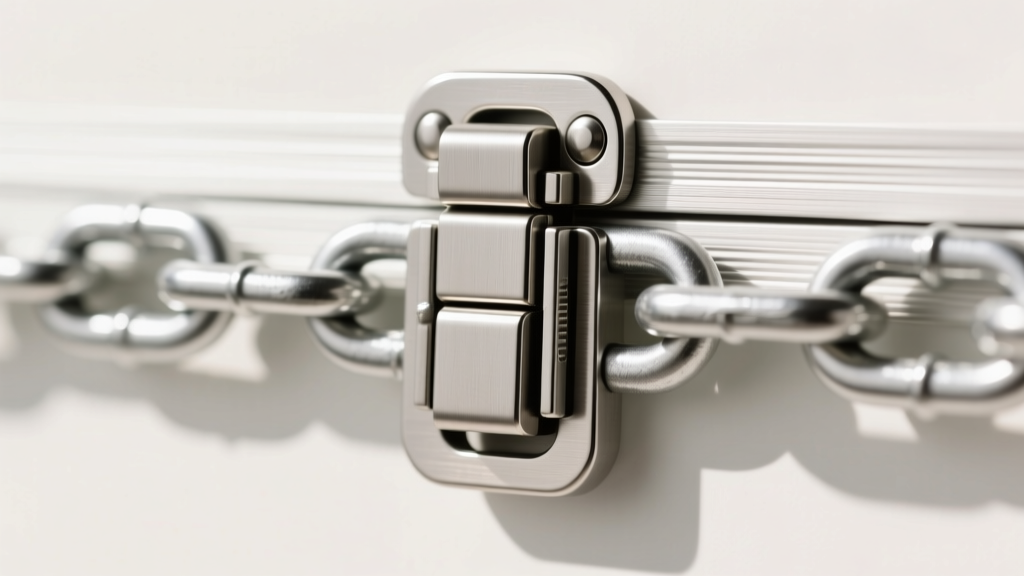
The Fix: Take your chain to a professional bench jeweler and have the original clasp cut off. Request a Figure-8 Safety Box Clasp soldered in place. This clasp features a primary folding tongue that locks into a box, backed by a secondary wire safety latch that hinges over the top. It is mechanically impossible for this clasp to open under dynamic tension.
Hair Snagging and Friction: Smoothing the Inner Links
Thick curb and Cuban chains are notorious for pulling chest and neck hair. This occurs because mass-produced heavy chains often feature 'diamond-cut' facets or sharp inner stamping burrs that act like tiny razors against body hair. If your necklace is causing friction burns or pulling hair, the troubleshooting solution is mechanical smoothing.
Do not attempt to sand the links yourself, as this will ruin the structural integrity and visual symmetry of the chain. Instead, a jeweler can run the chain through a magnetic tumbler with stainless steel shot. This process burnishes the inner crevices of the links, smoothing out microscopic burrs and stamping marks without removing any actual silver weight or altering the outer diamond-cut facets.
Sourcing and Hallmark Verification
Because heavy silver chains require a massive amount of raw material, they are prime targets for counterfeiters who silver-plate brass or steel cores. With silver spot prices fluctuating through 2026, a legitimate 180-gram solid 925 chain will have a raw melt value alone that dictates a high retail floor. If you find a 'solid' 12mm chain selling for under $150, it is almost certainly plated.
Always verify the hallmark. According to the London Assay Office, authentic sterling silver must bear a recognized 925 stamp, often accompanied by a maker's mark. Use a neodymium magnet to test the chain; while silver is diamagnetic (meaning it won't stick to a magnet), a heavy chain that actively pulls toward the magnet contains a ferromagnetic steel core. Invest in the proper hardware, maintain the links, and the iconic heavy silver aesthetic will last a lifetime without the physical drawbacks.
Expert Tip: When storing a heavy 12mm+ chain, never hang it on a standard jewelry hook. The sheer weight will cause the top links to stretch and warp over time. Always lay the chain flat in a felt-lined drawer or coil it loosely in an anti-tarnish ziplock bag.


