Best Necklace with Square Neck Links: Material Comparison
Compare metals for your necklace with square neck links. Discover durability, edge wear, and pricing for titanium, steel, and gold box chains.

The Geometry of Square Profiles: Why Material Dictates Longevity
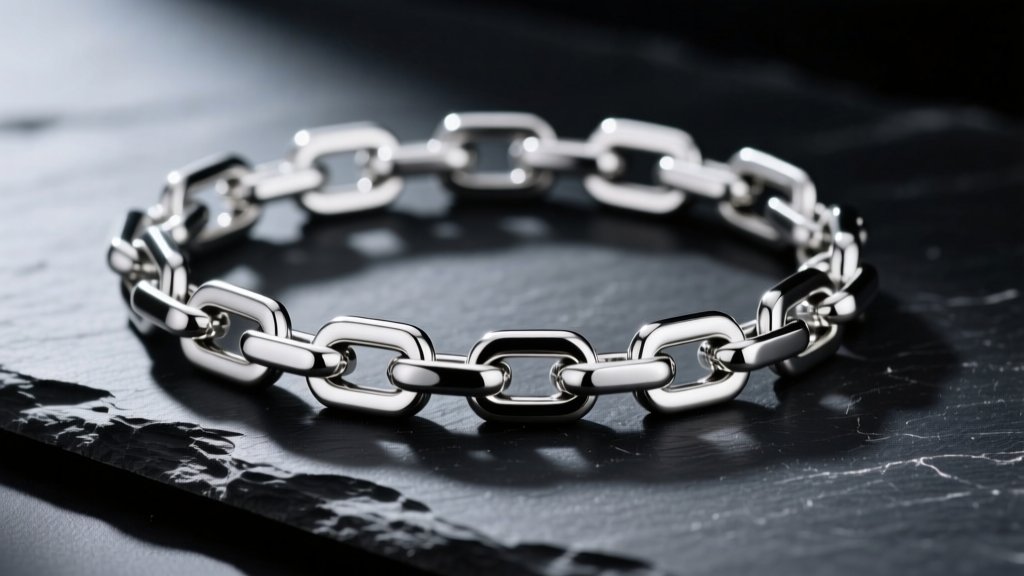
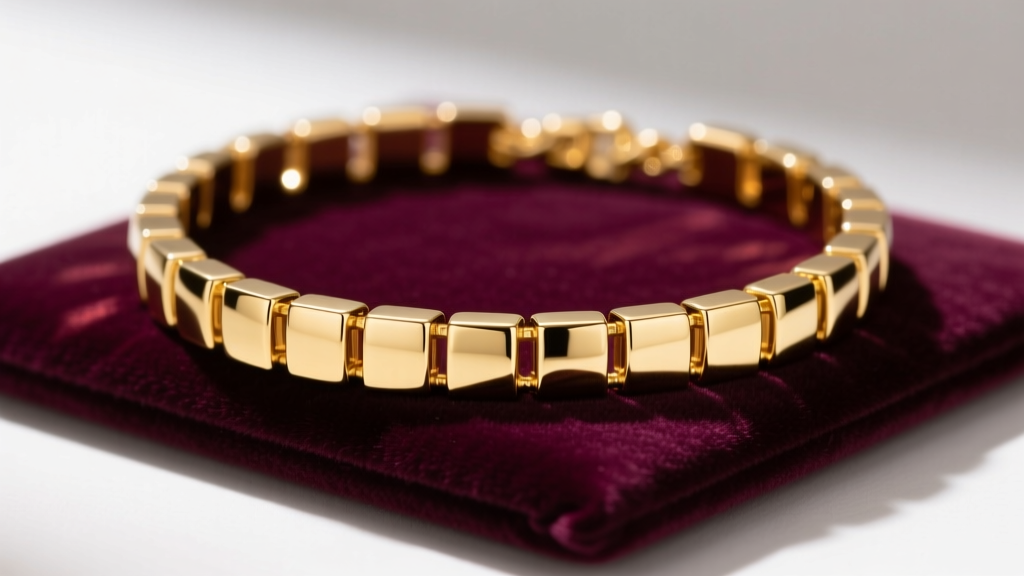
When jewelry designers and collectors discuss a necklace with square neck links, they are typically referring to chains with geometric, 90-degree profiles—such as box chains, square cable chains, or square-profile Cuban links. Unlike traditional round or oval links that distribute friction evenly across a curved surface, square links feature flat planes and sharp corners. This distinct architecture creates a striking, modern aesthetic that catches light beautifully, but it also introduces specific structural vulnerabilities. The corners and edges of square links are primary contact points, making them highly susceptible to edge wear, rounding, and micro-denting over time.
Choosing the correct metallurgical composition is not merely a matter of color preference or budget; it is a critical decision that determines whether your chain will retain its crisp, architectural lines or degrade into a soft, rounded silhouette. According to manufacturing data presented at the Santa Fe Symposium, the Vickers Hardness (HV) of a metal alloy directly correlates to its ability to maintain sharp geometric edges under daily tensile and abrasive stress. In this comprehensive guide, we break down the exact material properties, failure modes, and maintenance protocols for square-profile necklaces.
Metallurgical Breakdown: How Alloys Handle 90-Degree Edges
Not all precious and alternative metals behave equally when machined or cast into square profiles. Below, we analyze the top four materials used for geometric chains, evaluating their specific alloy compositions and edge-retention capabilities.
Grade 5 Titanium (Ti-6Al-4V)
For the ultimate edge retention, Grade 5 Titanium is the undisputed champion. Alloyed with 6% aluminum and 4% vanadium, this aerospace-grade metal boasts a Vickers Hardness of approximately 334 HV. A necklace with square neck links crafted from Grade 5 Titanium will virtually never lose its sharp corners, even after decades of daily wear. The metal is highly resistant to micro-scratches and completely impervious to tarnish. However, its extreme hardness means that resizing or repairing a broken square link requires specialized laser welding equipment, as traditional torch soldering cannot achieve the necessary localized heat without warping the surrounding geometry.
316L Surgical Stainless Steel
316L stainless steel is a low-carbon alloy containing molybdenum, which provides exceptional resistance to corrosion and oxidation. With a Vickers Hardness ranging from 150 to 190 HV, it offers excellent durability for everyday wear at a fraction of the cost of precious metals. Square box chains made from 316L steel maintain their structural integrity well, though the extreme edges may experience microscopic rounding after 5 to 7 years of continuous friction. It is an ideal choice for heavy, square-profile Cuban links where the weight of the chain would cause softer metals to stretch and deform at the soldering points.
Solid 14k vs. 18k Gold
When investing in a gold chain with square links, the karat weight drastically alters the chain's lifespan. Pure 24k gold is far too soft (HV ~25) for geometric links and will dent upon impact. 18k gold (75% pure gold) has an HV of roughly 110 to 120, which is acceptable for occasional wear but prone to edge softening over time. According to the Gemological Institute of America (GIA), 14k gold (58.5% pure gold, alloyed with copper, silver, and zinc) achieves an HV of 130 to 150. This increased hardness makes 14k gold the superior choice for a necklace with square neck geometry, ensuring the flat planes remain crisp and the corner joints resist pulling apart under tension.
Sterling Silver and Argentium Alternatives
Traditional 925 Sterling Silver is notoriously soft, with an HV of just 60 to 70. If crafted into sharp square links, the edges will quickly round off, and the flat surfaces will accumulate a web of fine scratches that dull the metal's reflectivity. For silver square chains, jewelers increasingly turn to Argentium Silver, an alloy that replaces some of the copper with germanium. Argentium boasts a higher hardness (up to 90 HV when heat-treated) and exceptional tarnish resistance, making it a much more viable candidate for maintaining the pristine look of geometric silver jewelry.
Material Performance & Edge Retention Matrix
To help you make an informed purchasing decision, we have compiled a comparative matrix detailing the physical properties of these metals specifically in the context of square-link manufacturing.
| Metal Alloy | Vickers Hardness (HV) | Edge Retention Rating | Soldering / Repair Method | Avg. Cost per Gram (2026) |
|---|---|---|---|---|
| Grade 5 Titanium | 334 | Exceptional | Laser Welding Only | $0.15 - $0.30 |
| 316L Stainless Steel | 150 - 190 | Very Good | TIG / Laser Welding | $0.05 - $0.10 |
| Solid 14k Gold | 130 - 150 | Good | Torch / Laser Soldering | $45.00 - $55.00 |
| Solid 18k Gold | 110 - 120 | Fair | Torch Soldering | $60.00 - $72.00 |
| Argentium 960 Silver | 85 - 95 | Moderate | Torch Soldering | $1.20 - $1.80 |
Clasp Mechanics and Soldering Integrity in Square Chains
The structural integrity of a necklace with square neck links relies heavily on the clasp mechanism and the soldering technique used during assembly. Standard spring-ring or lobster clasps disrupt the visual continuity of a geometric chain and create uneven stress points. Instead, high-end square chains utilize hidden box clasps or tongue-and-groove mechanisms that are custom-machined to match the exact millimeter dimensions of the square links. This ensures the clasp bears the tensile load evenly across the entire cross-section of the terminal link.
Furthermore, the soldering of square links requires absolute precision. In traditional round cable chains, a slight excess of solder is easily filed and polished away without altering the link's shape. In square box chains, however, excess solder will pool in the 90-degree interior corners, creating weak points and visual blemishes. Master jewelers use laser welding to fuse square links without the need for traditional solder paste, resulting in a seamless joint that retains the exact geometric tolerance of the original CAD design.
Styling Square Pendants and Necklines
Beyond the chain itself, the term "square neck" frequently intersects with fashion styling, specifically regarding how geometric pendants interact with square necklines on clothing. A square neckline on a dress or top creates a strong, horizontal architectural frame across the collarbone and upper chest. To complement this, a necklace with square neck pendants—such as a geometric bar, a square-cut locket, or a minimalist cubic zirconia station necklace—echoes the garment's structural lines.
When pairing these elements, length is paramount. A 16-inch choker length will sit directly inside the square neckline, emphasizing the geometry, while an 18-inch princess length will rest just below the hem of the neckline, creating a layered, cascading effect. Avoid overly ornate or circular pendants, as they will visually clash with the sharp, tailored angles of the square fabric cut. Opt for matte-finished metals or brushed titanium pendants to provide a subtle textural contrast to the fabric without overwhelming the silhouette.

Maintenance: Polishing Without Rounding the Corners
Maintaining the high-polish finish of a square chain requires specialized techniques. The most common mistake consumers make is using soft, treated jewelry cloths or taking the piece to a jeweler who uses soft muslin polishing wheels. Soft polishing mediums naturally wrap around edges, aggressively wearing down the sharp 90-degree corners of square links and transforming them into rounded ovals over time.
The Correct Polishing Protocol
To restore the luster of a square chain while preserving its geometry, the metal must be polished using hard-backed materials. Jewelers should use wooden dowels or hard felt wheels wrapped in polishing paper infused with aluminum oxide or diamond paste. This allows for the precise application of friction exclusively to the flat planes of the links. For at-home maintenance, utilize a flat polishing stick with a rigid backing rather than a flexible cloth. Additionally, ultrasonic cleaners are highly effective for removing sebum and lotion buildup from the tight interior corners of box chains, provided the chain does not feature tension-set gemstones that could be vibrated loose by the high-frequency sound waves.
Final Verdict on Material Selection
Selecting the right metal for your geometric jewelry is an exercise in balancing budget, aesthetics, and structural engineering. If your priority is absolute edge retention and a modern, lightweight feel, Grade 5 Titanium is unmatched. For those seeking the prestige and warmth of precious metals, 14k gold offers the necessary hardness to maintain square profiles far better than higher-karat alternatives. By understanding the Vickers Hardness and specific failure modes of these alloys, you can invest in a chain that remains as sharp and architecturally stunning on its tenth anniversary as it was on the day it was forged.


