The Necklace by Guy de Maupassant Summary & Jewelry Care Guide
Explore The Necklace by Guy de Maupassant summary alongside expert jewelry care tips for fine diamonds and vintage paste costume pieces.

The Necklace by Guy de Maupassant Summary: A Cautionary Tale
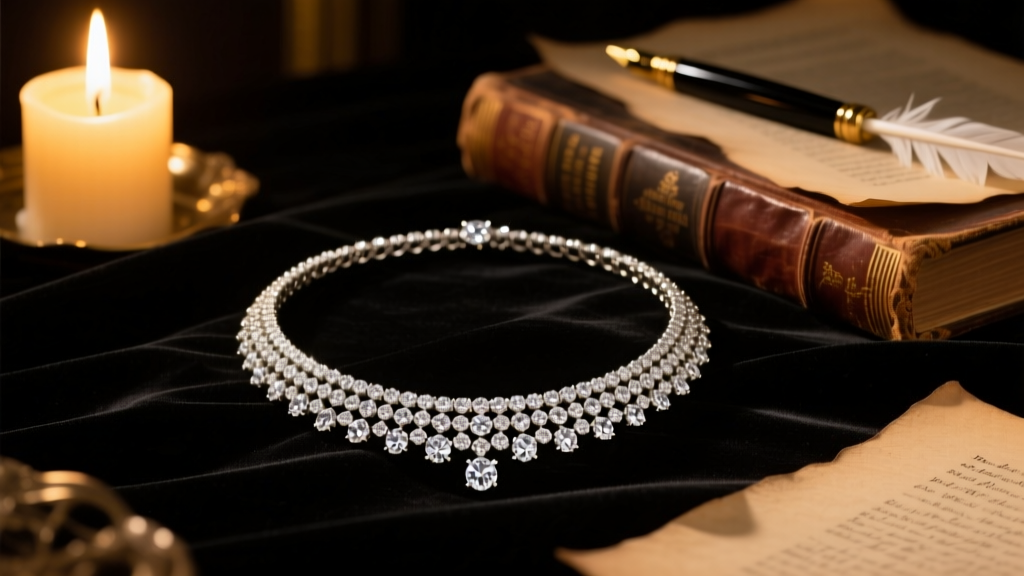
When discussing the cultural impact of jewelry in literature, no story resonates quite like the tragic tale of Mathilde Loisel. If you are searching for the necklace by guy de maupassant summary, you are likely familiar with the devastating twist that defines this 1884 masterpiece. Mathilde, a woman dissatisfied with her middle-class life, borrows what she believes to be a stunning diamond necklace from her wealthy friend, Madame Forestier, to wear to a high-society ball. After losing the necklace, Mathilde and her husband plunge into a decade of grueling poverty to repay the massive debt incurred to purchase a 36,000-franc diamond replacement. The story's infamous final line reveals that the original borrowed piece was merely 'paste'—costume jewelry made of glass and base metals, worth at most 500 francs.
While Maupassant's story is a critique of vanity and pride, for modern jewelry enthusiasts and collectors, it serves as a profound cautionary tale about material identification, valuation, and proper care. In 2026, the line between high-end fine jewelry and premium costume pieces can still deceive the untrained eye. Understanding the fundamental differences in how these materials react to environmental stressors, cleaning agents, and daily wear is essential to preserving both your financial investment and your sentimental treasures.
Paste vs. Precious: Identifying Your Necklace Materials
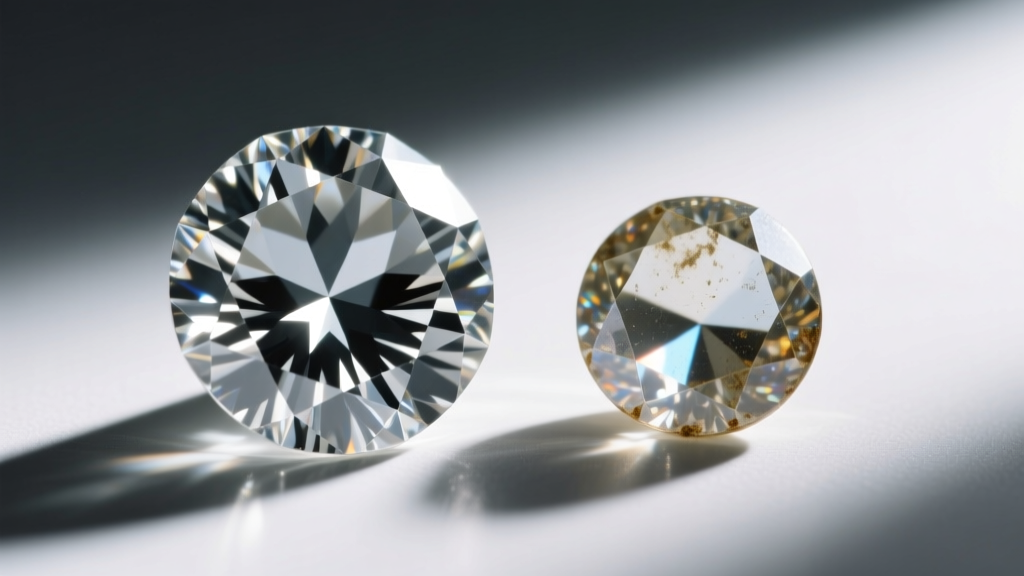
Before applying any cleaning solution or ultrasonic frequency to your necklace, you must definitively identify its core materials. The tragedy of Mathilde Loisel could have been avoided with a simple loupe inspection and an understanding of gemological properties. Below is a comparative framework to help you distinguish between fine diamond jewelry and vintage paste alternatives.
| Feature | Fine Diamond & Gold Necklaces | Vintage Paste & Costume Necklaces |
|---|---|---|
| Core Material | Carbon crystal (10 on Mohs scale), 14k/18k gold, or platinum. | High-lead glass (Strass), rhinestones, brass, or pot metal. |
| Light Refraction | Sharp, singular refraction with intense fire and scintillation. | Softer, sometimes double refraction; relies on metallic foil backing for sparkle. |
| Setting Style | Open-back prong or bezel settings to allow light passage. | Closed-back settings to protect the silvered or gold foil backing. |
| Water Reaction | Highly resistant; safe for brief aqueous cleaning. | Highly vulnerable; moisture destroys the foil backing, causing blackening. |
| Thermal Shock | Diamonds resist heat, but fracture-filled stones can cloud. | Extreme temperature changes can crack the glass or melt adhesive glues. |
According to the Gemological Institute of America (GIA), even genuine diamonds require specific care protocols, particularly if they have undergone clarity enhancements. However, the rules of engagement change entirely when dealing with the 'paste' jewelry that doomed Mathilde Loisel.
Care Protocols for Fine Diamond and Gold Necklaces
If your necklace consists of natural or lab-grown diamonds set in solid gold or platinum, your maintenance routine should focus on removing sebum, cosmetic buildup, and environmental dust that dull the stone's brilliance. Diamonds are lipophilic, meaning they naturally attract and hold onto oils from your skin and lotions, which creates a filmy barrier that stifles light return.
The 2026 Standard for At-Home Diamond Cleaning
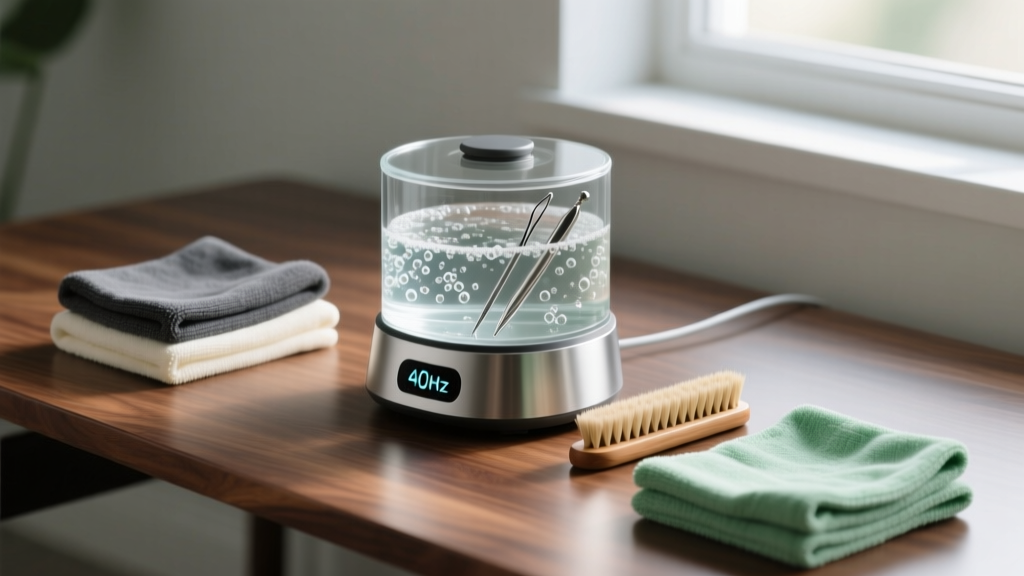
Forget harsh commercial dips that contain undisclosed abrasive chemicals. The most effective, jeweler-approved at-home cleaning solution remains a simple mixture of warm distilled water and a few drops of mild, ammonia-based dish soap (or a 1:6 ratio of ammonia to water). Soak the necklace for 15 to 20 minutes to loosen debris. Next, use a soft, untreated horsehair brush or a dedicated baby toothbrush to gently agitate the pavilion (the underside of the diamond), where lotion and dead skin cells accumulate. Rinse thoroughly under lukewarm running water, ensuring the drain is securely plugged, and pat dry with a lint-free microfiber cloth.
Ultrasonic Cleaners: A Warning for Enhanced Stones
While a 40kHz ultrasonic cleaner is a marvel for removing microscopic dirt from heavy platinum chain links and intricate pavé settings, it is not universally safe. If your diamond has been fracture-filled with a glass-like resin to improve its apparent clarity, the high-frequency vibrations and heat of an ultrasonic bath can boil the filler, leaving the stone permanently cloudy. Always verify your diamond's treatment status with a certified gemologist before utilizing ultrasonic technology.
Preserving 'Paste': Cleaning Vintage Costume Jewelry
The 'paste' necklace that Madame Forestier lent to Mathilde was likely crafted using 'Strass'—a high-lead glass invented by Georges Frédéric Strass in the 18th century to mimic diamonds. Vintage paste jewelry relies on a delicate metallic foil applied to the back of the glass to reflect light. This foil is exceptionally vulnerable to moisture, oxidation, and chemical cleaners.
The Golden Rule: Never Submerge Paste Jewelry
According to conservation guidelines from the Victoria and Albert Museum, water is the ultimate enemy of vintage costume jewelry. Submerging a paste necklace will cause water to seep into the closed-back settings, oxidizing the silvered foil and turning the once-brilliant 'diamonds' into dull, blackened stones. Furthermore, many vintage pieces rely on organic glues or shellac to secure the stones; modern solvents and even warm soapy water will dissolve these adhesives, causing stones to drop out.
Dry Cleaning Techniques for Rhinestones and Paste
To clean vintage paste or rhinestone necklaces, you must rely on mechanical, dry-cleaning methods. Use a soft, dry microfiber cloth to gently buff the surface of the stones. For stubborn grime in the crevices of the setting, use a wooden toothpick or a dry, soft-bristled makeup brush to dislodge dust. If a stone is exceptionally cloudy due to surface oils, you may barely dampen a cotton swab with isopropyl alcohol and carefully wipe the top of the stone, taking extreme care not to let any liquid seep down the sides into the foil backing. Allow it to air-dry immediately.
Archival Storage: Preventing the Ten-Year Debt
Mathilde Loisel's decade of ruin was triggered by a loss that could have been mitigated by proper handling and secure storage. Whether you are storing a $50,000 platinum diamond rivière or a $50 vintage diamante choker, archival storage practices are non-negotiable to prevent scratching, tangling, and chemical degradation.
- Individual Compartments: Diamonds can scratch gold, platinum, and certainly glass paste. Always store necklaces individually in soft, acid-free tissue paper or lined jewelry boxes to prevent the chains from tangling and the pendants from abrading one another.
- Anti-Tarnish Solutions: For silver and base-metal costume jewelry, incorporate activated charcoal or specialized anti-tarnish strips (such as 3M Silver Protector) into your storage drawers. These strips absorb airborne sulfur compounds that cause rapid oxidation.
- Humidity Control: Store your jewelry in a climate-controlled environment. High humidity accelerates the tarnishing of silver foil backing in paste jewelry and can cause organic gemstones (like pearls or amber) to crack or craze. Aim for a relative humidity of 40-50%.
- Avoid PVC Plastics: Never store fine or costume jewelry in standard plastic zip-lock bags made of polyvinyl chloride (PVC). PVC off-gasses chemicals that can permanently pit and discolor metals and degrade the surface of certain gemstones over time.
Conclusion: Know What You Wear
The enduring legacy of Maupassant's story is a reminder that true value lies not just in the monetary cost of an object, but in our understanding and appreciation of it. By mastering the specific care, maintenance, and cleaning protocols required for both fine diamonds and vintage paste jewelry, you ensure that your collection remains brilliant, intact, and accurately valued for generations to come. Do not let ignorance of your materials cost you a decade of hardship; care for your jewelry with the expertise it deserves.


