Copper Necklace for Health: Metallurgy, Myths, and Skin Science
Explore the science behind wearing a copper necklace for health. We analyze metallurgy, transdermal absorption, oxidation, and skin reactions.

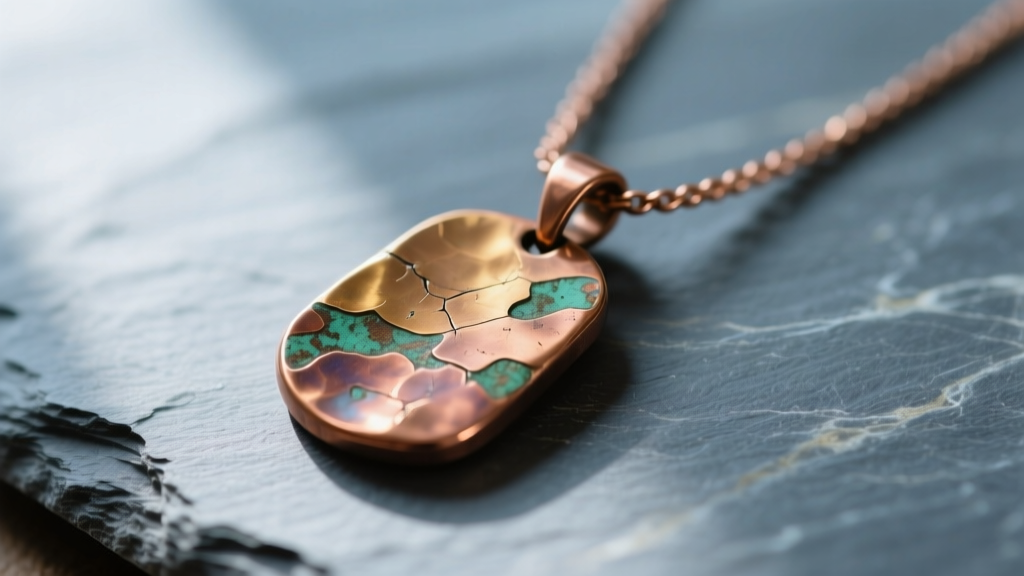
The wellness jewelry market has seen a massive resurgence in holistic accessories, but few items carry the historical weight and scientific debate of the copper necklace for health. From ancient Egyptian amulets to modern magnetic therapy trends, copper has long been touted as a remedy for joint pain, inflammation, and arthritis. But as jewelry experts and metallurgists, we must look past the marketing claims and examine the actual science, material grades, and chemical reactions that occur when raw copper meets human skin.
In this deep dive, we will explore the metallurgical specifications of therapeutic copper, the reality of transdermal absorption, the chemistry behind the infamous 'green skin' effect, and how to select the right piece for your biological and aesthetic needs in 2026.
The Metallurgy of Therapeutic Copper Jewelry
Not all copper jewelry is created equal. When evaluating a copper necklace for health benefits, the purity of the metal is the single most critical factor. In metallurgy, copper is classified by its alloy composition and temper. For therapeutic claims to hold any theoretical weight, the jewelry must be crafted from commercially pure copper, specifically C11000 (Electrolytic Tough Pitch or ETP copper).
Pure Copper vs. Copper Alloys
C11000 ETP copper contains a minimum of 99.9% copper and up to 0.04% oxygen. This high purity ensures maximum galvanic reactivity with the skin's surface. Conversely, many mass-market 'copper' necklaces are actually crafted from brass (an alloy of copper and zinc) or bronze (copper and tin). While these alloys are highly durable and resistant to tarnish, the introduction of zinc or tin fundamentally alters the metal's oxidation rate and its ability to release trace copper ions. If your primary goal is therapeutic transdermal absorption, brass and bronze are functionally inert compared to pure C11000 copper.
Transdermal Absorption: Separating Science from Pseudoscience
The core premise behind wearing a copper necklace for health is transdermal absorption—the idea that trace amounts of copper ions dissolve in sweat, penetrate the stratum corneum (the outermost layer of skin), and enter the bloodstream to reduce systemic inflammation. Copper is indeed an essential trace mineral required for enzymatic function, bone health, and red blood cell formation.
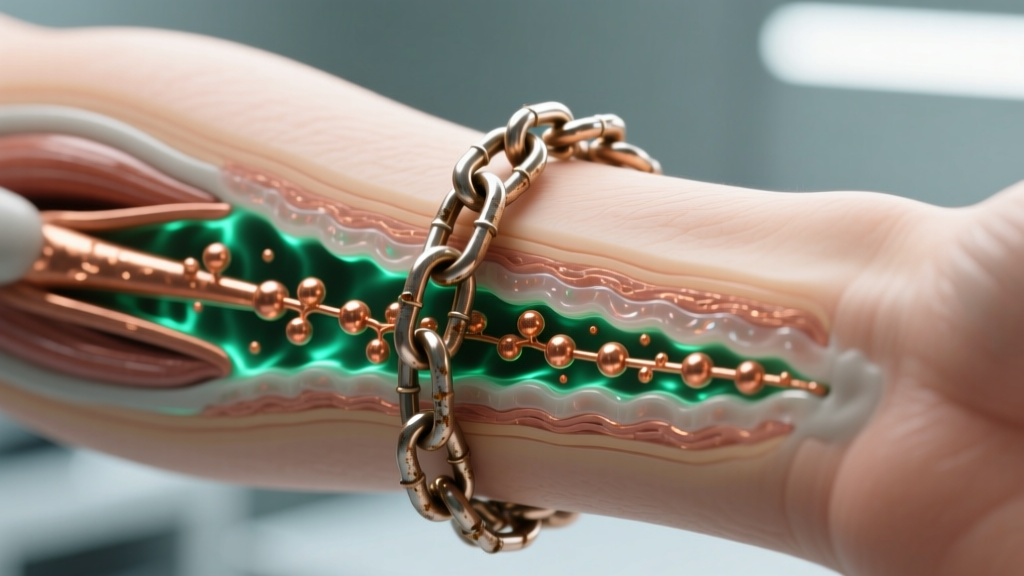
What the Clinical Data Says
Despite the biological necessity of copper, clinical rheumatology offers a sobering perspective on copper jewelry. A landmark randomized, placebo-controlled crossover trial published in the National Institutes of Health (NIH) evaluated the efficacy of copper bracelets and magnetic wrist straps for rheumatoid arthritis. The study concluded that copper jewelry provides no statistically significant clinical benefit over placebo devices in reducing pain or swelling.
Furthermore, the Arthritis Foundation maintains that while copper deficiency can cause health issues, the average person absorbs more than enough copper through a standard diet (nuts, seeds, leafy greens, and organ meats). The microgram quantities potentially absorbed through the skin via a copper necklace are negligible compared to dietary intake and are unlikely to alter systemic inflammation markers.
Expert Insight: While the clinical data debunks copper as a primary medical treatment for arthritis, the placebo effect in pain management is a well-documented, powerful neurological phenomenon. If wearing a beautifully crafted copper necklace improves your subjective well-being and serves as a mindful focal point, it holds undeniable psychological value.
The Oxidation Factor: Patina, Verdigris, and the 'Green Skin' Myth
The most common complaint from first-time buyers of raw copper jewelry is the green discoloration left on the skin. In holistic wellness circles, this is frequently (and incorrectly) marketed as 'toxins leaving the body' or a sign that the copper is 'working.' As a matter of basic chemistry, this is entirely false.
The Chemistry of Copper Chloride
Human sweat is mildly acidic, with a pH typically ranging from 4.5 to 7.0, and contains water, salts, and chloride ions. When pure copper (Cu) is exposed to oxygen, moisture, and chloride, it undergoes a galvanic reaction to form copper chloride (CuCl2) and copper carbonate. Copper chloride is a water-soluble, bright green compound. As you sweat, this compound dissolves and transfers to the epidermis, staining the skin green.
The rate of this reaction depends heavily on your individual body chemistry:
- Highly Acidic Sweat (Low pH): Accelerates oxidation, leading to rapid green staining and a faster buildup of dark patina on the necklace.
- Alkaline Sweat (Higher pH): Results in slower oxidation; the copper may remain bright for weeks, and skin staining is minimal.
- Diet and Environment: High-sodium diets, sulfur-rich foods, and humid environments all act as catalysts for copper oxidation.
Technical Specifications: The Sealing Paradox
To combat the green skin effect, many modern jewelers apply polymer sealants to their copper pieces. This creates a massive paradox for those seeking a copper necklace for health. Below is a technical comparison of raw versus sealed copper configurations.
| Specification | Raw C11000 Copper | Polymer-Sealed Copper | Brass / Bronze Alloy |
|---|---|---|---|
| Purity | 99.9% Copper | 99.9% Copper (Coated) | 60-85% Copper |
| Skin Staining | High (Green CuCl2) | None | Low to Moderate |
| Transdermal Potential | Active (Ions released) | Blocked (Zero absorption) | Negligible |
| Maintenance | High (Requires polishing) | Low (Wash with soap) | Low (Occasional polish) |
| Aesthetic Aging | Develops dark patina | Retains bright finish | Tarnishes slowly |
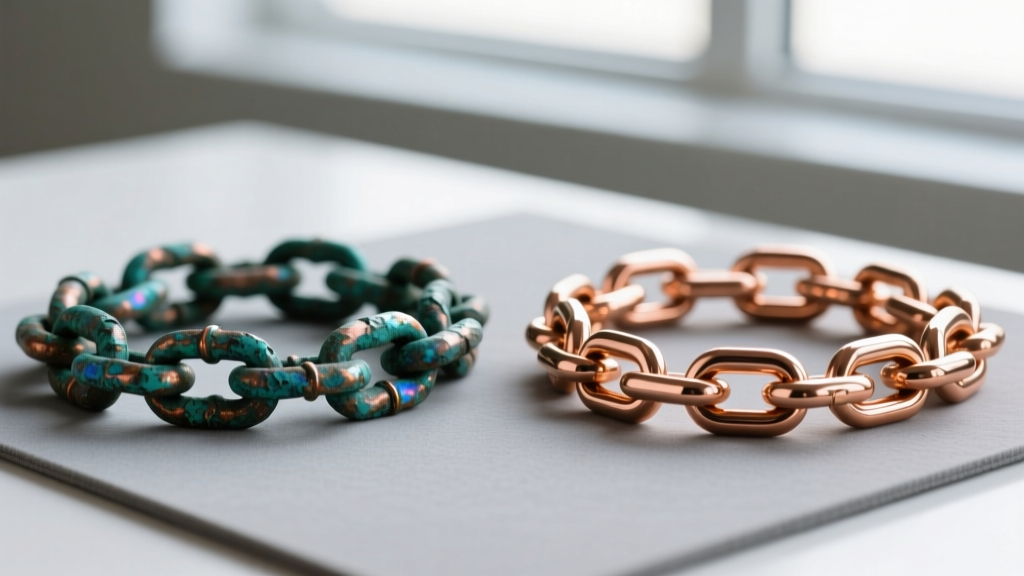
As the table illustrates, if you seal the copper with a product like Everbrite ProtectaClear or Renaissance Wax to prevent green skin, you create an impermeable barrier. This barrier completely halts the galvanic reaction, meaning zero copper ions can reach your skin. Therefore, a sealed copper necklace offers absolutely zero theoretical health benefits; it is purely an aesthetic accessory. If you are committed to the transdermal theory, you must accept the maintenance and skin staining inherent to raw, unsealed C11000 copper.
Maintenance and Care Protocols for Raw Copper
If you choose to wear raw copper for its purported holistic benefits, you must manage the oxidation layer. A heavy, flaky verdigris (copper carbonate) buildup can be irritating to the skin and degrade the structural integrity of fine chain links over time. Here is the expert-approved protocol for maintaining raw copper:
The Citric Acid Bath
Never use harsh commercial silver dips or abrasive pastes on pure copper, as they can cause micro-pitting. Instead, utilize a mild acidic solution.
- Mix 1 cup of distilled white vinegar or fresh lemon juice with 1 tablespoon of non-iodized salt.
- Submerge the copper necklace for exactly 3 to 5 minutes. The acetic/citric acid will dissolve the copper oxide layer, while the salt acts as a mild catalyst.
- Remove the necklace and immediately neutralize the acid by rinsing thoroughly under warm water with a drop of pH-neutral dish soap.
- Dry completely with a microfiber cloth. Any trapped moisture will cause instant re-oxidation.
Managing Skin Staining
If the green copper chloride transfers to your neck, do not scrub the skin aggressively. Simply wash the area with warm water and a mild exfoliating soap. The stain is entirely non-toxic and superficial, sitting only on the dead cells of the stratum corneum. It will wash away within a day or two.
Final Verdict: Should You Wear It?
From a strict medical and rheumatological standpoint, a copper necklace for health is a misnomer; clinical data does not support copper jewelry as a viable treatment for inflammation or arthritis. However, jewelry serves purposes far beyond clinical utility. Copper is a remarkably warm, dynamic, and historically rich material that ages beautifully with the wearer.
If you appreciate the organic, ever-changing patina of raw metals and enjoy the mindfulness that holistic accessories bring to your daily routine, a high-purity C11000 copper necklace is a worthwhile investment. Just ensure you are buying from a metallurgically transparent jeweler who guarantees 99.9% pure ETP copper, rather than mass-market brass masquerading as therapeutic wear. Embrace the chemistry, understand the science, and wear your copper with informed confidence.


