How to Clean and Care for Your Mustard Seed Cross Necklace
Learn expert cleaning and maintenance tips for your mustard seed cross necklace. Protect the glass vial, preserve the seal, and prevent chain tarnish.

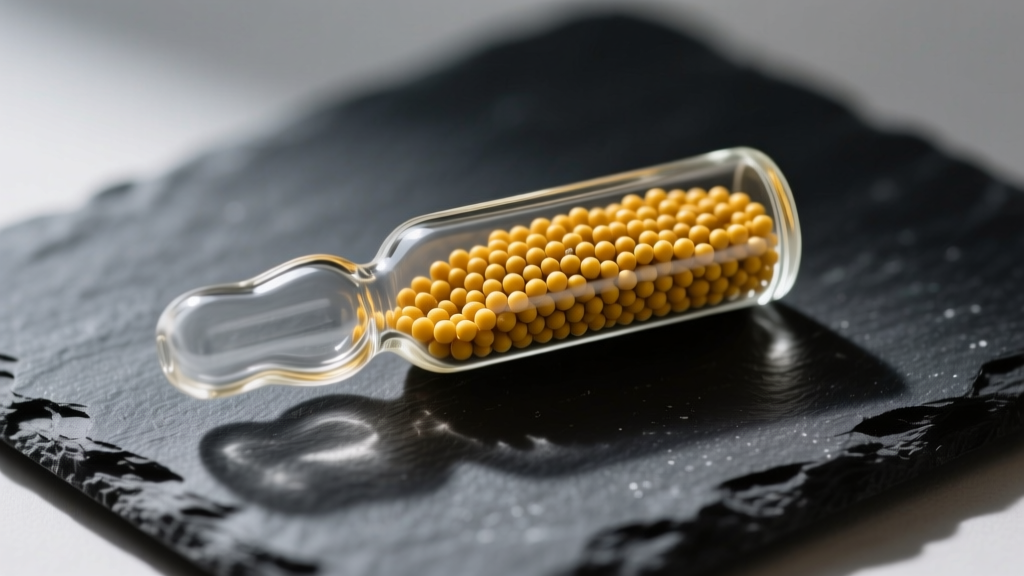
The Unique Anatomy of a Mustard Seed Cross Necklace
A mustard seed cross necklace is more than just a symbol of faith and potential; it is a complex intersection of botany, glassblowing, and metallurgy. Unlike solid metal pendants, these pieces feature a delicate glass vial—often shaped like a cross or housing a cross-shaped insert—containing actual organic mustard seeds (Brassica juncea or Sinapis alba). This unique construction requires a highly specialized approach to care and maintenance.
Standard jewelry cleaning methods that work perfectly for solid gold or sterling silver can instantly destroy a mustard seed pendant. The vulnerability lies in the pendant's seal. The glass vial is typically stoppered with natural cork or a glass bead, then sealed with a jeweler's epoxy or UV-cured resin. If this seal is compromised by harsh chemicals or extreme temperatures, moisture breaches the vial. Once inside, the dehydrated seeds absorb the water, expanding by up to 30% in volume. This internal hydrostatic pressure will inevitably shatter the glass cross from the inside out, ruining both the pendant and the botanical specimen within.
The Material Science of the Glass and Seal
Most artisan-crafted mustard seed cross pendants utilize either borosilicate glass or soda-lime glass. Borosilicate is highly resistant to thermal shock, while soda-lime is more common but brittle. The sealing resin is typically a two-part clear epoxy or a cyanoacrylate-based UV resin. According to conservation guidelines from the Gemological Institute of America (GIA), organic resins are highly susceptible to degradation from ammonia, alcohol, and chlorine. Exposing your necklace to standard silver dips or window cleaners will cause the resin to undergo photo-oxidation and chemical breakdown, leading to micro-fractures in the seal.
Step-by-Step Safe Cleaning Protocol
To clean your mustard seed cross necklace without risking the integrity of the vial or the organic matter inside, follow this strict, non-invasive protocol:
- Isolate the Chain: Unclasp the necklace and thread the chain through a small piece of cardboard or a specialized jewelry cleaning bib. This allows you to clean the metal chain without exposing the glass pendant to moisture or polishing compounds.
- Clean the Glass Vial: Never submerge the cross pendant in water. Instead, use a dry, ultra-fine microfiber cloth (preferably one with a GSM of 300 or higher) to gently buff the glass. If there are stubborn skin oils or fingerprints, slightly dampen a corner of the cloth with distilled water—never tap water, as the minerals can leave microscopic scratches on softer soda-lime glass.
- Address the Bail and Jump Ring: The connection point between the chain and the glass vial (the bail) is a dirt trap. Use a dry, soft-bristled makeup brush to gently sweep away dust and dead skin cells from the crevices around the resin seal.
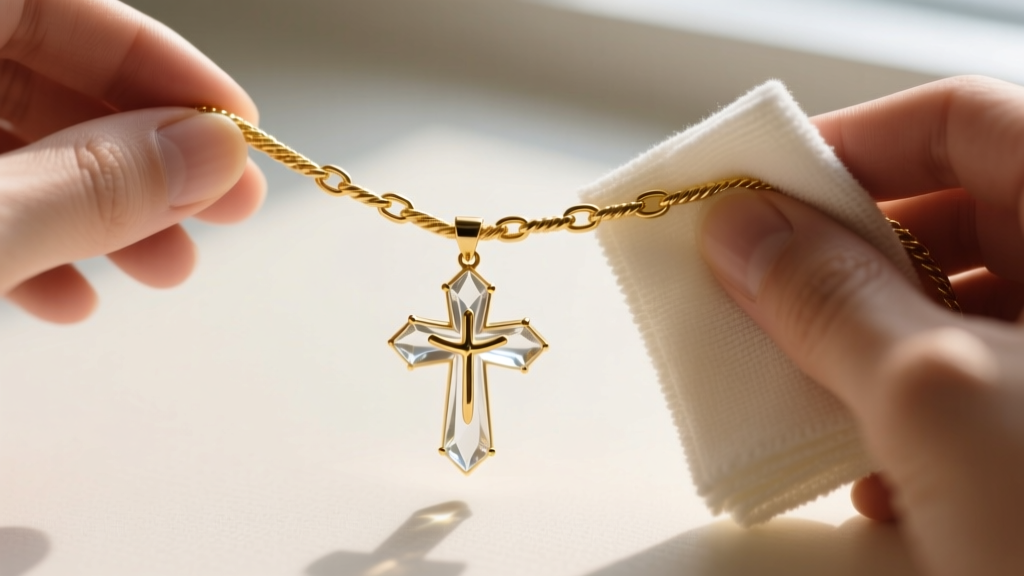
The Physics of Ultrasonic Cleaners: A Fatal Mistake
Never place a mustard seed cross necklace in an ultrasonic jewelry cleaner. Ultrasonic cleaners operate by generating high-frequency sound waves (typically between 35 kHz and 45 kHz) in a liquid medium, creating millions of microscopic cavitation bubbles. When these bubbles implode against the surface of the jewelry, they release intense localized shockwaves.
While this is excellent for dislodging dirt from diamond prongs, it is catastrophic for glass vials. The cross shape of the pendant introduces geometric stress concentrators at the inner 90-degree angles. The acoustic shockwaves will exploit these stress points, causing immediate structural failure. Furthermore, the high-frequency vibrations will shatter the brittle resin seal, guaranteeing moisture intrusion and subsequent mold growth on the seeds.
Troubleshooting Seal Degradation and Moisture Intrusion
Even with meticulous care, environmental factors can degrade the seal over time. Here is how to identify and address common failure modes:
- Condensation Inside the Glass: If you see tiny water droplets inside the cross vial, the seal has failed. The seeds are now at risk of swelling and molding. Stop wearing the necklace immediately. A professional jeweler may be able to carefully drill out the old resin, bake the seeds at a low temperature (under 150°F) to remove moisture, and re-seal the vial with a fresh application of Devcon 5-Minute Epoxy.
- Yellowish Film on the Glass Interior: Mustard seeds contain natural volatile oils. If the necklace is frequently exposed to high heat (like hot showers or direct summer sunlight), these oils can leach out and coat the inside of the glass. This cannot be cleaned from the outside. Prevention is the only cure; always remove the necklace before bathing or sunbathing.
- Cloudy or Brittle Resin: If the sealant at the top of the cross looks yellowed or feels chalky, it is suffering from UV degradation. You can carefully apply a microscopic layer of clear nail polish or a specialized jewelry sealant over the existing resin using a 0.5mm micro-brush to buy time before a professional re-seal is required.
Chain Maintenance by Metal Type
The chain supporting your mustard seed cross requires care tailored to its specific metallurgy. The Jewelers of America recommends matching your polishing agents to the metal's specific tarnish profile. Below is a maintenance matrix for the most common chain types used with these pendants.
| Metal Type | Common Gauge | Tarnish Rate | Safe Cleaning Agent | Polish Frequency |
|---|---|---|---|---|
| Sterling Silver (925) | 18 - 20 Gauge | High | Treated Silver Polishing Cloth | Monthly |
| 14k Gold-Filled | 18 Gauge | Low | Mild Dish Soap & Water (Chain Only) | Bi-Annually |
| Solid 14k Gold | 16 - 18 Gauge | None | Warm Soapy Water | Annually |
| Raw Brass / Bronze | 20 Gauge | Very High | Lemon Juice & Salt Paste (Chain Only) | Monthly |
Note: When using any liquid or paste cleaner on the chain, ensure the mustard seed cross pendant is completely removed or suspended safely above the work area to prevent accidental chemical splash-back onto the glass or resin seal.
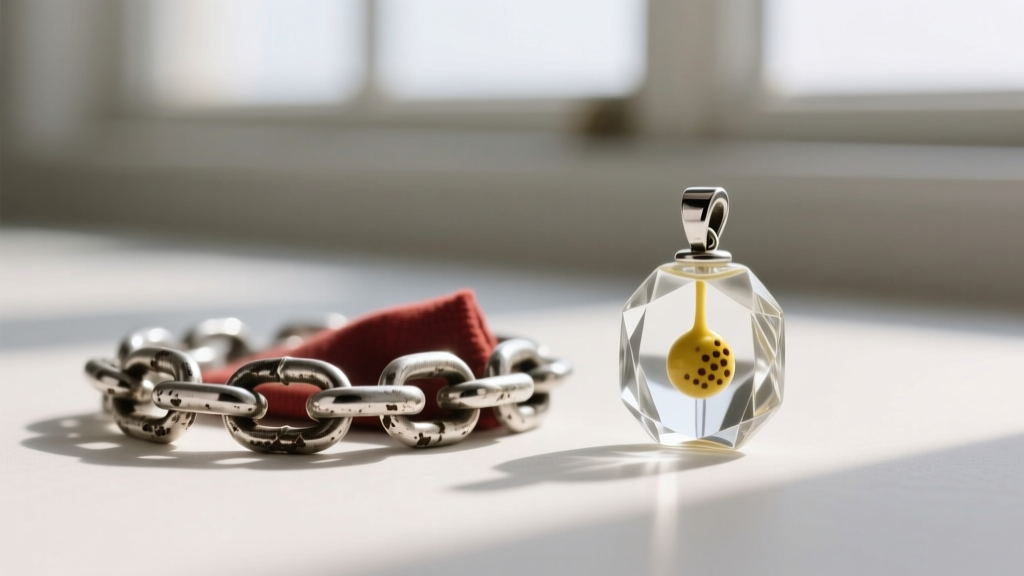
Proper Storage and Environmental Hazards
How you store your mustard seed cross necklace when it is not being worn is just as critical as how you clean it. The two primary enemies of this specific jewelry type are ultraviolet (UV) light and ambient humidity.
Prolonged exposure to direct sunlight will not only bleach the vibrant yellow color of the mustard seeds, turning them a dull gray, but it will also accelerate the photo-oxidation of the resin seal. Furthermore, high ambient humidity can slowly permeate microscopic gaps in an aging seal.
To ensure the longevity of your necklace, store it in an airtight, anti-tarnish ziplock bag (such as those lined with Pacific Silvercloth). Include a small, indicating silica gel desiccant packet inside the bag to maintain a relative humidity level below 40%. Keep the bag in a dark jewelry box or drawer, entirely shielded from UV exposure. By controlling the micro-climate around your necklace, you can preserve both the structural integrity of the glass cross and the botanical beauty of the seeds inside for decades.


