Pendants Hanging Like a Necklace: 2026 Occasion Gift Guide
Discover the perfect pendants hanging like a necklace for every 2026 occasion. Expert guide on bail types, chain weights, and milestone gift matching.

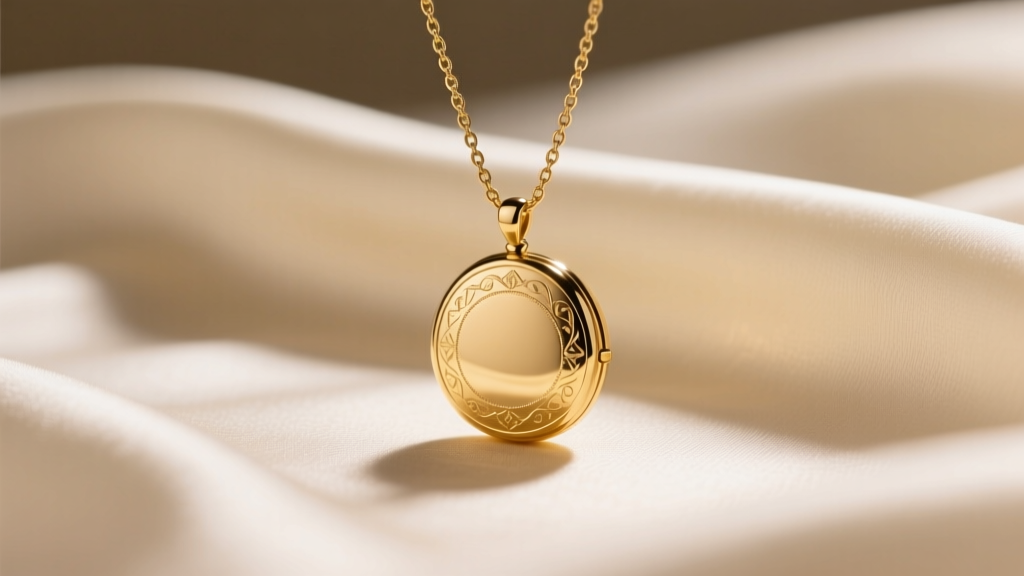
The Physics of the Drop: Why Pendant Mechanics Matter
When curating a fine jewelry gift, amateurs tend to focus solely on the carat weight of the gemstone or the general aesthetic of the chain. Experts, however, understand that the true magic lies in the physics of the piece hanging like a necklace. The way a pendant sits against the clavicle, its specific center of gravity, and the microscopic friction between the bail and the chain dictate both the aesthetic appeal and the structural longevity of the jewelry. For 2026, gifting a pendant is no longer just about picking a pretty stone; it is about engineering a flawless, balanced drop that complements the wearer's anatomy and lifestyle.
The bail—the small finding that connects the pendant body to the chain—is the unsung hero of necklace design. A poorly chosen bail will cause a beautiful, expensive sapphire to flip backward, hiding the stone against the wearer's skin and rendering the gift invisible. To prevent this, master jewelers utilize specific bail types based on the pendant's exact weight and the chain's gauge. According to the Jewelers of America, understanding metal hardness and finding compatibility is crucial for preventing premature wear, chain stretching, and ultimate failure in fine jewelry pieces.
Bail Types and Chain Compatibility
- Standard Loop Bail: Best for lightweight charms and small lockets (under 3 grams) on delicate 0.8mm to 1.2mm chains, such as standard cable or box chains. It offers a classic look but restricts the movement of heavier stones.
- Hidden (V-Bail) Setting: The chain threads directly through a tapered V-shaped channel drilled or cast into the pendant itself. This creates the stunning illusion of the stone floating on the chest, but it requires a highly flexible chain like a 1.5mm rope or wheat chain to navigate the tight internal curve without kinking.
- Tapered Tube Bail: Ideal for heavy gemstone drops or solid metal motifs (10+ grams). The tube slides over thicker chains (2.0mm to 3.0mm), distributing the weight evenly across multiple links and preventing the heavy pendant from sliding off-center or pulling the chain taut.
Occasion Matching: Selecting the Perfect Centerpiece
Matching the pendant to the specific milestone is where the emotional weight of the gift is truly realized. A carefully chosen piece hanging like a necklace serves as a constant, visible reminder of the occasion it commemorates. Here is how to align specific pendant styles, metals, and chain lengths with major life events in 2026.
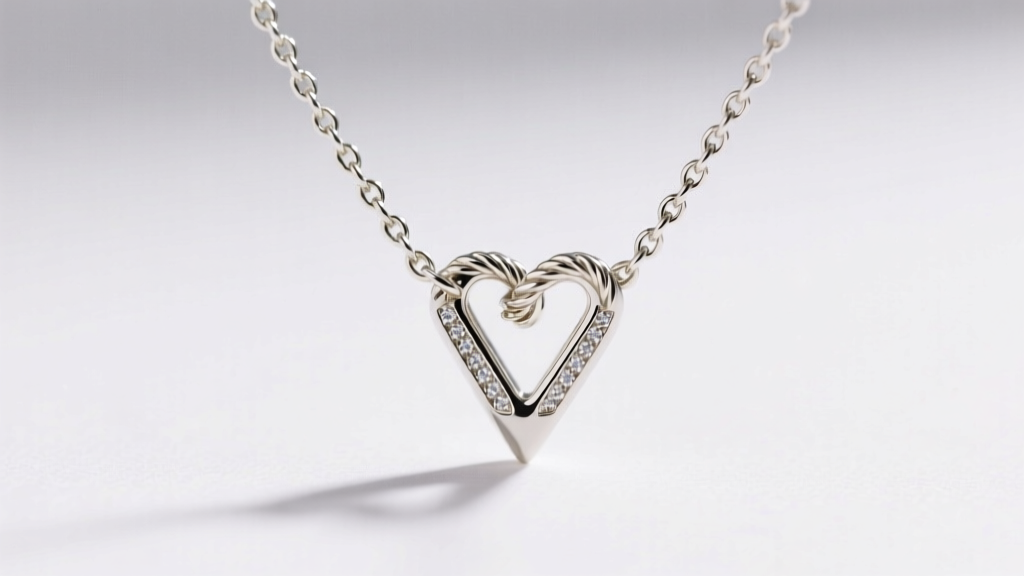
Milestone Anniversaries & Graduations
For university graduations, the trend has shifted heavily toward functional lockets and intricate compass motifs. A 14k yellow gold compass pendant, measuring roughly 18mm in diameter, symbolizes direction, exploration, and new beginnings. Pair this with a 20-inch, 1.5mm Figaro chain to allow the piece to rest comfortably below the collarbone, making it visible over both casual t-shirts and formal graduation attire. For milestone anniversaries (such as the 10th or 25th), opt for a bezel-set diamond or sapphire drop. Bezel settings are highly recommended by the Gemological Institute of America (GIA) for active lifestyles, as the continuous metal rim protects the gemstone's vulnerable girdle from chipping—a common and devastating failure mode in traditional four-prong settings when the piece is worn daily.
Birthdays & 'Just Because' Tokens
Birthstone pendants remain a staple of jewelry gifting, but the execution has evolved significantly. Instead of generic, mass-produced oval cuts, look for custom-shaped rose cuts or geometric hexagon cuts that catch and diffuse the light differently. A 9mm hexagon-cut emerald (the May birthstone) hanging like a necklace on a 16-inch, 1.0mm diamond-cut box chain offers a modern, architectural look that appeals to contemporary tastes. For spontaneous 'just because' gifts, consider initial pendants crafted from solid 18k gold rather than gold vermeil or gold-plated brass. Vermeil will eventually wear down to the sterling silver base, requiring expensive re-plating, whereas solid 18k gold provides a lifetime of wear and can be easily polished to restore its original luster.
Material Grades & Pricing Tiers for 2026
When budgeting for a pendant gift, it is vital to separate the cost of the center stone from the cost of the mounting, bail, and chain. The table below outlines the expected pricing for high-quality settings and chains based on material grades, ensuring you know exactly what you are paying for and how it will age over time.
| Material Grade | Chain Price Range (18') | Best Occasion | Durability & Maintenance |
|---|---|---|---|
| Sterling Silver (925) | $45 - $120 | Teen Birthdays, Friendships | Prone to oxidation and tarnish; requires regular polishing. Soft metal, highly prone to stretching under heavy pendants. |
| 10k Gold (417) | $150 - $300 | Everyday Wear, Graduations | Highly durable and scratch-resistant. Lower gold content makes it slightly less hypoallergenic for sensitive skin types. |
| 14k Gold (585) | $350 - $800 | Anniversaries, Milestones | The industry standard. Offers an excellent balance of rich color, structural durability, and long-term heirloom value. |
| 18k Gold (750) | $800 - $2,500+ | Luxury Gifts, Weddings | Rich, deep yellow hue. Noticeably softer than 14k, requiring careful handling and thicker gauges for thin chains. |
| Platinum (950) | $1,200 - $4,000+ | Heirloom Pieces, 50th Anniversaries | Extremely dense and durable. Develops a soft patina over time but the metal never actually wears away or thins. |
Troubleshooting Common Pendant Failures
Even the most expensive, thoughtfully chosen jewelry can fail if the mechanics of the piece hanging like a necklace are ignored. As a senior stylist, I frequently see clients bring in damaged pieces that could have been easily prevented with proper structural matching and an understanding of metallurgical friction.
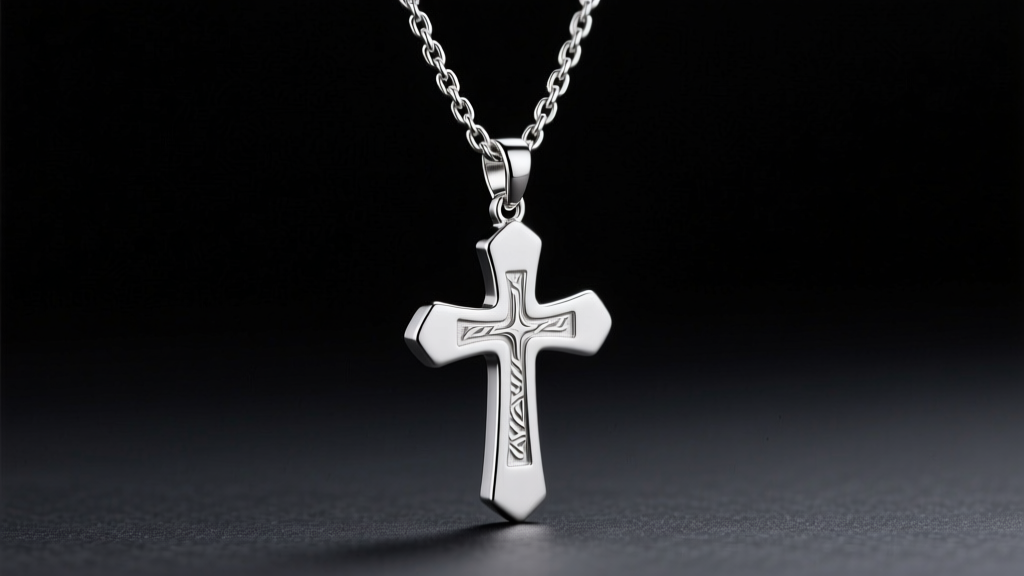
The 'Flip-Over' Bail Problem
This frustrating issue occurs when the center of gravity of the pendant is improperly balanced relative to the bail placement. If a heavy, elongated teardrop gemstone is attached via a small, fixed loop bail soldered too high on the setting, the weight of the bottom of the stone will pull it forward, causing the pendant to flip upside down against the chest. The Fix: Always choose a pendant with an articulated or 'floating' bail. An articulated bail features a small, integrated hinge or a heavy-duty jump ring between the pendant body and the chain loop, allowing the stone to swing freely and naturally settle face-up, regardless of the wearer's movements or posture.
Chain Thinning and Bail Friction
Friction is the silent killer of necklace chains. When a heavy gold pendant slides back and forth across a delicate chain throughout the day, the harder metal of the bail acts like a microscopic file, slowly shaving away the links of the chain. This is especially prevalent when pairing a dense platinum pendant with a softer 18k gold chain. Over two to three years of daily wear, the chain will thin at the center and eventually snap, risking the loss of the priceless pendant.
'The most common point of failure in fine jewelry is not the clasp, but the unseen friction between the bail and the chain. Match your metals and gauge sizes accordingly.' — Master Jeweler's Adage
The Fix: Ensure the bail and chain are of similar hardness, or opt for a bail lined with a synthetic ruby or sapphire sleeve (a technique adapted from high-end watchmaking) to reduce friction to near zero. Alternatively, upgrade to a thicker chain gauge (minimum 1.8mm) if the pendant exceeds 8 grams to provide enough surface area to resist wear.
Final Gifting Checklist
Before wrapping your gift and presenting it to your loved one, run through this quick diagnostic checklist to ensure the piece is structurally sound and aesthetically perfect:
- Weight Ratio: Does the chain's breaking strength comfortably exceed the pendant's weight? (Aim for a chain that can hold at least 5x the pendant's static weight to account for the dynamic force of snags and movement).
- Clasp Security: Is the clasp proportional to the chain? A heavy pendant requires a secure lobster or parrot clasp; never rely on a fragile, hollow spring-ring clasp for anything over 5 grams.
- Bail Clearance: Thread the chain through the bail. Does it slide smoothly without catching? If it requires force, the chain is too thick and will cause severe friction damage over time.
- Drop Length: Hold the assembled piece up to a mirror or a jewelry bust. Does it hang at the intended neckline (e.g., 16 inches for the collarbone, 20 inches for the upper chest)?
By mastering the hidden mechanics of pendants and chains, you elevate your gifting from a simple retail transaction to a curated, lifelong accessory. When a piece is engineered correctly, hanging like a necklace with perfect balance, appropriate metallurgy, and structural grace, it transcends being mere decoration and becomes an indispensable part of the wearer's daily identity.


