Smarties Necklace Materials: Enamel vs Resin vs Glass
Discover the best materials for a smarties necklace. We compare enamel, resin, glass, and ceramic beads for durability, pricing, and skin safety.

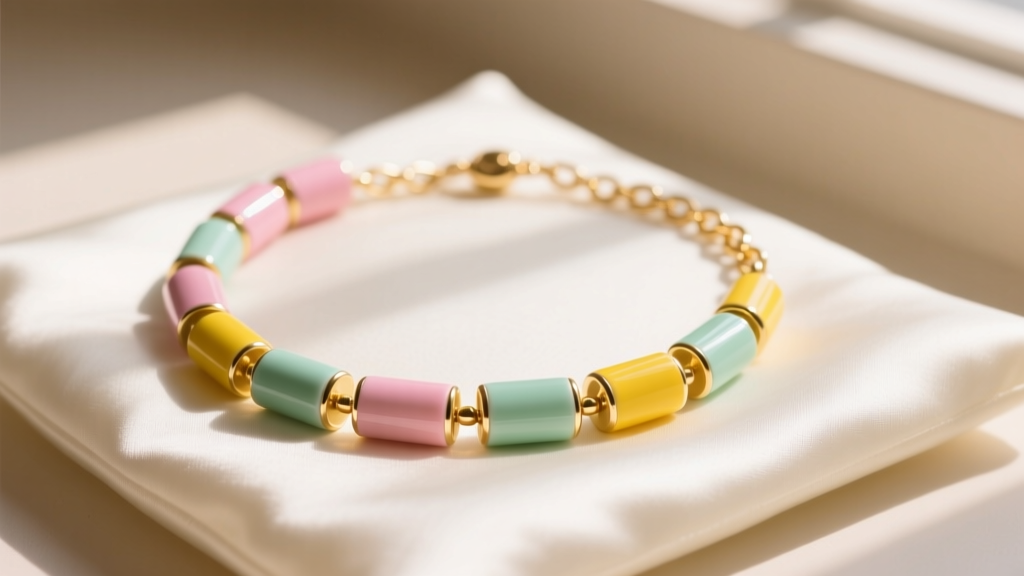
The Anatomy of a Smarties Necklace
The 'Smarties' necklace has solidified its place in contemporary jewelry, beloved for its playful, candy-like aesthetic. Characterized by small, cylindrical or disc-shaped beads stacked in vibrant, opaque colors, these necklaces mimic the look of the famous rolled candy. However, as we evaluate the 2026 jewelry market, the visual similarity between a $20 fast-fashion piece and a $250 artisan creation masks a massive divergence in material science. The longevity, skin safety, and structural integrity of a smarties necklace depend entirely on the core materials used to create those colorful discs.
When investing in beaded jewelry, understanding the physical properties of the beads—and the stringing materials that hold them together—is critical. A beautiful necklace is useless if the beads degrade under UV light, the base metals trigger contact dermatitis, or the stringing wire snaps under the weight of glass. Below, we deconstruct the four primary materials used in smarties necklaces: vitreous enamel, epoxy resin, lampwork glass, and ceramic.
Material Showdown: Enamel, Resin, Glass, and Ceramic
Vitreous Enamel on Brass: The Heirloom Standard
High-end smarties necklaces typically utilize vitreous enamel. This is not a paint or a cold resin; it is powdered glass fused to a metal base (usually copper, fine silver, or lead-free brass) in a kiln at temperatures exceeding 1,400°F (760°C). The result is a bead with a Mohs hardness of 6 to 7, making it highly resistant to scratching from everyday wear.
The primary advantage of vitreous enamel is its absolute UV stability. The colors will never fade or yellow, even after decades of daily wear. However, the failure mode of vitreous enamel is impact. Because it is essentially glass fused to metal, dropping an enamel smarties bead onto a hard tile floor can cause it to chip or crack. Furthermore, buyers must verify the base metal. According to the FTC Jewelry Guides, manufacturers must disclose base metals; ensure the brass core is nickel-free and cadmium-free to prevent allergic reactions where the enamel meets the drill hole.
Epoxy Resin and Acrylic: The Lightweight Contender
Mass-market smarties necklaces are overwhelmingly made from cast epoxy resin or injection-molded acrylic. These materials allow for rapid, cheap production and yield incredibly lightweight beads, which is ideal for massive, multi-strand statement necklaces that would be too heavy in glass or enamel.
However, resin has a Mohs hardness of only 2 to 3, meaning it will accumulate micro-scratches from friction against clothing and other beads over time, eventually dulling the glossy finish. The most critical flaw of lower-grade epoxy resin is plasticizer migration and UV degradation. Without high-quality UV inhibitors, white and pastel resin beads will develop a yellowish tint after 6 to 12 months of sun exposure. When shopping for resin smarties, look for brands that explicitly state they use 'jewelry-grade, UV-stabilized polyurethane' rather than standard craft epoxy.
Lampwork Glass: The Artisan Choice
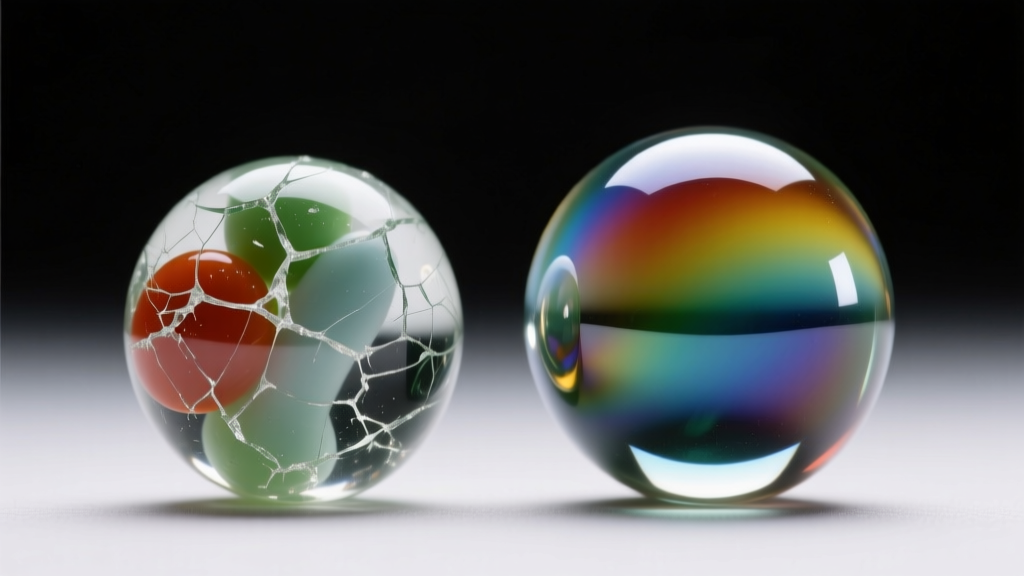
For those who want the weight and luster of glass without a metal core, lampwork glass beads are the premier choice. Artisans melt glass rods over a torch, winding the molten glass around a steel mandrel to create the perfect smarties cylinder. The best lampwork beads are made from borosilicate glass, which offers superior thermal shock resistance and a Mohs hardness of around 6.5.
The defining factor in glass bead durability is the annealing process. After shaping, the beads must be placed in a digital kiln and slowly cooled to relieve internal molecular stress. If a lampworker skips this step, the glass beads will harbor microscopic tension fractures, leading to spontaneous shattering months after purchase. Always purchase lampwork smarties from verified artisans who guarantee kiln-annealing.
Comparative Data: Hardness, Weight, and Pricing
To help you make an informed decision, we have compiled a technical comparison of the four primary smarties bead materials based on gemological and material science standards. For deeper insights into mineral hardness and durability, the GIA Gem Encyclopedia remains the definitive resource.
| Material | Mohs Hardness | Relative Weight | UV Resistance | Avg. Price Range | Primary Failure Mode |
|---|---|---|---|---|---|
| Vitreous Enamel | 6.0 - 7.0 | Heavy | Excellent | $85 - $250 | Chipping on hard impact |
| Epoxy Resin | 2.0 - 3.0 | Very Light | Poor to Fair | $15 - $45 | Micro-scratching, yellowing |
| Lampwork Glass | 5.5 - 6.5 | Heavy | Excellent | $60 - $180 | Shattering (if unannealed) |
| Glazed Ceramic | 5.0 - 6.0 | Medium | Excellent | $40 - $90 | Glaze crazing, dry impact |
Stringing Materials: The Hidden Failure Point
The beads are only half the equation. A smarties necklace features dozens of individual beads rubbing against one another, creating immense friction on the stringing material. Choosing the wrong thread is the leading cause of catastrophic necklace failure.
- Size F Silk Thread: Traditional for pearls, but terrible for smarties. The sharp edges of the bead drill holes will saw through silk over time, and sweat will rapidly degrade the natural protein fibers.
- Nylon Monofilament: Better than silk, but prone to stretching under the heavy weight of glass or enamel beads, resulting in a 'drooping' necklace profile.
- 49-Strand Micro Stainless Steel Wire: The absolute gold standard for smarties necklaces. Brands like Beadalon offer 0.015-inch or 0.018-inch 49-strand wire coated in clear nylon. The 49 individual micro-strands provide supreme flexibility, while the steel core prevents stretching and snapping.
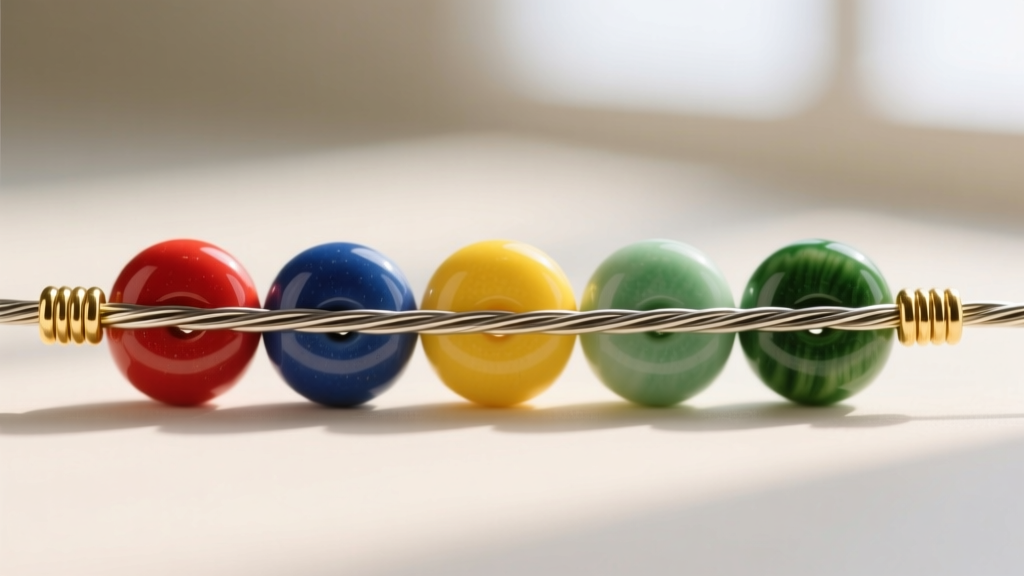
When using steel wire, ensure the jeweler uses crimp tubes rather than round crimp beads, and finishes the ends with a wire guardian (French wire) to prevent the metal clasp from sawing through the nylon coating at the connection point.
How to Spot Low-Quality Smarties Beads
Whether you are shopping online or in a boutique, use these three expert verification techniques to determine the quality of a smarties necklace before purchasing:
- The Temperature Test: Press the beads against your cheek or inner wrist. Glass, ceramic, and vitreous enamel will feel distinctly cold to the touch and will take a few seconds to warm up to your body temperature. Resin and acrylic will immediately feel room-temperature or slightly warm.
- The Drill Hole Inspection: Look closely at where the string passes through the bead. In mass-produced, tumbled resin or cheap glass beads, the drill holes will look chipped, jagged, or uneven. High-end artisan beads feature clean, sharp, and perfectly centered drill holes.
- The Sound Test: Gently tap two beads together. Glass and enamel produce a sharp, high-pitched 'clink.' Resin produces a dull, muted 'thud.' Ceramic falls somewhere in between with a solid, earthy tap.
Final Verdict: Which Material Should You Choose?
If you are looking for an everyday, heirloom-quality piece that will survive decades of wear without losing its color, vitreous enamel on a nickel-free brass base is the undisputed winner. For those who prefer massive, chunky, multi-layered smarties necklaces that won't cause neck fatigue, high-grade UV-stabilized resin is the most practical choice. Finally, if you value artisan craftsmanship and unique, slightly organic variations in color, seek out kiln-annealed lampwork glass. Regardless of your choice, always insist on 49-strand micro-wire stringing to ensure your vibrant smarties necklace stays securely around your neck for years to come.


