Pokeball Necklace Care: Cleaning & Maintenance Tips
Learn how to clean, maintain, and store your pokeball necklace. Expert tips on protecting enamel, polishing silver, and fixing stiff hinges.

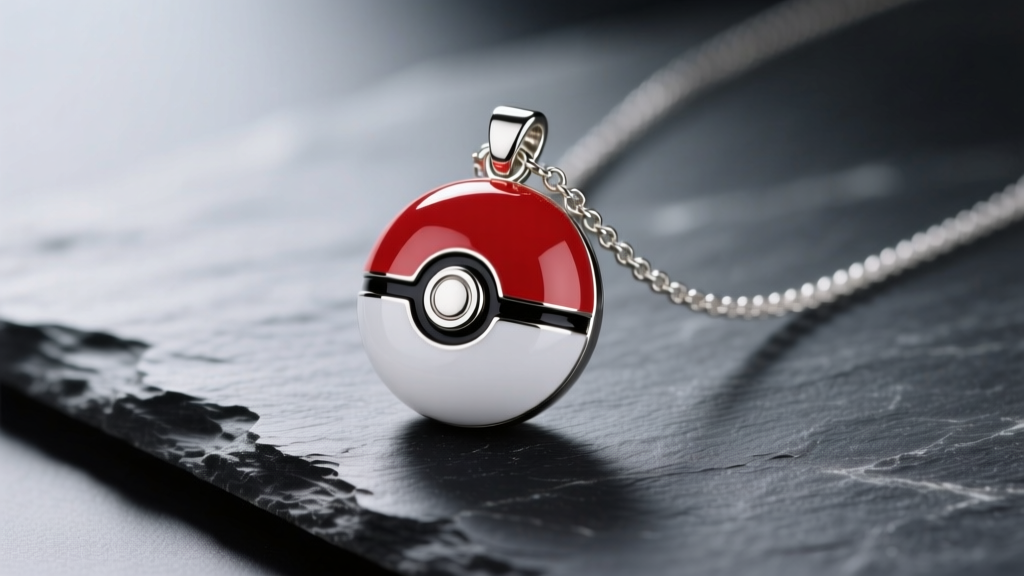
For Pokémon fans and jewelry enthusiasts alike, a high-quality pokeball necklace is more than just a piece of fandom merchandise; it is a wearable conversation starter and a cherished collectible. However, the unique combination of materials used to craft these iconic pendants—typically contrasting enamels, precision metalwork, and sometimes functional locket hinges—requires a specialized approach to maintenance. Standard jewelry cleaning methods can easily ruin the vibrant red and white finishes or damage delicate mechanical components.
Whether you own a solid 925 sterling silver piece with kiln-fired vitreous enamel or a brass-cast locket with cold enamel, this comprehensive 2026 guide will walk you through the exact protocols needed to keep your pokeball necklace looking pristine for years to come.
The Anatomy of a Pokeball Pendant
Before applying any cleaning solution, you must identify the materials used in your specific necklace. The Gemological Institute of America (GIA) notes that enamel care varies drastically depending on the manufacturing process.
Vitreous vs. Cold Enamel
- Vitreous Enamel: This is glass powder fused to metal at extremely high temperatures (around 1400°F). It is highly durable, resistant to UV fading, and has a Mohs hardness of 5 to 6. However, it is brittle and can chip or crack if dropped on a hard surface.
- Cold Enamel (Epoxy Resin): Common in more affordable or mass-produced anime jewelry, cold enamel is essentially a hard, colored resin. It is less brittle than glass but is highly susceptible to UV yellowing (especially the white sections) and can be dissolved or clouded by harsh chemicals like alcohol or acetone.
Base Metals and Plating
The equator band, center button, and bail are usually crafted from 925 sterling silver, brass, or stainless steel. Silver is prone to tarnishing due to sulfur exposure, while brass can develop a dark patina. Gold-plated or rhodium-plated versions require an even gentler touch, as aggressive polishing will strip the micron-thin plating layers.
The Dangers of Daily Wear
The human body is a harsh environment for mixed-material jewelry. Sebum (skin oils), slightly acidic sweat, and airborne pollutants create a film that dulls the metal and degrades the enamel boundary. Furthermore, everyday activities introduce micro-abrasions. Spraying perfume or hairspray while wearing your necklace can leave a chemical residue that slowly eats away at cold enamel finishes, causing the vibrant red to look muddy and the white to appear yellowed.
Step-by-Step Cleaning Protocol
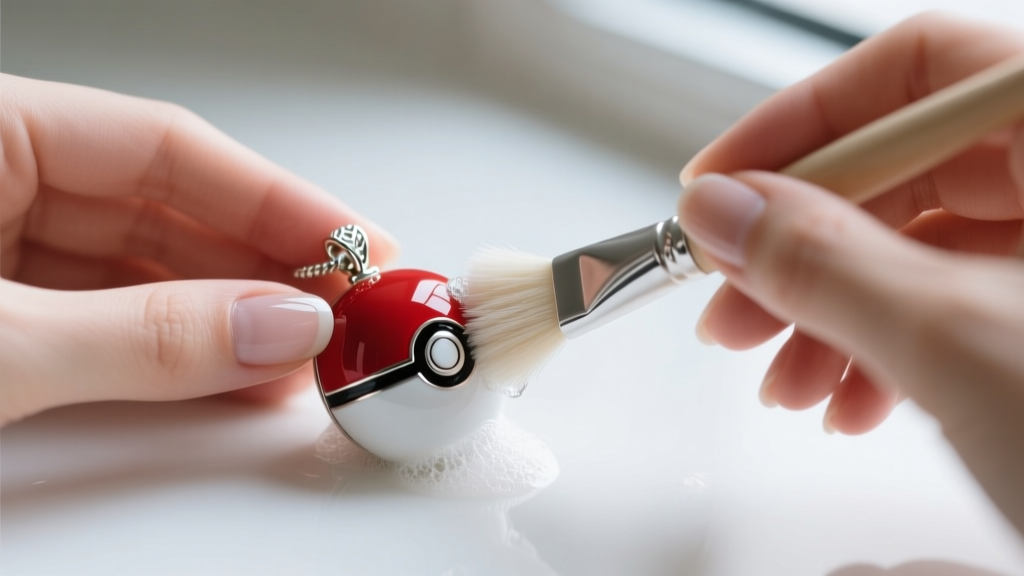
The Washing Phase
- Prepare the Solution: Mix a few drops of mild, phosphate-free dish soap (like Dawn) into a bowl of lukewarm water. Avoid hot water, as extreme temperature shifts can cause vitreous enamel to craze or crack.
- Soak Briefly: Submerge the pendant for no more than 3 to 5 minutes to loosen surface oils and dust.
- Agitate Gently: Using an extra-soft baby toothbrush or a specialized 0.1mm nylon jewelry brush, gently sweep the bristles along the metal crevices, particularly around the center button and the bail where grime accumulates.
- Rinse and Dry: Rinse thoroughly under lukewarm running water. Pat dry immediately with a lint-free microfiber cloth. Do not air dry, as water spots will form on the polished metal.
The Polishing Phase
If the silver or brass components have tarnished, you must use a treated polishing cloth (such as a Sunshine cloth). Critical Warning: These cloths contain micro-abrasives and chemical tarnish removers. You must carefully polish only the bare metal. Rubbing the treated cloth over the enamel will eventually dull the glass finish or scratch the resin. Use a cotton swab to apply specialized silver polish precisely to the metal equator line if the tarnish is severe, then wipe clean with a separate, damp cloth.
Pro Tip: Never use a liquid 'silver dip' tarnish remover on a pokeball necklace. These harsh thiourea-based chemicals will strip the protective coatings off cold enamel and leave an impossible-to-remove white, chalky residue in the microscopic seams between the metal and the enamel.
Cleaning Agents: What to Use and What to Avoid
| Cleaning Agent | Effect on Metal | Effect on Enamel | Expert Verdict |
|---|---|---|---|
| Mild Dish Soap & Water | Safe, removes oils | Safe for both types | Highly Recommended |
| Ultrasonic Cleaners | Excellent cleaning | Shatters vitreous, clouds resin | Never Use |
| Isopropyl Alcohol | Safe, degreases | Dissolves cold enamel | Avoid |
| Silver Dip (Liquid) | Removes heavy tarnish | Leaves chalky residue in seams | Avoid |
| Treated Polishing Cloth | Removes light tarnish | Dulls finish if rubbed | Use with Caution |
Maintaining the Center Button and Hinges
Many premium pokeball necklaces function as lockets, featuring a working hinge and a mechanical clasp. These moving parts are the most common failure points. Over time, skin cells, lotion, and dust form a cement-like sludge inside the hinge barrel, making the pokeball difficult to open.
- Clearing Debris: Use a wooden toothpick or a soft interdental brush to gently pick out gunk from the hinge. Never use a metal pin, as it will scratch the interior brass or silver components.
- Lubrication: If the hinge becomes stiff, do not use liquid oils (like WD-40 or sewing machine oil). Liquid oils attract dust and will eventually gum up the mechanism entirely. Instead, apply a microscopic amount of dry graphite powder to the hinge pin using a fine-tipped applicator. Open and close the locket several times to work the graphite into the joint.
- Clasp Alignment: If the locket no longer snaps shut securely, the tiny metal catch may have bent. Use smooth-jawed nylon pliers to apply very gentle, incremental pressure to realign the catch. If you are unsure, take it to a professional jeweler to avoid snapping the solder joint.
Long-Term Storage Solutions
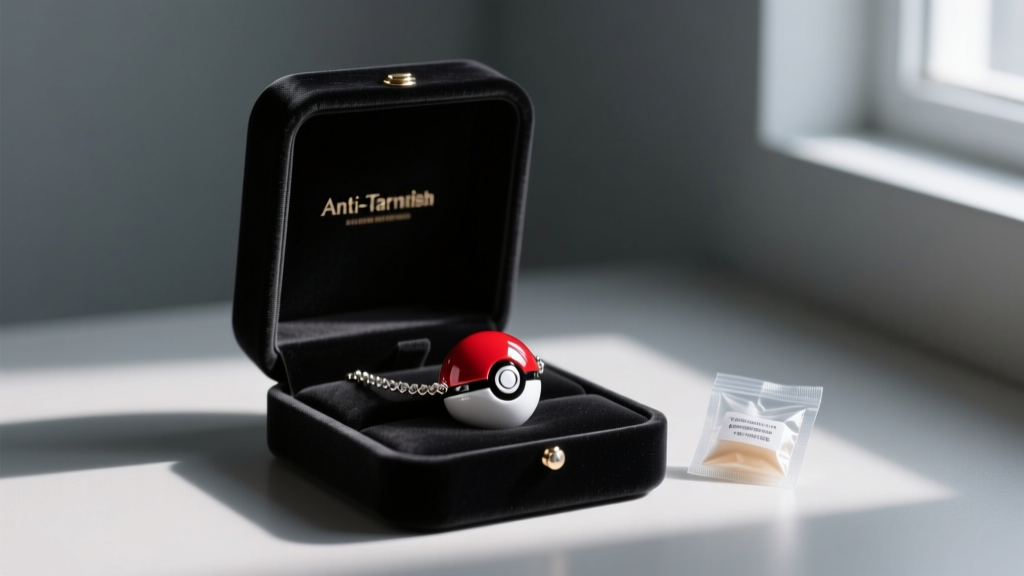
Proper storage is just as critical as cleaning. According to Rio Grande Jewelry Supply, silver tarnishes primarily due to exposure to sulfur compounds and high humidity in the air.
- Use Anti-Tarnish Strips: Store your necklace in a sealed ziplock bag or a velvet jewelry box alongside a 3M anti-tarnish strip. These strips absorb airborne sulfur and can protect the metal for up to a year.
- Control Humidity: Toss a small silica gel desiccant packet into the storage container to keep moisture levels low, which drastically slows down the oxidation process.
- Prevent Chain Tangles and Bail Stress: Always fasten the clasp of the chain before storing. If your pokeball pendant is heavy, store it laid flat rather than hanging on a jewelry tree. Hanging heavy pendants for months can warp the chain links and put undue stress on the soldered bail (the loop that holds the chain), potentially causing it to snap.
- Avoid UV Exposure: If your necklace features cold enamel, prolonged exposure to direct sunlight will cause the white resin to yellow irreversibly. Keep it in a dark drawer or opaque box when not in use.
Expert Troubleshooting
What if the enamel chips?
If a piece of vitreous enamel chips off, do not attempt to fill it with clear nail polish or superglue. The refractive index will not match, and the chemicals can damage the surrounding glass. Take the piece to a specialized enamel artist or a jeweler who offers laser welding and enamel restoration services. For cold enamel, a jeweler can sometimes carefully drill out the damaged resin and refill it with a color-matched UV-cured jewelry resin.
What if the red enamel looks faded?
True vitreous enamel does not fade from UV light. If the red looks dull, it is likely coated in a layer of microscopic skin oils and environmental grime. A gentle wash with dish soap and a soft brush will usually restore the brilliant, glassy shine. If the piece is cold enamel and has physically yellowed or faded due to UV damage, the color degradation is permanent and the resin must be replaced.
By understanding the specific material science behind your pokeball necklace and adhering to these meticulous care routines, you ensure that this iconic piece of jewelry remains as vibrant and functional as the day you first caught it.


