How to Fix and Style a Heavy Lady Gaga Necklace in 2026
Learn how to troubleshoot, repair, and comfortably style a heavy Lady Gaga necklace. Expert tips on clasps, weight distribution, and skin safety.

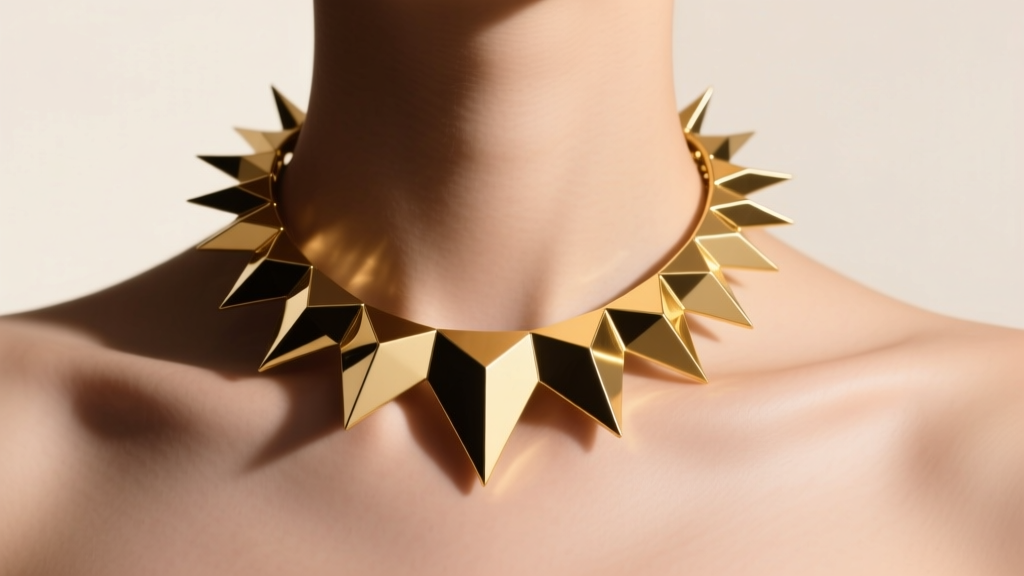
The resurgence of avant-garde, sculptural jewelry in 2026 has brought the iconic Lady Gaga necklace aesthetic back to the forefront of high fashion. From the Haus of Gaga archives to modern runway interpretations, these pieces are characterized by their massive scale, architectural silhouettes, and unapologetic weight. However, wearing a heavy statement collar or oversized pendant outside of a controlled photoshoot presents a unique set of biomechanical and material challenges. Neck strain, clasp shearing, and severe contact dermatitis are common complaints among enthusiasts attempting to integrate these avant-garde pieces into daily or event wear.
As a jewelry troubleshooting specialist, I frequently help clients adapt prop-grade or heavy luxury pieces for actual human movement. This guide breaks down the exact engineering, material, and styling fixes required to wear a heavy Lady Gaga necklace comfortably and securely.
The Physics of Avant-Garde: Solving Neck Strain
A true avant-garde statement piece often weighs between 200 and 450 grams. For context, a standard everyday gold chain weighs roughly 10 to 15 grams. When you place nearly half a kilo of metal, resin, or crystal around the cervical spine, the downward drag creates immediate fatigue and can actually alter your posture, leading to tension headaches.
Weight Distribution Hacks
- Silicone Gripping Discs: Apply clear, medical-grade silicone jewelry tightening discs to the inner curve of a rigid metal collar. This increases friction against the collarbone, preventing the heavy front pendant from sliding downward and choking the wearer.
- Velvet Choker Backings: If the necklace features a thick chain or heavy links, have a jeweler line the inner neckline with moleskin or crushed velvet. This not only cushions the trapezius muscles but also disperses the point-load pressure across a wider surface area.
- The Y-Chain Counterweight: For front-heavy pendants, attach a secondary, lightweight chain that drapes down the back, terminating in a small counterweight. This balances the center of gravity, pulling the primary necklace slightly upward and off the windpipe.
Clasp Catastrophes: Upgrading for Heavy Pendants
The most frequent point of failure on an oversized Lady Gaga necklace is the clasp assembly. Standard 4mm lobster clasps and poorly soldered jump rings are designed for static loads, not the dynamic shear force generated when you walk, dance, or lean forward. A 300-gram pendant swinging on a thin chain generates enough kinetic energy to snap a standard 18-gauge jump ring in seconds.
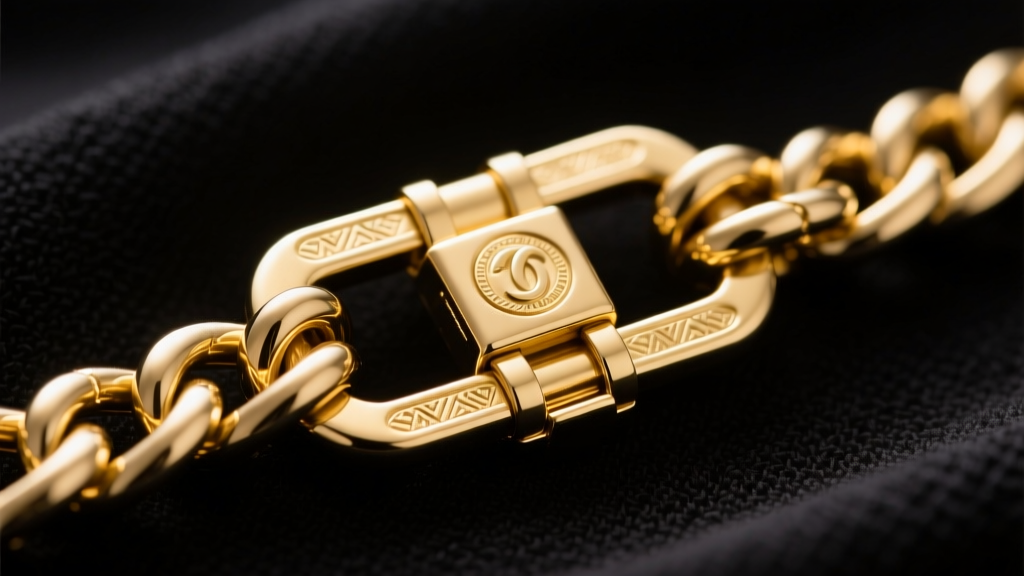
To prevent a catastrophic loss of your statement piece, you must upgrade the hardware. According to structural guidelines from Rio Grande Jewelry Supply, dynamic weight requires specialized locking mechanisms. If your necklace features a thick 5mm Cuban link or a heavy box chain, the jump ring connecting the chain to the clasp must be at least 14-gauge (1.6mm thick) and fully soldered. Unsoldered rings will pull apart under the dynamic swing of a heavy pendant.
| Clasp Type | Max Dynamic Weight | Best Application |
|---|---|---|
| Standard Lobster (12mm) | Up to 45g | Lightweight chains, delicate pendants |
| Heavy-Duty Spring Ring | Up to 120g | Medium chains, standard statement pieces |
| Neodymium Magnetic Tube | Up to 250g | Heavy collars, rigid avant-garde necklaces |
| Screw-Thread Barrel | Up to 400g+ | Massive Gaga-style prop jewelry, multi-strand |
Troubleshooting Tip: Always replace open jump rings with 14-gauge or 12-gauge soldered split rings at the pendant bail. If the necklace is a rigid torque, ensure the hinge pin is secured with a friction-fit screw rather than a simple push-pin.
Base Metal Reactions and Skin Barrier Troubleshooting
Many avant-garde pieces inspired by high fashion are manufactured using zinc alloys, brass, or nickel-silver to keep production costs down while maintaining a massive scale. When these base metals mix with sweat and body heat, they cause severe contact dermatitis and leave green or black oxidation stains on the décolletage.
Creating a Biocompatible Barrier
If you cannot afford to have the entire piece electroplated in rhodium or 18k gold, you must create a physical barrier between the metal and your skin.
- Polyurethane Coating: Spray the inner surface of the necklace with a clear, matte polyurethane sealant (often used for sealing wooden props). This creates a flexible, sweat-proof shield that lasts for dozens of wears.
- Silk Scarf Interfacing: Borrowing from 1980s punk styling, tie a thin, bias-cut silk scarf around the neck first, allowing the tails to hang down the back. Drape the heavy metal collar over the silk. The silk prevents metal-to-skin contact while adding a deliberate, editorial layering element.
- ProSkin Liquid Bandage: For small, specific pressure points on a sculptural collar, paint on a layer of medical-grade liquid bandage. It dries clear, flexes with the skin, and prevents nickel leaching.
Wardrobe Engineering: Anchoring the Silhouette
A heavy Lady Gaga necklace will inevitably drag down delicate fabrics like silk charmeuse, chiffon, or fine merino wool, ruining the drape of your garment and potentially tearing the neckline. You must engineer the wardrobe to support the jewelry, not the other way around.
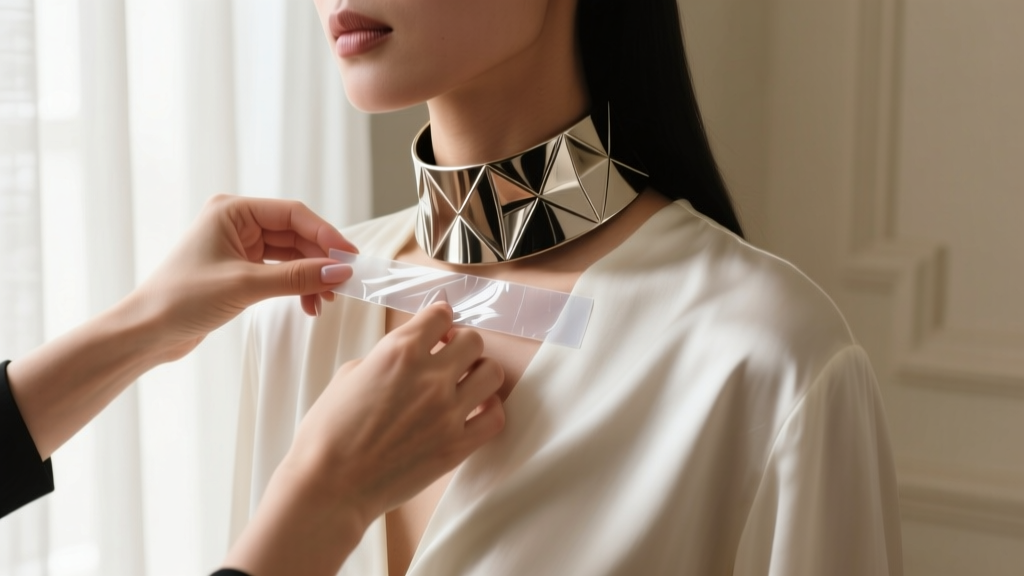
The Hidden Anchor Technique
Fashion stylists working on major editorial shoots use a technique called "invisible anchoring." Using double-sided silicone jewelry tape (specifically designed for high-hold fabric adhesion without leaving residue), secure the backplate or the heaviest nodes of the necklace directly to the garment.
"When styling avant-garde archival pieces, the jewelry is the architecture. The clothing is merely the foundation. If the foundation cannot bear the load, you must bolt the architecture to the studs beneath." — Editorial Styling Masterclass, Vogue Archive.
Alternatively, if you are wearing a structured blazer or a corset top, use tiny, clear enamel pins to secure the chain links to the lapel or boning channels. This transfers the weight of the necklace from your cervical spine to the structural garments on your torso.
Restoring Tarnished Prop-Grade Metals
Because many oversized statement pieces are treated as "prop jewelry," they are often finished with thin flash-plating that wears off rapidly, exposing the raw brass or copper beneath. When this happens, the piece loses its high-fashion luster and begins to look like a cheap costume accessory.
Do not use harsh chemical dips like Tarn-X on avant-garde pieces, as these chemicals can melt the epoxy resins or glue used to set oversized acrylic or glass cabochons. Instead, use a gentle, non-abrasive polishing cloth infused with micro-fine jeweler's rouge. For deep crevices in sculptural metalwork, use a soft-bristled makeup brush dipped in a mild solution of distilled water and pH-neutral castile soap, gently agitating the tarnish before immediately drying with a microfiber towel.
If the flash-plating is entirely gone, consult a professional electroplater to apply a 2.5-micron layer of 18k yellow gold or rhodium. Anything less than 2.0 microns will wear through at the friction points on the back of the neck within a month of regular wear. The Gemological Institute of America (GIA) notes that proper micron thickness is critical for the longevity of gold-plated fashion jewelry.
For long-term preservation, store your heavy statement necklaces flat in a cedar-lined drawer with anti-tarnish silver strips. Hanging a 400-gram necklace on a standard jewelry tree will eventually warp the chain links and stretch the wire armature over time.
Final Thoughts on Avant-Garde Wearability
Embracing the bold, boundary-pushing aesthetic of a Lady Gaga necklace requires more than just a fearless attitude; it requires practical engineering. By upgrading your clasps to screw-thread barrels, distributing the weight with silicone grips, and protecting your skin with biocompatible barriers, you can transform an unwearable prop into a functional, show-stopping masterpiece. True style in 2026 isn't just about making a statement—it's about executing that statement with flawless, comfortable precision.


